






- Quick Answer: Comparing UPLUS PIX-B Series Pixel Zoom Bars
- Model Comparison: PIX-B560 vs PIX-B660 vs PIX-B1260
- How Does a Pixel Zoom Bar Differ from a Standard Wash Bar?
- Control, Zoom and Auxiliary Effects
- Choosing a Configuration by Application
- Concerts and Touring
- Theatre and Studios
- Corporate Events and Rental Projects
- Installation Environment, Power and Safety
- PIX-B Series Image Gallery
- How This Page Fits the Stage Bar Content Cluster
- Request a PIX-B Series Configuration Review
- Frequently Asked Questions
- What is the main difference between PIX-B560, PIX-B660 and PIX-B1260?
- Does 5 × 60W mean that a PIX-B560 draws exactly 300W from the mains?
- Does individual pixel control mean each LED module moves independently?
- Which PIX-B model is suitable for my venue size?
- Can these pixel zoom bars be installed outdoors?
- What should be included in an RFQ for a PIX-B series comparison?
UPLUS PIX-B560 vs PIX-B660 vs PIX-B1260: Pixel Zoom Bar Comparison
Quick Answer: Comparing UPLUS PIX-B Series Pixel Zoom Bars
The PIX-B560, PIX-B660 and PIX-B1260 are PIX-B series pixel zoom bar moving-head products that buyers can compare by emitter arrangement, pixel-control requirements, optics, rigging and application. Their model descriptions identify 5, 6 and 12 RGBW LED emitters of 60W respectively. These are LED-array descriptions, not verified total mains input powers. Use the appropriate model-level specification before selecting a fixture.
Model Comparison: PIX-B560 vs PIX-B660 vs PIX-B1260
| Model | Published LED-array description | Product page | Decision factors to verify |
|---|---|---|---|
| PIX-B560 | 5 × 60W RGBW LEDs | PIX-B560 | Zoom, pixel zoning, control mode, weight and actual input current |
| PIX-B660 | 6 × 60W RGBW LEDs | PIX-B660 | Zoom, pixel zoning, auxiliary effects and DMX personality |
| PIX-B1260 | 12 × 60W RGBW LEDs | PIX-B1260 | Independent color zones, control-channel capacity, footprint and rigging |
The stated LED-array ratings identify emitter configurations. They do not establish the fixture's input wattage, delivered lumens, beam intensity or required circuit capacity. Use the current product manual or quotation for those values.
How Does a Pixel Zoom Bar Differ from a Standard Wash Bar?
A pixel zoom bar moving head combines a linear LED emitter layout with motorized positioning and, where supported, zoom and individually addressable lighting zones. A conventional fixed wash bar is often selected primarily for smooth coverage. A pixel bar may be chosen for chases, color gradients and audience-facing effects, but an effect requires a fixture and console mode that explicitly support it.
Pixel addressing is not the same as independent mechanical module movement. The original version of this page described each LED unit changing angle and location independently. That functionality should not be claimed for PIX-B models unless verified in the manufacturer's current technical documents.
Control, Zoom and Auxiliary Effects
When comparing PIX-B560, PIX-B660 and PIX-B1260, request the exact DMX channel charts. Check the number of programmable pixel zones, direction of addressing, available effect presets, dimming performance and how zoom changes the beam. Do not infer the number of independent channels merely from the number of RGBW emitters.
Check whether each shortlisted model provides auxiliary white strips or other effect sources and how these are controlled. Functions described for one PIX-B model should not automatically be attributed to every model in the series.
Choosing a Configuration by Application
Concerts and Touring
Determine the look you need—moving bands of color, pixel chases, scenic fill, or a combination. Then compare the available rigging space, fixture mass, planned throw, cable distribution, setup time and the cue complexity supported by the console.
Theatre and Studios
Consider the color characteristics, dimming range, noise level, camera compatibility and the need for repeatable cues. If a smooth cyclorama wash is the main goal, test whether a pixel zoom moving bar or a purpose-built linear wash bar better suits the venue.
Corporate Events and Rental Projects
Evaluate portability, available protective cases, replaceable parts, fixture count and DMX programming time. The best option depends on the rental or event plan, not on LED count alone.
Installation Environment, Power and Safety
Confirm the ingress protection stated for the exact SKU. Indoor-rated and outdoor-rated versions must not be treated as interchangeable. For an outdoor alternative, review the separately listed IP-PIX1260 outdoor alternative, then verify the whole installation, including connectors and mounting, against its manual and site conditions.
For rigging and power, request fixture mass, approved attachment hardware, any specified secondary retention, maximum input current, inrush and circuit requirements. Do not estimate mains input by multiplying the LED-array count by 60W. Consult the manufacturer documentation and qualified site technicians for the final installation.
PIX-B Series Image Gallery
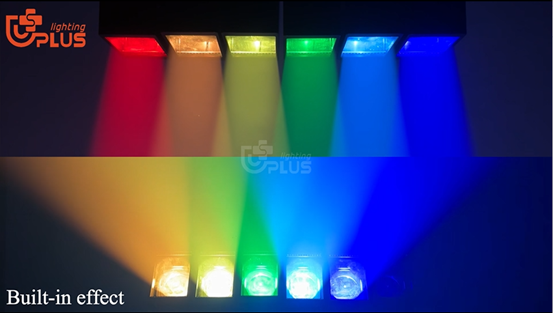
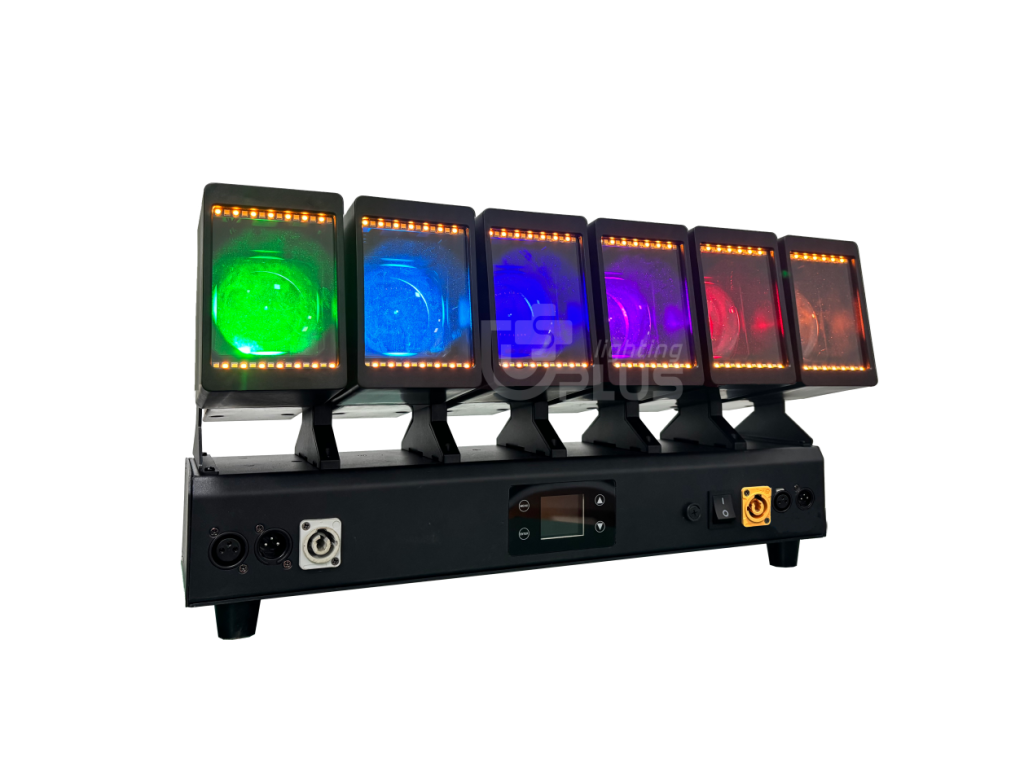
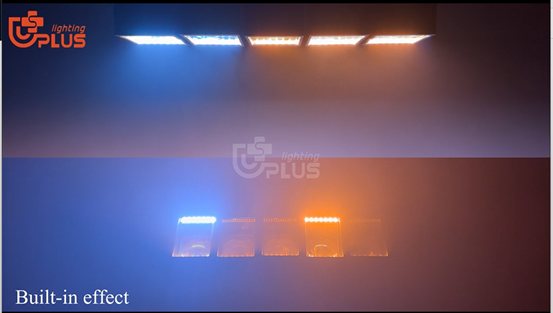
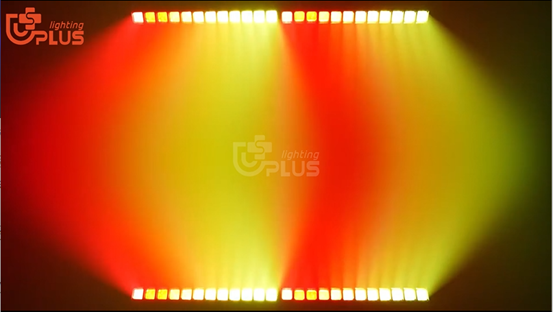
These images appeared in the previous page version. Refer to the official model pages and current technical documentation for confirmed product specifications.



How This Page Fits the Stage Bar Content Cluster
This page is the PIX-B series comparison Support, not the general LED Stage Bar guide. Start broader research in the LED Stage Light Bars selection and setup Hub. Move from this comparison to the PIX-B560, PIX-B660 or PIX-B1260 product page when a specific model is under consideration.
Request a PIX-B Series Configuration Review
Provide your stage size, fixture positions, project type, preferred pixel effects, console setup, electrical limits and environment when you contact UPLUS Lighting. Request current datasheets, beam and zoom information, DMX personality charts and model-specific input ratings for a fair comparison.
Frequently Asked Questions
What is the main difference between PIX-B560, PIX-B660 and PIX-B1260?
The published model-family descriptions identify five, six and twelve 60W RGBW LED emitters respectively. This is an LED-array configuration comparison, not a complete measure of electrical input, beam output or fixture suitability.
Does 5 × 60W mean that a PIX-B560 draws exactly 300W from the mains?
No. The LED-emitter array rating should not be substituted for the fixture's measured or nameplate input power. Confirm maximum electrical consumption, power factor and current from the exact product documentation.
Does individual pixel control mean each LED module moves independently?
No. Electronic control of pixel color or intensity is different from mechanical movement of individual modules. Verify whether the product moves as one head or supports any separately motorized sections.
Which PIX-B model is suitable for my venue size?
Do not select solely from LED count. Compare the required effect, rigging position, throw distance, zoom, output measurements, physical dimensions, weight and control-channel budget for the exact model.
Can these pixel zoom bars be installed outdoors?
Check the IP rating of the particular product and the full installation conditions. When an outdoor-rated alternative is required, review the separately listed IP-PIX1260 product and its operating instructions.
What should be included in an RFQ for a PIX-B series comparison?
Specify the model, quantity, event and environmental conditions, DMX personality, expected effects, rigging and power limits, shipment requirements and requested supporting documents.
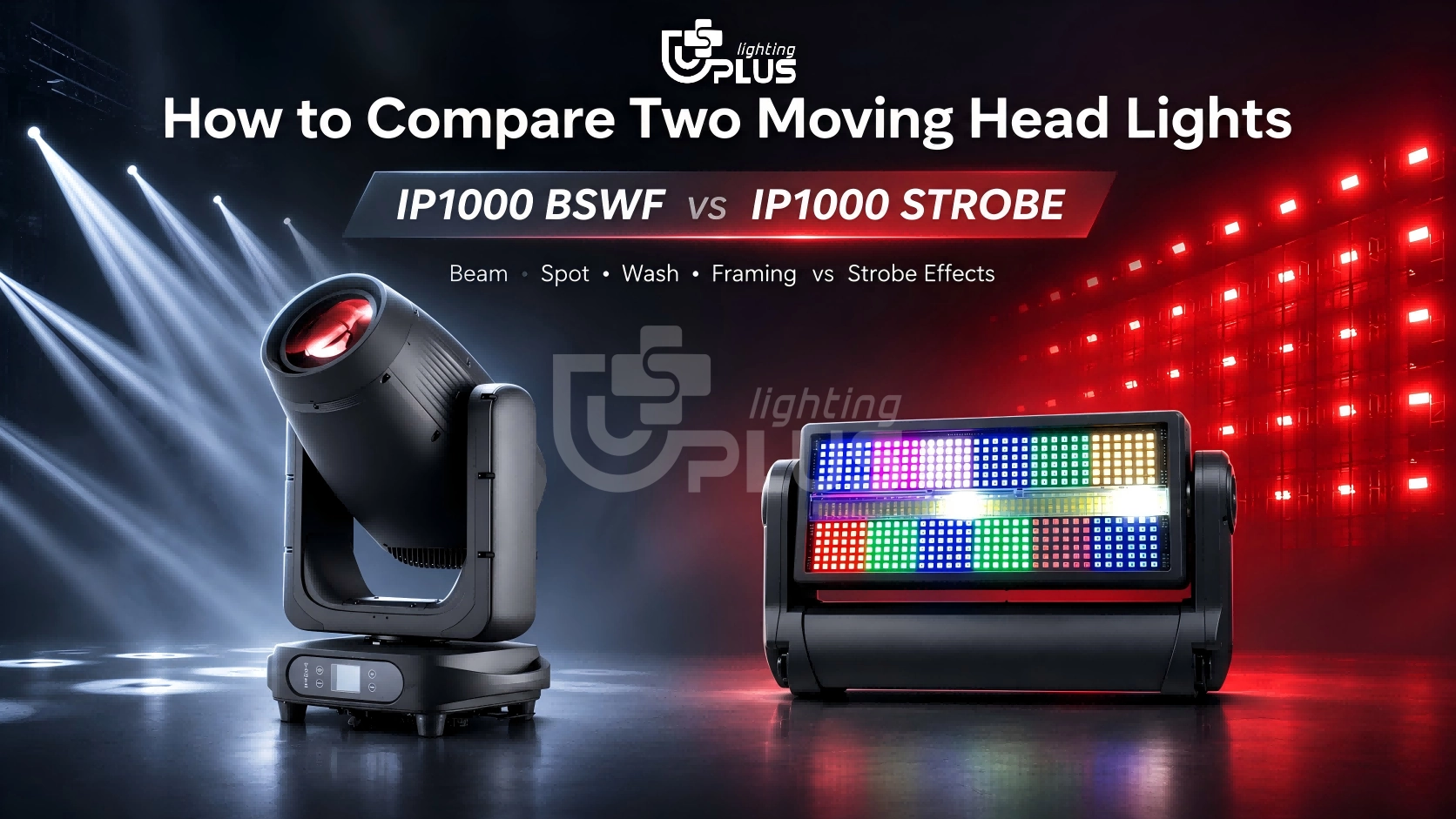


1000W Waterproof BSWF 4-in-1 Moving Head combines beam, spot, wash, and frame effects in one. IP-rated waterproof design, high-brightness output, precise control, ideal for outdoor & indoor stage events.
Stay updated on our latest news
If you have any comments or good suggestions, please leave us a message, later our professional staff will contact you as soon as possible.
Lighting Innovators
Uplus Lighting is a leading integrated company specializing in R&D, design, production, and sales of stage lighting solutions.
 Scan QR Code
Facebook
Instagram
YouTube
VK