






- 1. What are the primary differences between spot beam LED light bars and moving head lights?
- 2. How do beam angles and light distribution differ between spot beam LED light bars and moving head lights?
- 3. What are the typical applications for spot beam LED light bars and moving head lights?
- 4. How do the cost and setup complexity compare between spot beam LED light bars and moving head lights?
- 5. What are the energy consumption and maintenance considerations for spot beam LED light bars and moving head lights?
- 6. How do control and programming differ between spot beam LED light bars and moving head lights?
Should you choose a spot beam led light bar or moving head?
1. What are the primary differences between spot beam LED light bars and moving head lights?
Spot beam LED light bars are designed to produce a narrow, high-intensity beam of light, typically between 0.5 to 6 degrees. This focused beam is ideal for creating sharp, concentrated light shafts that can cut through atmospheric effects like haze or fog, making them suitable for long-distance illumination and dramatic aerial effects. In contrast, moving head lights are versatile fixtures that combine motorized pan/tilt movement with adjustable beam angles, allowing for dynamic lighting effects. They can function as spot, beam, or wash lights, offering flexibility in beam shaping and movement. ((https://www.upluslighting.com/article/beam-spot-moving-head-guide/))
2. How do beam angles and light distribution differ between spot beam LED light bars and moving head lights?
Spot beam LED light bars emit a narrow beam with angles ranging from 0.5 to 6 degrees, resulting in a concentrated light output that is effective over long distances. This narrow beam is ideal for creating sharp, focused light shafts that can cut through atmospheric effects like haze or fog. Moving head lights, on the other hand, offer adjustable beam angles, typically ranging from 2 to 50 degrees, depending on the fixture. This adjustability allows for a range of lighting effects, from narrow beams to broader washes, providing versatility in light distribution. ((https://www.upluslighting.com/article/beam-spot-moving-head-guide/))
3. What are the typical applications for spot beam LED light bars and moving head lights?
Spot beam LED light bars are commonly used in large-scale events, concerts, and outdoor venues where long-distance illumination and dramatic aerial effects are desired. Their narrow, intense beams are effective in cutting through haze or fog, creating impactful visual effects. Moving head lights are versatile and can be used in various settings, including concerts, theaters, corporate events, and nightclubs. Depending on their configuration as spot, beam, or wash lights, they can highlight performers, project patterns, or provide broad illumination, making them suitable for a wide range of applications. ((https://www.upluslighting.com/article/beam-spot-moving-head-guide/))
4. How do the cost and setup complexity compare between spot beam LED light bars and moving head lights?
Spot beam LED light bars are generally more affordable and simpler to set up, as they are fixed fixtures without moving parts. This makes them a cost-effective option for events where dynamic movement is not required. Moving head lights, due to their motorized components and versatility, tend to be more expensive and may require more complex setup and maintenance. The additional cost and complexity are justified by the dynamic lighting effects and flexibility they offer. ((https://www.upluslighting.com/article/beam-spot-moving-head-guide/))
5. What are the energy consumption and maintenance considerations for spot beam LED light bars and moving head lights?
Both spot beam LED light bars and moving head lights are energy-efficient compared to traditional lighting fixtures. However, moving head lights may consume more power due to their motorized components and additional features. Maintenance for spot beam LED light bars is generally straightforward, involving periodic cleaning and inspection. Moving head lights, with their moving parts and complex electronics, may require more frequent maintenance to ensure optimal performance. Regular servicing is essential to maintain the longevity and functionality of moving head lights. ((https://www.upluslighting.com/article/beam-spot-moving-head-guide/))
6. How do control and programming differ between spot beam LED light bars and moving head lights?
Spot beam LED light bars are typically controlled via simple on/off switches or basic dimming controls, making them easy to operate for straightforward lighting needs. Moving head lights, however, require more sophisticated control systems, such as DMX, sACN, or Art-Net, to manage their pan/tilt movements, beam adjustments, color changes, and effects. This complexity allows for intricate programming and synchronization with music or other show elements, providing dynamic and customizable lighting effects. ((https://www.upluslighting.com/article/beam-spot-moving-head-guide/))
In conclusion, the choice between spot beam LED light bars and moving head lights depends on your specific stage lighting requirements. Spot beam LED light bars are ideal for applications requiring long-distance, concentrated illumination with minimal setup complexity. Moving head lights offer versatility and dynamic effects, suitable for events where movement and adaptability are essential. Assessing your venue size, desired lighting effects, budget, and technical capabilities will guide you in making the best decision for your lighting needs.
For personalized recommendations and a detailed quote, please contact us at albee@upluslighting.com or visit our website at www.upluslighting.com.


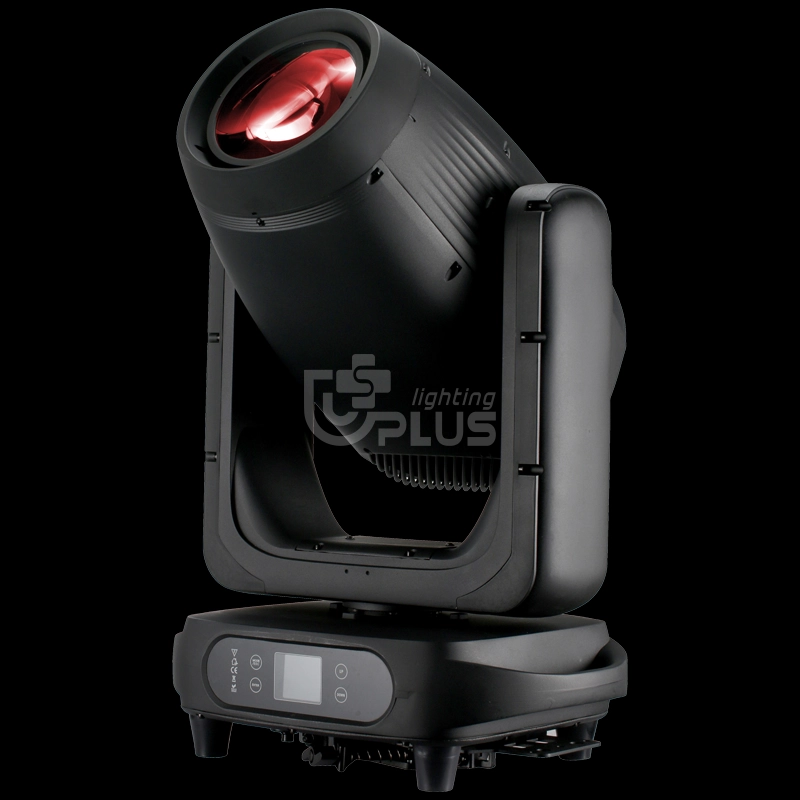
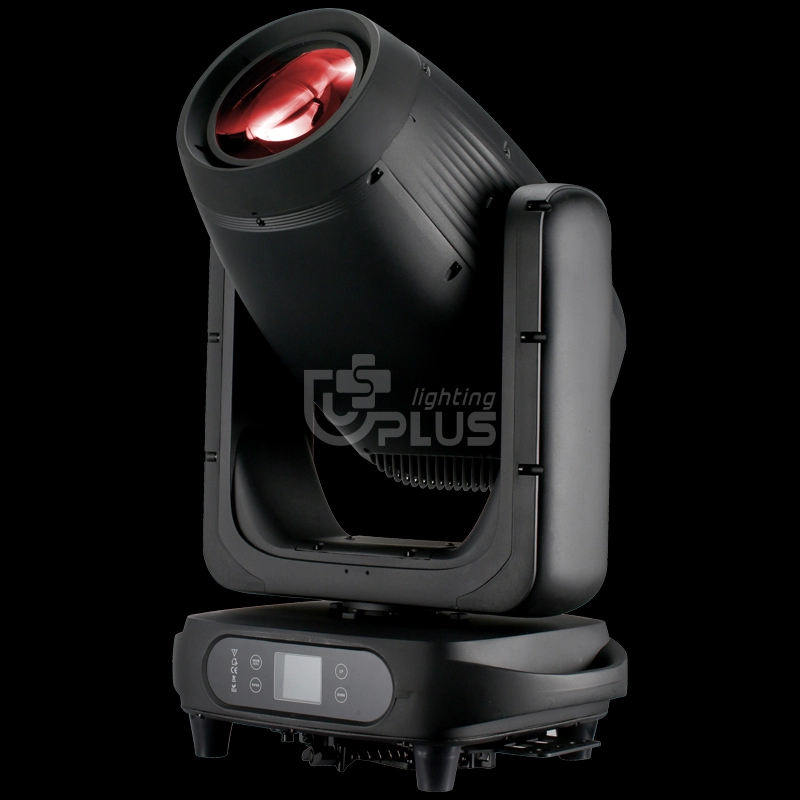
1000W Waterproof BSWF 4-in-1 Moving Head combines beam, spot, wash, and frame effects in one. IP-rated waterproof design, high-brightness output, precise control, ideal for outdoor & indoor stage events.
Stay updated on our latest news
If you have any comments or good suggestions, please leave us a message, later our professional staff will contact you as soon as possible.
Lighting Innovators
Uplus Lighting is a leading integrated company specializing in R&D, design, production, and sales of stage lighting solutions.
 Scan QR Code

Facebook
Instagram
YouTube
VK