






- 1. What are the primary differences between LED moving beam lights and traditional discharge lamp fixtures?
- 2. How do I determine the appropriate brightness and beam angle for my venue?
- 3. What control protocols and connectivity options should I consider?
- 4. How do I assess the build quality and durability of LED moving beam lights?
- 5. What maintenance considerations should I keep in mind for LED moving beam lights?
- 6. How do I calculate the number of LED moving beam lights needed for my venue?
How to choose the best LED moving beam light for venues?
1. What are the primary differences between LED moving beam lights and traditional discharge lamp fixtures?
LED moving beam lights have become the preferred choice over traditional discharge lamp fixtures due to several key advantages:
Energy Efficiency: LEDs consume less power, reducing operational costs.
Extended Lifespan: LEDs typically last up to 50,000 hours, minimizing maintenance and replacement needs.
Instant On/Off: LEDs reach full brightness immediately without warm-up time, offering greater flexibility during performances.
Lower Heat Output: LEDs generate less heat, reducing the need for extensive cooling systems and enhancing safety.
In contrast, discharge lamps, while initially less expensive, have shorter lifespans and higher maintenance costs due to the need for bulb replacements every 2,000–4,000 hours.
2. How do I determine the appropriate brightness and beam angle for my venue?
Selecting the right brightness and beam angle is crucial for achieving the desired lighting effects:
Brightness: Measured in lumens, brightness should correspond to the venue's size and the desired intensity. For example, large venues may require fixtures with higher lumen outputs to ensure adequate illumination.
Beam Angle: The beam angle affects how focused or spread out the light is. Narrow beam angles (2–10°) are ideal for long-throw applications, such as concerts and large venues, providing sharp, focused beams. Wider beam angles (15–40°) are suitable for general area coverage in smaller venues.
3. What control protocols and connectivity options should I consider?
Effective control and connectivity are essential for integrating lighting fixtures into your setup:
DMX512 Protocol: This standard allows for precise control over lighting fixtures, enabling adjustments to movement, color, and timing.
RDM (Remote Device Management): An extension of DMX512, RDM allows for two-way communication, facilitating easier setup and maintenance.
Art-Net: A protocol that transmits DMX data over Ethernet, useful for large-scale installations requiring extensive control.
4. How do I assess the build quality and durability of LED moving beam lights?
Ensuring the durability of your lighting fixtures involves considering:
Material Quality: Fixtures made from high-quality materials, such as aluminum, offer better heat dissipation and longevity.
IP Rating: An Ingress Protection (IP) rating indicates the fixture's resistance to dust and water. For outdoor events, a higher IP rating (e.g., IP65) is recommended to withstand various weather conditions.
Cooling System: Effective thermal management, including fans and heat sinks, prevents overheating and maintains performance.
5. What maintenance considerations should I keep in mind for LED moving beam lights?
Proper maintenance ensures the longevity and optimal performance of your lighting fixtures:
Regular Cleaning: Dust and debris can accumulate, affecting light output and causing overheating. Periodic cleaning of fans, lenses, and internal components is essential.
Firmware Updates: Manufacturers may release firmware updates to improve functionality or fix issues. Regularly check for updates and apply them as needed.
Component Inspection: Regularly inspect moving parts, such as pan and tilt motors, for signs of wear or malfunction.
6. How do I calculate the number of LED moving beam lights needed for my venue?
Determining the appropriate number of fixtures depends on several factors:
Venue Size: Larger venues may require more fixtures to achieve uniform coverage and desired effects.
Lighting Design Goals: The complexity of your lighting design, including the number of effects and coverage areas, will influence the number of fixtures needed.
Budget Constraints: Balancing the desired lighting effects with budget limitations is crucial.
It's advisable to consult with a lighting designer or technician to develop a lighting plan tailored to your venue's specific needs.
By carefully considering these factors, you can select LED moving beam lights that enhance your venue's ambiance and meet your technical requirements.
For personalized recommendations and a quote, please contact us at albee@upluslighting.com or visit our website at www.upluslighting.com.


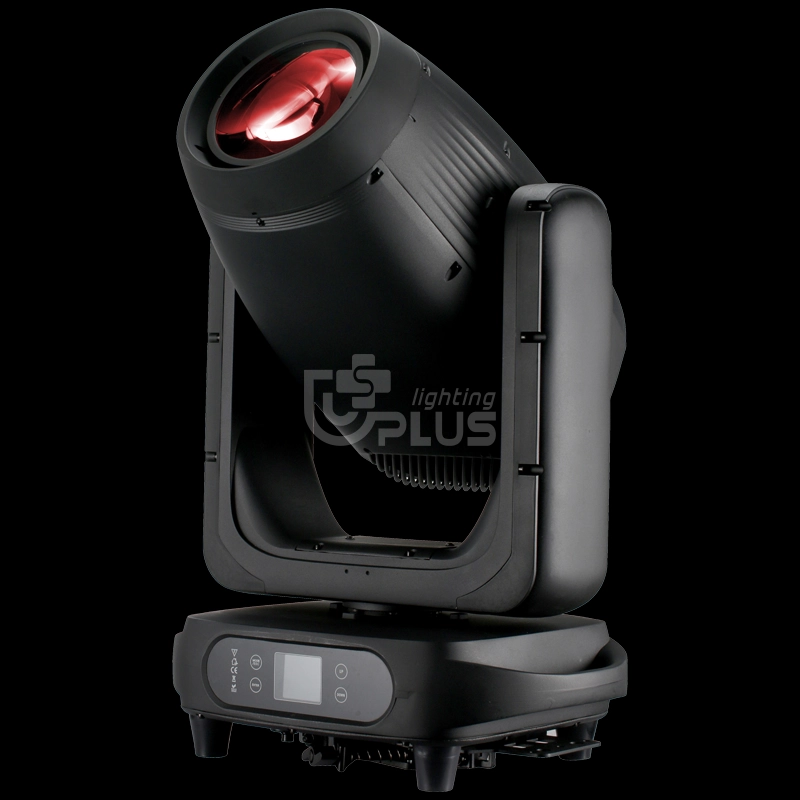
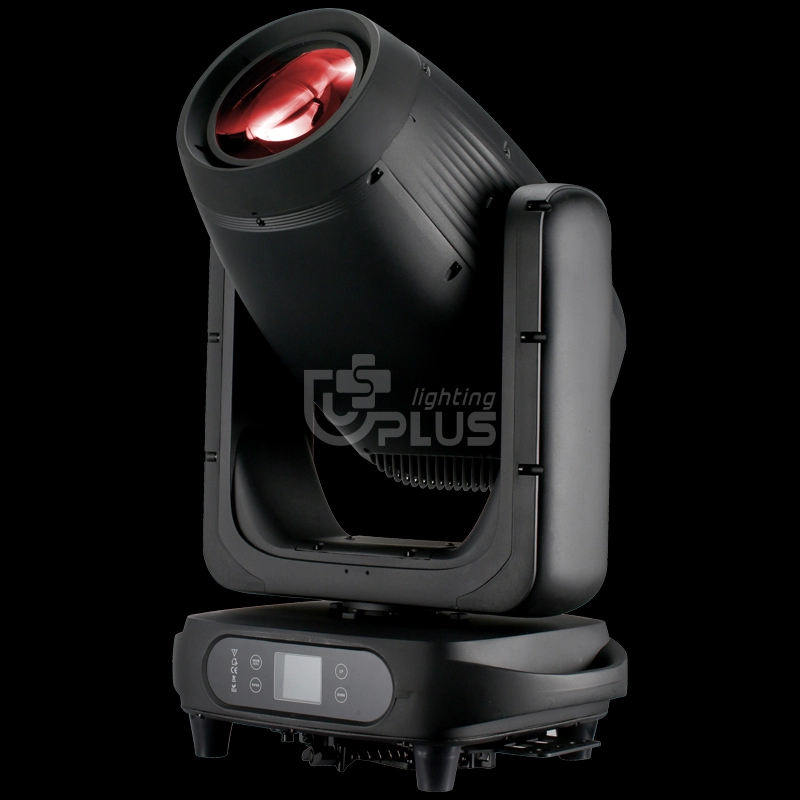
1000W Waterproof BSWF 4-in-1 Moving Head combines beam, spot, wash, and frame effects in one. IP-rated waterproof design, high-brightness output, precise control, ideal for outdoor & indoor stage events.
Stay updated on our latest news
If you have any comments or good suggestions, please leave us a message, later our professional staff will contact you as soon as possible.
Lighting Innovators
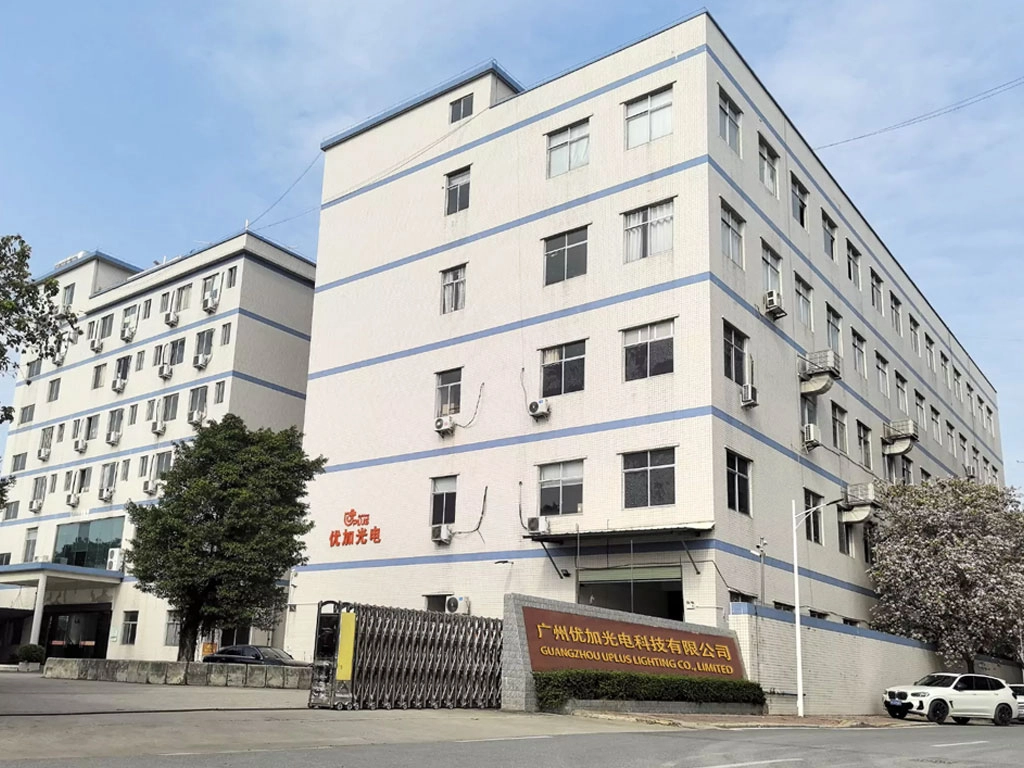
Uplus Lighting is a leading integrated company specializing in R&D, design, production, and sales of stage lighting solutions.
 Scan QR Code
Facebook
Instagram
YouTube
VK