






- 1. What are the key technical specifications to consider when selecting a spot beam LED light bar for concerts?
- 2. How do beam angle and beam quality affect the performance of a spot beam LED light bar in concert settings?
- 3. What is the significance of lux and lumen measurements in evaluating the brightness of a spot beam LED light bar?
- 4. How do color rendering and color mixing systems impact the visual quality of lighting effects in concerts?
- 5. What are the advantages of using moving beam LED light bars over static spot beam fixtures in concert productions?
- 6. How do control protocols and connectivity options influence the integration of spot beam LED light bars into concert lighting systems?
How to choose the best spot beam led light bar for concerts?
1. What are the key technical specifications to consider when selecting a spot beam LED light bar for concerts?
When choosing a spot beam LED light bar for concerts, focus on the following technical specifications:
Beam Angle: A narrow beam angle (e.g., 2°–6°) produces tight shafts of light, ideal for long-throw applications.
Lumen Output: High lumen output ensures sufficient brightness; however, consider lux (illumination at a specific distance) for real-world performance.
Color Rendering Index (CRI): A CRI of 90 or above ensures accurate color representation, crucial for live performances.
Control Protocols: Compatibility with DMX512, RDM, Art-Net, or sACN allows seamless integration into existing lighting systems.
Thermal Management: Effective cooling extends LED lifespan and maintains consistent performance.
Ingress Protection (IP) Rating: An IP65 or higher rating is recommended for outdoor events to protect against dust and water.
2. How do beam angle and beam quality affect the performance of a spot beam LED light bar in concert settings?
The beam angle determines the width of the light shaft; a narrower angle (2°–6°) creates a tight, focused beam suitable for long-throw applications. Beam quality, influenced by optics and lens design, affects the sharpness and uniformity of the beam. High-quality optics ensure a clean, hard-edged beam without excessive haloing, which is essential for precise lighting effects in concerts.
3. What is the significance of lux and lumen measurements in evaluating the brightness of a spot beam LED light bar?
Lumen measures the total light output of a fixture, while lux indicates the illumination level at a specific distance. For concert applications, lux is more relevant as it reflects the actual lighting intensity on the stage. Reviewing lux charts at typical concert distances (e.g., 10–30 meters) helps assess whether a fixture meets the required brightness levels for the venue size.
4. How do color rendering and color mixing systems impact the visual quality of lighting effects in concerts?
Color rendering, indicated by the CRI, affects how accurately colors appear under the light. A higher CRI (90 or above) ensures colors are represented faithfully, which is crucial for live performances. Color mixing systems, such as CMY (subtractive) or RGBW (additive), determine the range and quality of colors the fixture can produce. CMY systems offer smooth color transitions, while RGBW systems provide a broader color palette.
5. What are the advantages of using moving beam LED light bars over static spot beam fixtures in concert productions?
Moving beam LED light bars offer dynamic positioning, allowing for rapid and precise changes in beam direction and effects. This flexibility enables the creation of complex lighting sequences and enhances visual interest during performances. Additionally, moving beam fixtures can incorporate pixel-mapped effects, adding depth and texture to the lighting design. ((https://www.upluslighting.com/article/top-10-moving-beam-led-light-bars/))
6. How do control protocols and connectivity options influence the integration of spot beam LED light bars into concert lighting systems?
Control protocols like DMX512, RDM, Art-Net, and sACN determine how fixtures communicate with lighting consoles and other equipment. Compatibility with these protocols ensures seamless integration and precise control over lighting effects. For large-scale productions, network protocols like Art-Net and sACN facilitate efficient data distribution and management across multiple fixtures.
In conclusion, selecting the right spot beam LED light bar for concerts involves a comprehensive evaluation of technical specifications, beam characteristics, brightness metrics, color quality, fixture mobility, and control compatibility. By carefully considering these factors, lighting professionals can ensure optimal performance and visual impact for their concert productions.
For personalized recommendations and a detailed quote, please contact us at albee@upluslighting.com or visit our website at www.upluslighting.com.


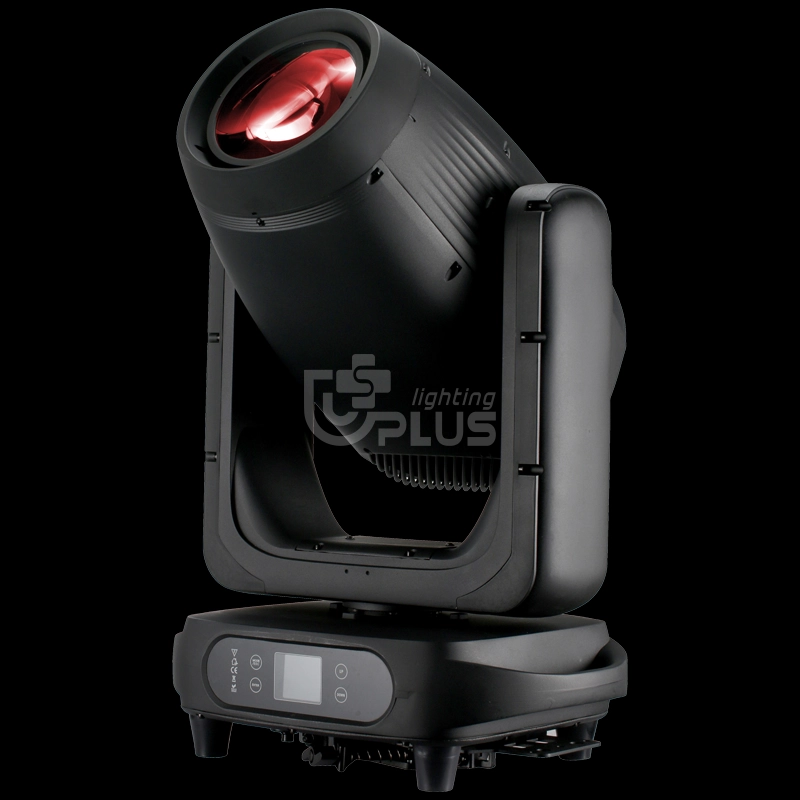
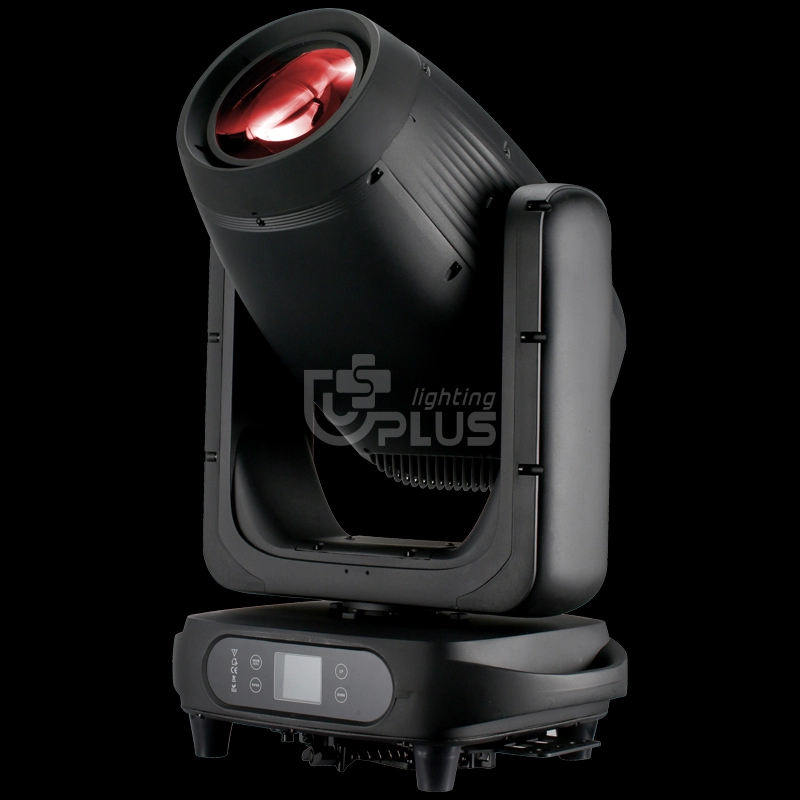
1000W Waterproof BSWF 4-in-1 Moving Head combines beam, spot, wash, and frame effects in one. IP-rated waterproof design, high-brightness output, precise control, ideal for outdoor & indoor stage events.
Stay updated on our latest news
If you have any comments or good suggestions, please leave us a message, later our professional staff will contact you as soon as possible.
Lighting Innovators
Uplus Lighting is a leading integrated company specializing in R&D, design, production, and sales of stage lighting solutions.
 Scan QR Code

Facebook
Instagram
YouTube
VK