






DMX Moving Head Lights: Types, Control, Specs & Buying Guide
- Quick Answer: What Should You Compare in a DMX Moving Head Light?
- 1. What Is a DMX Moving Head Light?
- 2. Beam, Spot, Wash or Hybrid?
- 3. Understand DMX Modes Before You Buy
- 4. Check Pan, Tilt and Positioning Quality
- 5. Evaluate Optics and Useful Output
- 6. Color, Gobos, Prism and Other Effects
- 7. Indoor and Outdoor DMX Moving Heads
- 8. Camera and Broadcast Considerations
- 9. Rigging, Power and Serviceability
- 10. Sample and Pre-Purchase Checks
- 11. Where Uplus Lighting Fits
- 12. DMX Moving Head Light RFQ Checklist
- FAQ
- What is a DMX moving head light?
- What is the difference between beam, spot and wash moving heads?
- How many DMX channels does a moving head need?
- Can DMX moving head lights be used outdoors?
- What should be tested before buying moving head lights in quantity?
- What should a DMX moving head RFQ include?
Quick Answer: What Should You Compare in a DMX Moving Head Light?
Compare a DMX moving head light by fixture role, optical performance, pan and tilt behavior, DMX modes, color and effect systems, environmental rating, camera requirements, rigging, serviceability and the way the fixture fits your console and venue. A long feature list does not automatically make one fixture better for every project.
1. What Is a DMX Moving Head Light?
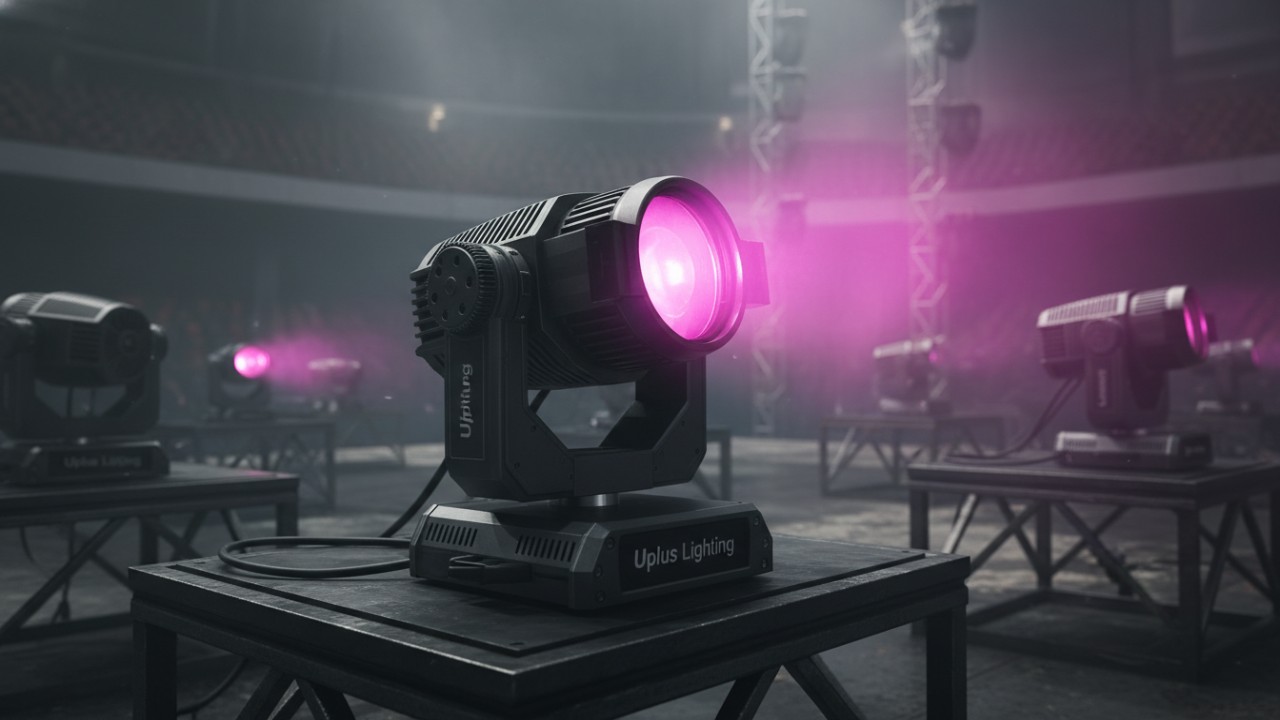
A DMX moving head light is a motorized stage-lighting fixture whose movement and lighting parameters can be controlled from a compatible DMX system. Depending on the model, controllable functions may include pan, tilt, dimming, color, zoom, focus, gobos, prism, frost and other effects.
The exact functions and channel assignments are model-specific, so buyers and programmers should use the fixture's own channel chart rather than assume all moving heads use the same DMX layout.
2. Beam, Spot, Wash or Hybrid?
| Type | Typical role | Buyer checks |
|---|---|---|
| Beam | Narrow aerial effects and concentrated long-throw looks | Beam angle, usable output, focus, prism and color |
| Spot | Defined projection, gobos and controlled accents | Focus, zoom, gobo system, color and framing where applicable |
| Wash | Broad color coverage for performers and scenic areas | Zoom, field uniformity, color mixing and dimming |
| Hybrid | Multiple roles where fixture count or rig space is limited | Mode transitions, optical compromises and programming complexity |
See the concert moving head selection guide for venue-focused comparison.
3. Understand DMX Modes Before You Buy
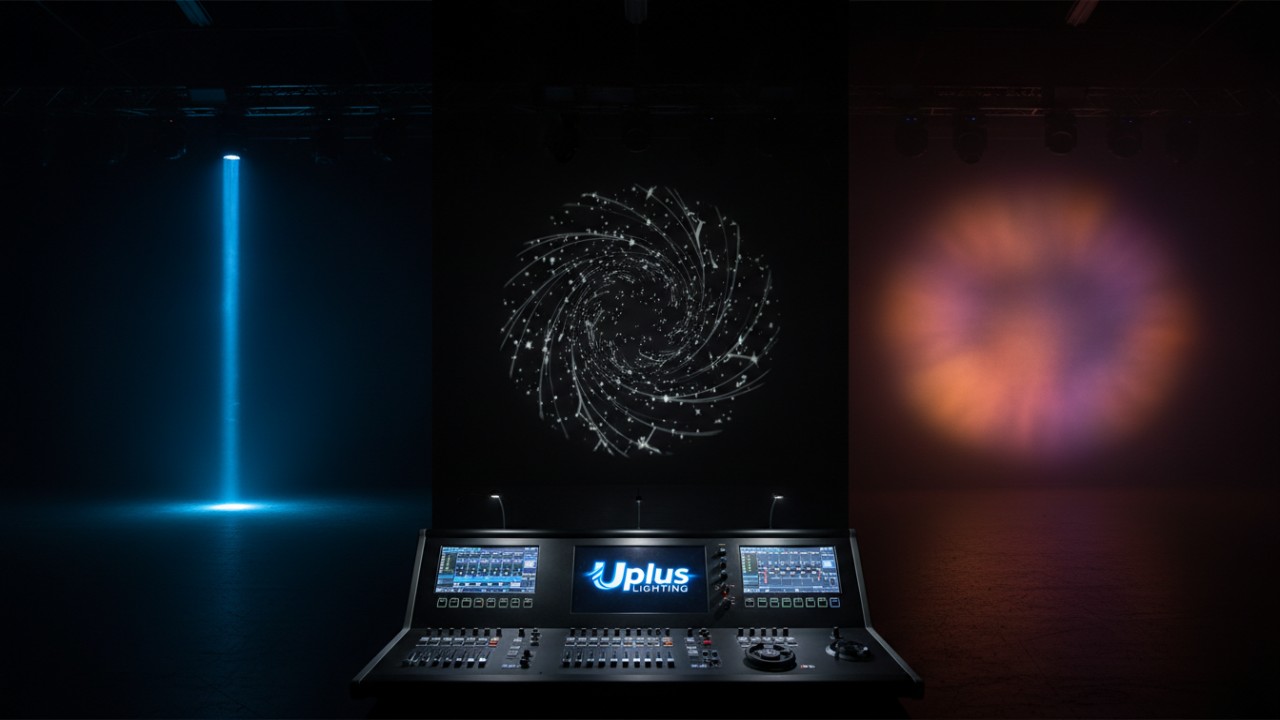
Moving heads often offer more than one DMX mode. A compact mode may expose only the main functions, while an extended mode can provide finer control over movement, color, effects and other parameters. The best mode is the one that gives the programmer the required control without consuming unnecessary system capacity.
Before purchasing a batch of fixtures, verify the channel chart, available modes, addressing method, fixture personality for the intended console, and any RDM or network features required by the project.
Use the Uplus DMX moving head setup guide for programming and troubleshooting topics.
4. Check Pan, Tilt and Positioning Quality
Fast movement is useful in high-energy shows, but smoothness and repeatability can matter just as much. Evaluate slow moves, position repeatability, reset behavior and operating noise. Theatre and broadcast applications may prioritize smooth, quiet movement, while concert and club applications may place more emphasis on speed and dynamic effects.
5. Evaluate Optics and Useful Output
Source wattage alone does not describe how a moving head will perform at the target distance. Review beam angle or zoom range, optical efficiency, focus quality and photometric information where available. Compare fixtures under similar conditions when the project depends on long throw or precise stage coverage.
6. Color, Gobos, Prism and Other Effects
Depending on the fixture category, color may be produced by color wheels, LED mixing systems or other architectures. Spot and beam models may add gobos, prism, frost or focus effects. Select the effect package according to the show design instead of treating the number of effects as a quality score.
7. Indoor and Outdoor DMX Moving Heads
Outdoor use requires the correct environmental protection for the installation. Verify the actual IP rating and operating guidance of the specific fixture. An IP-rated model can be appropriate for exposed stages or event environments, but the required level of protection depends on the project conditions and local safety requirements.
8. Camera and Broadcast Considerations
For television, streaming or camera-heavy productions, evaluate dimming behavior, flicker performance, color consistency and movement noise using the actual camera and control setup where practical. There is no single refresh-frequency claim that guarantees ideal results for every camera configuration.
9. Rigging, Power and Serviceability
Review fixture weight, yoke and handle design, clamps, safety attachment points, power and data connectors, road-case dimensions and service access. Rental and touring buyers should also consider how quickly commonly serviced parts can be accessed and how consistently a fixture can be prepared for repeated deployment.
10. Sample and Pre-Purchase Checks
- Confirm the fixture type and intended stage role
- Test pan, tilt, slow movement and repeatability
- Review beam, focus, zoom and useful output
- Check color, gobos, prism and other required effects
- Verify DMX modes and console compatibility
- Confirm environmental rating for the real use case
- Evaluate noise and camera behavior where relevant
- Inspect rigging, connectors, packaging and service access
11. Where Uplus Lighting Fits
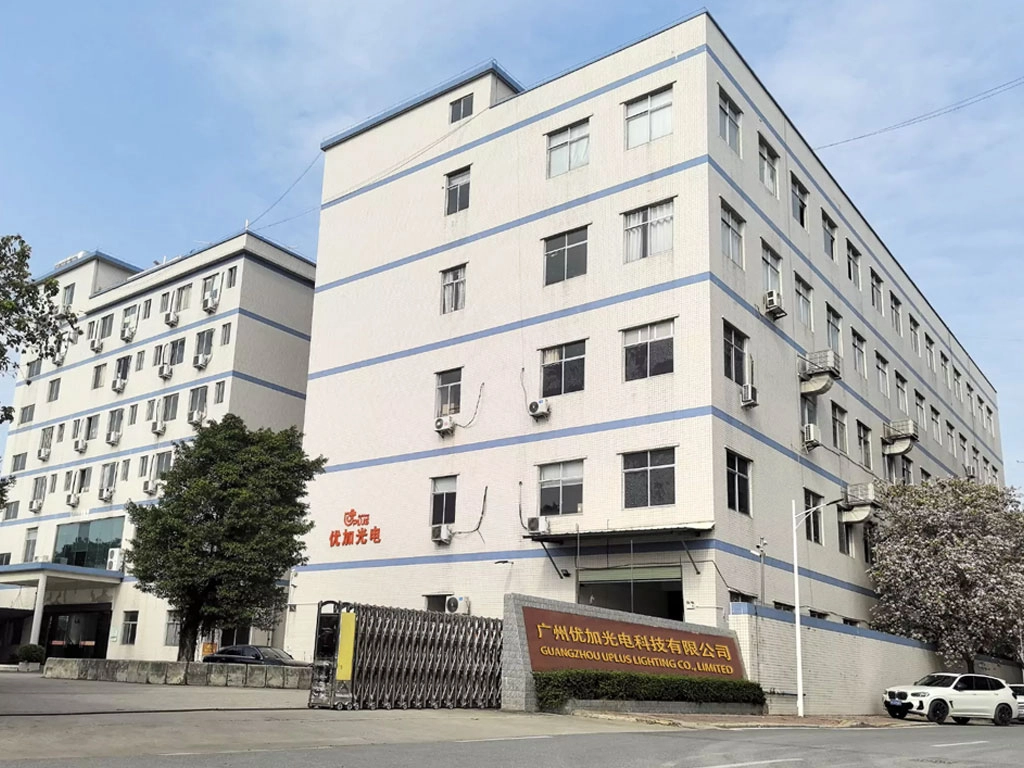
Uplus Lighting was established in 2012 in Guangzhou, China, and manufactures stage-lighting products including moving head lights, strobe lights, static lights, theatre lights, follow spot lights, stage effect lights and laser lights. The company also supports OEM orders and customized product development. Buyers should confirm the exact fixture specification, sample requirements and documentation needed for each project.
12. DMX Moving Head Light RFQ Checklist
- Venue type, stage size and throw distance
- Beam, spot, wash or hybrid requirement
- Quantity and rigging configuration
- DMX modes and control-system requirements
- Color, gobo, prism, zoom and focus requirements
- Indoor or outdoor environment
- Camera or broadcast requirements
- Branding, packaging and documentation needs
FAQ
What is a DMX moving head light?
It is a motorized stage-lighting fixture whose movement and lighting parameters can be controlled through a compatible DMX system.
What is the difference between beam, spot and wash moving heads?
Beam fixtures create narrow aerial effects, spot fixtures provide defined projection and effects, and wash fixtures provide broader color coverage. Hybrid fixtures combine several roles.
How many DMX channels does a moving head need?
There is no universal number. Channel count depends on the model and selected control mode, so use the fixture's own DMX chart.
Can DMX moving head lights be used outdoors?
Only when the selected model has environmental protection suitable for the intended conditions. Verify the exact IP rating and operating guidance.
What should be tested before buying moving head lights in quantity?
Test optics, movement, DMX modes, color and effects, noise, rigging, connectors, environmental suitability and any camera requirements relevant to the project.
What should a DMX moving head RFQ include?
Include venue, throw distance, fixture type, quantity, control requirements, optical and effect needs, environment, rigging, packaging and documentation requirements.
Discuss DMX moving head light requirements with Uplus Lighting
LED Moving Head vs. Strobe: Which Is Right for Your Event?
Top 10 bee eye moving head light Manufacturers and Supplier Brands
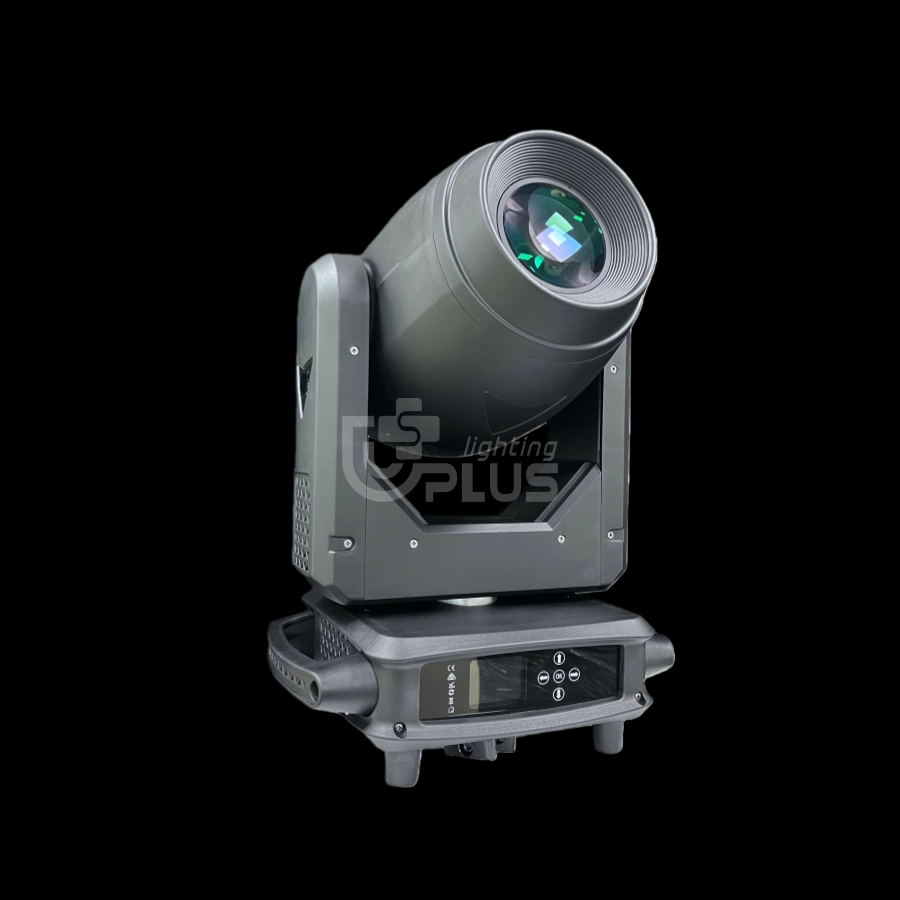
High Brightness 200W 3-in-1 LED BSW Moving Head — Stage Lighting Solution
DMX LED Pixel Bars: Pixel Mapping, Control & Buying Guide
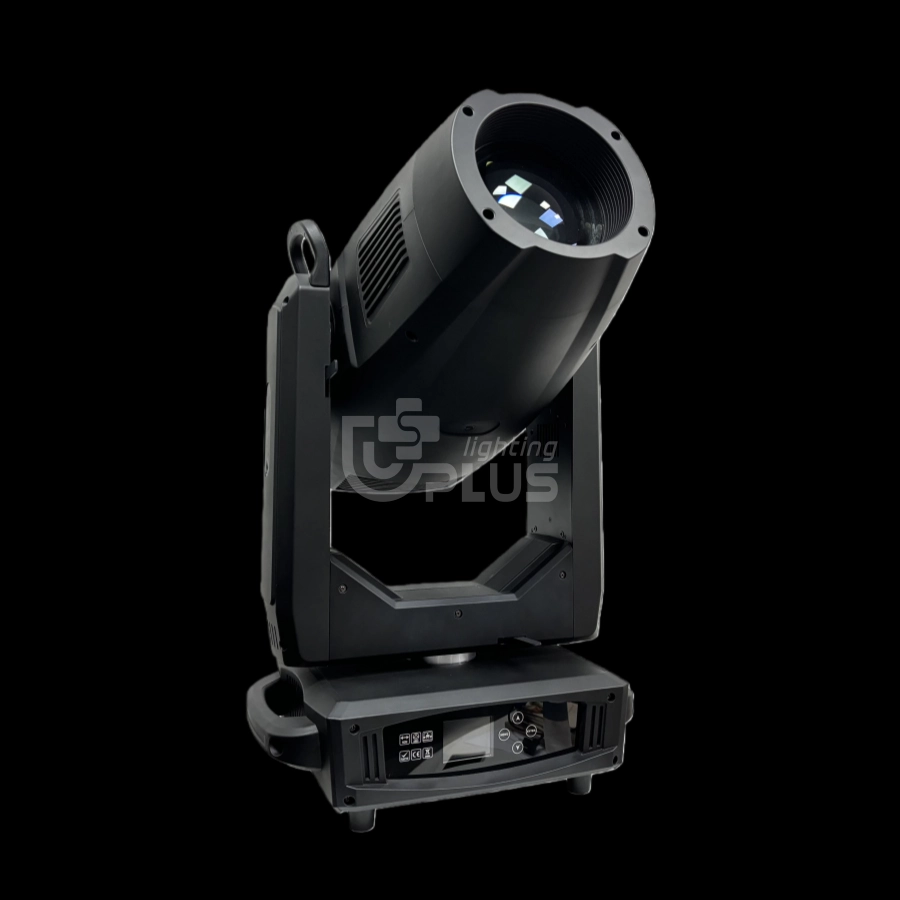
The 600W LED profile 4-in-1 moving head integrates four core lighting effects: imaging, beam, pattern, and wall washing. It delivers high-power output with rich light and precise light control, making it suitable for professional settings such as large theaters, concerts, and high-end shows.
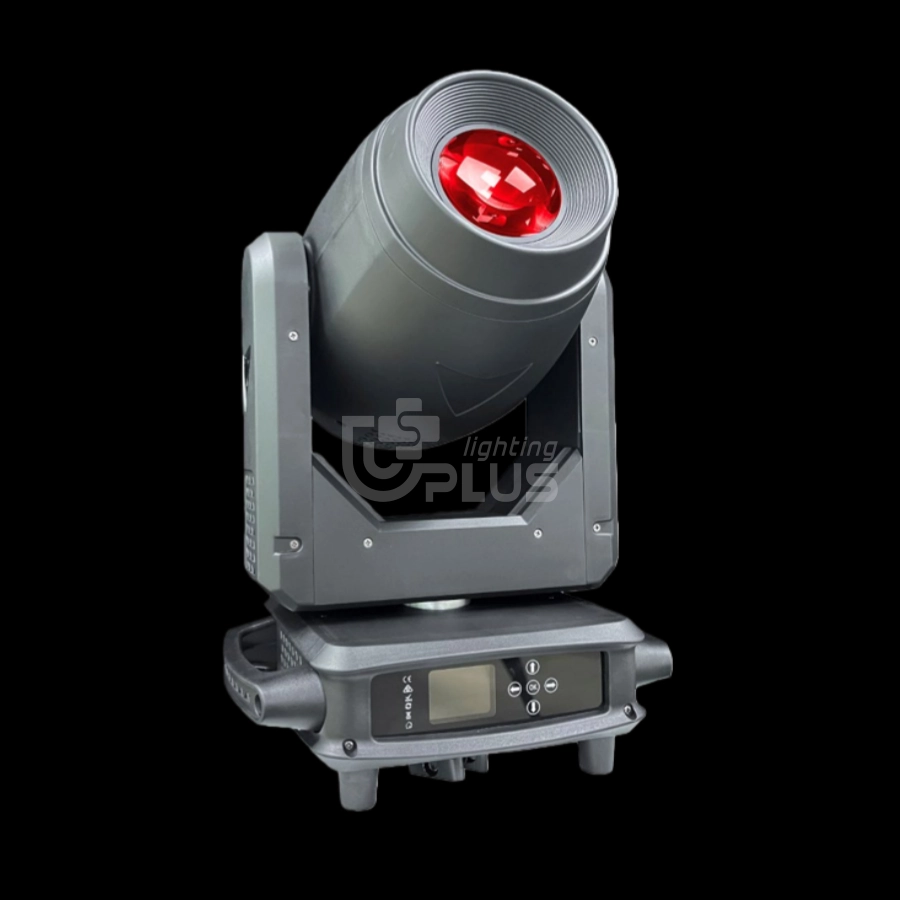
The 200W LED BSW 3-in-1 moving head integrates three lighting effects: beam, pattern, and wall washer. Its power is suitable for small and medium-sized scenes, and its light control is precise and flexible, making it suitable for creating light and shadow effects in bars, theaters, small and medium-sized performances, and other occasions.
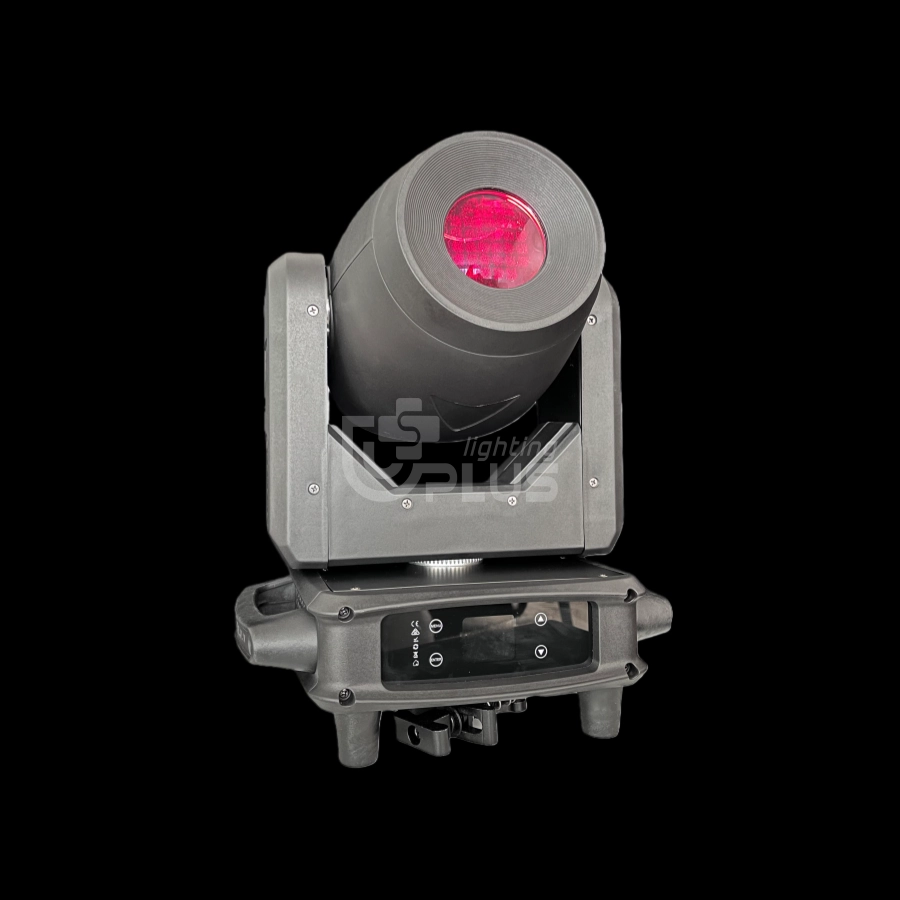
Equipped with high-definition pattern sheets, the light spots are clear and sharp, supporting pattern switching and precise positioning, and flexible light control, making it suitable for creating light and shadow effects in theater performances, wedding banquets, small stages and other scenarios.

1000W Waterproof BSWF 4-in-1 Moving Head combines beam, spot, wash, and frame effects in one. IP-rated waterproof design, high-brightness output, precise control, ideal for outdoor & indoor stage events.
If you have any comments or good suggestions, please leave us a message, later our professional staff will contact you as soon as possible.
Lighting Innovators
Uplus Lighting is a leading integrated company specializing in R&D, design, production, and sales of stage lighting solutions.
 Scan QR Code
Facebook
Instagram
YouTube
VK