






- Introduction
- What is a DMX moving head light and what is it used for?
- What is the difference between spot, wash, and beam moving head lights?
- How do you set up and position moving head lights?
- What equipment do you need to control a moving head light with DMX?
- Can DMX moving head lights be used outdoors?
- How many moving head lights do I need for an event?
- Why is my moving head light flickering or moving randomly?
- How do you properly clean and maintain a moving head light?
- Conclusion
- Call to Action
The Ultimate Guide to DMX Moving Head Lights: Spot, Wash, Beam, and Pro Setup Tips
Introduction
The world of live events and stage production has evolved significantly, but nothing captures an audience's attention quite like a dynamic light show. If you want to elevate your visual production, mastering the DMX moving head light is the undisputed next step for professionals.
These intelligent lighting fixtures offer unparalleled versatility, bringing energetic movement, vibrant colors, and sharp patterns to concerts, theater productions, and corporate events. Understanding how they work, especially within a modern DJ lighting setup, can transform a static stage into an immersive and unforgettable experience.
In this comprehensive guide, we will explore the different types of moving heads, essential setup techniques, troubleshooting tips, and how the DMX protocol brings these fixtures to life. Whether you are a touring lighting designer or a venue owner, this breakdown will help you make informed decisions for your next rig.
What is a DMX moving head light and what is it used for?
A DMX moving head light, sometimes referred to as a moving yoke light, is a highly advanced automated fixture that allows lighting designers to control its position, color, and beam shape remotely. Unlike traditional static lights that point in a single direction, moving heads feature mechanical yokes that provide rapid, precise panning (horizontal movement) and tilting (vertical movement).
The "DMX" in the name refers to the Digital Multiplex standard, specifically DMX512, which is the universal language used to communicate with intelligent lighting control systems. Originally intended as a standardized method for controlling stage lighting dimmers, the DMX512 protocol quickly became the primary method for linking controllers to special effects devices and intelligent lights.
These powerful stage lighting fixtures are used to create dynamic effects, highlight specific performers, or sweep light across an entire arena. You will find them heavily utilized in live concerts, nightclub installations, television studios, and theatrical performances where versatility is non-negotiable.
Key uses include:
- Spotlighting: Isolating a lead singer, solo artist, or keynote speaker.
- Atmospheric effects: Cutting through fog or haze with sharp beams, lasers, or geometric shapes.
- Color washing: Bathing the stage, audience, or dancefloor in rich, dynamic color palettes.
What is the difference between spot, wash, and beam moving head lights?
While they may look similar from the outside, moving head lights are categorized into three primary types based on their optical design: spot, wash, and beam. Understanding these differences is crucial for designing a balanced and effective light show.
Beam moving head lights produce an incredibly narrow, highly concentrated shaft of light. These fixtures are designed to cut through the air, creating a laser-like effect that is highly visible, especially when paired with fog or haze. They are the go-to choice for high-energy dance music events and large-scale arena shows where striking aerial effects are needed.
Spot moving head lights are the most versatile of the three categories. They project a sharp, defined circle of light and almost always include a wheel of gobos (stencils or patterns) to project shapes onto walls or the stage floor. Spots feature hard edges, allowing designers to use them for precise illumination of a subject or for projecting intricate textures across a surface.
Wash moving head lights provide a broad, soft-edged pool of light. Unlike spots or beams, they do not project sharp patterns; instead, their primary function is to cover large areas with vibrant colors. Wash fixtures are essential for front-lighting performers, coloring stage backdrops, and setting the overall mood of the environment without drawing attention to a specific focal point.
How do you set up and position moving head lights?
Setting up a moving head light requires careful planning, a solid understanding of stage geography, and rigorous attention to safety. Because these fixtures are often heavy and move rapidly, they must be securely mounted to prevent accidents and ensure optimal visual performance.
Mounting and Rigging: Moving heads can be placed on flat surfaces (like a stage floor or DJ booth totems) or hung from trussing using specialized clamps. When rigging overhead, it is mandatory to use heavy-duty O-clamps or C-clamps. Furthermore, a steel safety cable must always be looped through the fixture's base and around the truss to ensure that if the primary clamp fails, the fixture will not fall.
Positioning Strategy: The placement of your fixtures drastically affects the visual outcome. For a dynamic look, place wash lights downstage (front) to illuminate performers, while positioning beam and spot fixtures upstage (back) to shoot over the performers' heads into the audience. Symmetrical placement on the truss is usually preferred for a cohesive, balanced light show.
Power and Data Cabling: Always run your power and data cables neatly to avoid trip hazards and signal interference. Daisy-chain the DMX cables from the "Out" port of one fixture to the "In" port of the next. To prevent signal reflections and erratic behavior, always place a DMX terminator at the "Out" port of the final fixture in your control chain.
What equipment do you need to control a moving head light with DMX?
To fully utilize a DMX moving head light, you need a combination of hardware and software that can generate and transmit DMX signals. A standalone fixture will only run built-in automatic or sound-active programs unless it receives specific commands from an external controller.
The Lighting Console or Interface: The brain of the operation is the DMX controller. This can be a traditional hardware lighting desk with physical faders and buttons, or a software-based interface that connects a computer to the fixtures via a USB-to-DMX dongle. Software controllers have become incredibly popular in modern DJ lighting setups due to their flexibility, timeline-based programming, and automated sound synchronization.
DMX Cables: You will need specialized cables to transmit the control data. While they look identical to standard XLR microphone cables, proper DMX cables have a specific impedance (120 ohms) designed to handle high-speed digital data. Using standard microphone cables can lead to signal degradation, resulting in flickering lights or delayed responses.
Addressing and Profiles: Once physically connected, you must assign a specific "DMX starting address" to each moving head using its onboard menu. You will also need to ensure your controller has the correct fixture profile (or "personality" file) loaded so it knows exactly which DMX channels control the fixture's pan, tilt, color, and dimmer functions.
Can DMX moving head lights be used outdoors?
Yes, DMX moving head lights can be used outdoors, but only if they possess the correct environmental protection ratings or are enclosed in specialized protective housings. Standard indoor fixtures are highly vulnerable to moisture, dust, and extreme temperatures, which can quickly short-circuit the sensitive electronics.
When evaluating a fixture for outdoor use, you must verify its Ingress Protection (IP) rating. As defined by the International Electrotechnical Commission, an IP code classifies the degrees of protection provided against the intrusion of solid objects, dust, and water in electrical enclosures. For reliable outdoor performance in rain or high humidity, a fixture must have an IP65 rating or higher.
An IP65-rated moving head is completely dust-tight and protected against low-pressure water jets from any direction. These ruggedized units feature sealed electronics, waterproof DMX and power connectors, and specialized cooling systems that do not expose internal optical components to the harsh elements.
If you must use standard indoor-rated (IP20) moving heads outside, you will need to invest in weatherproof moving head domes or inflatable enclosures. These transparent bubbles protect the fixture from rain while allowing the beam to shine through, though they can be cumbersome to set up and may slightly reduce overall light output.
How many moving head lights do I need for an event?
The ideal number of moving head lights depends entirely on the scale of the event, the size of the venue, and the visual impact you wish to achieve. There is no one-size-fits-all answer, but there are standard industry guidelines to help you scale your lighting rig appropriately.
Small Events & DJ Gigs: For intimate weddings, private parties, or small club setups, a set of 2 to 4 moving heads is usually sufficient. Placing two spots on vertical totems alongside a DJ booth provides enough dynamic movement and gobo projection to elevate the dance floor without overwhelming the small space.
Medium-Sized Concerts & Corporate Events: For medium stages hosting live bands or corporate presentations, lighting designers typically utilize between 8 to 16 moving heads. A common configuration involves hanging 4 to 8 wash fixtures for main stage illumination, while interspersing 4 to 8 spots or beams on a rear truss for dramatic backlighting and structured aerial effects.
Large Arenas & Festivals: Festival stages and arena tours require massive scale to visually reach the back of the crowd. These rigs easily feature 50 to over 200 moving heads. At this level, designers group identical fixtures in massive banks or geometric arrays to create sweeping, synchronized "looks" that command the massive airspace.
Why is my moving head light flickering or moving randomly?
One of the most common and frustrating issues with DMX lighting is erratic behavior, such as a fixture randomly panning, colors flickering, or the strobe effect triggering without command. This is rarely a sign of a physically broken fixture; rather, it is almost always a data signal issue.
Missing DMX Terminator: The most frequent culprit is the absence of a DMX terminator at the end of the daisy chain. DMX signals travel at high speeds, and when they reach the end of an unterminated cable line, the signal can bounce back, causing data collisions that confuse the fixtures. A 120-ohm terminator placed in the final fixture absorbs this excess signal.
Faulty or Incorrect Cabling: As mentioned earlier, using standard XLR audio cables instead of true 120-ohm DMX cables can cause signal drops and jitter, especially on longer cable runs. Additionally, a single faulty DMX cable with a loose internal solder joint anywhere in the daisy chain can corrupt the data for every fixture positioned after it.
Address Overlaps or Fixture Limitations: Ensure that your DMX starting addresses do not overlap. If Fixture A uses 16 channels starting at address 1, Fixture B must start at address 17 or higher. Finally, if you have pushed beyond the 32-fixture limit of a standard DMX daisy chain without using an optically isolated DMX splitter, the weakened signal will cause random glitches across the board.
How do you properly clean and maintain a moving head light?
Intelligent lighting control fixtures are significant investments, containing delicate optics, sensitive electronics, and high-speed motors. Regular maintenance is vital to ensure longevity, maximum brightness, and smooth mechanical operation.
Cleaning the Optics: The lenses and internal glass components (like gobos and color wheels) accumulate dust and residue from atmospheric haze machines over time. This drastically reduces light output. Clean lenses gently using a microfiber cloth and a mild, non-abrasive optical cleaner. Never spray cleaner directly onto the fixture; spray the cloth first to prevent fluid from seeping into the electronics.
Clearing the Cooling System: Moving heads generate immense heat, which is managed by internal fans and heat sinks. If these get clogged with dust, the fixture can overheat and automatically shut down, or the internal components will be severely damaged. Use compressed air to carefully blow out dust from the intake vents, cooling fans, and internal heat sinks every few months.
Mechanical Inspection: Periodically check the physical hardware. Ensure that the pan and tilt belts are not fraying and possess appropriate tension. Check all external screws and the rigging clamps to guarantee they are tight. If the fixture is acting sluggish or grinding, specialized maintenance by a certified technician may be required to lubricate the internal stepper motors.
Conclusion
Mastering the DMX moving head light opens up a world of creative possibilities for lighting designers, event producers, and DJs alike. By understanding the distinct roles of spot, wash, and beam fixtures, you can design a balanced rig that provides both atmospheric mood and high-energy impact.
While the internal mechanics and the DMX512 protocol might seem intimidating at first, following proper setup protocols such as correct addressing, utilizing true DMX cables, and implementing proper rigging safety will guarantee a smooth and spectacular performance.
Whether you are building a small mobile rig or designing an outdoor festival stage with IP65-rated fixtures, proper maintenance and signal management will protect your investment. With the right knowledge and equipment, your lighting production can become an unforgettable part of the live event experience.
Call to Action
Contact us today to schedule a consultation and discover how our expert team can elevate your next event with a spectacular moving head light setup.


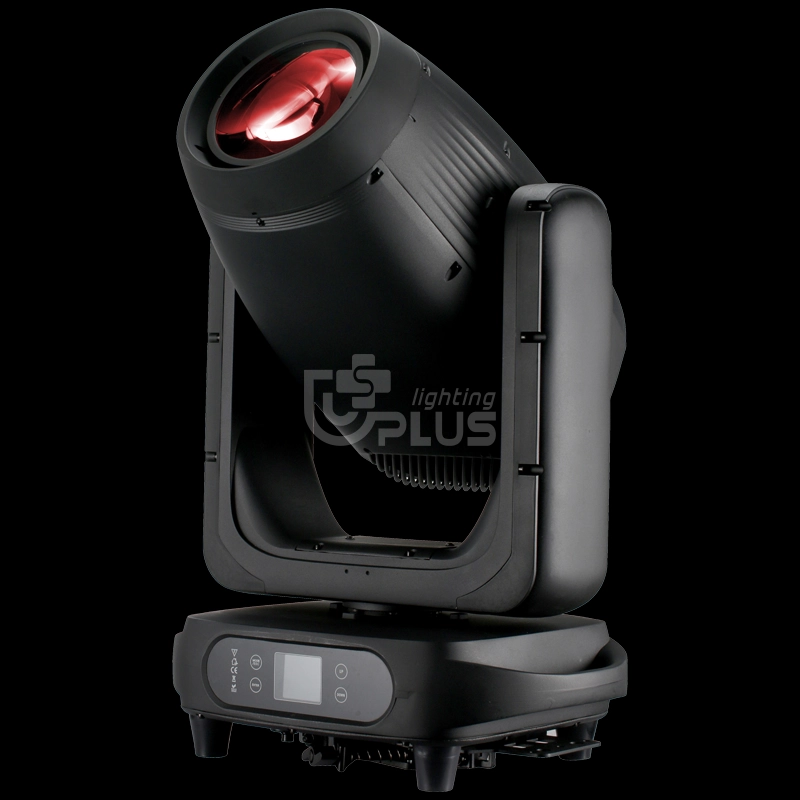
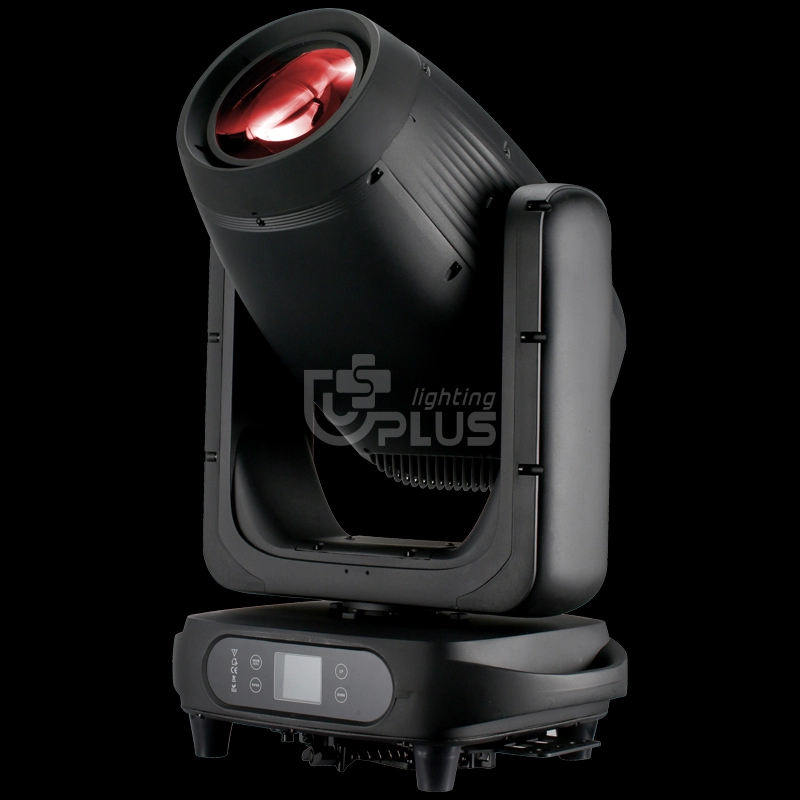
1000W Waterproof BSWF 4-in-1 Moving Head combines beam, spot, wash, and frame effects in one. IP-rated waterproof design, high-brightness output, precise control, ideal for outdoor & indoor stage events.
Stay updated on our latest news
If you have any comments or good suggestions, please leave us a message, later our professional staff will contact you as soon as possible.
Lighting Innovators
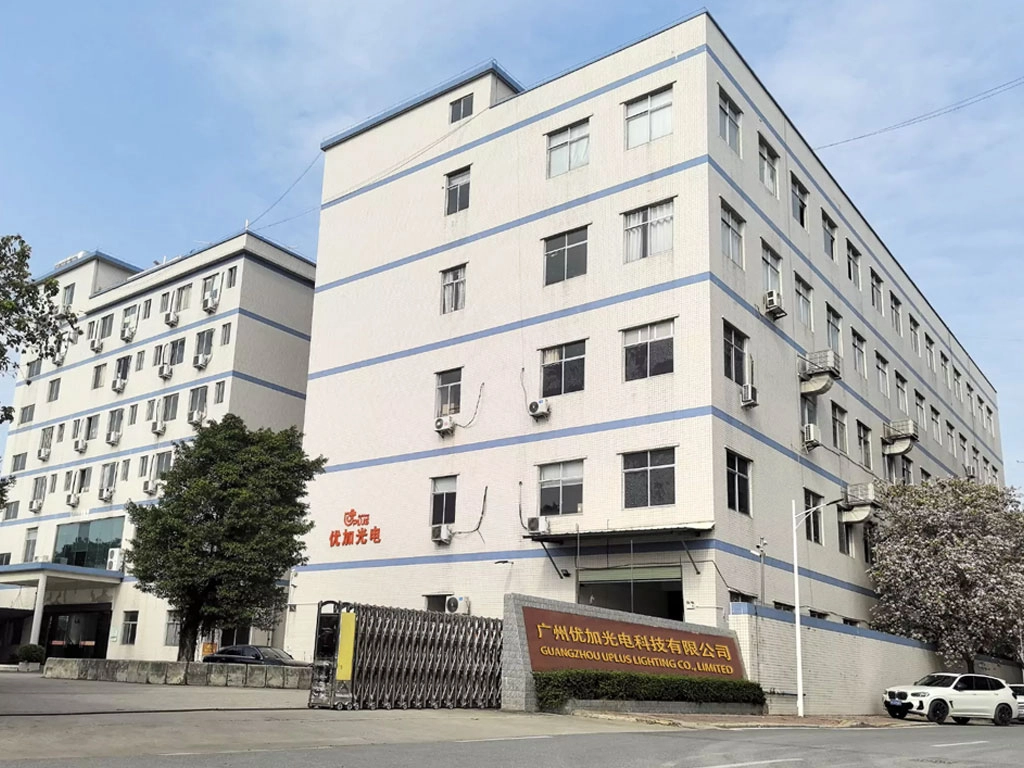
Uplus Lighting is a leading integrated company specializing in R&D, design, production, and sales of stage lighting solutions.
 Scan QR Code
Facebook
Instagram
YouTube
VK