






Moving Head Lights for Concerts: Beam, Spot, Wash & Hybrid Buying Guide
- Quick Answer: Which Moving Head Lights Are Best for Concerts?
- 1. Beam, Spot, Wash and Hybrid: What Changes?
- 2. Match the Fixture to Throw Distance and Venue Scale
- 3. Output, Optics and Color Quality
- 4. Movement and Positioning
- 5. DMX and Network Control
- 6. Touring Durability and Rigging
- 7. Concert Lighting Procurement Checklist
- 8. Where Uplus Lighting Fits
- FAQ
- What type of moving head light is best for concerts?
- Are beam moving heads good for large venues?
- What should I check before buying moving head lights?
- Do more DMX channels mean a better moving head?
- Should touring fixtures be selected differently from fixed-installation fixtures?
- What should a moving head light RFQ include?
Quick Answer: Which Moving Head Lights Are Best for Concerts?
There is no single moving head light that is best for every concert. Beam fixtures are suited to narrow aerial effects, spot fixtures are useful when defined projection and gobos matter, wash fixtures provide broader color coverage, and hybrid fixtures combine multiple functions in one housing. The right choice depends on venue size, throw distance, stage design, rigging, control system, touring requirements and budget.
1. Beam, Spot, Wash and Hybrid: What Changes?
| Fixture type | Typical concert role | Key buyer checks |
|---|---|---|
| Beam | Tight aerial shafts and punchy long-throw looks | Beam angle, output, focus, color, prism and haze interaction |
| Spot | Defined projection, gobos and controlled stage accents | Zoom, focus, gobo system, framing where applicable and color control |
| Wash | Broad color coverage for performers and scenic areas | Zoom range, color mixing, field uniformity and output consistency |
| Hybrid | Multi-role use where rig space or fixture count is limited | Mode transitions, optical compromises, zoom and total control complexity |
2. Match the Fixture to Throw Distance and Venue Scale
Concert lighting should be selected for the actual trim height, throw distance and viewing scale. A narrow beam that looks impressive in a large arena may be too concentrated for a small stage, while a broad wash may lose definition at long distances. Photometric data, beam angle and zoom range should be reviewed together instead of judging a fixture by wattage alone.
3. Output, Optics and Color Quality
Useful concert output depends on the light source, optical efficiency, beam angle and projection distance. Buyers should also review color mixing or color wheels, dimming behavior, strobe performance, focus quality and the consistency between fixtures in the same rig. If the show depends on cameras, color rendering and flicker behavior should be evaluated for the actual production environment.
4. Movement and Positioning
Pan and tilt speed matter in dynamic shows, but speed is not the only factor. Smooth movement, repeatable positioning, reset behavior and noise can also affect performance. For theatre-style concert segments or broadcast applications, precise slow movement may be just as important as fast aerial effects.
5. DMX and Network Control
Check the fixture's DMX channel modes, addressing workflow, RDM or network support where required, fixture personality and console compatibility. Large concert rigs benefit from clear channel documentation and consistent fixture libraries. More channels do not automatically mean a better fixture; the control mode should match the programming needs of the show.
6. Touring Durability and Rigging
For rental and touring applications, buyers should evaluate weight, handles, yoke construction, clamps, safety attachment points, power and data connectors, road-case fit, cooling design and service access. Outdoor use requires the correct environmental rating and operating guidance for the actual fixture.
7. Concert Lighting Procurement Checklist
- Venue size, trim height and throw distance
- Beam, spot, wash or hybrid role
- Required zoom, focus, gobos, prism and color features
- DMX, RDM or network-control requirements
- Indoor or outdoor operating environment
- Rigging weight and power distribution
- Touring, rental or fixed-installation service needs
- Sample, demonstration and documentation requirements
8. Where Uplus Lighting Fits
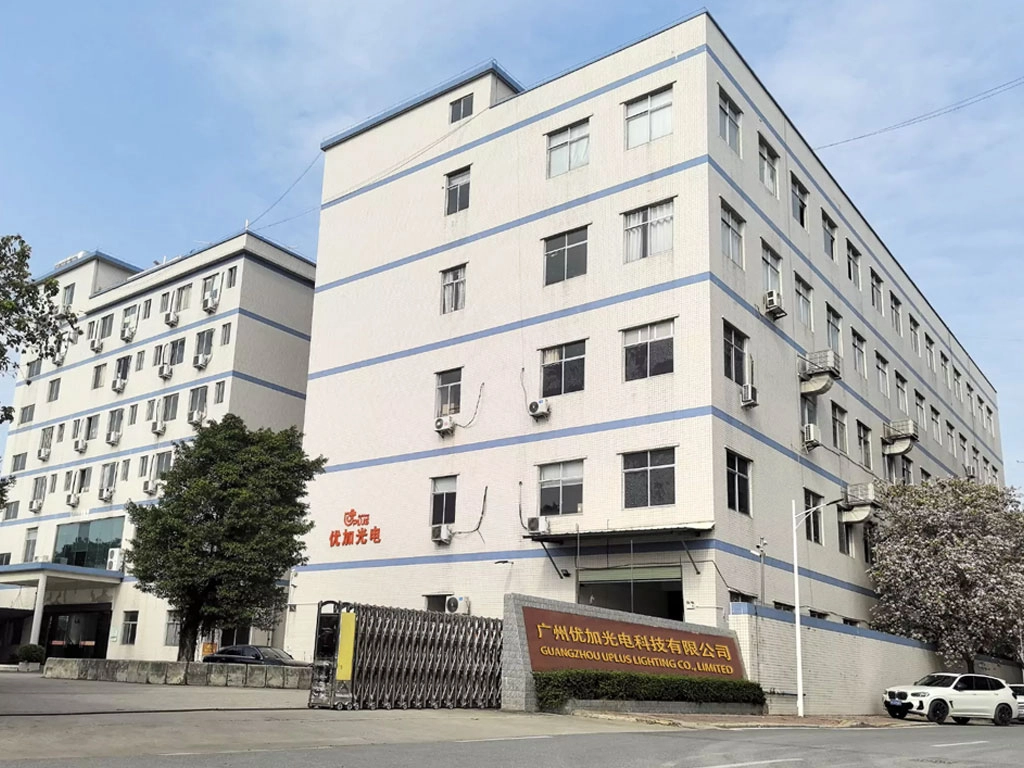
Uplus Lighting was established in 2012 in Guangzhou, China, and manufactures stage-lighting products including moving head lights, strobe lights, static lights, theatre lights, follow spot lights, stage effect lights and laser lights. The company also supports OEM orders and customized product development. Project suitability should be confirmed against the actual venue, control system and performance requirements.
FAQ
What type of moving head light is best for concerts?
It depends on the role. Beam fixtures suit narrow aerial effects, spot fixtures suit projection and gobos, wash fixtures provide broad color coverage, and hybrids combine multiple functions.
Are beam moving heads good for large venues?
They can be effective for long-throw aerial looks, but beam angle, output, haze, trim height and viewing distance should be evaluated together.
What should I check before buying moving head lights?
Review venue size, fixture role, optics, color, movement, control protocol, rigging, environment, serviceability and project documentation.
Do more DMX channels mean a better moving head?
No. Channel count reflects available control parameters and modes, but the best mode is the one that matches the programming requirements of the show.
Should touring fixtures be selected differently from fixed-installation fixtures?
Yes. Touring projects often place more emphasis on weight, road-case fit, connectors, service access, rigging and repeated setup conditions.
What should a moving head light RFQ include?
Include venue, throw distance, fixture role, control requirements, quantity, environment, rigging, power, destination and any customization or documentation needs.
Discuss concert moving head light requirements with Uplus Lighting
LED Moving Beam Light Buying Guide: Features to Compare
Energy Efficiency and Heat Management in LED Stage Light Bars
Energy Efficient Beam Spot Moving Head Options for Venues
Stage Lighting Setup: Integrating Moving Head Lights with DMX

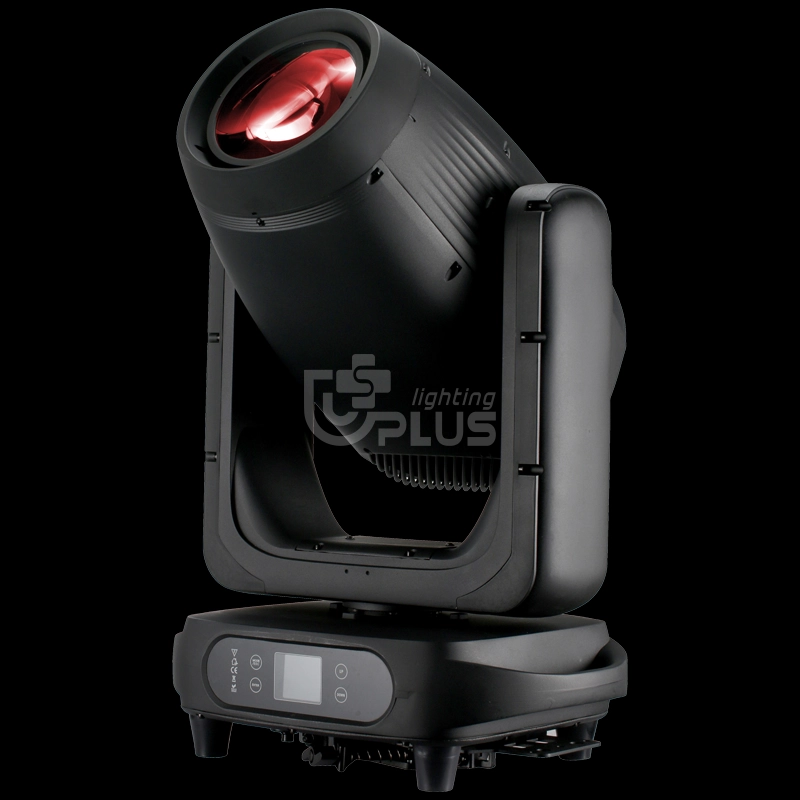
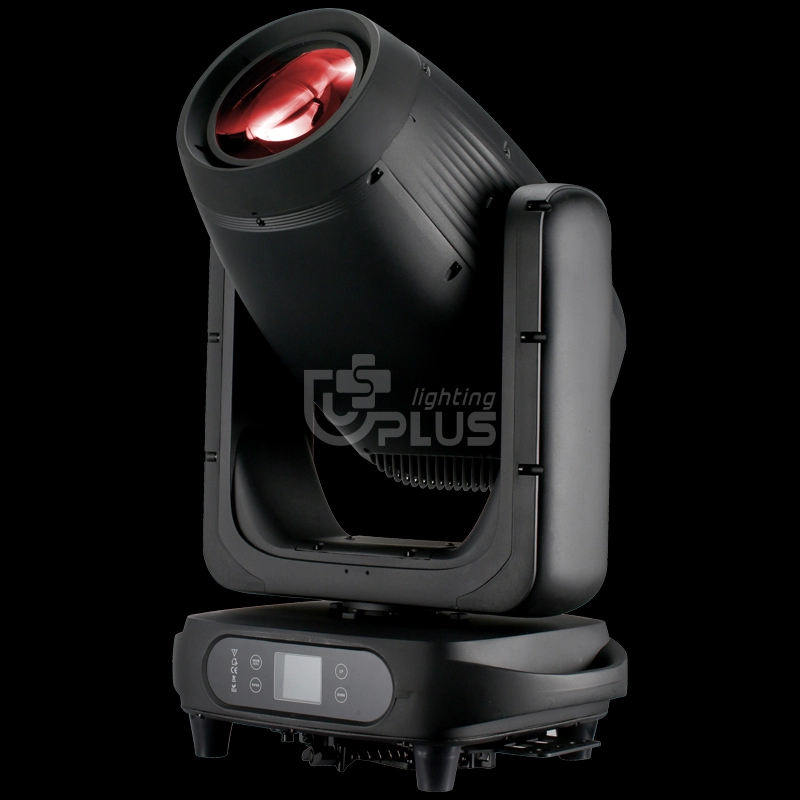
1000W Waterproof BSWF 4-in-1 Moving Head combines beam, spot, wash, and frame effects in one. IP-rated waterproof design, high-brightness output, precise control, ideal for outdoor & indoor stage events.
If you have any comments or good suggestions, please leave us a message, later our professional staff will contact you as soon as possible.
Lighting Innovators
Uplus Lighting is a leading integrated company specializing in R&D, design, production, and sales of stage lighting solutions.
 Scan QR Code
Facebook
Instagram
YouTube
VK