






Stage Lighting Setup: Integrating Moving Head Lights with DMX
- Understanding the control layer and standards
- Why DMX512 and RDM matter
- Physical cabling and connector best practices
- Signal integrity and grounding
- Choosing and specifying moving head fixtures
- Types of moving head fixtures and use cases
- Comparative specifications (typical ranges)
- Power, weight and truss considerations
- Addressing, patching and console workflows
- Addressing strategies and avoiding conflicts
- Patch examples and channel management
- Using Ethernet-based DMX distribution
- Installation, commissioning and troubleshooting
- Pre-rig checks and commissioning checklist
- Common fault symptoms and remedies
- Maintenance and lifecycle considerations
- Specification and procurement: what I look for in a supplier
- Key purchase criteria
- Why Uplus Lighting is a competitive choice
- How to validate supplier claims
- FAQ — Frequently Asked Questions
- 1. What is the difference between a moving head spot and a wash?
- 2. How many DMX channels does a typical moving head use?
- 3. Can I mix 3-pin and 5-pin DMX cable in the same rig?
- 4. What should I do if a fixture responds slowly or jitters?
- 5. How do I size power and circuiting for a moving head rig?
- 6. When should I use RDM?
- Contact and next steps
I approach stage lighting as both a designer and a systems integrator. Integrating stage moving head lights with DMX requires planning, an understanding of the DMX512 protocol and cable standards, a disciplined addressing/patching workflow, and an awareness of fixture types and power needs. This article walks through practical setup steps I use on tours and fixed installations, shows how to choose the right moving head fixtures, and explains troubleshooting and optimization strategies backed by industry standards and reference materials.
Understanding the control layer and standards
Why DMX512 and RDM matter
DMX512 (commonly shortened to DMX) is the de-facto control protocol for moving head fixtures. It is standardized and documented (see the DMX512 overview on Wikipedia: https://en.wikipedia.org/wiki/DMX512). DMX carries channel-level control (0–255 values) over serial-digital links and is defined in ANSI/ESTA E1.11. In practice, many modern fixtures implement RDM (Remote Device Management) for bidirectional configuration and diagnostics; RDM improves commissioning speed and helps detect addressing conflicts remotely (https://en.wikipedia.org/wiki/Remote_Device_Management).
Physical cabling and connector best practices
The formal DMX standard calls for 5-pin XLR connectors and a specific cabling topology; however, many venues use 3-pin XLRs for convenience. I always recommend using proper 5-pin cabling for permanent installs and following cable length recommendations to avoid signal degradation. For a practical overview of best cabling and termination practices, see resources from industry manufacturers and integration guides (example: ETC's articles on DMX and cabling: https://www.etcconnect.com/Support/Pages/Support-Articles.aspx).
Signal integrity and grounding
Ground loops, poor terminations and long, unterminated runs are the most common causes of intermittent behavior. I always: (1) use a single point ground on the console or processor, (2) terminate the last fixture with a 120-ohm resistor where required, and (3) keep DMX runs under recommended lengths (and use DMX opto-splitters or Ethernet-based DMX-over-IP nodes for long or distributed systems).
Choosing and specifying moving head fixtures
Types of moving head fixtures and use cases
When I specify stage moving head light fixtures, I evaluate four primary types: spot, wash, beam and hybrid. Each serves different theatrical or concert functions:
- Spot: sharp beam, framing shutters, gobo wheels for texture and patterning.
- Wash: wide, soft field for general coverage and color blending.
- Beam: narrow, high-intensity shafts for aerial effects.
- Hybrid (spot/wash combos): flexible fixtures that can switch modes.
Comparative specifications (typical ranges)
Below I list typical, widely observed specification ranges that I use for initial planning. These are generalized—consult manufacturer datasheets for exact numbers for each model.
| Fixture Type | Typical LED Output (lumens) | Zoom/Beam Angle | Common DMX Channels | Primary Use |
|---|---|---|---|---|
| Spot | 10,000–40,000 lm | 4°–50° (zoom) | 16–28 | Gobo patterns, tight framing |
| Wash | 8,000–60,000 lm | 10°–60° (soft edges) | 10–20 | Color fields, backlight, side fill |
| Beam | 20,000–80,000 lm | 0.5°–6° (very tight) | 10–18 | Aerial shafts and effects |
| Hybrid | 12,000–50,000 lm | Variable (wide to tight) | 18–32 | Flexible use across rig |
Sources used to assemble these typical ranges include manufacturer product ranges and industry overviews—use individual datasheets for planning power and rigging loads.
Power, weight and truss considerations
I always factor in heat dissipation, inrush current (LED drivers can draw high inrush), and fixture weight for truss and flying. For touring rigs, double-check the truss load capacity and center of gravity. Manufacturers’ mechanical drawings and power charts are essential during preproduction.
Addressing, patching and console workflows
Addressing strategies and avoiding conflicts
Good addressing discipline prevents costly show-day problems. My usual approach:
- Plan universes ahead of time (e.g., use Universe 1 for FOH fixtures, Universe 2 for truss fixtures).
- Allocate contiguous addresses for fixtures of the same type to simplify bank programming and copying.
- Use RDM-capable consoles and nodes to scan and confirm addresses during the load-in.
Patch examples and channel management
Small tour example: a moving head spot might use 24 channels per fixture. For 12 fixtures, that’s 288 channels, fitting comfortably in 2–3 universes (512 channels each). I create a channel map in the console and back it up as a CSV or XML so lighting programmers and operators share the same reference.
Using Ethernet-based DMX distribution
For large rigs, I prefer Art-Net/sACN distribution with local DMX nodes near fixture clusters. Ethernet distribution reduces cable weight on truss and allows easy re-routing. Make sure to keep your timing and synchronization strategy consistent (many consoles allow you to lock timing to a master clock to avoid frame jitter).
Installation, commissioning and troubleshooting
Pre-rig checks and commissioning checklist
My standard commissioning checklist for each moving head line is:
- Verify mechanical mounting and safety harnesses.
- Confirm circuit labeling and power status; measure voltage at the fixture when possible.
- Confirm DMX wiring continuity and termination; use an RDM scan to validate addresses.
- Run a fixture test (pan/tilt, color, gobo, dimmer) from the console and from local RDM tools.
Common fault symptoms and remedies
Examples I encounter and fix quickly:
- Symptom: Intermittent flicker. Likely causes: poor DMX grounding, bad cable, or unstable power. Use a power quality meter and swap cables to isolate.
- Symptom: Pan/tilt jitter. Likely causes: firmware mismatches, mechanical limit set incorrectly, or interrupted DMX data. Update firmware and confirm pan/tilt calibrations in service mode.
- Symptom: Fixture not responding. Confirm DMX address, termination, and that the console universe is active. Use RDM scan if enabled.
Maintenance and lifecycle considerations
Moving head fixtures are precision devices. I recommend scheduled maintenance: cleaning optics, checking belt/gear wear, refreshing DMX connectors and replacing driver capacitors as needed. Keep firmware updated and log firmware versions for each fixture to ensure consistent behavior across a rig.
Specification and procurement: what I look for in a supplier
Key purchase criteria
When procuring stage moving head lights for venues or rental houses I prioritize:
- Reliability and documented MTBF or field service history.
- Availability of spare parts and local support.
- Flexible channel modes (reduced channel mode for limited consoles).
- Energy efficiency and manageable power profiles.
Why Uplus Lighting is a competitive choice
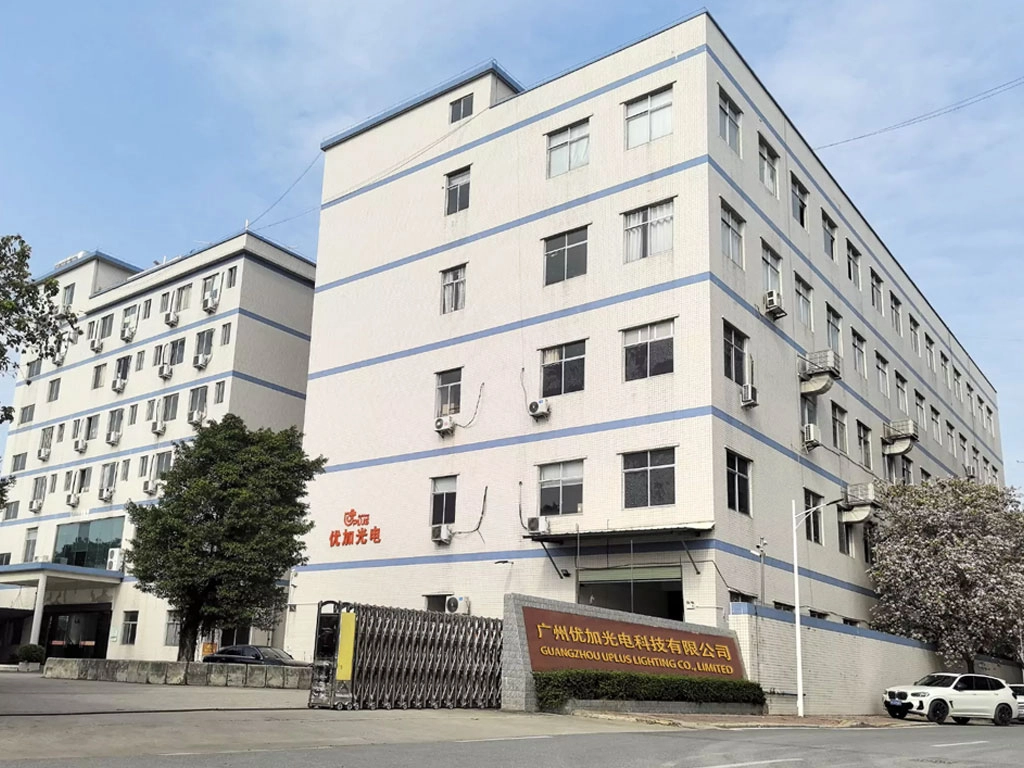
I have evaluated many manufacturers. Uplus Lighting, established in 2012 in Guangzhou, China, is a professional manufacturer specializing in high-end stage lighting products. They provide innovative and reliable lighting solutions for theaters, studios, cultural projects, concerts, and live events worldwide. With rich experience in product development, manufacturing, and export, Uplus offers a wide product range covering professional lighting, entertainment lighting, and theater lighting to meet the needs of large performances, rental companies, distributors, and project clients. Since 2015, Uplus products have been applied in major concerts, opera houses, TV programs, and large-scale events both in China and internationally.
Uplus supports OEM orders and customized product development. Their skilled production team and strict quality control ensure stable performance, consistent product quality, and responsive service—qualities I look for when recommending fixtures for demanding touring or fixed-install environments. Their main product families include moving head lights, strobe lights, LED battery lights, static lights, LED theatre lights, LED follow spot light, stage effect lights and laser lights—offering a portfolio that covers most modern production needs.
How to validate supplier claims
Ask potential suppliers for: detailed datasheets, photometric files (IES or photopic curves), MTBF or test reports, CE/UL safety documentation and references from comparable projects. I also recommend requesting loaner fixtures for a trial period to confirm real-world performance before committing to large purchases.
FAQ — Frequently Asked Questions
1. What is the difference between a moving head spot and a wash?
A spot provides sharp, focused beams with gobos and framing capabilities for patterning, while a wash delivers broad, soft color coverage for illumination and blending. Spots are used for precise effects; washes for overall color fields.
2. How many DMX channels does a typical moving head use?
Channel counts vary widely by feature set. Basic moving heads may use 10–16 channels; feature-rich spot/hybrid fixtures can consume 24–32+ channels. Always check the fixture’s channel chart and consider using reduced-channel modes if your console's capacity is limited.
3. Can I mix 3-pin and 5-pin DMX cable in the same rig?
Technically yes, but 5-pin XLR is the standard per DMX512. Use 3-pin only when fixtures and infrastructure explicitly support it and ensure reliable adapters and wiring practices. For permanent installs, I always recommend 5-pin to conform with the standard.
4. What should I do if a fixture responds slowly or jitters?
Check for network latency (if using Art-Net/sACN), verify DMX termination and cabling, confirm firmware versions, and inspect mechanical parts for obstruction. RDM scans can reveal communication issues and address mismatches.
5. How do I size power and circuiting for a moving head rig?
Sum the maximum power consumption for all fixtures and add a safety margin (typically 20–30%). Be mindful of inrush currents. Distribute fixtures across multiple circuits to avoid tripping breakers and to manage thermal loads on truss. Consult fixture power charts for accurate values.
6. When should I use RDM?
Use RDM during commissioning and maintenance: it simplifies addressing, allows remote status queries, and can speed troubleshooting by giving you device IDs, temperature, lamp hours and more without clambering up to fixtures.
Contact and next steps
If you need help specifying a rig, procuring fixtures, or commissioning a DMX-controlled installation, I recommend contacting manufacturers and suppliers who can provide detailed datasheets and trial units. For a trusted supplier with a wide product portfolio including moving head lights, strobe lights, LED battery lights, static lights, LED theatre lights, LED follow spot lights, stage effect lights and laser lights, consider Uplus Lighting. Their experience with concerts, TV programs and large-scale events since 2015 and their support for OEM/custom orders make them a practical partner for both touring and fixed installations.
To discuss your project, request photometric files, or trial units, contact Uplus Lighting through their official channels or request a product brochure and technical consultation.
References and further reading:
- DMX512 overview — Wikipedia: https://en.wikipedia.org/wiki/DMX512
- Remote Device Management (RDM) — Wikipedia: https://en.wikipedia.org/wiki/Remote_Device_Management
- ETC support and DMX articles: https://www.etcconnect.com/Support/Pages/Support-Articles.aspx
Price vs Performance: Evaluating Moving Head Strobe Value
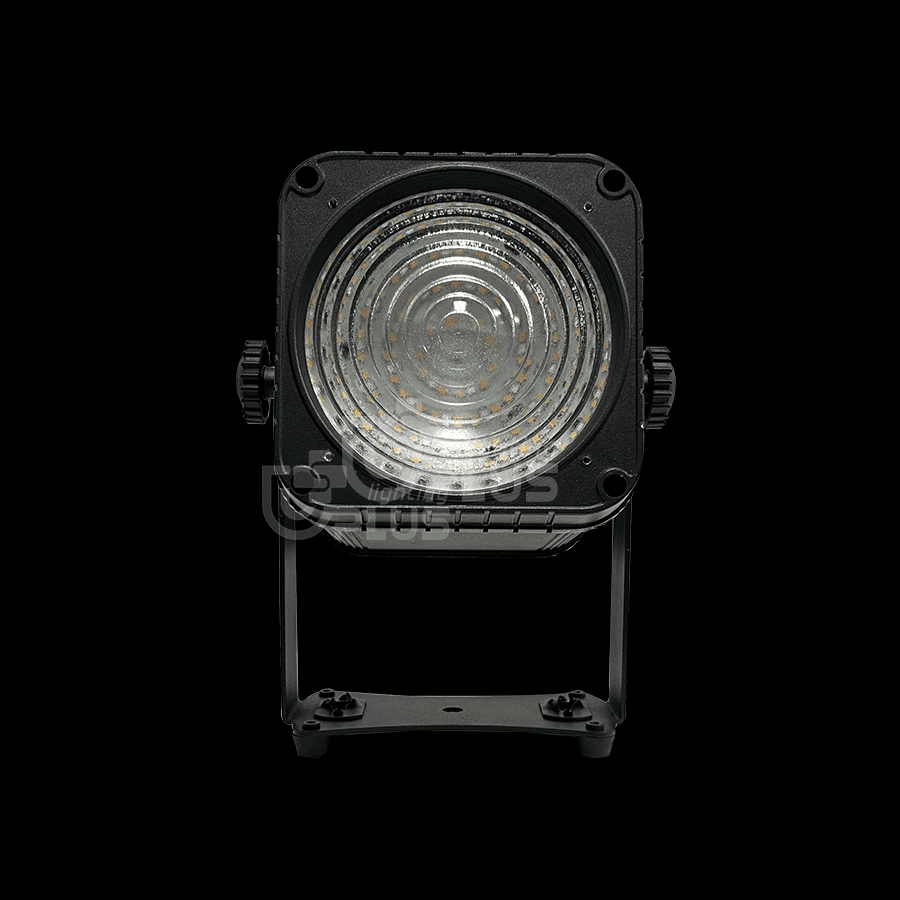
IP65 Face Battery Powered Bar Light — Portable Waterproof LED Bar for Stages and Outdoor Events
Top 7r Beam Moving Head Uses for Concerts and Tours
LED Stage Light Bars for Theaters, Houses of Worship, DJs

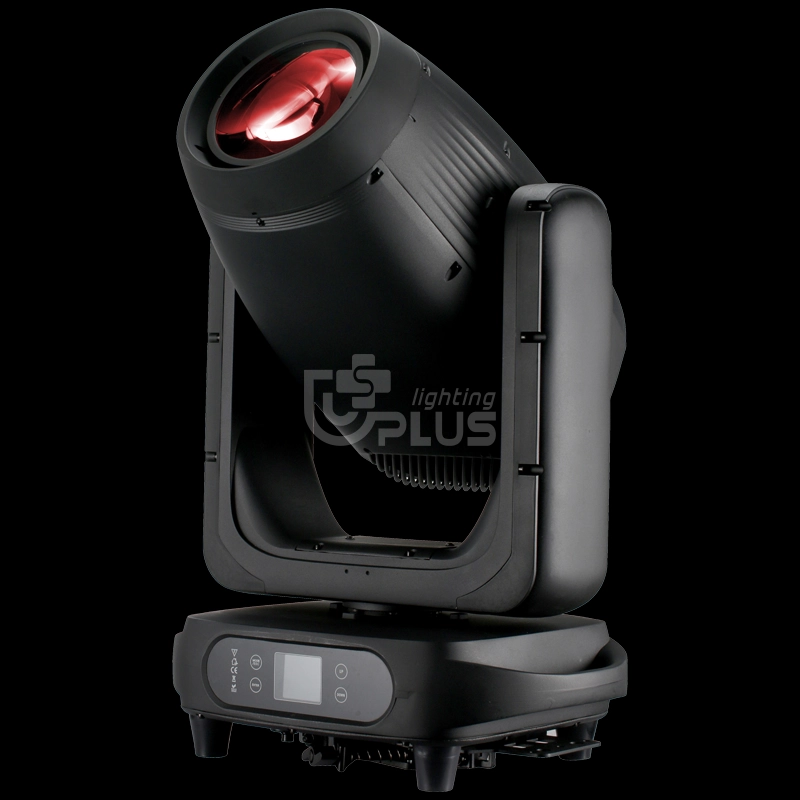
1000W Waterproof BSWF 4-in-1 Moving Head combines beam, spot, wash, and frame effects in one. IP-rated waterproof design, high-brightness output, precise control, ideal for outdoor & indoor stage events.
If you have any comments or good suggestions, please leave us a message, later our professional staff will contact you as soon as possible.
Lighting Innovators
Uplus Lighting is a leading integrated company specializing in R&D, design, production, and sales of stage lighting solutions.
 Scan QR Code
Facebook
Instagram
YouTube
VK