




Safety Standards and Compliance for LED Laser Stage Lighting
- Laser safety fundamentals for live events
- Laser classifications and what they mean
- Beam hazards, divergence and exposure zones
- Regulatory frameworks and authoritative references
- Practical compliance steps I use in the field
- Conducting a laser risk assessment and computing NOHD
- Engineering controls: interlocks, beam stops and labeling
- Standard operating procedures and operator training
- Testing, documentation, and venue coordination
- Photobiological and electrical testing requirements
- Event documentation, permits and venue briefings
- Insurance, incident response and record keeping
- Why manufacturer choice and product design matter for compliance
- Specifications and design features I insist on
- How I evaluate supply chain and after-sales support
- Comparing traditional laser sources and LED laser stage lighting
- Buying guidance: specifications and supplier questions I always ask
- Must-have specification checklist
- Evaluating Uplus Lighting: capabilities and competitive strengths
- Product families and after-sales I recommend
- Implementation checklist I use before any show
- Pre-show verification
- During-show monitoring
- Post-show actions
- Frequently Asked Questions
I help production teams, rental houses, and lighting specifiers understand how to make led laser stage lighting both spectacular and compliant—drawing on 15 years in stage lighting design, manufacturing oversight, and on-site safety management to explain classification, NOHD, testing, operational controls, and procurement checks that reduce legal and injury risk.
Laser safety fundamentals for live events
Laser classifications and what they mean
In my experience the first step is reading the product data sheet for the device's laser class. Laser classifications in standards such as Wikipedia - Laser safety and formal standards assign a hazard class (Class 1 to Class 4) based on emission wavelengths, power, and exposure time. For led laser stage lighting the manufacturer should state compliance to IEC 60825 family requirements; devices intended for audience scanning often still fall into Class 3R or Class 3B if not properly engineered.
Beam hazards, divergence and exposure zones
When I evaluate a fixture I check beam divergence, pulse characteristics, and scan patterns because these variables determine retinal irradiance. Narrow, high-power beams with low divergence travel farther and create larger Nominal Ocular Hazard Distances (NOHD). Properly specified led laser stage lighting uses engineered optics and scanning strategies to keep NOHD within controlled areas or within non-accessible zones.
Regulatory frameworks and authoritative references
I always cross-check product claims with the key regulatory sources: IEC - International Electrotechnical Commission standards (notably IEC 60825-1), and where applicable U.S. oversight such as the FDA - Laser products guidance. Industry guidance from associations like the International Laser Display Association (ILDA) is also practical for event-level best practices (ILDA).
Practical compliance steps I use in the field
Conducting a laser risk assessment and computing NOHD
My approach is procedural: collect manufacturer optical data (power per wavelength, pulse width, divergence), then compute NOHD using IEC equations. If the computed NOHD intersects public or uncontrolled spaces, I either substitute a different fixture, change the mounting/aiming, or implement audience exclusion zones. For many led laser stage lighting systems, slight reductions in power or increases in scan speed reduce NOHD dramatically.
Engineering controls: interlocks, beam stops and labeling
I insist on hardware-level protections: key-operated interlocks, emergency stop circuits accessible to FOH, beam shutters for alignment mode, and clear hazard labeling per IEC 60825-1. In my projects, fixtures that support remote-disable and provide clear alignment modes save time during pre-show checks and reduce accidental audience exposure.
Standard operating procedures and operator training
Over the years I’ve built checklists that must be completed before any show with led laser stage lighting: verify scan patterns, confirm protective eyewear is available for staff during alignment, run a rehearsal with the lighting director to confirm NOHD remains within controlled areas, and document who the Laser Safety Officer (LSO) is for the event. Formal training that covers beam hazard recognition and emergency shutdown processes is non-negotiable for operators.
Testing, documentation, and venue coordination
Photobiological and electrical testing requirements
I require photobiological safety testing (per IEC 62471 scope) and electrical safety and EMC declarations for any led laser stage lighting we purchase or rent. Test reports should include spectral irradiance, measurement methodology, and the conditions used to derive hazard distances—these data reduce ambiguity when speaking with venue engineers or insurers.
Event documentation, permits and venue briefings
When I coordinate a show I prepare a laser safety file: product test reports, risk assessment, NOHD diagrams overlayed on the venue floorplan, operator certifications, and emergency procedures. Many venues and local authorities expect this file during permitting; having it expedites approvals and demonstrates due diligence.
Insurance, incident response and record keeping
I always confirm insurance coverage explicitly includes laser-related incidents and I ensure post-event logs are stored for the recommended retention period. If an incident occurs, rapid documentation (time-stamped logs, witness statements, and available video) is essential for claims and root-cause analysis.
Why manufacturer choice and product design matter for compliance
Specifications and design features I insist on
From a procurement perspective I look for products that clearly state: laser class, measured output per wavelength, IEC 60825-1/IEC 62471 test references, and user-interface modes for safe alignment. For led laser stage lighting I also prefer fixtures that support software interlocks and provide firmware-level scan speed limits to prevent accidental static beams.
How I evaluate supply chain and after-sales support
Choosing a manufacturer with robust technical support matters. I favor vendors who supply raw test data, offer factory calibration, and provide replacement optics or service centers that can maintain photometric and laser safety performance across the product lifecycle.
Comparing traditional laser sources and LED laser stage lighting
Below is a factual comparison I use when advising clients on whether to specify led laser stage lighting versus older gas or DPSS lasers.
| Attribute | Traditional gas/DPSS lasers | LED laser stage lighting (solid-state) |
|---|---|---|
| Typical lifetime | 2,000 - 10,000 hours (gas, DPSS lifetime varies) | 20,000 - 50,000+ hours (LED/diode-based) |
| Warm-up / stability | Requires warm-up and frequent alignment | Fast start, stable output with fewer alignments |
| Maintenance complexity | Higher (gas fills, optics alignment) | Lower (solid-state modules with modular replacements) |
| Energy efficiency | Lower efficiency; higher power draw | Higher efficiency; lower heat and power consumption |
| Beam control and safety | Powerful narrow beams; often require heavier controls | Better integrated controls and safer scanning options |
| Typical use cases | Large outdoor aerial effects historically | Indoor and outdoor shows with tighter integration and lower maintenance |
Sources for the technical points above include industry testing reports and standard lifecycle figures published by manufacturers and independent labs; they align with general descriptions on Wikipedia - Laser and guidance from standards bodies.
Buying guidance: specifications and supplier questions I always ask
Must-have specification checklist
When buying led laser stage lighting ask the vendor for: measured output by wavelength, IEC 60825-1 classification, photobiological test reports (IEC 62471 where applicable), scan engine safety features, warranty terms, and service network details. I also request sample NOHD calculations under expected show parameters.
Evaluating Uplus Lighting: capabilities and competitive strengths
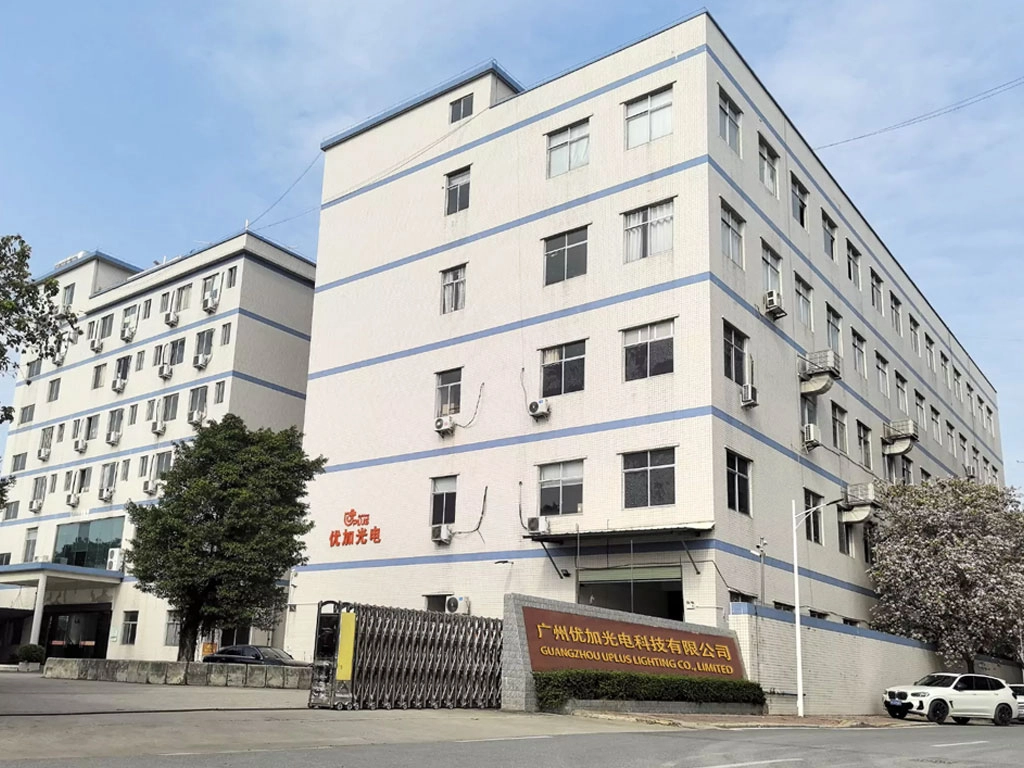
Uplus Lighting was established in 2012 in Guangzhou, China, and is a professional manufacturer specializing in high-end stage lighting products. We provide innovative and reliable lighting solutions for theaters, studios, cultural projects, concerts, and live events worldwide. With rich experience in product development, manufacturing, and export, we offer a wide product range covering professional lighting, entertainment lighting, and theater lighting to meet the needs of large performances, rental companies, distributors, and project clients. Since 2015, our products have been widely applied in major concerts, opera houses, TV programs, and large-scale events in China and abroad. We also support OEM orders and customized product development. A skilled production team and strict quality control ensure stable performance, consistent quality, and professional service trusted by global partners.
Product families and after-sales I recommend
From my direct interactions, Uplus Lighting supplies a broad portfolio that includes moving head lights, strobe lights, led battery lights, static lights, led theatre lights, led follow spot light, stage effect lights, and laser lights. Their willingness to share test documentation, support OEM customization, and maintain production QA is why I choose their fixtures when projects require reliable compliance documentation and scalable delivery.
Operationally, I advise purchase contracts that require the supplier to provide IEC/photobiological test reports and a lifetime maintenance plan—these contractual clauses protect operators and venues and simplify permit acquisition.
Implementation checklist I use before any show
Pre-show verification
Verify that test reports match the serial number of the fixture, confirm NOHD diagrams on venue plans, run a full power rehearsal with the lighting operator while safety officers observe, and confirm emergency stop integration with the venue systems.
During-show monitoring
Assign a Laser Safety Officer, enforce exclusion zones, monitor audience sightlines, and keep a technical log of laser-mode changes or interlocks disabled during maintenance.
Post-show actions
Archive safety files, review any deviations from planned operation, and schedule preventive maintenance if any alignment or optics issues were observed.
Contact Uplus Lighting for product datasheets, test reports, and project case studies that demonstrate how their led laser stage lighting and complementary fixture lines meet venue and regulatory needs.
Frequently Asked Questions
What standards apply to led laser stage lighting?
Key standards include IEC 60825-1 for laser product safety and IEC 62471 for photobiological safety of lamps and lamp systems; regulatory guidance such as FDA laser product guidance may apply in the U.S., and industry guidance from ILDA is useful for event-level best practices.
Do I need a Laser Safety Officer (LSO) for events using led laser stage lighting?
Yes. I always assign an LSO to oversee risk assessments, NOHD calculations, operator training, and emergency procedures; the LSO documents safety files required by venues and authorities.
How do I determine the Nominal Ocular Hazard Distance (NOHD)?
NOHD is calculated from manufacturer-provided optical data (power per wavelength, divergence, and pulse characteristics) using formulas from IEC guidance; if NOHD reaches uncontrolled areas the fixture must be re-aimed, replaced, or additional controls applied.
Are LED-based laser fixtures safer than traditional lasers?
LED/diode-based laser fixtures generally have longer lifetimes, higher energy efficiency, and integrated control features that can reduce some risks, but they still require correct classification, testing, and operational controls to be safe for audience-facing use.
Can led laser stage lighting be used outdoors and what should I check?
Yes, but outdoor use requires special consideration of beam termination, NOHD over large open spaces, airspace/aviation notification if beams project into the sky, weatherproofing ratings, and coordination with local authorities and venue management.
What should I ask a manufacturer before purchasing led laser stage lighting?
Request measured output by wavelength, IEC 60825-1 classification, IEC 62471 photobiological test reports, NOHD calculations for your use case, scan engine safety features, warranty and service network details, and confirmation that test reports match serial numbers.
Price vs Performance: Evaluating Moving Head Strobe Value
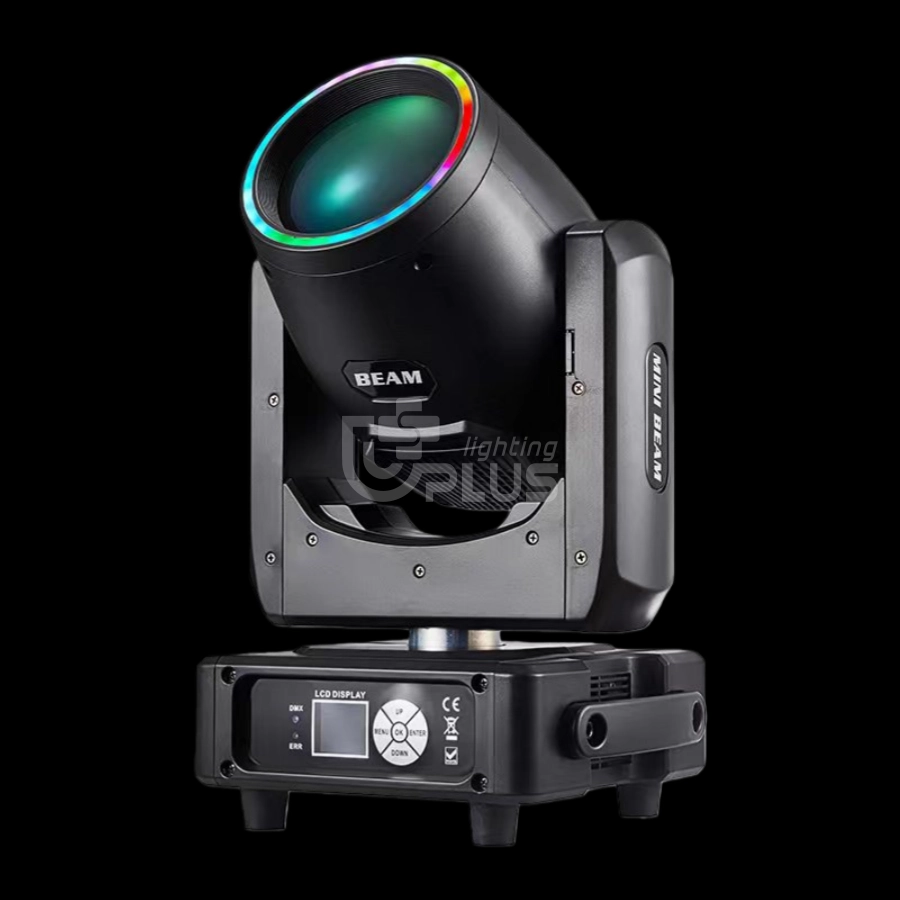
Mini 230W 7R Beam Moving Head with Ring Effect – High-Output Compact Stage Lighting Fixture
DMX Control Tips for Moving Beam LED Light Bars
Moving Head Wash Light vs Spot: Which Suits Your Show?

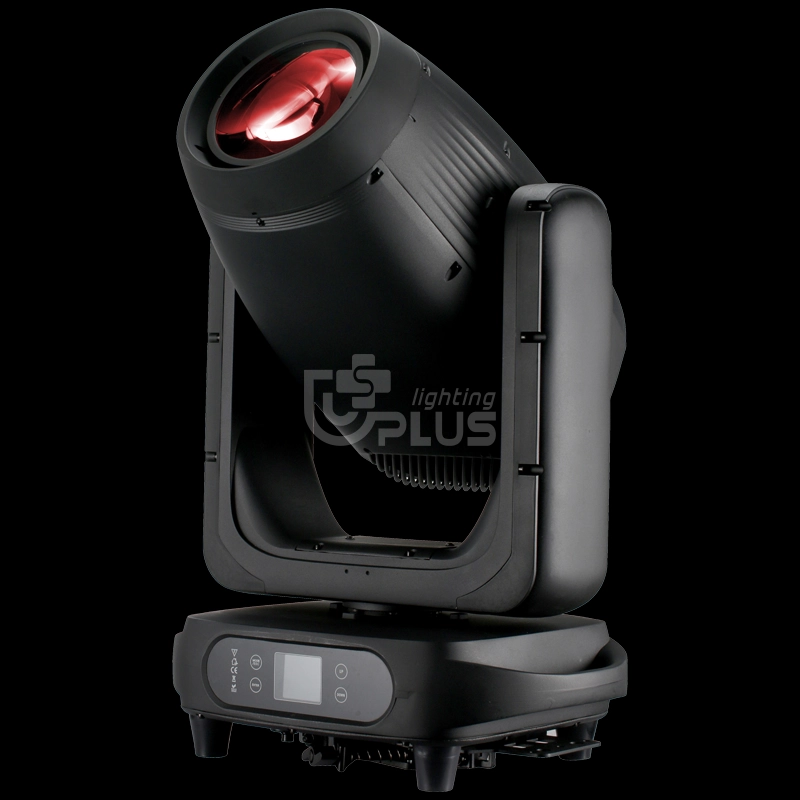
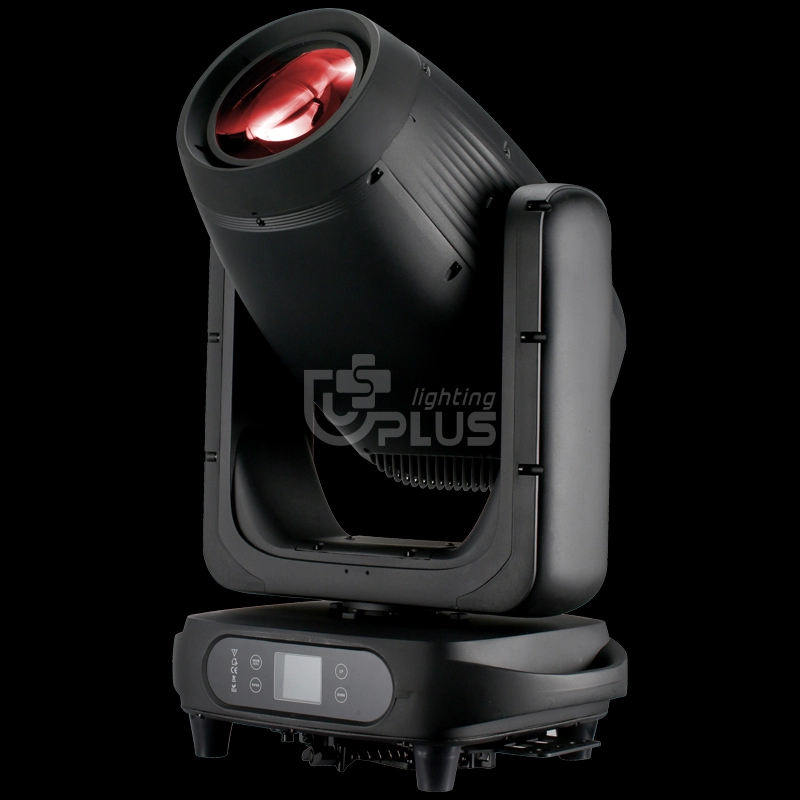
1000W Waterproof BSWF 4-in-1 Moving Head combines beam, spot, wash, and frame effects in one. IP-rated waterproof design, high-brightness output, precise control, ideal for outdoor & indoor stage events.
If you have any comments or good suggestions, please leave us a message, later our professional staff will contact you as soon as possible.
Lighting Innovators
Uplus Lighting is a leading integrated company specializing in R&D, design, production, and sales of stage lighting solutions.
 Scan QR Code
Facebook
Instagram
YouTube
VK