






- Introduction
- What is an LED PAR light and what does 'PAR' stand for?
- How do LED PAR lights work?
- What are the different types of LED PAR lights?
- Why choose LED PAR lights over traditional stage lighting?
- How do I choose the right LED PAR light for my venue?
- What is DMX control in LED PAR lighting?
- Are LED PAR lights suitable for outdoor events?
- How long do LED PAR lights last?
- Conclusion
- Call to Action
The Ultimate Guide to LED PAR Lights: Definition, Types, and How They Work
Introduction
Stage lighting has dramatically evolved from the days of scorching-hot incandescent bulbs and heavy color gels. Today, one fixture stands out as the ultimate workhorse for concerts, theaters, and architectural displays: the LED PAR light. Whether you are lighting an intimate club stage, a grand theatrical production, or an outdoor architectural marvel, understanding these versatile stage lighting fixtures is essential for creating captivating visual experiences.
In this comprehensive guide, we will explore everything you need to know about LED PAR lights. From their foundational technology and various types to their incredible lifespan and control mechanisms, we will break down why these fixtures have become the industry standard. Read on to discover how to harness the power of LED PAR lighting for your next event or installation.
What is an LED PAR light and what does 'PAR' stand for?
An LED PAR light is a highly versatile, directional lighting fixture predominantly used in entertainment, architectural, and event lighting. The acronym "PAR" stands for parabolic aluminized reflector, which historically referred to a specific type of incandescent lamp design. In traditional PAR cans, the lamp, parabolic reflector, and lens were sealed into a single unit designed to produce a highly focused and directional beam of light.
With the advent of Light Emitting Diode (LED) technology, the internal mechanics of the fixture changed completely. While modern LED PAR lights no longer rely on a traditional aluminized reflector and sealed glass envelope, they have retained the "PAR" name due to their similar can-shaped exterior housing and their identical role in lighting design. Instead of a single powerful halogen bulb, these modern fixtures utilize a tightly packed array of high-power LEDs.
These fixtures are specifically favored for their ability to deliver intense, directional illumination. Because they are so efficient and come in various sizes (such as PAR38, PAR56, and PAR64), they are universally recognized as the go-to solution for wash lighting and general stage illumination.
How do LED PAR lights work?
At their core, LED PAR lights function by passing an electrical current through a semiconductor material (the diode), which then emits photons to create visible light. Unlike traditional incandescent PAR cans that generate light by heating a filament—resulting in a massive amount of wasted energy in the form of heat—LEDs convert electrical energy directly into light. This solid-state lighting technology makes them incredibly efficient and cool to the touch.
One of the most defining characteristics of how these fixtures operate is their approach to color. Most LED PAR lights contain multiple diodes in primary colors—typically Red, Green, and Blue (RGB). By adjusting the intensity of each individual colored diode, the fixture can perform seamless color mixing to produce millions of distinct hues. Some advanced models include Amber, White, and UV (RGBWA+UV) diodes to create even more precise color temperatures and vibrant pastel shades.
The light emitted by these diodes is then shaped and directed by specialized optic lenses placed over the LED array. These lenses focus the light into a specific beam angle, ranging from a very narrow spot to a wide flood. Because there are no moving physical gels or mechanical color wheels, the transitions between colors and intensities are instantaneous, allowing for dynamic and fast-paced lighting effects.
What are the different types of LED PAR lights?
LED PAR lights come in a wide variety of sizes, diode configurations, and intended applications. The physical size of a PAR light is traditionally measured in eighths of an inch in diameter. For example, a PAR64 is 8 inches in diameter (64 divided by 8), making it a large, powerful fixture typically used for large-scale concert stages. Smaller variants like the PAR38 or PAR16 are often used for architectural accents, retail displays, or compact venue lighting.
When categorizing them by diode technology, there are several main types:
- Single-Color LEDs: These fixtures emit only one specific color or a fixed white color temperature. They are commonly used in tradeshows or architectural lighting where a static, consistent wash is needed.
- RGB / RGBW / RGBWA+UV: These multi-color fixtures feature diodes of varying colors within the same unit. RGB stands for Red, Green, and Blue, while the additions of White, Amber, and UV provide a broader and richer color spectrum, essential for high-end theatrical productions.
- COB (Chip-on-Board) PARs: Instead of multiple individual LED lenses, COB technology places a dense array of LED chips onto a single substrate. This creates a highly uniform, single-source beam of light that eliminates the "multi-shadow" effect often seen with older LED arrays.
Additionally, LED PARs are categorized by their environmental ratings. Standard fixtures are designed strictly for indoor use, while IP-rated (Ingress Protection) PAR lights are sealed against dust and moisture, making them suitable for outdoor festivals and exterior architectural illumination.
Why choose LED PAR lights over traditional stage lighting?
The shift from traditional halogen or incandescent stage lighting to LED PAR lights has transformed the entertainment industry, primarily due to unprecedented energy efficiency. Traditional PAR cans draw significant amounts of power—often up to 1,000 watts per fixture. In contrast, an LED PAR light can produce an equivalent output while consuming a mere fraction of that electricity, drastically reducing venue power requirements and utility costs.
Another critical advantage is thermal management. Traditional fixtures emit an immense amount of heat, making stages uncomfortably hot for performers and requiring robust air conditioning systems. LED PAR lights run remarkably cool. This not only improves the comfort and safety of the performers but also eliminates the fire hazards associated with scorching-hot metal cans and the need for frequent replacement of melted color gels.
Furthermore, the built-in versatility of LEDs cannot be overstated. With older fixtures, changing a color meant physically climbing a ladder to swap out a piece of colored plastic film (a gel). With LED PARs, limitless color variations and instantaneous strobing effects are available at the push of a button. This integrated color mixing capability allows lighting designers to achieve complex visual effects without needing hundreds of dedicated, single-color fixtures.
How do I choose the right LED PAR light for my venue?
Selecting the right LED PAR light requires analyzing the specific needs of your space, starting with the required beam angle. If you need to illuminate a broad area of a stage, you will want a fixture with a wide beam angle (often referred to as a flood). Conversely, if you are looking to highlight a specific performer, a mirror ball, or a piece of architectural detail, a tight beam angle (a spot) is the appropriate choice.
Next, consider the color requirements and the quality of light. If your venue hosts theatrical performances or broadcast events where skin tones must look natural, you should invest in fixtures with high Color Rendering Index (CRI) ratings and RGBWA (Red, Green, Blue, White, Amber) capabilities. The addition of white and amber diodes allows for the creation of warm, natural-looking white light that basic RGB fixtures struggle to produce.
Finally, evaluate the physical environment and infrastructure of your venue. Consider the mounting options and whether the fixture's weight is compatible with your rigging or truss system. Additionally, look at the fan noise; for a loud rock concert, cooling fan noise is irrelevant, but for an intimate theater or a house of worship, you should prioritize fanless or ultra-quiet LED PAR models to avoid audio disruption.
What is DMX control in LED PAR lighting?
DMX, which stands for Digital Multiplex, is the standard digital communication network used to control stage lighting and effects. Specifically, the DMX512 protocol allows a lighting console to send instructions to a vast network of fixtures over a single daisy-chained cable. In the context of LED PAR lighting, DMX is the brain that tells the light exactly what to do and when to do it.
Every DMX-controllable LED PAR light is assigned a specific "address" on a DMX universe, which consists of 512 individual channels of control. A basic RGB LED PAR light might use three DMX channels: channel 1 controls the intensity of the red LEDs, channel 2 controls green, and channel 3 controls blue. By adjusting the value of these channels from 0 to 255 at the lighting console, the operator dictates the exact color and brightness the fixture outputs.
More advanced fixtures will utilize additional DMX channels for features like master dimming, strobe speed, built-in automated programs, and white/amber color balancing. Because DMX is a universal standard, lighting designers can seamlessly integrate LED PAR lights from various manufacturers into the same cohesive lighting rig, orchestrating complex, synchronized light shows with absolute precision.
Are LED PAR lights suitable for outdoor events?
Yes, LED PAR lights are exceptionally well-suited for outdoor events, provided you select fixtures with the correct environmental ratings. When planning an outdoor festival, architectural lighting installation, or an open-air theatrical run, you cannot use standard indoor fixtures, as exposure to rain, humidity, or airborne dust will quickly short-circuit the sensitive internal electronics.
For outdoor applications, you must choose LED PAR lights that carry a high Ingress Protection (IP) rating. An IP65-rated fixture, for example, is completely protected against dust ingress and can withstand low-pressure water jets from any direction. This makes them perfectly safe to use in the rain. Manufacturers achieve these ratings by fully sealing the fixture's housing, utilizing waterproof power and DMX connectors, and protecting the LED diodes behind toughened, sealed glass.
In addition to weather resistance, outdoor-rated LED PAR lights are usually built with more rugged, heavy-duty cast aluminum housings to withstand the physical rigors of touring and outdoor setup. They are widely used to up-light trees, illuminate building facades, and provide stage washes at outdoor concerts, delivering the same vibrant colors and efficiency as their indoor counterparts regardless of the weather.
How long do LED PAR lights last?
One of the most compelling reasons to invest in LED technology is its extraordinary longevity. According to energy experts such as the U.S. Department of Energy, quality LED lighting products can have a useful lifespan of 30,000 to 50,000 hours or more. In practical terms, if an LED PAR light is used for 8 hours every single day, it could easily last for more than 10 to 15 years before the diodes begin to significantly degrade.
Unlike traditional incandescent or halogen PAR bulbs, which simply burn out and go dark when their filament breaks (often after just 1,000 to 2,000 hours), LEDs rarely experience catastrophic failure. Instead, they undergo "lumen depreciation," meaning their light output gradually dims over time. The lifespan of an LED fixture is typically rated up to the point where its output has dropped to 70% of its original brightness, known as the L70 standard.
However, it is important to note that the lifespan of an LED PAR light also depends on its internal components, primarily the power supply and the cooling system. Proper thermal management is critical; if the fixture's heat sinks or cooling fans are maintained and kept free of dust, the LEDs will operate at their optimal temperature, ensuring maximum longevity and consistent performance year after year.
Conclusion
LED PAR lights have undeniably revolutionized the world of professional illumination. By replacing outdated, energy-hungry halogen cans with highly efficient, color-mixing LED technology, venues and event producers can achieve spectacular visual results while drastically reducing power consumption and heat output.
From understanding the legacy of the parabolic aluminized reflector to mastering the DMX512 protocol for flawless shows, knowing how these fixtures work is the first step toward better lighting design. Whether you are lighting a small indoor stage or a massive outdoor architectural feature, choosing the right LED PAR light—with the appropriate beam angle, color capabilities, and IP rating—will ensure your project shines brilliantly for tens of thousands of hours.
Call to Action
Contact our team of lighting experts today for a personalized consultation to find the perfect LED PAR lighting solutions for your next project.


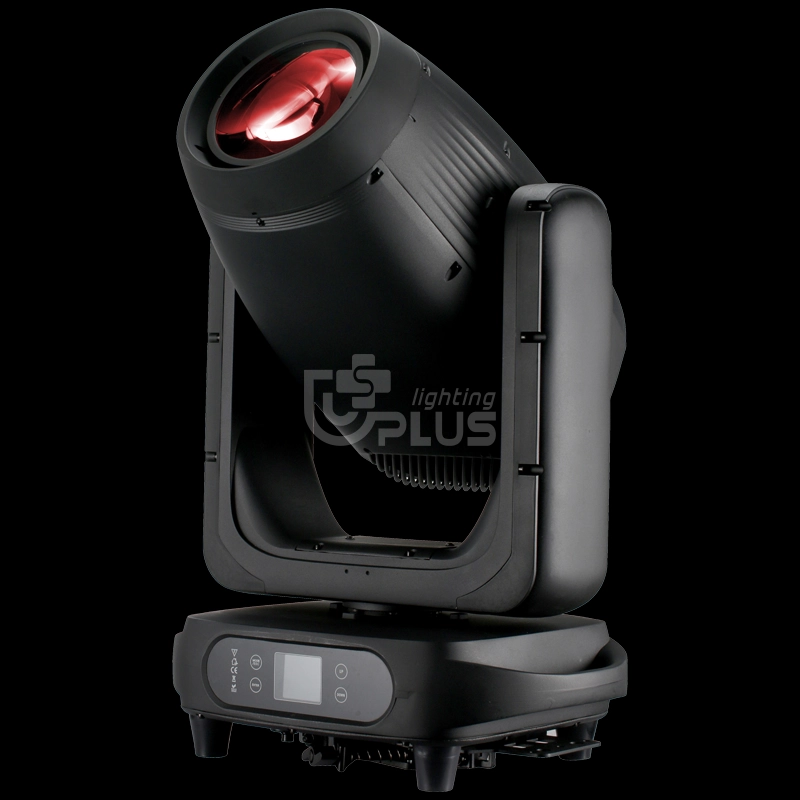
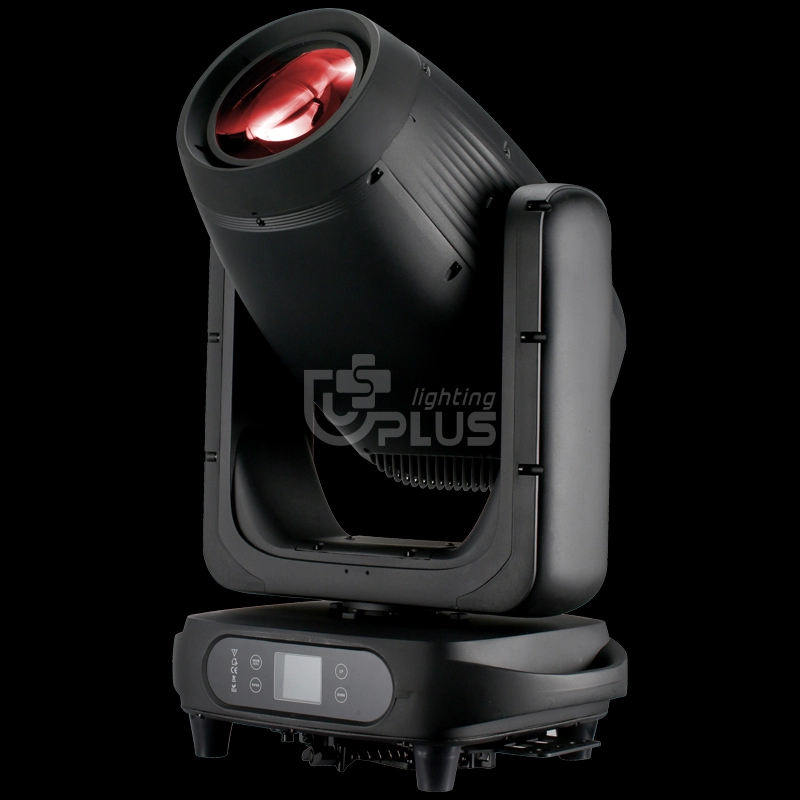
1000W Waterproof BSWF 4-in-1 Moving Head combines beam, spot, wash, and frame effects in one. IP-rated waterproof design, high-brightness output, precise control, ideal for outdoor & indoor stage events.
Stay updated on our latest news
If you have any comments or good suggestions, please leave us a message, later our professional staff will contact you as soon as possible.
Lighting Innovators
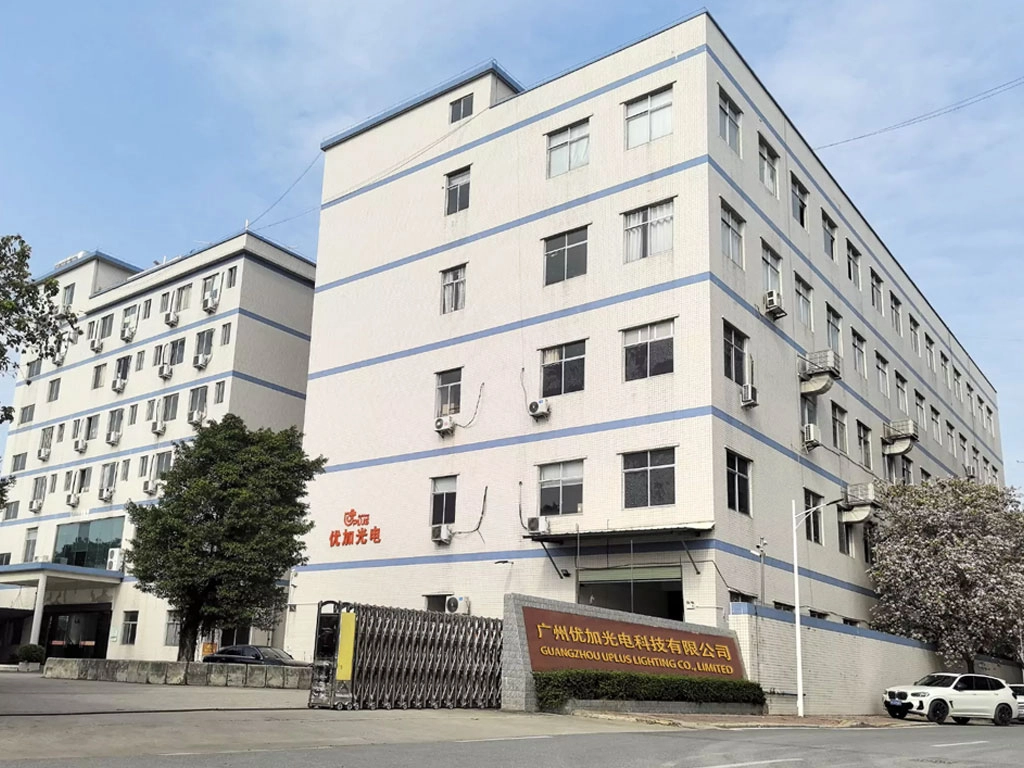
Uplus Lighting is a leading integrated company specializing in R&D, design, production, and sales of stage lighting solutions.
 Scan QR Code
Facebook
Instagram
YouTube
VK