






- 1. What are the key power specifications to consider when selecting an LED stage light bar?
- 2. How do DMX control protocols impact the functionality of LED stage light bars?
- 3. What are the differences between pixel, wash, and beam LED stage light bars?
- 4. How do beam angles affect the performance of LED stage light bars?
- 5. What maintenance practices are essential for ensuring the longevity of LED stage light bars?
- 6. How do I integrate LED stage light bars into my existing lighting system?
What power and DMX options should LED stage light bars have?
1. What are the key power specifications to consider when selecting an LED stage light bar?
When choosing an LED stage light bar, it's crucial to assess its power requirements to ensure compatibility with your venue's electrical infrastructure. Key considerations include:
Wattage: Determine the total power consumption of the fixture to prevent overloading circuits. For instance, a high-output LED bar may consume between 100 to 500 watts, depending on its size and features. ((https://www.upluslighting.com/article/top-10-led-stage-light-bars/))
Voltage: Verify the operating voltage (commonly 12V or 24V) to match your power supply.
Current Draw: Calculate the amperage to ensure your circuit can handle the load, considering both inrush and steady-state currents. ((https://www.upluslighting.com/article/top-10-led-stage-light-bars/))
Power Linking: Check the manufacturer's specifications for the maximum number of units that can be safely daisy-chained together on a single circuit. ((https://www.upluslighting.com/article/led-stage-light-bars-guide/))
Thermal Management: Ensure the fixture has adequate cooling mechanisms, such as passive cooling zones or finned heatsinks, to prevent overheating and maintain performance.
2. How do DMX control protocols impact the functionality of LED stage light bars?
DMX control protocols are integral to the operation of LED stage light bars, enabling precise management of lighting effects. Key aspects include:
DMX512: The standard protocol for controlling lighting fixtures, allowing for up to 512 channels per universe. It's widely supported and suitable for basic control needs. ((https://www.upluslighting.com/article/dmx-rdm-control-protocols-led-stage-light-bar/))
RDM (Remote Device Management): An extension of DMX512 that facilitates remote configuration, status monitoring, and addressing, which is particularly beneficial for installations in hard-to-reach locations. ((https://www.upluslighting.com/article/dmx-rdm-control-protocols-led-stage-light-bar/))
Art-Net and sACN: Network-based protocols that support multiple universes and higher data throughput, essential for complex setups with numerous fixtures or pixel-mapped effects.
Pixel Mapping: For LED bars with individually addressable LEDs, pixel mapping allows for intricate visual effects, such as animations and video displays, enhancing the visual impact of your lighting design.
3. What are the differences between pixel, wash, and beam LED stage light bars?
Understanding the distinctions between these types of LED stage light bars is essential for selecting the right fixture for your needs:
Pixel LED Bars: Feature individually addressable LEDs, enabling dynamic effects like animations and video displays. They are ideal for creating intricate visual patterns and are commonly used in concerts and large-scale events. ((https://www.upluslighting.com/article/compare-led-stage-light-bar-types/))
Wash LED Bars: Provide uniform color washes over a wide area, making them suitable for general stage illumination and backdrop lighting. They are often used in theaters and houses of worship to create ambient lighting. ((https://www.upluslighting.com/article/compare-led-stage-light-bar-types/))
Beam LED Bars: Produce narrow, focused beams of light, perfect for creating sharp accents and highlighting specific areas or performers on stage. They are commonly used in concerts and live performances to add visual impact. ((https://www.upluslighting.com/article/compare-led-stage-light-bar-types/))
4. How do beam angles affect the performance of LED stage light bars?
Beam angles significantly influence the coverage and intensity of the light output:
Narrow Beam Angles (5–15°): Ideal for long-throw applications, such as spotlighting performers from a distance.
Medium Beam Angles (20–40°): Suitable for front lighting and general stage illumination.
Wide Beam Angles (>50°): Best for creating soft washes of light over large areas, such as wall or backdrop lighting.
Selecting the appropriate beam angle ensures that the light distribution aligns with your specific stage lighting requirements.
5. What maintenance practices are essential for ensuring the longevity of LED stage light bars?
Proper maintenance is crucial for extending the lifespan and maintaining the performance of LED stage light bars:
Regular Cleaning: Dust and debris can accumulate on the fixture's surface and cooling components, leading to overheating. Periodically clean the exterior and internal components as recommended by the manufacturer.
Inspection of Cooling Systems: Ensure that fans and heatsinks are free from obstructions and functioning correctly to prevent thermal throttling.
Firmware Updates: Keep the fixture's firmware up to date to benefit from performance improvements and new features.
Check for Firmware Updates: Manufacturers may release firmware updates that enhance performance or fix known issues. Regularly check for and apply these updates to keep your fixtures operating optimally.
Storage Conditions: When not in use, store the fixtures in a dry, cool environment to prevent damage from humidity and temperature fluctuations.
Implementing these maintenance practices helps ensure reliable operation and extends the service life of your LED stage light bars.
6. How do I integrate LED stage light bars into my existing lighting system?
Integrating LED stage light bars requires careful planning to ensure compatibility and optimal performance:
Control Compatibility: Verify that the new fixtures are compatible with your existing control protocols (e.g., DMX512, Art-Net).
Power Distribution: Assess your current power setup to accommodate the additional load, considering both voltage and current requirements.
Addressing and Mapping: Plan the addressing scheme to prevent conflicts and ensure seamless operation, especially for pixel-mapped fixtures.
Physical Installation: Ensure that your rigging and mounting hardware can support the new fixtures and that they are positioned to achieve the desired lighting effects.
Testing: Before deploying in a live setting, conduct thorough testing to confirm that all components function correctly and that the integration meets your performance expectations.
By carefully considering these factors, you can successfully incorporate LED stage light bars into your existing lighting system, enhancing your stage productions with dynamic and versatile lighting effects. ((https://www.upluslighting.com/article/choose-best-led-stage-light-bar-concerts/))
In conclusion, selecting the right LED stage light bar involves a comprehensive understanding of power specifications, control protocols, fixture types, beam angles, maintenance practices, and integration strategies. By carefully evaluating these aspects, you can enhance your stage lighting setup, ensuring it meets your creative and technical requirements. For personalized advice and a quote tailored to your needs, please contact us at albee@upluslighting.com or visit our website at www.upluslighting.com.


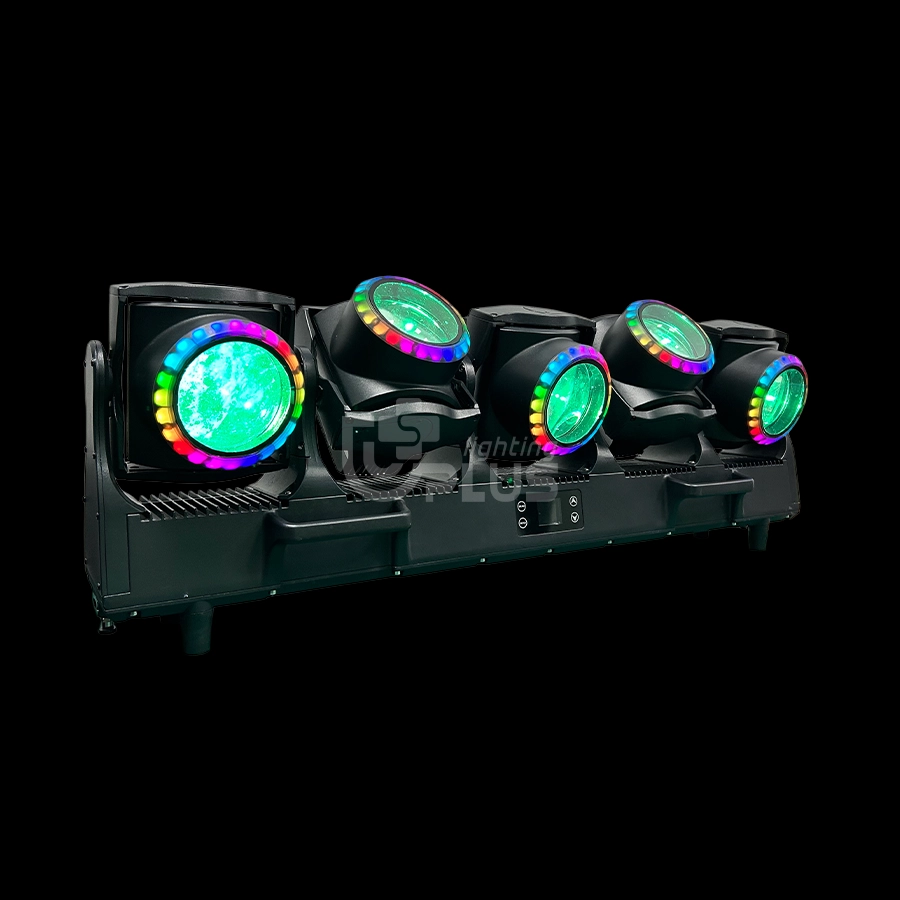
Waterproof 5*120W Pixel zoom LED bar moving head, a waterproof 5*120W pixel zoom LED strip moving head light, with individually controllable pixels, supports zoom and dynamic effects, IP65 protection, suitable for outdoor performances, stage and engineering lighting.

The IP65 two-row 40*10W RGBW led pixel link bar is a high-protection pixel bar light. It adopts a dual-row design with 40 10W RGBW four-in-one LED beads, supports pixel-level independent light control and multi-lamp linkage, and has an IP65 protection rating, making it rainproof and dustproof. It is compatible with DMX512 control and can present rich dynamic light effects, making it suitable for creating linear light and shadow effects in outdoor lighting, stage backgrounds, cultural and tourism landscapes and other scenarios.
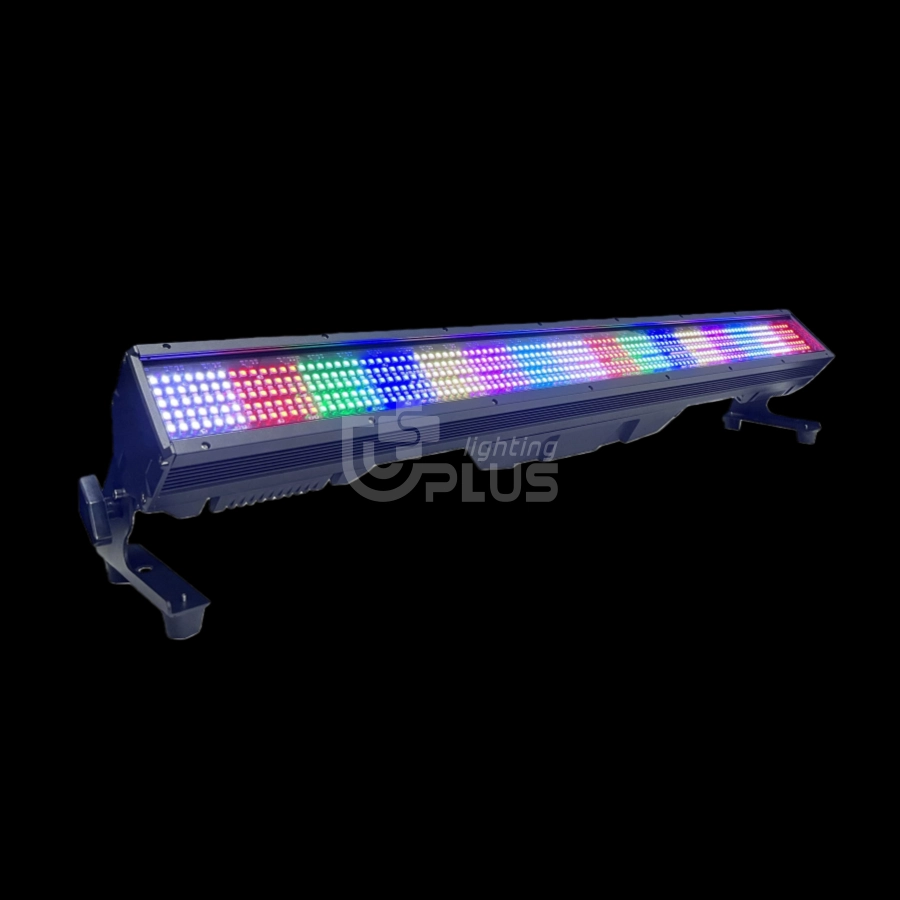
The IP65 waterproof 400W LED Link Strobe bar is a high-protection cascaded strobe light strip equipped with a 400W high-power LED light source. The strobe frequency is adjustable and supports seamless linkage of multiple lights. The IP65 protection rating can withstand outdoor wind, rain, and dust. It is compatible with DMX512 control, easy to install, and suitable for creating dynamic light and shadow in outdoor performances, cultural tourism night tours, architectural lighting and other scenarios.

The IP65 waterproof 18*30W RGBWAUV LED pixel bar is a high-performance outdoor pixel bar light. It is equipped with 18 30W RGBWAUV six-in-one LED beads, supports pixel-level independent light control, and can present rich colors and dynamic light effects. With an IP65 protection rating, it is highly dustproof and waterproof, compatible with multiple control modes such as DMX512, flexible splicing and easy installation, and suitable for linear light and shadow shaping in outdoor performances, cultural and tourism lighting, stage backgrounds and other scenarios.
Stay updated on our latest news
If you have any comments or good suggestions, please leave us a message, later our professional staff will contact you as soon as possible.
Lighting Innovators
Uplus Lighting is a leading integrated company specializing in R&D, design, production, and sales of stage lighting solutions.
 Scan QR Code
Facebook
Instagram
YouTube
VK