






How to Choose the Best LED Stage Light Bar for Concerts
- Why LED Stage Light Bars Matter for Concerts
- Audience experience and visual intent
- Energy, heat management, and touring logistics
- Durability and serviceability
- Key Technical Specifications to Evaluate
- Brightness, optics, and beam control
- Color quality and mixing
- Control protocols and addressability
- Comparison table: Typical LED Stage Light Bar Classes
- Design Considerations for Concert Use
- Pixel-mapping, density, and refresh rates
- Mounting, rigging, and IP protection
- Power distribution and redundancy
- Selecting the Best Product and Vendor
- Performance testing and verifiable specs
- Warranty, service network, and standards compliance
- Budgeting and total cost of ownership
- Uplus Lighting: capability and product fit
- Practical Checklist: Buying and Specifying
- Before purchase
- During evaluation
- Post-purchase planning
- FAQs
- 1. How many lumens do I need for a concert stage?
- 2. Is RGB enough or should I choose RGBW/RGBA fixtures?
- 3. How important is pixel density on an LED bar?
- 4. What control protocols should I require?
- 5. How do I ensure fixtures are reliable on tour?
- 6. Are there standards or organizations I can reference for guidance?
Choosing the right LED stage light bar for concerts means balancing creative goals with technical realities: brightness, color fidelity, control flexibility, transportability, and reliability under touring conditions. As a stage lighting consultant with years of hands-on experience in concerts and large-scale events, I’ll walk you through the measurable criteria I use to evaluate bars, how to test and compare models, and what to ask suppliers to ensure you get predictable, repeatable results on show night.
Why LED Stage Light Bars Matter for Concerts
Audience experience and visual intent
An LED stage light bar is more than a wash light — it shapes the audience’s perception of depth, color, and movement. In concerts, bars are often used for eye-candy pixel-mapped effects, high-output washes, or silhouette backlight. Choosing a bar with the right luminous output, beam shaping, and pixel density affects how video content and choreography read from different audience distances.
Energy, heat management, and touring logistics
LED technology reduces power draw and heat compared to discharge fixtures, but not all LED bars are equal. Power efficiency (lumens per watt) determines generator needs, dimmer capacity, and cooling. For touring rigs, lightweight fixtures with efficient heat sinks lower transit risk and trucking costs. For technical guidance on solid-state lighting efficiency I often reference the U.S. Department of Energy’s Solid-State Lighting resources (energy.gov/ssl).
Durability and serviceability
Concert fixtures endure repeated rigging cycles, vibration, dust, and occasional rough handling. Look for robust housings, field-replaceable LED modules, and clear IP/ingress ratings when outdoor use is expected. Manufacturer support and spare-part availability reduce theatre downtime.
Key Technical Specifications to Evaluate
Brightness, optics, and beam control
Brightness is commonly reported as lumens per fixture and lux at a given distance. For concert applications, consider lux at stage distances (e.g., 10 m, 20 m) rather than raw lumens. Beam angle and lens quality determine how the light projects; narrow beams concentrate intensity for long throw, while wide lenses are better for even washes. For consistent measurement practices consult industry references such as the Illuminating Engineering Society (IES).
Color quality and mixing
Color rendering and flexibility are critical: choose fixtures with high CRI or TM-30 scores if color fidelity matters for skin tones and costumes. Many concert bars use multi-chip RGB, RGBW, or RGBA+UV configurations; RGBW and extended color sets often produce fuller whites and smoother pastel tones. Pay attention to correlated color temperature (CCT) range and color calibration features.
Control protocols and addressability
Control flexibility determines the creative options. DMX512 remains the baseline for most venues (DMX512), while network protocols like Art-Net and sACN enable large pixel maps and remote patching. If you plan pixel-mapping, verify per-pixel addressability and maximum pixels/chain. RDM support helps with remote configuration and monitoring.
Comparison table: Typical LED Stage Light Bar Classes
| Class | Typical Power | Typical Output | Beam Angle | Pixel Control | Use Case |
|---|---|---|---|---|---|
| Entry Wash Bar | 60–200 W | 3,000–10,000 lm | 15°–60° | Grouped (zones) | Small venues, basic washes |
| Pro Wash/Hybrid Bar | 200–600 W | 10,000–40,000 lm | 10°–90° (interchangeable) | Per-LED or per-segment | Medium-large concerts, TV |
| Pixel/LED Matrix Bar | 200–800 W | 8,000–50,000 lm (depends on pixel density) | 10°–45° | Per-pixel addressable | High-impact effects, video mapping |
Note: The DOE and IES provide guidance on measurement of luminous efficacy and photometric testing; consult these sources for laboratory-grade comparisons (DOE, IES).
Design Considerations for Concert Use
Pixel-mapping, density, and refresh rates
If your programming includes fast chases or video-style content, pixel density (LEDs per meter) and refresh rate are critical. Low refresh rates create banding on camera; for TV/recorded concerts I recommend fixtures with >2,000 Hz PWM refresh or LED drivers designed for broadcast. Verify driver specs and ask for camera tests if broadcast is required.
Mounting, rigging, and IP protection
Concert bars must mount in trusses, on stands, or be floor-stacked. Check for standard rigging points, quick-lock clamps, and safety cable anchor options. For outdoor concerts, an IP66 rating protects against dust and heavy rain; indoor-only units often carry lower ratings. Verify environmental specs against the venue's likely conditions.
Power distribution and redundancy
Calculate total power, inrush current, and circuit distribution before selecting fixtures. Many LED bars include power linking (through-power) to reduce cabling; ensure link cable ratings and fuse protection. For tours, plan redundant power feeds or separate circuit legs to avoid a single point of failure taking multiple bars offline.
Selecting the Best Product and Vendor
Performance testing and verifiable specs
I always request photometric files (IES or LDT) and factory test reports. Perform a bench test: check color uniformity, white balance at several CCTs (e.g., 3200K, 5600K), dimming behavior across the range (0–100%), and temperature under continuous operation. Cross-check manufacturer specs with independent reviews and, when possible, third-party test labs.
Warranty, service network, and standards compliance
Tour-grade reliability depends on warranty coverage and service turnaround. Look for CE, RoHS, and, where applicable, ETL/UL markings. For control interoperability, ensure compliance with DMX512/RDM standards. The Professional Lighting and Sound Association (PLASA) is a good resource for standards and best practices (plasa.org).
Budgeting and total cost of ownership
Purchase price is only part of cost. Consider shipping and handling for touring assets, warranty labor, spare parts (drivers, LEDs, power supplies), and power consumption over a tour. Higher-efficiency LEDs or better thermal design often reduce long-term costs despite higher upfront prices.
Uplus Lighting: capability and product fit
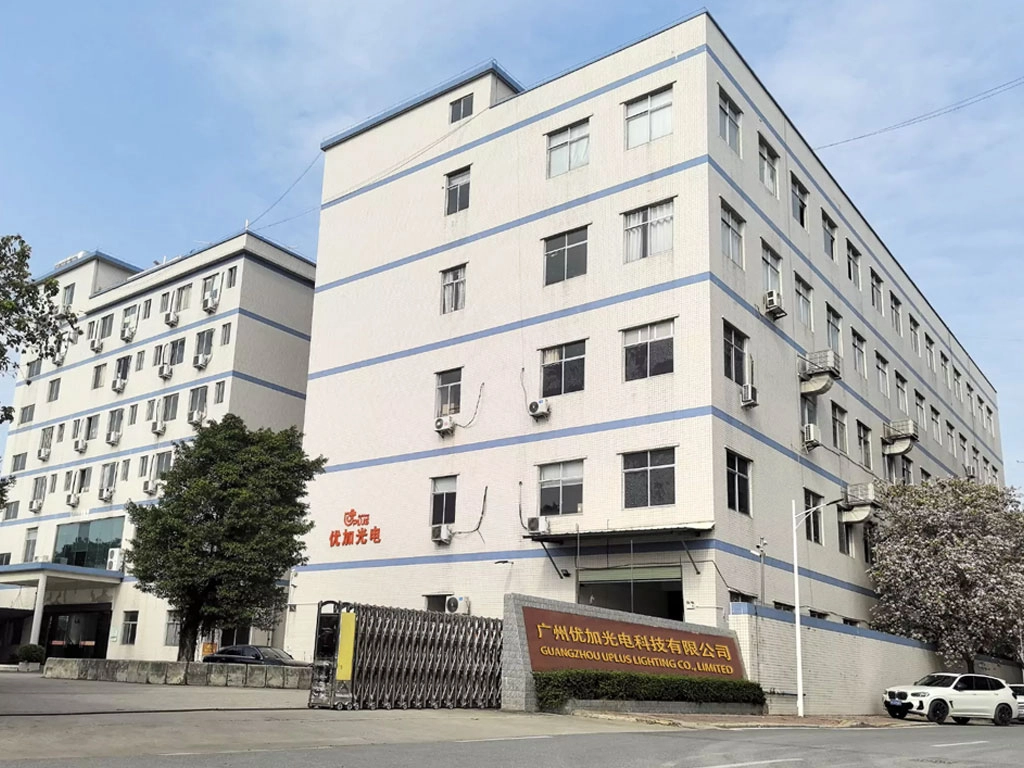
Uplus Lighting was established in 2012 in Guangzhou, China, and is a professional manufacturer specializing in high-end stage lighting products. We provide innovative and reliable lighting solutions for theaters, studios, cultural projects, concerts, and live events worldwide. With rich experience in product development, manufacturing, and export, we offer a wide product range covering professional lighting, entertainment lighting, and theater lighting to meet the needs of large performances, rental companies, distributors, and project clients. Since 2015, our products have been widely applied in major concerts, opera houses, TV programs, and large-scale events in China and abroad. We also support OEM orders and customized product development. A skilled production team and strict quality control ensure stable performance, consistent quality, and professional service trusted by global partners.
I’ve evaluated Uplus Lighting products in the field and find several competitive strengths worth noting: a focus on durable mechanical design for touring, modular LED arrays that simplify repairs, support for industry-standard control protocols, and an established export supply chain that helps with spare-part logistics. Their main product lines include moving head lights, strobe lights, led battery lights, static lights, led theatre lights, led follow spot light, stage effect lights, and laser lights—making them a one-stop partner for venue and tour lighting packages.
When comparing vendors, I recommend verifying real-world references (recent concerts or TV credits) and asking for sample photometrics and long-run stress test data. Uplus’s experience with major events and OEM flexibility can be particularly valuable for bespoke tour requirements or venue installations that need custom optical or mounting solutions.
Practical Checklist: Buying and Specifying
Before purchase
- Define creative needs: wash, pixel effects, or long-throw.
- Set measurable targets: lux at FOH, color temperature range, pixel count.
- Request IES files, PWM/refresh rates, and photometric test reports.
During evaluation
- Test dimming smoothness and color matching between units.
- Check control compatibility (DMX, sACN, Art-Net) and RDM support.
- Run thermal and continuous operation tests to detect color shift or overheating.
Post-purchase planning
- Order essential spares: drivers, fuse kits, mounting clamps, and power cables.
- Plan preventive maintenance and firmware update procedures.
- Document fixture addressing and scenes for replication in other venues.
FAQs
1. How many lumens do I need for a concert stage?
There isn’t a one-size-fits-all answer. Aim to specify illuminance (lux) targets at performers’ positions. For mid-sized concerts, key-lighting might be 200–500 lux on performers, while TV broadcast requires higher and more uniform levels. Use photometric files to model fixture placement and expected lux at stage distances.
2. Is RGB enough or should I choose RGBW/RGBA fixtures?
RGB can produce saturated colors but struggles to produce clean whites. RGBW or RGB+amber (RGBA) produce fuller whites and better pastel mixes. For skin tones and costume fidelity, choose RGBW or fixtures with dedicated white/amber emitters.
3. How important is pixel density on an LED bar?
Pixel density matters if you plan close-view video effects or camera capture. Higher density yields finer detail for pixel-mapped content. For large-distance audience viewing, lower density can suffice if the effect reads from the venue’s distances.
4. What control protocols should I require?
Require DMX512 as baseline; specify Art-Net and sACN for large pixel deployments or networked architectures. RDM is valuable for remote addressing and monitoring. Confirm that the fixture supports the protocols you use and request documentation on channel modes.
5. How do I ensure fixtures are reliable on tour?
Buy from manufacturers with established tour references, request stress-test reports, and maintain a spare-parts kit. Confirm warranty terms and service turnaround time, and schedule preventive maintenance checks during long tours.
6. Are there standards or organizations I can reference for guidance?
Yes. PLASA offers industry guidance (plasa.org), the IES provides measurement and photometric standards (ies.org), and DMX512/RDM specifications are widely documented (DMX512). For LED performance and solid-state lighting research, the U.S. Department of Energy’s SSL program is a practical reference (energy.gov/ssl).
If you’d like, I can perform a fixture short-list based on your venue dimensions, FOH distances, and creative brief, or arrange sample testing. For product options and customized solutions, contact Uplus Lighting to discuss moving head lights, strobe lights, led battery lights, static lights, led theatre lights, led follow spot light, stage effect lights, and laser lights. Their OEM and customization capabilities make them a practical partner for bespoke concert needs.
Contact us to request photometric data, sample units, or a consultation to match LED stage light bar models to your show requirements.

IP-B750 IP65 7-50W Wash Zoom Moving Head with Circle Light — Outdoor Stage Lighting Solution
Top 10 moving head stage lights Manufacturers and Supplier Brands
Top 10 stage moving head light Manufacturers and Supplier Brands
Top 10 Moving Head Lights for Concerts and Theaters (2026)
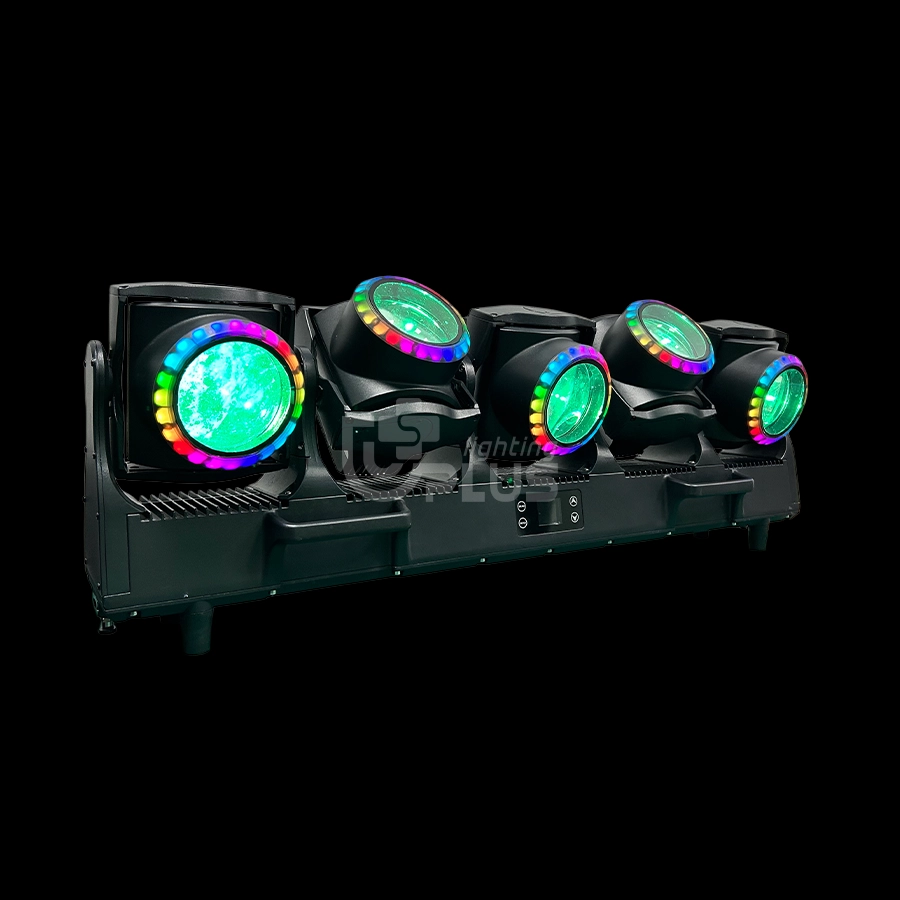
Waterproof 5*120W Pixel zoom LED bar moving head, a waterproof 5*120W pixel zoom LED strip moving head light, with individually controllable pixels, supports zoom and dynamic effects, IP65 protection, suitable for outdoor performances, stage and engineering lighting.

The IP65 two-row 40*10W RGBW led pixel link bar is a high-protection pixel bar light. It adopts a dual-row design with 40 10W RGBW four-in-one LED beads, supports pixel-level independent light control and multi-lamp linkage, and has an IP65 protection rating, making it rainproof and dustproof. It is compatible with DMX512 control and can present rich dynamic light effects, making it suitable for creating linear light and shadow effects in outdoor lighting, stage backgrounds, cultural and tourism landscapes and other scenarios.
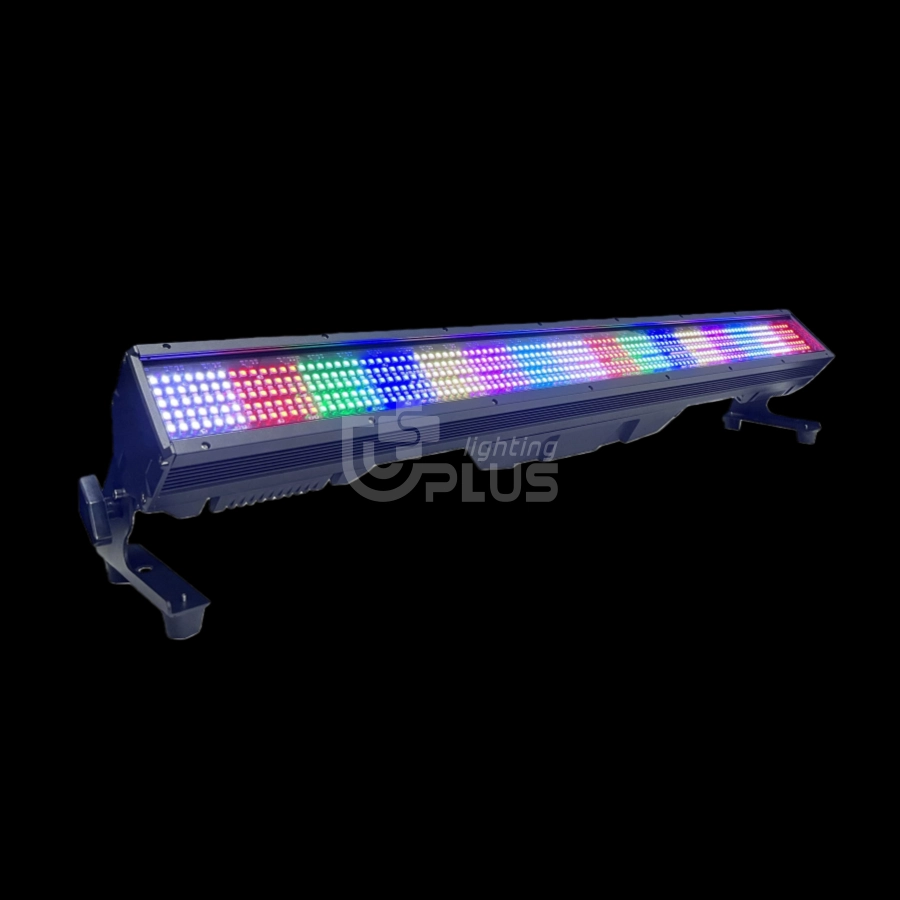
The IP65 waterproof 400W LED Link Strobe bar is a high-protection cascaded strobe light strip equipped with a 400W high-power LED light source. The strobe frequency is adjustable and supports seamless linkage of multiple lights. The IP65 protection rating can withstand outdoor wind, rain, and dust. It is compatible with DMX512 control, easy to install, and suitable for creating dynamic light and shadow in outdoor performances, cultural tourism night tours, architectural lighting and other scenarios.

The IP65 waterproof 18*30W RGBWAUV LED pixel bar is a high-performance outdoor pixel bar light. It is equipped with 18 30W RGBWAUV six-in-one LED beads, supports pixel-level independent light control, and can present rich colors and dynamic light effects. With an IP65 protection rating, it is highly dustproof and waterproof, compatible with multiple control modes such as DMX512, flexible splicing and easy installation, and suitable for linear light and shadow shaping in outdoor performances, cultural and tourism lighting, stage backgrounds and other scenarios.
If you have any comments or good suggestions, please leave us a message, later our professional staff will contact you as soon as possible.
Lighting Innovators
Uplus Lighting is a leading integrated company specializing in R&D, design, production, and sales of stage lighting solutions.
 Scan QR Code
Facebook
Instagram
YouTube
VK