






How energy-efficient is an LED wash light moving head on tour?
When planning a tour, selecting the right stage lighting is crucial for both performance quality and operational efficiency. LED wash light moving heads have become a popular choice due to their versatility and energy efficiency. Below, we address six specific questions frequently asked by beginners, providing comprehensive answers to guide your decision-making process.
1. How does the energy consumption of LED wash light moving heads compare to traditional lighting fixtures during a tour?
LED wash light moving heads are significantly more energy-efficient than traditional lighting fixtures. For instance, a typical LED moving head wash light consumes between 50 to 400 watts, whereas older discharge moving heads can consume between 800 to 1,200 watts. This reduction in power usage translates to substantial energy savings over time. For example, replacing twenty 800 W discharge moving heads with twenty 400 W LED equivalents reduces the total power consumption by 8 kW. At an electricity cost of $0.20 per kWh, a 6-hour show saves approximately $9.60, amounting to about $576 over a 60-show tour.
2. What is the typical lifespan of LED wash light moving heads, and how does this impact maintenance during tours?
LED wash light moving heads are known for their longevity, often lasting between 25,000 to 50,000 hours before reaching 70% of their initial light output (L70). This extended lifespan significantly reduces the frequency of lamp replacements compared to traditional fixtures, which may only last 1,000 to 4,000 hours. The reduced need for replacements not only lowers maintenance costs but also contributes to energy savings by decreasing the environmental impact associated with manufacturing and disposing of replacement lamps. ((https://www.upluslighting.com/guides/maximizing-efficiency-moving-head-wash-lights/))
3. How do LED wash light moving heads contribute to energy savings during tours?
LED wash light moving heads offer substantial energy savings over traditional lighting fixtures. For example, replacing twenty 800 W discharge moving heads with twenty 400 W LED equivalents reduces the total power consumption by 8 kW. At an electricity cost of $0.20 per kWh, a 6-hour show saves approximately $9.60, amounting to about $576 over a 60-show tour. Additionally, LED fixtures often have a higher luminous efficacy, producing more light per watt consumed, further enhancing energy efficiency.
4. What are the maintenance requirements for LED wash light moving heads during tours?
LED wash light moving heads generally require minimal maintenance due to their durable design and long lifespan. Unlike traditional fixtures that may require frequent lamp replacements and ballast maintenance, LED fixtures have fewer moving parts and a longer operational life. Maintenance typically involves periodic cleaning, checking for dust accumulation, and ensuring that moving parts are functioning correctly. This reduced maintenance frequency is particularly beneficial during tours, as it minimizes downtime and associated costs.
5. How do LED wash light moving heads perform in various environmental conditions during tours?
LED wash light moving heads are designed to perform reliably in various environmental conditions. Many models come with appropriate IP ratings and sealed electronics to prevent ingress of dust and moisture, making them suitable for outdoor festivals or venues with harsh environments. Additionally, energy-efficient fixtures with robust thermal design reduce maintenance frequency and increase mean time between failures (MTBF), further enhancing their suitability for touring.
6. What are the total cost of ownership (TCO) considerations for LED wash light moving heads during tours?
When evaluating the total cost of ownership for LED wash light moving heads during tours, it's essential to consider factors such as initial purchase price, energy consumption, maintenance costs, and lifespan. While LED fixtures may have a higher upfront cost, their lower energy consumption and reduced maintenance requirements often result in a lower TCO over time. For example, replacing twenty 800 W discharge moving heads with twenty 400 W LED equivalents reduces the total power consumption by 8 kW. At an electricity cost of $0.20 per kWh, a 6-hour show saves approximately $9.60, amounting to about $576 over a 60-show tour. Additionally, the longer lifespan of LED fixtures reduces the frequency of replacements, further decreasing the TCO.
In conclusion, LED wash light moving heads offer significant advantages for touring productions, including enhanced energy efficiency, extended lifespan, and reduced maintenance requirements. These benefits not only improve performance quality but also contribute to cost savings and operational efficiency.
For personalized advice and competitive quotes, contact us at (http://www.upluslighting.com) or email albee@upluslighting.com.


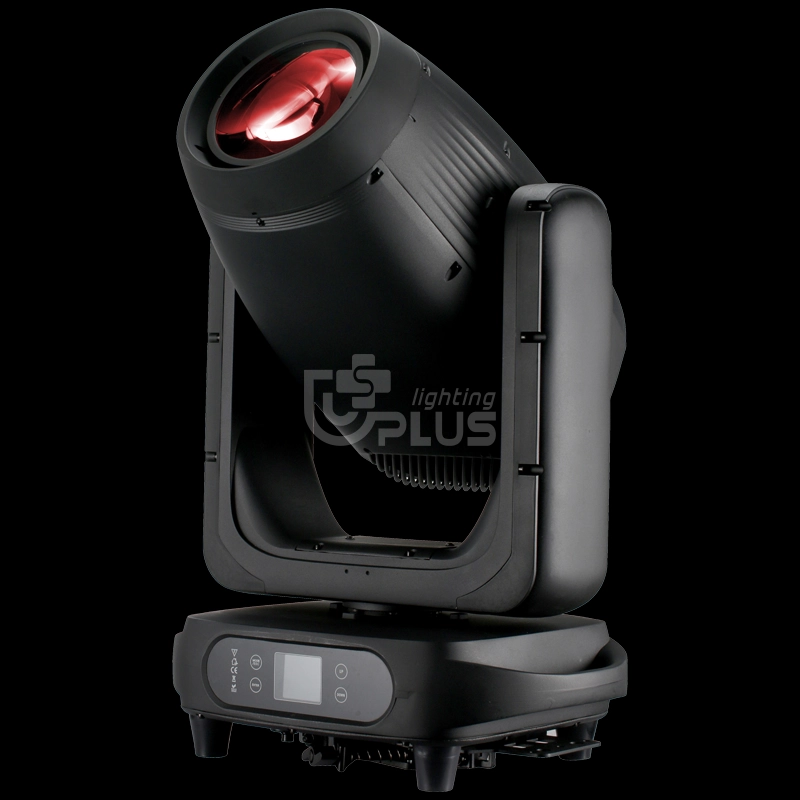
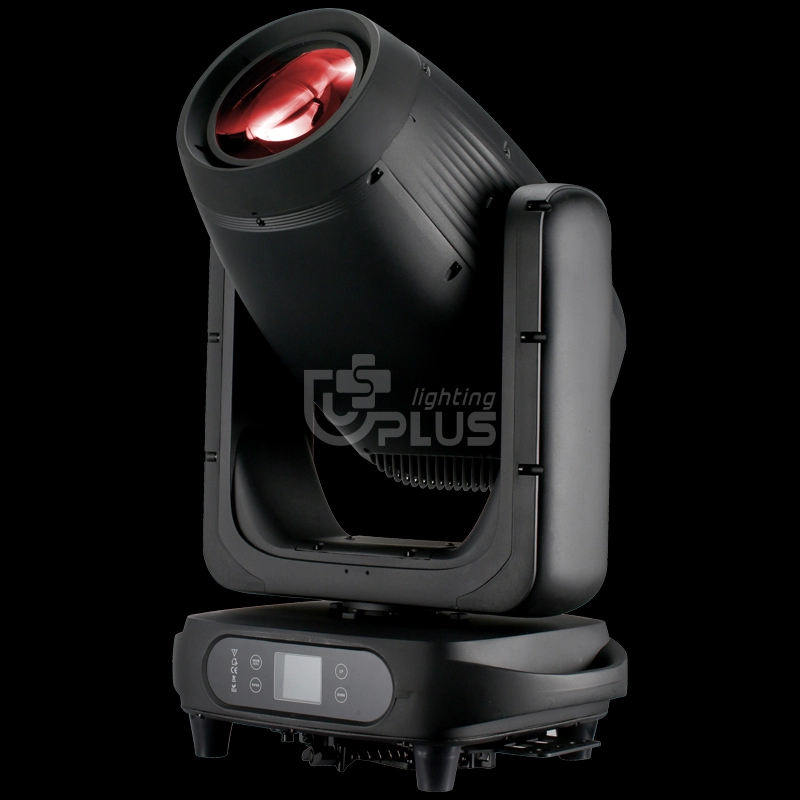
1000W Waterproof BSWF 4-in-1 Moving Head combines beam, spot, wash, and frame effects in one. IP-rated waterproof design, high-brightness output, precise control, ideal for outdoor & indoor stage events.
Stay updated on our latest news
If you have any comments or good suggestions, please leave us a message, later our professional staff will contact you as soon as possible.
Lighting Innovators
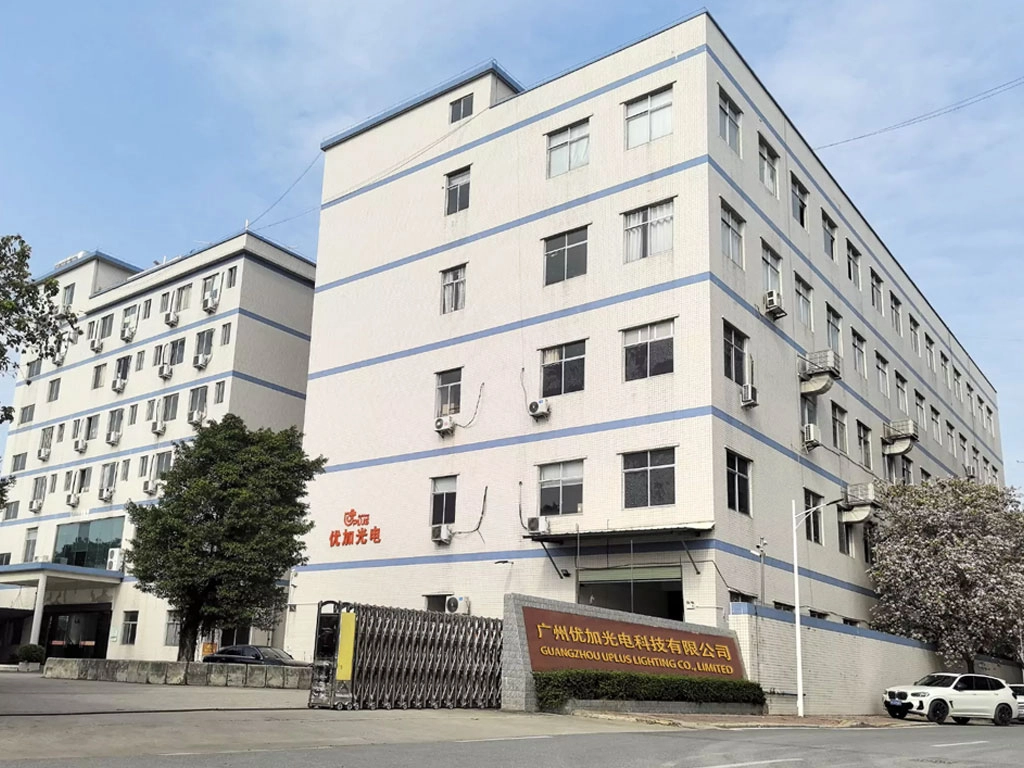
Uplus Lighting is a leading integrated company specializing in R&D, design, production, and sales of stage lighting solutions.
 Scan QR Code
Facebook
Instagram
YouTube
VK