






Introduction
Few things can make as much impact on creating unforgettable performances as lighting will be able to; be it a concert, a theatre performance, or whatever form of live event, proper lighting sets the tone, creates focus, and just completes the experience for the audience. Uplus Lighting knows that extremely well and has prepared a couple of powerful universal options for support: the series MH-1240P and MH600.
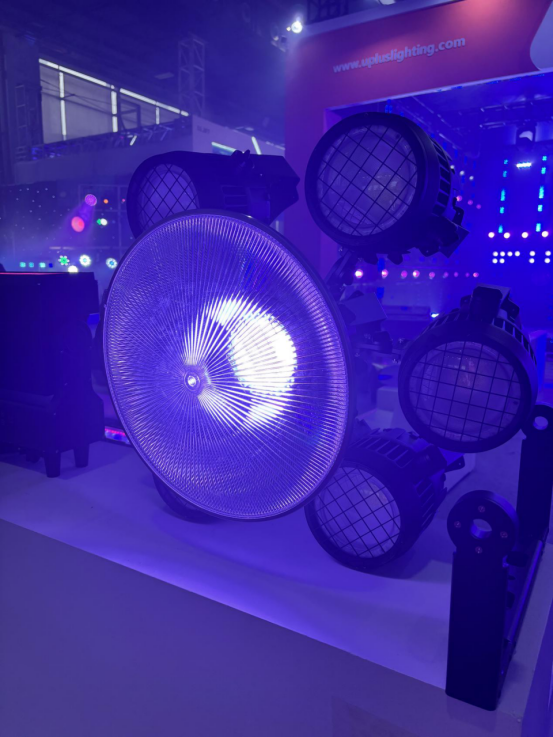
Choosing the right pixel zoom bar moving head is essential for creating dynamic stage lighting effects. In this article, we compare two professional lighting fixtures from UPLUS Lighting: the MH-1240P 12×40W Pixel Zoom Bar Moving Head and the MH600 10×60W Pixel Zoom Bar Moving Head. Both fixtures combine individual pixel control, adjustable zoom, and dynamic lighting effects, but they differ in power consumption, zoom range, auxiliary lighting features, and overall design. Understanding these differences can help lighting designers, rental companies, and event production teams choose suitable equipment for their indoor stage applications.
Why Quality Stage Lighting Matters
Think of a dramatic concert without vibrant, dynamic lighting effects, or think about a theatre show without strategically placed lighting to set the atmosphere. The magic is lost without quality lighting. Professional lighting enhances the performances by creating the perfect setting for the audience in terms of sight, enhancing telling, and setting the mood.
Professional stage lighting requires a balance of brightness, creative effects, precise control, and reliable performance. UPLUS Lighting develops a wide range of professional moving head lights for concerts, theater productions, entertainment venues, and event rental companies. Among these products, the MH-1240P and MH600 offer different combinations of RGBW color mixing, pixel control, and adjustable zoom. By comparing their specifications and practical advantages, lighting professionals can select suitable equipment based on venue size, lighting requirements, installation conditions, and project budgets.
But which one is right for what you want? Let’s take a little closer look at exactly what each model offers.
Meet the MH600 – Power and Precision Combined
The MH600 10×60W Pixel Zoom Bar Moving Head is designed for professional stage productions that require powerful RGBW lighting, dynamic pixel effects, and flexible zoom control. Equipped with 10 × 60W RGBW 4-in-1 LEDs, the MH600 also features cool white, warm white, and RGB auxiliary LED strips for additional visual effects. Its 2.8°–31° zoom range and individual pixel control allow lighting designers to create concentrated beams, colorful patterns, and coordinated lighting sequences. With a 1000W power consumption, this fixture is suitable for indoor concerts, live performances, and entertainment venues requiring versatile lighting effects.
The highlight feature of the MH600 is its versatility in control: thanks to DMX512 control, professionals in the lighting business are able to customize the lights, colors, and effects to fall in perfect rhythm and intensity with any performance. The MH600 also has modes of automatic operation, adding another layer in terms of convenience for those setups that have to be adjusted in a very short time or that require less human control. Power and flexibility are just some of the reasons why MH600 will be among the first choices for stage professionals in search of maximum impact with minimum effort.
The design of the MH600 is equally convenient for management: with a sleek, compact structure and precise tilt movement, it can provide dynamic motion to the stage without being bulky or hard to position. Precision tilt functionality with 16-bit resolution allows smooth, exact positioning and adds yet another layer of control to the lighting designer. Check out this video demonstration to see it in action.
Thus, if you are looking for a powerhouse of light that can work with a wide array of setups, then the MH600 should be your answer.
Introducing the MH-1240P – High Efficiency, Energy Savings
While the MH600 emphasis is on power and performance, the MH-1240P has been designed with efficiency and energy conservation as the selling point. Equipped with a 12*40W pixel zoom bar, this model conveys powerful, even light across an extensive range of angles. The MH-1240P is outstanding in energy-saving capability; it boasts of power consumption of only 500W without frivolous brightness or quality. In addition, this makes it a very good option for eco-conscious professionals and a number of places that have strict power usage limits.
The MH-1240P combines 12 × 40W RGBW LEDs with a flexible 4.5°–50° zoom range, allowing lighting designers to create narrow beams and wider wash effects for different indoor stage applications. It features 144 × 0.5W cool white and warm white auxiliary LEDs, 32-bit 0–100% linear dimming, and a 1–30Hz strobe function. The fixture supports DMX512, RDM, Auto Run, Master-Slave, and Music control, with optional ArtNet functionality for compatible lighting systems. To learn more about its movement, dimming, and strobe features, explore the official MH-1240P technical FAQs from UPLUS Lighting.
Like the MH600, it is designed to provide seamless and highly accurate tilt motion with 16-bit resolution, meaning every light beam will fall exactly where you want it. Its compact size and ease of transportation also make it one of your most convenient options to take along. Check out the performance possibilities of the MH-1240P for yourself in this video.
In short, in applications where high efficiency needs to be balanced with strong performance, the MH-1240P is a smart choice.
Comparing Control, Flexibility and Portability
When choosing between the MH600 and MH-1240P, there are a few key differences to pay attention to in operation: control, flexibility, and portability. Both units boast smooth, high-precision movement capabilities. Tilt and pan functions allow for accurate dynamic positioning of lights, while 16-bit resolution allows for fluid, accurate movements ideal in live performances.
When comparing the MH600 and MH-1240P, lighting professionals should consider DMX channel options, auxiliary lighting features, zoom range, power consumption, and installation requirements. The MH600 supports DMX512, RDM, Auto Run, Master-Slave, and Sound Active control, with 17/27/99/108/168 DMX channel modes. The MH-1240P also supports DMX512 and RDM, with optional ArtNet connectivity for compatible control systems. Both fixtures provide 202° tilt movement and individual pixel control. For detailed programming information, channel definitions, and fixture operation, download the official MH600 DMX user manual.
Also, because both are only moderately small and light, they are also pretty easy to carry about and mount. This portability factor is quite essential when it comes to a touring professional-a person in need of ease in terms of setup, teardown, and transportation of equipment. Whichever one you decide upon, both mixers feature powerful performance in a workable, professional-grade envelope: the MH-1240P and the MH600.
Choosing the Right Lighting Tool for Your Stage
Since we have described the features of both models, let’s choose which one will suit your needs. Though both MH-1240P and MH600 are excellent light solutions, given the type of performance you have in mind, the venue, and control preference, the choice should be made regarding these factors.
The MH600 would be especially fitting for professional users with high power demands and versatility. With its strong RGBW lighting and dynamic zoom, one has great leeway in setting up this apparatus for high-energy performances such as concerts or festivals. MH600 is also ideal for those who need simple control options, where DMX512 and automatic modes allow for easy setup and adaptability.
If energy efficiency and extended control options are crucial for you, then the MH-1240P may be the one better suited to those needs. With regards to saving energy, this model is a great option for places or events where the use of power should be at a minimum. Additional RDM and Art-Net control modes make it a favorite for lighting professionals working on larger or more complex installations. Putting these features together, the efficient power consumption makes the versatile MH-1240P quite workable for professionals who need flexibility without compromising performance.
Choosing between the MH-1240P and MH600 depends on the specific requirements of your production. The MH-1240P offers lower power consumption, a wider specified zoom range, and a lighter body, making it a practical option for indoor stages and rental applications where energy use and transportation are important considerations. The MH600 provides higher-output RGBW LEDs and additional cool white, warm white, and RGB strip effects for creative lighting designs. Both fixtures are rated IP20 and should be used in suitable indoor environments. For outdoor concerts or festivals, consider the IP-MH600 IP65 Waterproof Pixel Zoom Bar Moving Head, which offers weather-resistant protection for professional outdoor lighting applications.
Conclusion
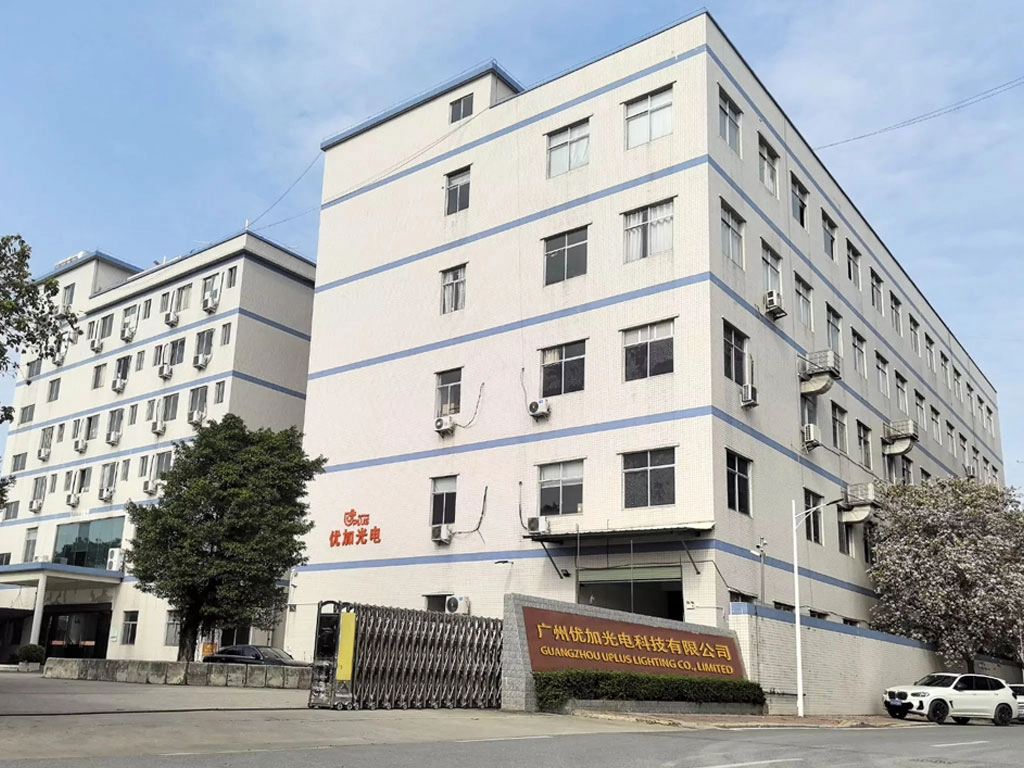
Both the MH-1240P and MH600 demonstrate how modern pixel zoom bar moving heads can provide creative lighting effects for professional stage productions. Choosing the right model depends on power requirements, zoom flexibility, auxiliary lighting effects, control systems, and installation conditions. As a professional stage lighting manufacturer in Guangzhou, China, UPLUS Lighting focuses on the development and production of reliable lighting equipment for rental companies, distributors, lighting designers, and event production teams worldwide. Whether you require versatile pixel lighting for smaller indoor stages or more powerful effects for large productions, our team can help you explore suitable lighting solutions.


 Scan QR Code
Facebook
Instagram
YouTube
VK