






Introduction
Lighting plays a pivotal role in theater, transforming performances from mere acts into immersive experiences. It not only illuminates the stage but also sets the mood, directs the audience’s attention, and highlights the emotions of the scene. Among the various lighting tools, indoor theater spotlights stand out as essential instruments. These spotlights are designed to cast focused beams of light, accentuating key aspects of the performance and ensuring that every detail is visible to the audience.
In this guide, we’ll explore the intricacies of choosing the right indoor theater spotlights. From understanding the underlying technology to selecting the appropriate beam angle, color temperature, control options, and placement, this comprehensive guide will equip you with the knowledge to enhance your theater’s lighting setup effectively.
Understanding Spotlight Technology
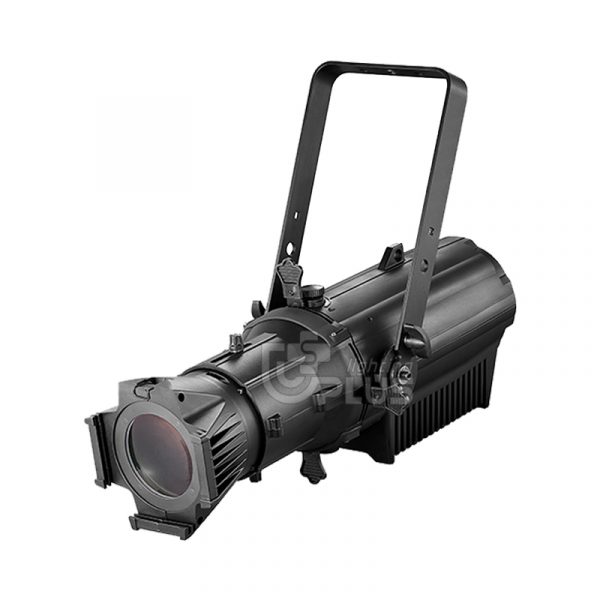
Theater spotlights are specialized lighting fixtures designed to project a focused beam of light onto a specific area of the stage. These lights consist of several key components: the light source, reflector, lens, and housing. The light source generates the illumination, the reflector helps direct the light forward, the lens focuses the beam, and the housing encases the entire setup.
Spotlights come in various types, each utilizing different lighting technologies. The three main types are LED, Halogen, and incandescent lights. Each has its own set of advantages and disadvantages, making them suitable for different applications within theater lighting.
Key Differences Between LED, Halogen, and Other Types of Lights
LED Spotlights : LED (Light Emitting Diode) spotlights have gained popularity due to their energy efficiency, long lifespan, and versatility. They produce bright, clear light with minimal heat output, making them ideal for indoor theaters where heat management is crucial. LEDs are also capable of producing a wide range of colors without the need for additional filters, providing flexibility in lighting design.
Halogen Spotlights: Halogen lights are a type of incandescent light that uses a halogen gas to increase brightness and longevity. They produce a warm, natural light that is highly regarded for its color rendering capabilities. However, halogen lights consume more energy and generate more heat compared to LEDs, which can be a concern in enclosed theater spaces.
Incandescent Spotlights: Traditional incandescent spotlights are known for their warm light and excellent color rendering. However, they are less energy-efficient and have a shorter lifespan compared to LEDs and halogen lights. Due to these drawbacks, they are gradually being phased out in favor of more modern lighting technologies.
How Do You Choose the Right Beam Angle for Your Theater?
Importance of Selecting the Correct Beam Angle
The beam angle of a spotlight determines how wide or narrow the light beam is. Choosing the correct beam angle is crucial for achieving the desired lighting effect on stage. A narrow beam angle (e.g., 10-20 degrees) produces a focused, intense light ideal for highlighting specific actors or small areas. In contrast, a wider beam angle (e.g., 40-60 degrees) covers a broader area, providing general illumination and creating softer, less defined lighting.
When selecting the beam angle, consider the size of the stage, the distance between the spotlight and the target area, and the specific lighting needs of the production. For instance, a narrow beam angle is suitable for accentuating solo performances or specific props, while a wider beam angle is better for general stage illumination and ensemble scenes.
What Impact Do Color Temperatures Have on Stage Performances?
Effects of Various Color Temperatures
Color temperature, measured in Kelvin (K), describes the hue of the light produced by a spotlight. Different color temperatures can evoke different moods and atmospheres, significantly impacting the visual aesthetics of a performance.
Warm White (2700K-3000K): Warm white light creates a cozy, intimate atmosphere, reminiscent of candlelight or early morning sunlight. It is ideal for scenes that require a sense of warmth, nostalgia, or emotional depth.
Neutral White (3500K-4100K): Neutral white light offers a balance between warm and cool tones, providing a natural, realistic appearance. It is versatile and suitable for a wide range of scenes, from indoor settings to outdoor daylight simulations.
Cool White (5000K-6500K) : Cool white light mimics the brightness of daylight and is often used to create a stark, clinical, or high-energy atmosphere. It enhances the visibility of details and is ideal for scenes that require clarity and precision.
Choosing the right color temperature involves considering the emotional tone of the scene, the overall lighting design, and the interplay of different lighting elements on stage.
Which Control Options Enhance Spotlight Functionality?
Overview of Different Control Systems
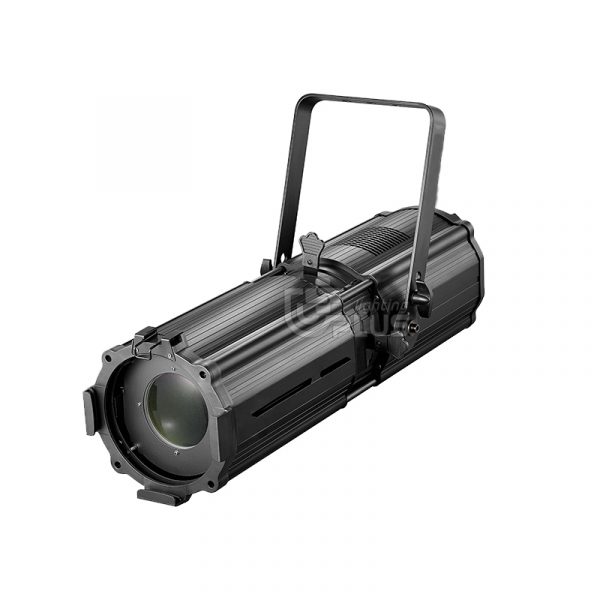
Modern theater spotlights come with various control options that enhance their functionality and adaptability. These control systems allow lighting designers to create dynamic, responsive lighting setups that can change seamlessly during a performance.
Manual Controls: Traditional spotlights are operated manually, with technicians adjusting the beam angle, focus, and color filters as needed. While this method offers hands-on precision, it can be labor-intensive and less flexible during live performances.
DMX Control: Digital Multiplex (DMX) control is a widely used protocol in theater lighting that allows for precise control of multiple lighting fixtures from a central console. DMX controllers can adjust intensity, color, beam angle, and movement, enabling complex lighting cues and synchronized effects.
Wireless Control: Wireless control systems provide the convenience of remote operation, reducing the need for extensive cabling and enabling quick adjustments during rehearsals and performances. These systems often integrate with mobile devices and apps, offering intuitive interfaces for real-time control.
Automated Control: Automated lighting systems use pre-programmed cues and sensors to adjust lighting based on the performance’s progression. These systems can enhance consistency and reduce the need for manual intervention, ensuring smooth transitions and precise timing.
Where Should Spotlights Be Placed for Optimal Effect?
Guidelines for Strategic Placement
The placement of spotlights is critical for achieving the desired lighting effects and ensuring that every aspect of the performance is visible to the audience. Effective placement involves a combination of front, side, and backlighting to create depth, dimension, and focus on the stage.
Front Lighting: Positioning spotlights at the front of the stage illuminates the performers’ faces and front surfaces, making expressions and movements clearly visible. This type of lighting is essential for dialogue-driven scenes and close-up interactions.
Side Lighting: Side lighting adds depth and dimension to the stage by highlighting the contours and shapes of performers and set pieces. It enhances the three-dimensionality of the scene and can be used to create dramatic shadows and effects.
Backlighting: Placing spotlights behind the performers creates silhouettes and highlights the outlines of figures and objects. Backlighting can add a sense of mystery and intrigue, as well as separate the performers from the background.
Overhead Lighting : Overhead spotlights, often mounted on a grid or truss, provide general illumination and can be used to simulate natural light sources like the sun or moon. They are useful for creating consistent lighting across the entire stage.
Accent Lighting: Accent spotlights are used to highlight specific areas, props, or performers. These lights draw the audience’s attention to key elements of the scene, enhancing the storytelling and visual impact.
How to Maintain and Safely Operate Your Theater Spotlights?
Tips for Routine Maintenance and Safety Practices
Maintaining theater spotlights is essential for ensuring their longevity and optimal performance. Regular maintenance and adherence to safety practices can prevent accidents, reduce downtime, and extend the lifespan of your lighting equipment.
Regular Cleaning: Dust and debris can accumulate on the lenses, reflectors, and housings of spotlights, reducing their brightness and clarity. Regular cleaning with appropriate tools and solutions helps maintain optimal light output and prevents overheating.
Inspecting Components: Periodically check all components, including bulbs, lenses, reflectors, and electrical connections, for signs of wear or damage. Replace any worn or faulty parts promptly to avoid malfunctions during performances.
Proper Handling: Handle spotlights with care, especially when transporting or adjusting them. Avoid touching the bulbs with bare hands, as oils from the skin can cause hot spots and reduce the lifespan of the bulbs.
Ventilation : Ensure that spotlights are adequately ventilated to prevent overheating. Avoid obstructing ventilation grilles and consider using fans or cooling systems if necessary.
Safety Protocols: Follow safety protocols when operating spotlights, including securing fixtures to prevent falls, using appropriate personal protective equipment (PPE), and adhering to electrical safety standards.
Conclusion
Choosing the right indoor theater spotlights is crucial for creating memorable and impactful performances. By understanding the technology behind different types of spotlights, selecting the appropriate beam angles and color temperatures, utilizing advanced control systems, strategically placing the lights, and maintaining them properly, you can enhance the overall theatrical experience.
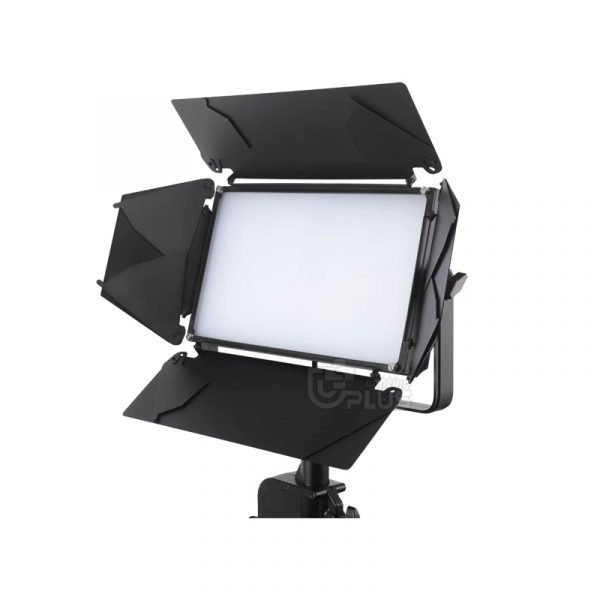
Investing time and resources into the right lighting setup not only improves the visibility and aesthetics of the performance but also contributes to the safety and efficiency of theater operations. As you light the stage, remember that the right spotlights can transform a good performance into a great one, captivating audiences and bringing your artistic vision to life.
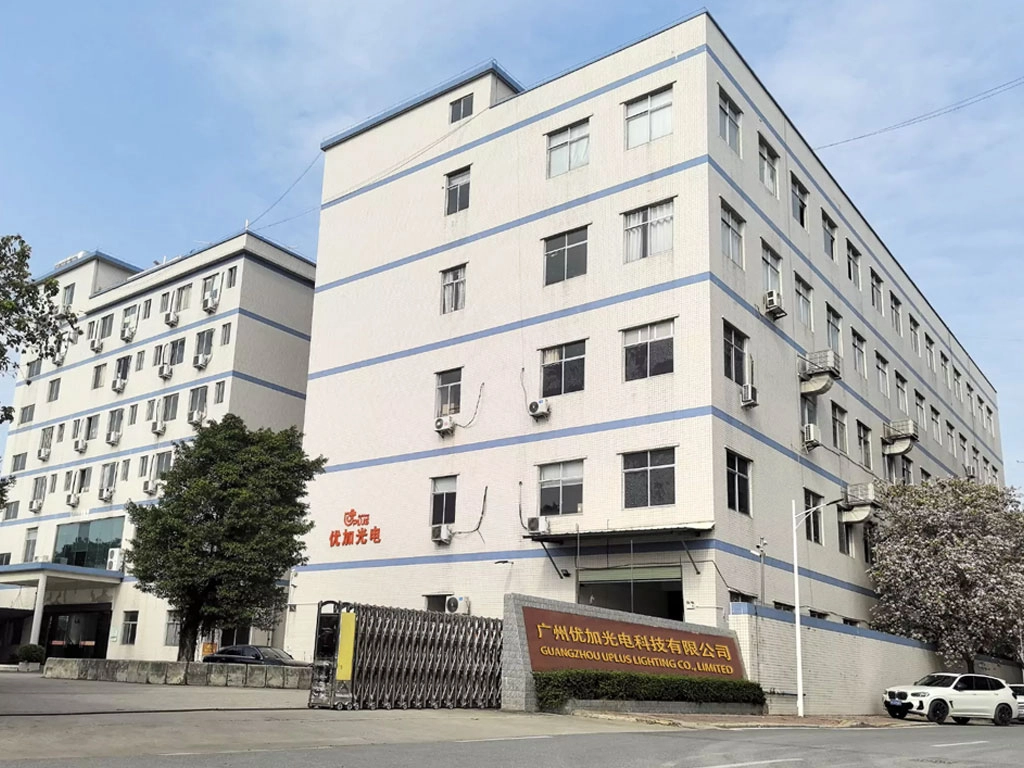
Enhance your theater’s lighting with top-quality spotlights. Discover the perfect indoor theater spotlights to elevate your performances at Uplus Lighting . Browse our selection now and transform your stage into a masterpiece!


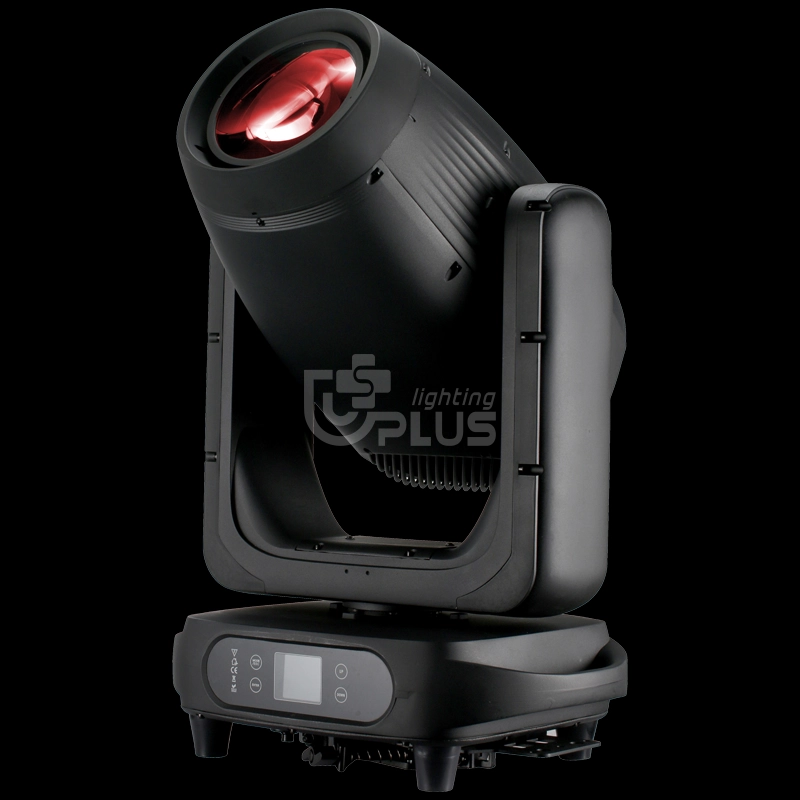
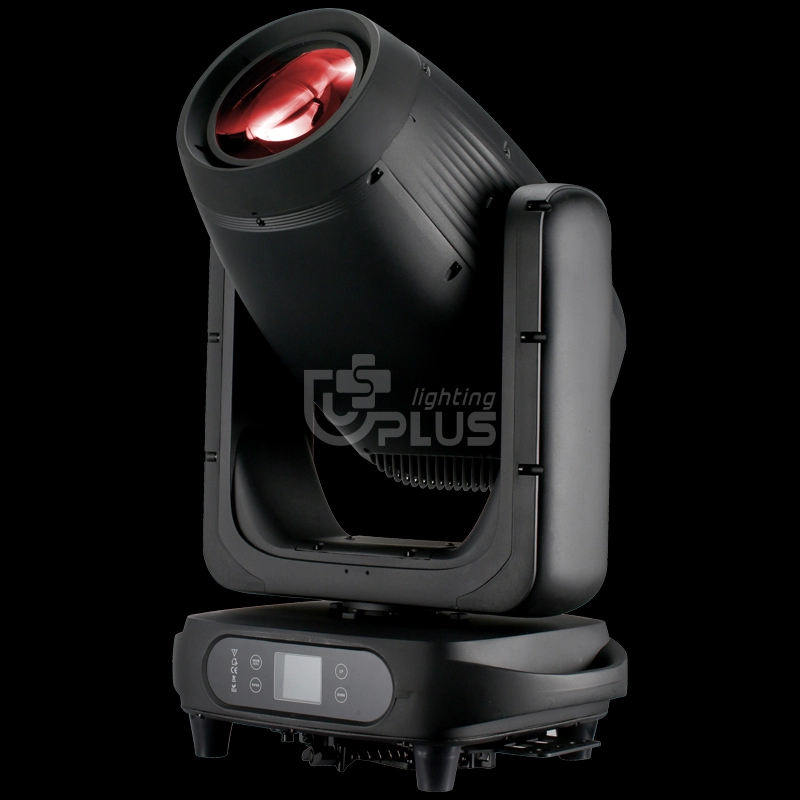
 Scan QR Code
Facebook
Instagram
YouTube
VK