


Introduction
Modern indoor theater spotlights play a vital role in transforming stage performances through precise illumination, controlled shadows, color temperature, and carefully programmed lighting changes. From traditional drama and opera to musicals and dance productions, professional theater lighting helps direct audience attention, highlight performers, and support the emotional development of a story. Choosing appropriate lighting fixtures requires an understanding of beam angles, color rendering, dimming performance, control systems, and stage layout. Explore UPLUS Lighting's professional theater lighting design and stage lighting solutions to discover how different lighting technologies can support theatrical performances and creative stage environments.

Evolution of Theater Lighting
The history of theater lighting is a journey from rudimentary tools to sophisticated technology. In the early days, theaters relied on natural light and candles, creating a basic form of stage illumination. As theater evolved, so did the need for more effective lighting solutions. The introduction of oil lamps in the 16th century provided more reliable light sources, but it was the advent of gas lighting in the 19th century that marked a significant turning point. Gaslights offered brighter and more controllable lighting, transforming the visual experience of theater.
With the advent of gas lighting in the 19th century, theaters saw a significant improvement. Gaslights provided brighter and more controllable lighting, although they posed safety risks. The real transformation began with the introduction of electric lighting in the late 19th and early 20th centuries. Electric lights not only enhanced visibility but also offered new creative possibilities for directors and designers. The ability to dim lights and control their intensity allowed for more nuanced and dynamic stage effects, paving the way for modern theatrical productions.

What are its Technological Advancements
Modern theater lighting technology has expanded the range of tools available to lighting designers. Professional LED spotlights may offer fixed or adjustable beam angles, high color rendering, electronic dimming, DMX control, and different white-light or color-mixing options. LED profile spotlights are particularly useful when precise beam edges and controlled illumination are required for actors, scenery, and specific performance areas. However, different LED fixtures have different optical capabilities: white LED models do not necessarily provide RGB color mixing, and motorized functions depend on the fixture configuration. Explore UPLUS Lighting's professional LED theatre spotlight and stage lighting collection to compare fixed-lens profiles, manual zoom spotlights, motorized zoom fixtures, and other theatrical lighting equipment.
Smart lighting systems have further pushed the boundaries of what’s possible in theater lighting. These systems allow for precise control over each light fixture, enabling dynamic changes during a performance. Lighting designers can program complex sequences that synchronize with music, movement, and dialogue, creating a seamless integration of light and performance. For instance, the use of automated lighting rigs can follow an actor’s movements, ensuring they are always perfectly lit no matter where they are on stage.
Eco-friendly innovations in lighting technology are also making a significant impact. LEDs consume less power and generate less heat compared to traditional lighting, reducing the overall environmental footprint of theater productions. This sustainability aspect is becoming increasingly important as theaters strive to adopt greener practices. Additionally, the longevity of LED lights means fewer replacements and lower maintenance costs, further benefiting both the environment and theater budgets.
How They Enhance Visibility
Precise stage illumination helps audiences see performers' facial expressions, gestures, and important scenic details without introducing unnecessary light spill. For applications requiring controlled beam edges and clearly defined lighting areas, professional LED profile spotlights are often an effective choice. The LED PROFILE FIX 200W/300W LED Ellipsoidal Spotlight offers optional fixed lenses of 19°, 26°, 36°, and 50°, with warm-white 3200K or cool-white 5600K COB LED configurations. Its DMX/RDM control and IP20 indoor housing make it suitable for professional theater lighting applications. By choosing the appropriate beam angle and mounting position, lighting designers can illuminate specific performers or stage areas while maintaining intentional shadows and visual contrast.
Color temperature and accuracy are also vital components of modern theater lighting. The ability to adjust the color temperature of LED spotlights means that lighting designers can create a natural and realistic ambiance. Accurate color representation helps in conveying the intended mood and atmosphere, making the performance more immersive for the audience. For example, a cool blue light can evoke a sense of calm or melancholy, while a warm yellow light can create a cozy, intimate setting.

How They Help in Creating Mood and Atmosphere
Color temperature, beam coverage, dimming, and lighting transitions are essential tools for shaping the atmosphere of a theatrical performance. Warm white lighting can create an intimate setting, while cooler tones and carefully controlled shadows can support more dramatic scenes. For productions requiring adjustable beam coverage, the LED PROFILE AZ 200W/300W Auto Zoom Theater Spotlight provides a motorized zoom range of 15°–38°, allowing lighting technicians to adjust the illuminated area through supported control functions. Available white LED and RGBW configurations offer different lighting options depending on the production requirements. Combining suitable profile spotlights with programmed dimming and color changes can help create smoother transitions between theatrical scenes.
In the West End, lighting designers have mastered the art of using spotlights to enhance performances. A notable example is the production of “Les Misérables,” where lighting is used to reflect the emotional journey of the characters. From the dim, moody lights of the Parisian streets to the bright, hopeful beams in the finale, lighting is integral to the storytelling. The strategic use of shadows and highlights accentuates the dramatic tension and emotional depth of the narrative, drawing the audience into the world of the characters.
Artistic Expression
Modern lighting technology provides unparalleled flexibility and creativity for artists. Designers can experiment with different lighting techniques to achieve unique visual effects. Moving lights, for example, can create dynamic and fluid scenes that change in real-time, adding an extra layer of depth to the performance. The ability to program complex lighting sequences allows for intricate choreography between lights and actors, enhancing the overall visual impact.
Follow spotlights are an important part of theatrical lighting because they allow operators to keep selected performers illuminated as they move across the stage. This technique helps direct audience attention, emphasize important entrances, and highlight emotional moments during a performance. The FP600 600W LED Follow Spot Light is designed for professional theaters and live performances, offering an 8°–12° beam angle, selectable color temperatures of 3200K, 4500K, and 6500K, and a color rendering index of CRI 90 or higher. Its manual focusing functions and optional DMX control provide practical options for theatrical spotlight operation. When combined with profile spotlights and stage wash lighting, follow spots can contribute to more expressive and carefully directed theatrical scenes.
Case Studies
West End
In the West End, lighting innovations are continuously pushing the boundaries of theatrical production. For instance, the production of “Harry Potter and the Cursed Child” uses state-of-the-art lighting to create magical effects that transport the audience into the wizarding world. The seamless integration of lighting with other stage technologies, such as projection mapping and special effects, creates a truly immersive experience. Lighting is used to accentuate key moments, such as the appearance of magical creatures or the casting of spells, enhancing the overall impact of the performance.
Broadway
Broadway productions are renowned for their cutting-edge use of lighting technology . In “Hamilton,” the lighting design plays a crucial role in distinguishing between different time periods and settings. The use of color, intensity, and movement helps to create a dynamic and engaging visual narrative that complements the fast-paced and rhythmic storytelling. The production’s innovative use of lighting not only enhances the aesthetic appeal but also underscores the emotional and thematic elements of the story, making it a groundbreaking example of modern theatrical lighting.
Theater Lighting Design Examples and Technical Considerations
Lighting is not just about visibility and aesthetics; it’s also about creating a connection with the audience. Modern lighting technology allows for more interactive and engaging experiences. For instance, some productions use lighting to break the fourth wall, involving the audience in the performance. This can be achieved through techniques such as spotlighting audience members or using light to guide the audience’s focus and attention.
Professional theater productions use different combinations of profile spotlights, follow spots, wash lights, and moving fixtures to support lighting design. Some productions emphasize tightly controlled actor illumination, while others rely on changing beam angles, color temperature, projected patterns, and programmed transitions to create visual depth. When selecting fixtures for these applications, lighting teams should consider throw distance, beam angle, stage dimensions, color rendering, dimming performance, and control compatibility. For example, fixed-lens profile fixtures may provide stable coverage for specific stage positions, while zoom models offer more flexibility when scenic requirements change. Read our professional guide to choosing profile stage lights by beam angle, lenses, and power to understand the technical factors involved in specifying theater lighting equipment.

The Future of Theater Lighting
As technology continues to advance, the future of theater lighting looks promising. Innovations such as augmented reality (AR) and virtual reality (VR) are starting to make their way into theatrical productions. These technologies have the potential to revolutionize how lighting is used, creating even more immersive and interactive experiences for audiences.
Future theater lighting systems are expected to provide more flexible programming, precise dimming, improved optical control, and better integration with digital stage production technology. Features such as automated cues, motorized zoom, remote configuration, and networked lighting control can help production teams manage complex performances more efficiently. However, AI-based tracking, audience interaction, and real-time sensor control should not be assumed to be standard functions of every theater spotlight. Successful theater lighting projects also depend on equipment selection, installation planning, console programming, and ongoing technical support. UPLUS Lighting provides professional stage lighting installation guidance, control system support, and technical services to help customers review their equipment and project requirements.
Conclusion
Modern indoor theater spotlights contribute to theatrical performances by improving performer visibility, shaping stage environments, and supporting visual storytelling. Different lighting technologies offer different creative possibilities. Fixed-lens LED profile spotlights provide controlled illumination for selected stage areas, motorized zoom profile lights allow adjustable beam coverage, and professional follow spotlights help operators keep performers illuminated during movement.
Choosing the right combination depends on theater dimensions, mounting height, throw distance, beam angle, color rendering, dimming performance, control compatibility, and operating requirements.
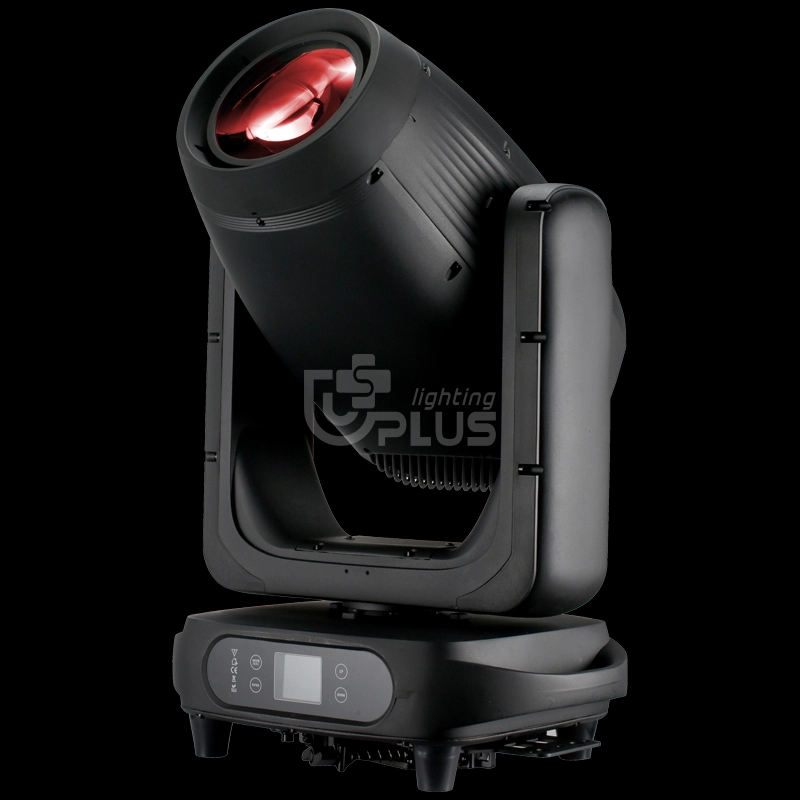
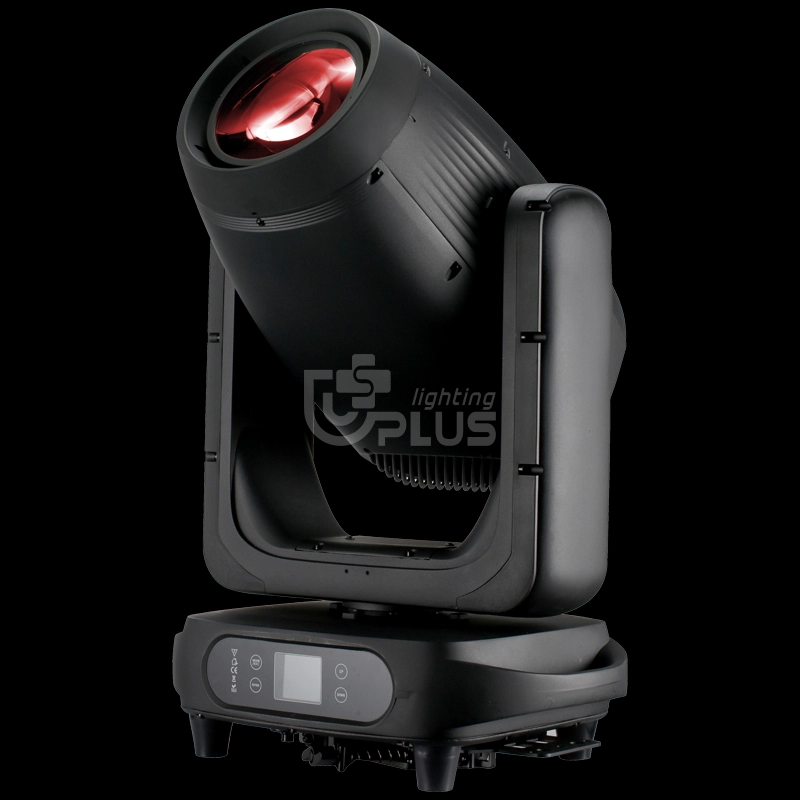
UPLUS Lighting offers professional LED theater spotlights, follow spots, moving heads, and other stage lighting equipment for theaters, opera houses, performance venues, lighting designers, and project contractors. Whether you are upgrading an existing theater or planning a new stage lighting installation, our team can help you compare available models, review technical specifications, and discuss customization or purchasing requirements.
Contact UPLUS Lighting for indoor theater spotlight specifications, lighting recommendations, and professional quotations to explore suitable equipment for your next theatrical production.


 Scan QR Code
Facebook
Instagram
YouTube
VK