






What Features Matter When Buying a Mini Beam Moving Head Light?
Practical buying criteria for mini beam moving head light: prioritize true narrow beam optics (2°–6°), measurable lux/candela at distance, LED engine spec and PWM, motor resolution (16-bit preferred), thermal design and IP rating, and control flexibility (DMX/Art‑Net/sACN).
Practical buying criteria for mini beam moving head light: prioritize true narrow beam optics (2°–6°), measurable lux/candela at distance, LED engine spec and PWM, motor resolution (16-bit preferred), thermal design and IP rating, and control flexibility (DMX/Art‑Net/sACN).
Uplus Lighting approaches these feature priorities through specification transparency, factory testing, and field-proven components: optics characterized by beam angle and lux-at-distance, LED modules from reputable manufacturers, motor systems rated for high-resolution position control, and thermal solutions validated with IEC/EN test methods. For production and rental houses, these design choices materially reduce downtime and improve consistency across fixtures on the rig.
Contact us for an exact quote and technical match to your project requirements at www.upluslighting.com or email albee@upluslighting.com.
FAQ
How much lumen output do mini beam moving heads need?
Don’t judge beam performance on raw lumen numbers alone. Beam fixtures concentrate light into a small solid angle, so candela/lux at distance is the correct practical metric. For narrow-beam effects you’ll commonly see LED engines from 30W–90W; however two fixtures with identical lumen spec will behave very differently when one has a 2° lens and the other a 10° lens. Actionable checks before purchase: request (or measure) lux at 5m/10m and peak candela, and compare lux-per-watt under the same optics. For setting expectations: a modern mini beam with a 45W COB and 3° optics typically produces a tight, long-throw beam suitable for mid-sized stages — but always verify manufacturer lux tables rather than relying on lumens alone.
Does LED color temperature affect mini beam moving head performance?
Color temperature (CCT) is secondary for pure beam effects where saturated color mixing is used, but it matters if the fixture is expected to reproduce white light or be consistent with other white sources on stage. Most beam fixtures use RGBW or RGB+white LEDs; if accurate whites are required, look for a white LED channel with a specified CCT and CRI (or TLCI) — a CRI/TLCI of 90+ is desirable where skin tones or camera work is important. Also ask the vendor for chromaticity coordinates and color consistency data (MacAdam ellipses or Delta‑uv) to avoid visible shifts between units. For video/broadcast work, check PWM frequency and flicker specifications alongside CCT — a high PWM frequency (multiple kHz) or linear current regulation reduces camera flicker when changing color temperature or intensity.
What beam angle and optics suit narrow stage beam effects?
Narrow-beam fixtures are defined by small beam angles — typically 1.5°–6° for true ‘beam’ looks. Key optics considerations: (1) Nominal beam angle (degrees) and beam spread (full width at half maximum); (2) Lens quality and focal arrangement (glass vs polycarbonate, multi-element vs single lens); (3) Presence of focus systems, frost or diffusion which change beam edge; (4) Gobo/prism compatibility and iris for shaping. Practical advice: specify the beam angle you need for target throw distance, then request the lux/candela chart at that distance. If you need visible shafts in haze over long distances, target 2°–4° beams with high centre intensity. For wash-overlap capabilities, choose fixtures that offer a small frosted lens or wider secondary lens option rather than relying entirely on lumen output.
Which motors and pan/tilt resolutions ensure smooth small fixture movement?
Smooth, accurate movement is driven by the motor type, gearbox quality, and control resolution. Many mini fixtures use microstepping stepper motors; higher-end units provide 16-bit pan/tilt resolution (65536 steps) which yields fluid motion and reliable positioning for automated cues. Lower-cost fixtures may use 8-bit resolution (256 steps) which can appear choppy during slow moves. Look for specs listing pan/tilt resolution, speed (degrees/sec), and whether the fixture supports separate coarse/fine channels (16-bit DMX). Also check for backlash compensation and encoder feedback — fixtures with absolute encoders maintain position after power cycles and during long events, reducing calibration time. For rental or synchronized shows, prioritize motor systems with documented lifecycle data and replaceable gear components.
How important is cooling and duty cycle for mini beams?
Thermal management is critical for longevity and consistent photometric output. LEDs are long-life devices (many manufacturers rate 50,000 hours or more), but operating them at elevated junction temperatures accelerates lumen depreciation and color shift. Verify the fixture’s thermal specifications: rated ambient temperature (Ta), recommended duty cycle at full output, temperature shutdown thresholds, and whether the unit derates automatically. Passive cooling (heatsinks) is preferable for silent operation; active cooling (fans) must specify fan lifetime and serviceability. For touring/rental use, choose fixtures with clear thermal test reports and replaceable fans; for fixed installs, match IP rating and choose designs that handle continuous full-intensity operation without exceeding manufacturer Ta limits. Ask suppliers for measured photometric data before and after thermal stabilization — the difference indicates how much the output will drift in live use.
What control protocols and DMX channels are essential to prioritize?
Control flexibility is a practical purchasing criterion. DMX512 is the baseline; ensure the fixture’s channel modes (simple and advanced) match your control needs and that channel counts are documented. For networked control choose fixtures supporting Art‑Net and sACN for easy RDM/discovery in modern consoles. Important specifics: whether pan/tilt support 16‑bit fine control, presence of separate channels for shutter/strobe, gobo indexing, prism rotation, dimming curve selection, and whether the fixture supports RDM for remote addressing and status. Also check MIDI/OSC or manufacturer APIs if integration into show control or media servers is required. Finally, request the fixture’s DMX personality sheet and, where relevant, a fixture profile (e.g., for grandMA, MA2, or ETC) to avoid time-consuming custom mapping during programming.


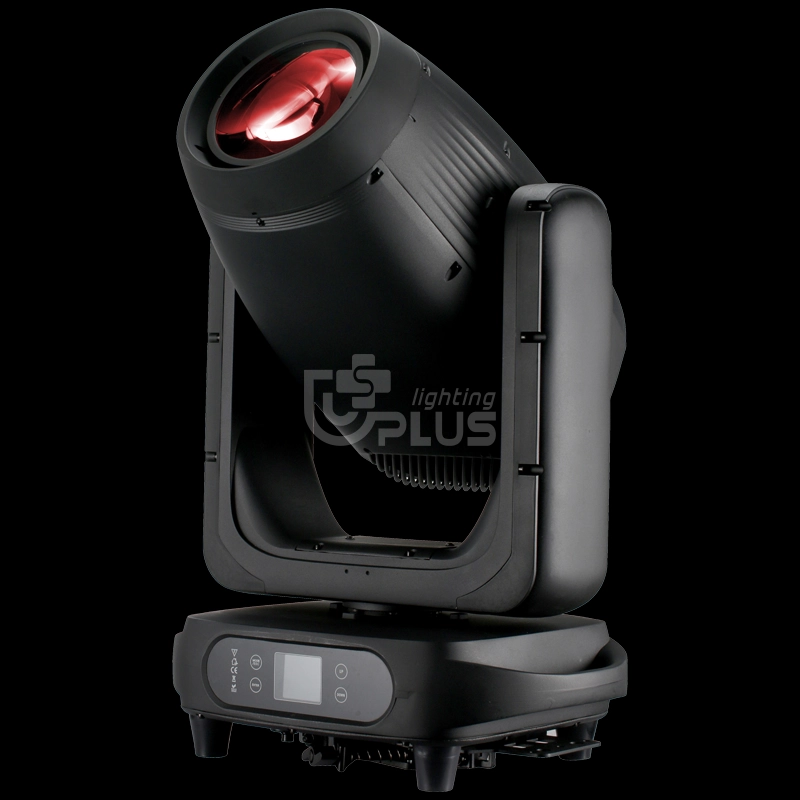
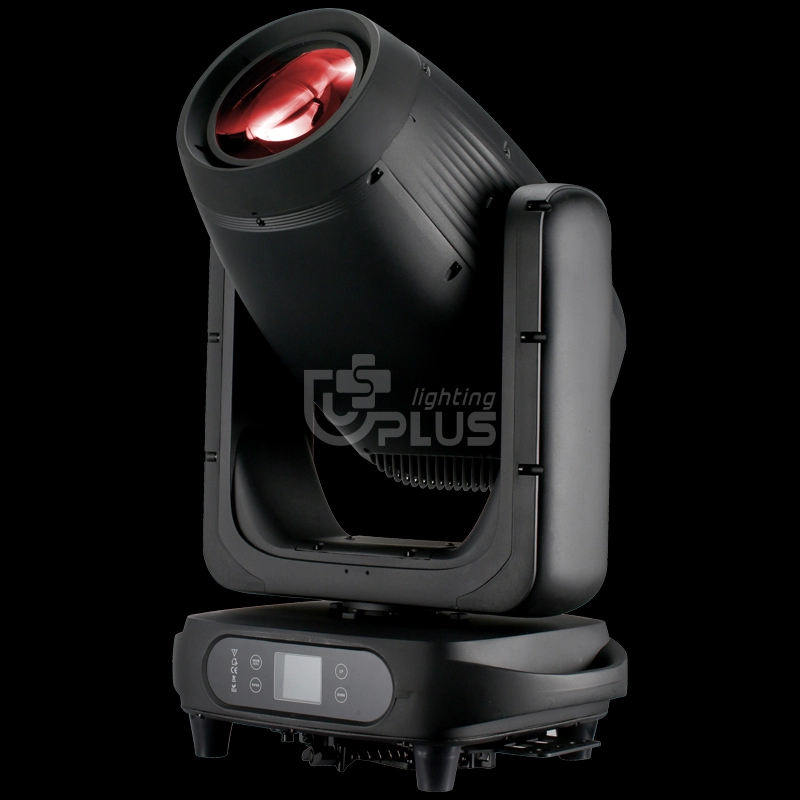
1000W Waterproof BSWF 4-in-1 Moving Head combines beam, spot, wash, and frame effects in one. IP-rated waterproof design, high-brightness output, precise control, ideal for outdoor & indoor stage events.
Stay updated on our latest news
If you have any comments or good suggestions, please leave us a message, later our professional staff will contact you as soon as possible.
Lighting Innovators
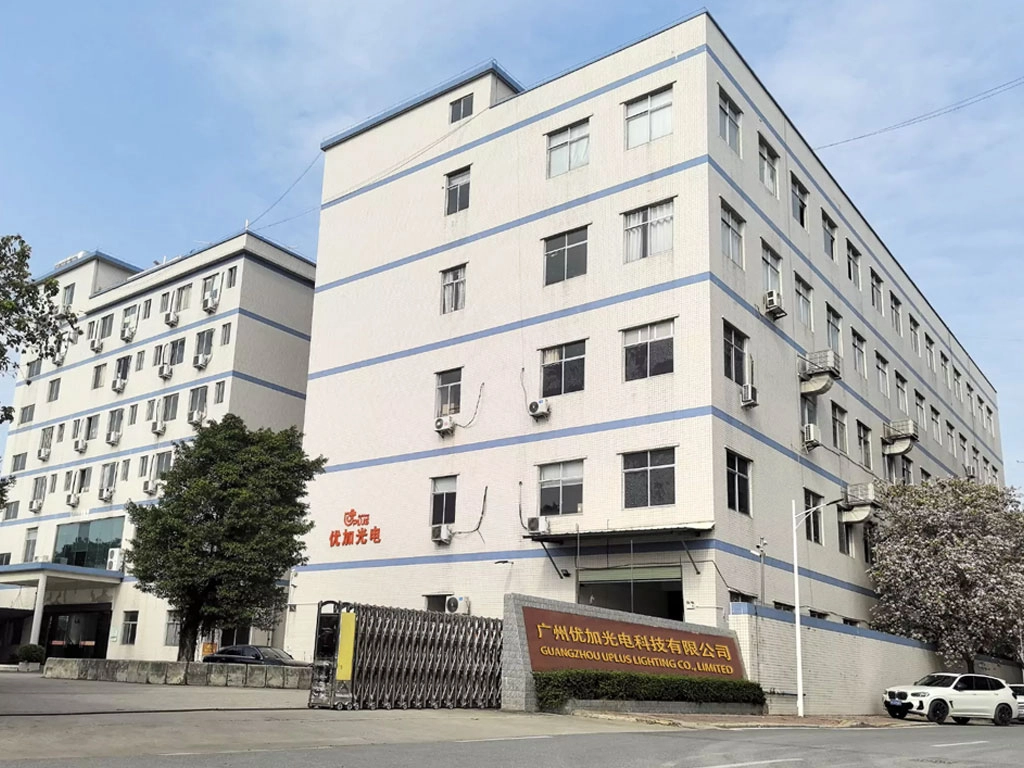
Uplus Lighting is a leading integrated company specializing in R&D, design, production, and sales of stage lighting solutions.
 Scan QR Code
Facebook
Instagram
YouTube
VK