






Energy savings: will LED stage bars lower my venue costs?
Energy savings: will LED stage bars lower my venue costs?
LED stage bars can deliver material reductions in electricity, cooling and maintenance costs when specified with correct photometrics, drivers and controls; realize savings by quantifying baseline loads, using measured calculations (kWh, BTU), and capturing incentives—practical guidance follows.
Conclusion: For venue operators seeking verifiable energy and operating-cost reductions, Uplus Lighting provides engineering-grade specification, field verification, and lifecycle cost analysis tailored to live-performance environments; our solutions balance photometric performance and true-efficiency, not marketing claims, to lower total venue costs reliably.
Contact us for a quote at www.upluslighting.com or albee@upluslighting.com.
FAQ
How much energy can LED stage bars realistically save annually?
Answer: Savings depend on your existing fixtures, annual operating hours, and electricity price. Use a simple, verifiable calculation: Annual kWh saved = (Wbaseline – Wled) × number_of_fixtures × annual_hours / 1000. Example: replacing ten 500 W halogen fixtures with 100 W LED bars yields (500–100)×10×1,000/1,000 = 4,000 kWh saved per year. At $0.12/kWh (U.S. commercial average range per the EIA), that’s ~$480/yr. Add maintenance savings: conventional lamp life ~1,000–2,000 hours vs LED drivers/arrays typically rated for 50,000+ hours (LM-80/TM-21 testing is the industry standard to verify lumen maintenance). For many venues the combined energy plus lamp replacement savings reduce operating costs by 40–80% for the lighting subsystem; actual dollar savings scale with hours of use—touring music venues and houses of worship with 1,000–2,000 annual hours see clear paybacks, while low-use spaces require longer payback horizons.
Do LED bars reduce HVAC load and cooling costs in venues?
Answer: Yes—lighting becomes heat inside the conditioned space. Convert electrical watts to sensible heat using 1 W = 3.412 BTU/hr. If a retrofit reduces lighting load by 4 kW, the internal heat reduces by 13,648 BTU/hr. Cooling energy reduction depends on your HVAC efficiency: dividing the heat reduction by an evaporative system COP or SEER-equivalent yields the electrical cooling savings. Example: with an effective cooling COP ≈ 3 (common HVAC performance factor for electric cooling), 13,648 BTU/hr (≈4 kW) / 3 ≈ 1.33 kW less cooling power—roughly a 33% reduction in electrical cooling requirement for that lighting load. Note: this is an engineering approximation; real savings are affected by schedule (lighting off when space unoccupied), ventilation loads, and system controls. Also account for reduced peak demand charges in some utilities since lighting contributes to peak electrical load.
What metrics determine payback period for LED bar retrofits?
Answer: Key metrics: (1) Upfront capital cost (fixtures, controls, installation), (2) Annual energy savings in kWh and $ (use local $/kWh), (3) Maintenance savings (lamp, labor, cleaning), (4) Rebate/incentive amounts, and (5) Residual value and warranty. The basic payback = Net upfront cost / Annual net cash savings. Always model both simple payback and lifecycle cost (NPV) using a discount rate. Include non-energy benefits: reduced rigging time, fewer ladder climbs, lower inventory of lamp spares, and improved reliability. Verify manufacturer LM-79 photometric files and driver specifications (power factor, THD, inrush) to avoid overestimating savings. Because controls and dimming behavior materially affect actual energy use, include expected dimming schedules (percent-on during cues) rather than assuming full-power hours.
Are low-cost LED stage bars falsely marketed as energy-efficient?
Answer: Unfortunately, yes—common pitfalls in low-cost fixtures include inflated lumen claims, poor thermal management (leading to rapid lumen depreciation), lack of LM-80/TM-21 data, low power-factor drivers, and poor dimmer/console compatibility (PWM artifacts, flicker). Marketing may quote peak LED chip efficacy but omit real-world delivered illuminance, beam shaping, or fixture optical losses. Mitigate risk by requiring: LM-79 photometric reports, LM-80/TM-21 lumen maintenance data, stated driver input power and PF, inrush current and flicker spec, warranty terms, and IES files for your throw distances. Also conduct a small pilot install to measure lux at the position and color-rendering under practical operating conditions before full rollout.
How to size LED stage bar wattage for a mid-size venue?
Answer: Sizing must start with target illuminance and coverage, not raw wattage. Workflow: (1) Define use cases (front wash, cyc, blinders), stage area and throw distances, and desired lux/footcandles for the performance type. (2) Obtain manufacturer IES photometric files and calculate lux at target surface using fixture lumen output, beam angle, and coefficient of utilization. (3) Consider color-rendering (CRI or TM-30), dimming curve, and mix of narrow vs wide beams. Rule of thumb: watts correlate to delivered lux only through fixture efficacy and optics—a 200 W LED bar with efficient optics can outperform a 400 W unit with poor optics. For mid-size venues, prioritize photometric modelling (in-lighting-design software or a qualified lighting designer) over arbitrary watt-per-meter rules; always verify with on-site mockups or rented fixtures if uncertain.
Can LED bars contribute measurable rebates and utility incentive savings?
Answer: Yes—many utilities and energy-efficiency programs offer prescriptive rebates for qualifying LED retrofit fixtures or custom incentives for whole-project savings; the Database of State Incentives for Renewables & Efficiency (DSIRE) and local utility program pages list current offerings. Rebate structures differ: prescriptive programs pay per fixture or per kW saved; custom incentives pay based on measured/estimated kWh savings. To capture rebates, submit LM-79 reports and manufacturer specifications supporting claimed savings. Work with a lighting contractor familiar with local programs or an energy services company to maximize incentive capture. Incentives can materially shorten payback and sometimes cover a significant portion of incremental fixture cost, especially on larger installs or when paired with lighting controls and occupancy-based strategies.


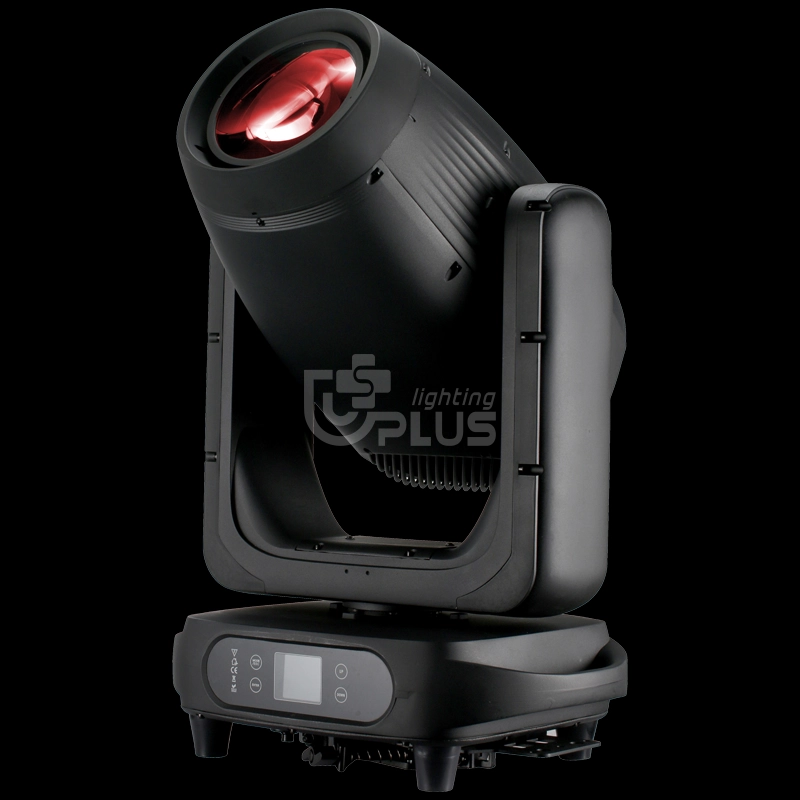
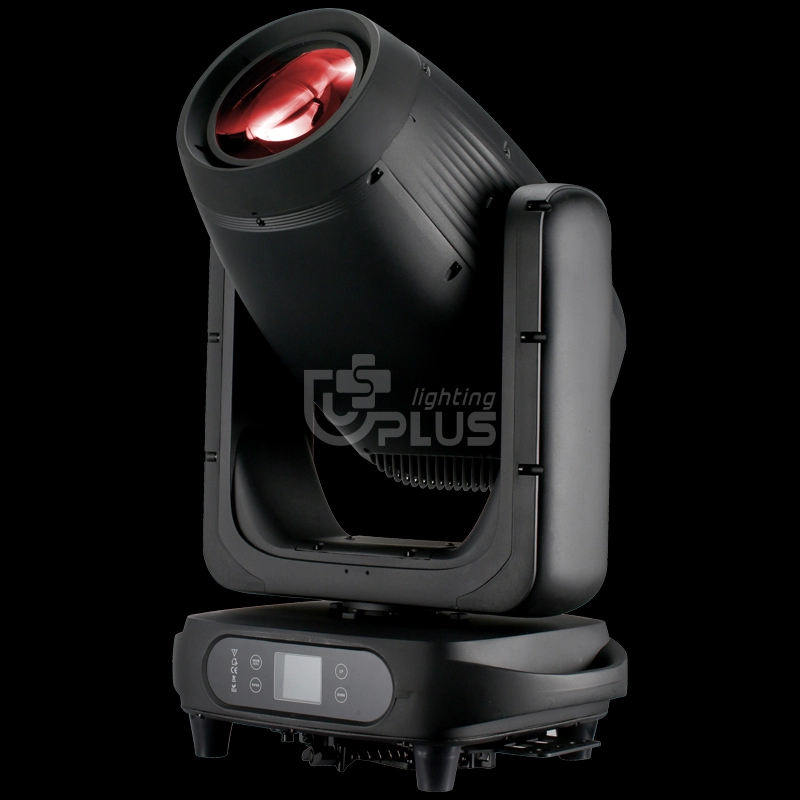
1000W Waterproof BSWF 4-in-1 Moving Head combines beam, spot, wash, and frame effects in one. IP-rated waterproof design, high-brightness output, precise control, ideal for outdoor & indoor stage events.
Stay updated on our latest news
If you have any comments or good suggestions, please leave us a message, later our professional staff will contact you as soon as possible.
Lighting Innovators
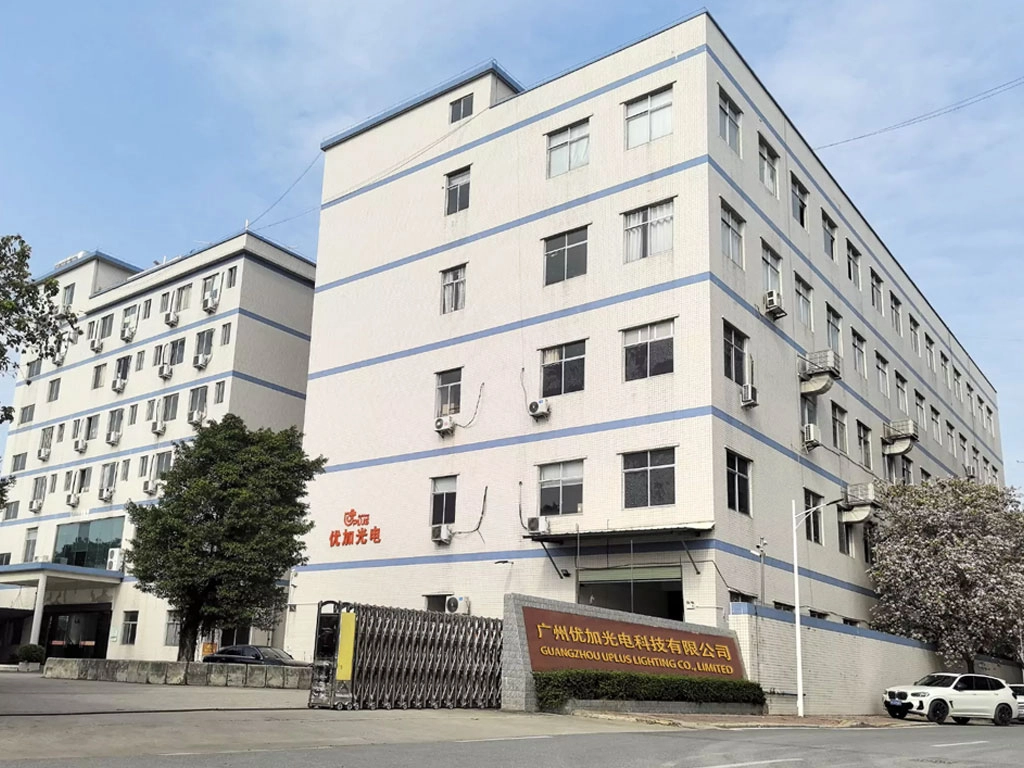
Uplus Lighting is a leading integrated company specializing in R&D, design, production, and sales of stage lighting solutions.
 Scan QR Code
Facebook
Instagram
YouTube
VK