Introduction
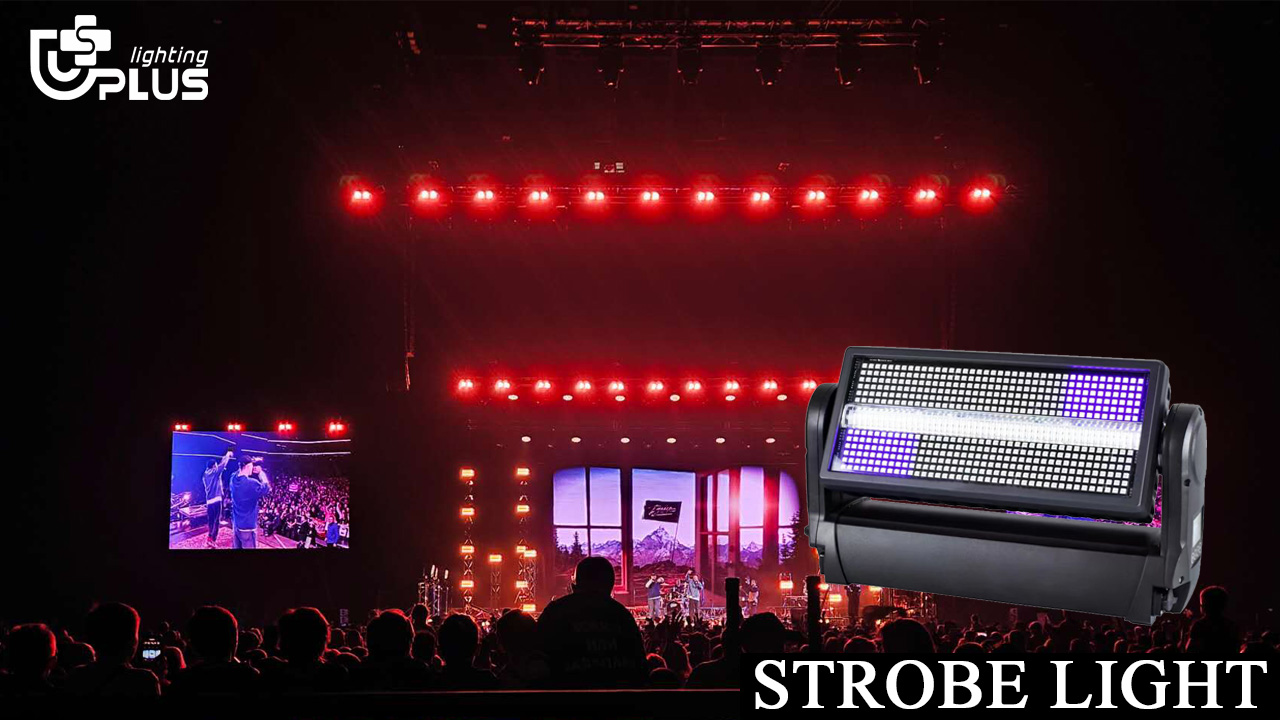
If you’ve ever attended a live concert, music festival, or EDM show, you’ve definitely experienced the striking flash of strobe lights. These fast-flashing stage lights are a staple of modern live performances, from pop and rock concerts to electronic dance music festivals and theatrical live shows. Many audience members wonder: why do concerts use strobe lights extensively despite their intense visual stimulation?
Strobe lights are not just random stage decorations. As a core professional stage lighting device, they are carefully programmed and synchronized with music beats, performance rhythms, and stage plots. They serve multiple functional and artistic purposes, helping performers deliver immersive, high-energy shows and boosting audience interaction. In this guide, we will break down the key reasons why strobe lights are indispensable for concert productions, their visual and psychological effects, and essential safety notes.
1. Sync With Music Rhythm to Amplify Musical Dynamics
The primary reason concerts use strobe lights is to bridge visual and auditory experiences through precise rhythm synchronization. Professional lighting technicians program strobe lights to flash in perfect alignment with music beats, drops, tempos, and climactic segments of songs.
For fast-paced genres like EDM, hip-hop, rock, and pop, the rapid flashing frequency of strobe lights matches the high-tempo rhythm of the music. When the music hits a powerful drop or intense chorus, synchronized strobe flashes strengthen the sense of musical cadence, making the audience physically feel the rhythm instead of just hearing it. For slow-tempo ballads, low-frequency soft strobes can create a gentle, immersive musical texture, enriching the layered expression of live music.
This audio-visual synchronization eliminates the separation between sound and vision, making the entire performance more cohesive and dynamic, which is why strobe lighting is a must-have for mainstream live music events.
2. Create Immersive & Dynamic Stage Atmosphere
Concert atmosphere is the core of live show charm, and strobe lights are one of the most effective tools for shaping diverse stage moods. Unlike static stage lights that only provide basic illumination, strobe lights create dramatic light and shadow contrast through intermittent, high-brightness flashes.
High-speed dense strobe flashes build a passionate, explosive, and energetic atmosphere, perfectly fitting the hype of music festivals and dance concerts. In contrast, slow, spaced strobe flashes can create tense, mysterious, or dreamy emotional tones, adapting to different performance plots and musical styles. Colorful LED strobe lights further enrich the scene rendering, turning a plain stage into a vivid, changing visual space.
By adjusting flash frequency, brightness, and color, lighting designers can freely switch performance moods, ensuring every segment of the concert has a matching immersive atmosphere.
3. Highlight Key Performance Moments & Visual Focus
Another critical purpose of concert strobe lights is to guide audience attention and highlight core performance highlights. During concerts, there are many key moments, including singer high notes, guitar solos, dance breaks, stage transitions, and performance climaxes.
Technicians will trigger intense strobe effects at these key nodes. The sudden change from dim stage lighting to bright flashing lights instantly grabs the audience’s line of sight, emphasizing the importance of the current performance segment. This visual amplification greatly enhances the dramatic tension of the show, making classic performance moments more impressive and memorable for the audience.
In large-scale concerts with multi-person performances and complex stage layouts, strobe lights can also effectively focus scattered visual attention, ensuring the audience keeps their eyes on the core performance area.
4. Boost Audience Engagement & Interactive Experience
Live concerts emphasize interaction and resonance between performers and the audience, and strobe lights play a vital role in activating the on-site atmosphere. Rhythmic strobe flashes can drive the audience’s body rhythm, making spectators unconsciously sway, jump, and follow the music beat.
For music festivals and outdoor concerts with large crowds, sweeping strobe light beams cover the entire venue, wrapping the audience in an all-round light and shadow atmosphere. This breaks the boundary between the stage and the audience, turning passive viewing into active immersive participation. The unified audio-visual rhythm forms a strong collective emotional resonance, greatly improving the on-site activity and sense of ceremony of the concert.
5. Create Unique Visual Illusion Effects
Strobe lights can produce unique stop-motion and slow-motion visual illusions that no other stage lighting can replicate. Human vision retains images for a short time, and the high-frequency intermittent flashing of strobe lights cuts continuous movements into frame-by-frame static pictures.
This effect makes dancers’ movements and performers’ stage postures present a cool, segmented stop-motion feeling, adding a strong sense of technology and fashion to the performance. This unique visual charm is especially popular in modern dance, street dance, and electronic music performances, helping concerts create exclusive and stunning visual highlights.
6. Professional Stage & Shooting Auxiliary Functions
Beyond artistic effects, strobe lights also have practical professional functions for concert production. High-brightness strobe flashes can fill stage light gaps in real time, ensuring uniform stage brightness during dynamic performance processes and avoiding dark dead angles.
Meanwhile, reasonably programmed strobe lighting optimizes the shooting effect of on-site cameras and live broadcast equipment. The rhythmic light changes enrich the layering of live footage, making concert videos and live streams more visually attractive, which is conducive to secondary communication and exposure of the concert.
Important Safety Notes for Concert Strobe Lights
While strobe lights bring excellent stage effects, formal concert teams always follow strict safety specifications. High-frequency strobe lights may cause discomfort for audiences with photosensitive epilepsy, migraine sensitivity, or visual fatigue.
Standard concerts will set reasonable strobe duration and frequency, avoid long-term uninterrupted high-intensity flashing, and place obvious strobe light warning signs at the venue entrance. This balances stage effect and audience viewing safety, which is the standard operation of professional concert lighting design.
FAQs About Strobe Lights in Concerts
Q1: Why do EDM concerts use strobe lights the most?
EDM music features fast tempos, strong beats, and frequent musical drops. Strobe lights can perfectly synchronize with these rhythmic changes, amplifying the dynamic and explosive sense of electronic music. The high-energy visual effect matches the passionate, interactive atmosphere of EDM festivals, so strobe lights are the core lighting effect for EDM live shows.
Q2: Are concert strobe lights harmful to eyes?
Standard concert strobe lighting is professionally programmed with controlled frequency, brightness and duration, which is safe for most people. However, people with photosensitive epilepsy, severe myopia, or visual sensitivity may feel dizzy and uncomfortable. It is recommended for sensitive groups to avoid staying in the core lighting area or watch the show with protective measures.
Q3: What’s the difference between strobe lights and normal stage lights?
Ordinary stage lights focus on stable illumination and basic atmosphere rendering. Strobe lights feature intermittent high-speed flashing, which can synchronize with music rhythm, create stop-motion visual illusions, and produce strong light and shadow contrast. They are more dynamic and impactful, specially used for highlighting performance climaxes and activating on-site atmosphere.
Q4: Do all concerts need strobe lights?
No. Slow-tempo folk music, classical music, and quiet acoustic concerts usually do not use strobe lights to avoid breaking the gentle and peaceful atmosphere. Strobe lights are mainly used in high-energy live shows such as pop, rock, hip-hop, EDM concerts and music festivals.
Conclusion
To sum up, concerts use strobe lights not for fancy decoration, but for professional artistic and practical needs. From synchronizing music rhythm, creating immersive stage atmosphere, highlighting performance highlights, and activating audience interaction, to creating unique visual illusions and optimizing live broadcast effects, strobe lights are an irreplaceable part of modern concert stage design.
When reasonably applied with safety specifications, strobe lights greatly upgrade the viewing experience of live concerts, making every live performance more vivid, shocking and memorable.









 Scan QR Code
Facebook
Instagram
YouTube
VK