






What DMX Controls Do Moving Heads Need for Shows?
Stage light moving heads are pivotal in modern stage lighting, offering dynamic movement and versatile effects. Understanding their operation and the intricacies of DMX controls is crucial for both novices and seasoned professionals. Below, we delve into six specific, pain-point-oriented questions frequently posed by beginners, providing in-depth answers to each.
1. How Do I Properly Address Multiple Moving Head Lights in a DMX System to Prevent Channel Conflicts?
Addressing multiple moving head lights correctly is essential to ensure each fixture responds accurately to control signals. Each moving head light requires a unique DMX start address, which determines the range of channels it occupies. For instance, if a moving head uses 16 channels and is set to start at address 33, it will occupy channels 33 to 48. To prevent conflicts, plan your addressing scheme meticulously, ensuring no two fixtures share the same start address. Utilizing a DMX addressing spreadsheet can aid in organizing and tracking addresses effectively.
2. What Are the Essential DMX Channels I Need to Control for Comprehensive Functionality of Moving Head Lights?
Moving head lights typically utilize multiple DMX channels, each controlling specific functions. A standard 16-channel moving head might include:
Channel 1: Pan (coarse)
Channel 2: Tilt (coarse)
Channel 3: Pan (fine)
Channel 4: Tilt (fine)
Channel 5: Color wheel
Channel 6: Gobo wheel
Channel 7: Dimmer
Channel 8: Strobe
Channel 9: Focus
Channel 10: Zoom
Channel 11: Prism
Channel 12: Frost
Channel 13: Pan speed
Channel 14: Tilt speed
Channel 15: Pan acceleration
Channel 16: Tilt acceleration
Understanding these channels allows for precise control over the fixture's movements and effects.
3. How Do I Integrate Moving Head Lights into a Networked Lighting System Using Art-Net or sACN Protocols?
Integrating moving head lights into a networked lighting system enhances control and scalability. Protocols like Art-Net and sACN encapsulate DMX data over IP networks, allowing for multiple DMX universes and flexible routing. To implement this:
Network Configuration: Set up a dedicated network for lighting control to prevent interference from other systems.
Fixture Compatibility: Ensure your moving head lights support Art-Net or sACN protocols.
Addressing: Assign unique IP addresses to each fixture and configure them to listen to the appropriate DMX universes.
Control Software: Use compatible lighting control software to manage and program the fixtures.
This setup allows for centralized control and the ability to manage a large number of fixtures efficiently.
4. What Are the Common Challenges When Programming Moving Head Lights and How Can I Overcome Them?
Programming moving head lights can present several challenges:
Address Conflicts: Ensure each fixture has a unique DMX address to prevent overlapping control signals.
Signal Integrity: Use quality DMX cables and terminators to maintain signal strength and prevent data loss.
Fixture Profiles: Verify that your control software has accurate profiles for your specific moving head models to ensure correct channel mapping.
Movement Calibration: Regularly calibrate the pan and tilt movements to ensure precise positioning.
Addressing these issues involves meticulous planning, regular maintenance, and thorough testing before live events.
5. How Do I Choose the Right Moving Head Light for My Stage Production Needs?
Selecting the appropriate moving head light involves considering:
Light Source: LEDs offer energy efficiency and longevity, while discharge lamps provide higher intensity.
Brightness: Measured in lumens, higher outputs are suitable for larger venues.
Beam Angle and Zoom Range: Determine the desired coverage area and effect.
Control Compatibility: Ensure the fixture is compatible with your existing control systems.
Build Quality: Consider the fixture's durability and suitability for the venue's environment.
Assessing these factors will help in selecting a fixture that aligns with your production requirements.
6. What Are the Best Practices for Maintaining Moving Head Lights to Ensure Longevity and Optimal Performance?
Proper maintenance includes:
Regular Cleaning: Keep lenses and reflectors free from dust to maintain light output.
Cooling System Checks: Ensure fans and vents are unobstructed to prevent overheating.
Firmware Updates: Keep the fixture's firmware updated to access new features and fixes.
Rigging Inspections: Regularly check mounting hardware and safety cables for integrity.
Implementing these practices will extend the lifespan of your moving head lights and ensure consistent performance.
Understanding these aspects of moving head lights and DMX controls will empower you to create dynamic and professional lighting designs for your stage productions.
For personalized advice or to request a quote, please contact us at albee@upluslighting.com.


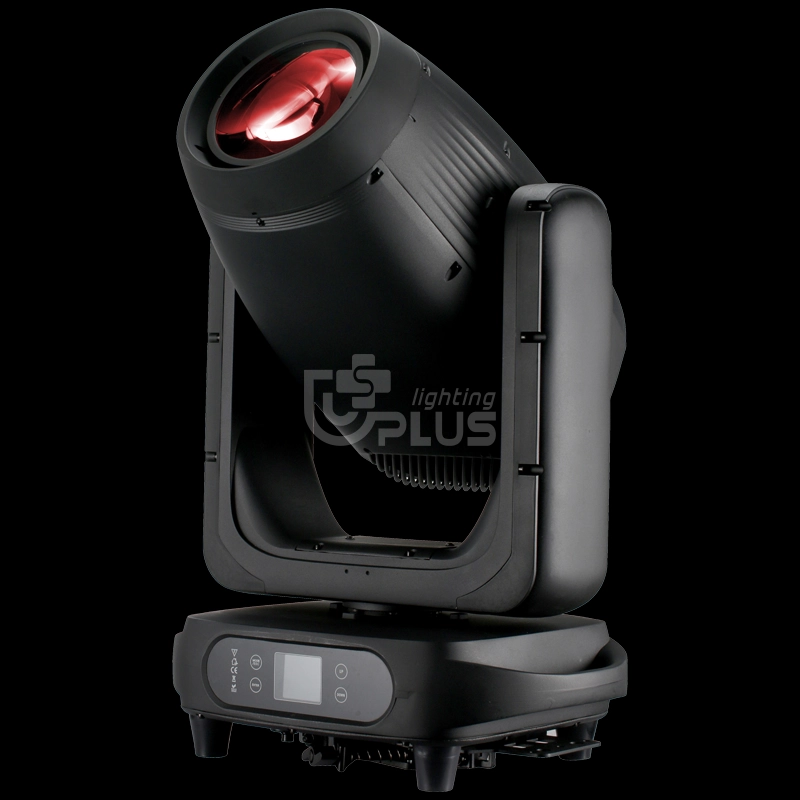
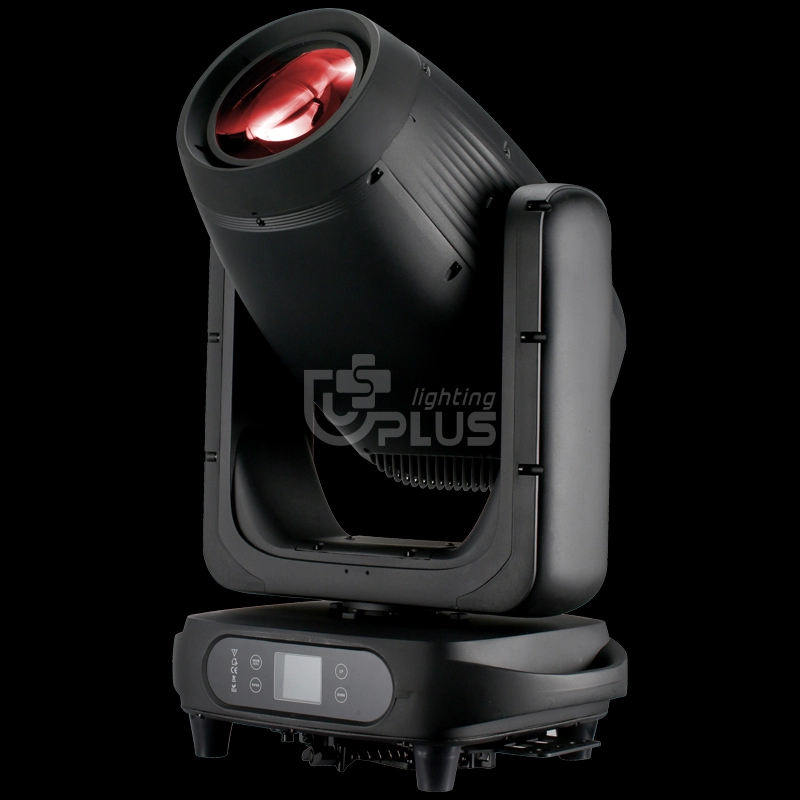
1000W Waterproof BSWF 4-in-1 Moving Head combines beam, spot, wash, and frame effects in one. IP-rated waterproof design, high-brightness output, precise control, ideal for outdoor & indoor stage events.
Stay updated on our latest news
If you have any comments or good suggestions, please leave us a message, later our professional staff will contact you as soon as possible.
Lighting Innovators
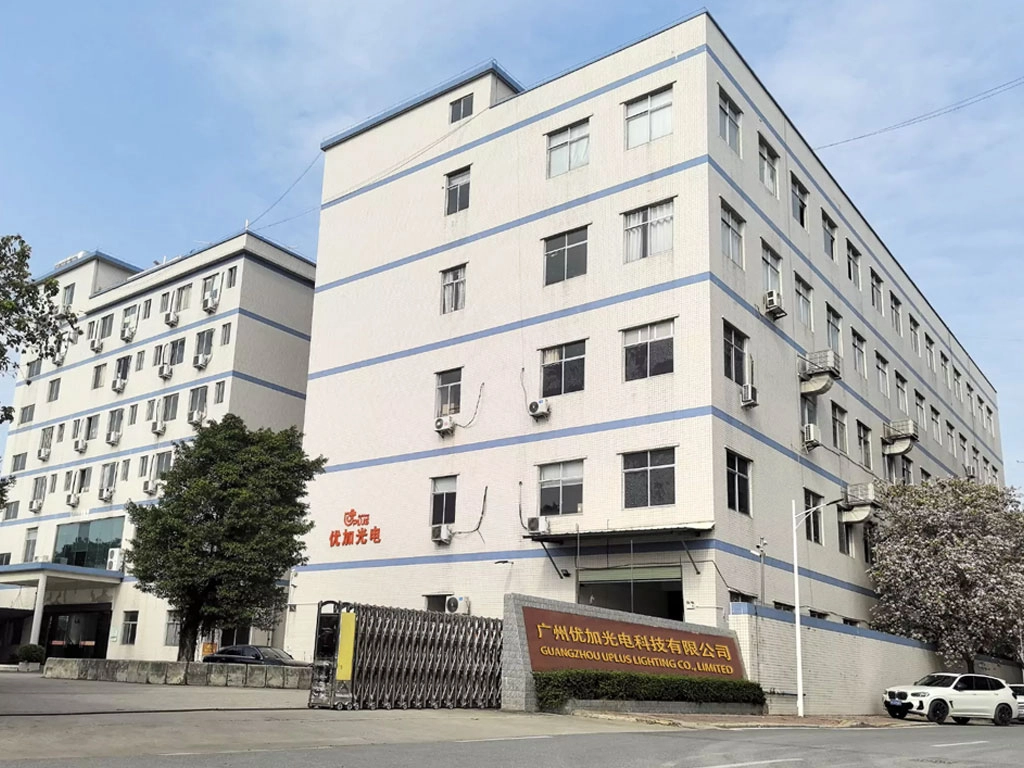
Uplus Lighting is a leading integrated company specializing in R&D, design, production, and sales of stage lighting solutions.
 Scan QR Code
Facebook
Instagram
YouTube
VK