






Which laser light moving head features matter for touring rigs?
Selecting the right laser light moving head is crucial for touring productions, ensuring both visual impact and operational reliability. Below are six specific questions frequently asked by beginners, along with in-depth answers to guide your decision-making process.
1. What are the key features to consider when selecting a laser light moving head for touring rigs?
When choosing a laser light moving head for touring, consider the following features:
Optical Performance: Ensure the fixture offers high-quality optics with minimal beam divergence for sharp, focused beams.
Beam Quality: Look for fixtures that maintain beam integrity over distance, providing consistent brightness and color saturation.
Control Compatibility: Verify that the fixture supports industry-standard control protocols such as DMX512, Art-Net, or sACN for seamless integration into your lighting system.
Durability: Opt for fixtures with robust construction and effective cooling systems to withstand the rigors of touring.
Safety Compliance: Ensure the fixture meets safety standards and includes features like beam diffusers to protect the audience.
2. How does beam divergence affect the performance of a laser light moving head in large venues?
Beam divergence refers to the angle at which the laser beam spreads as it travels. In large venues, a fixture with minimal beam divergence is essential to maintain a tight, focused beam over long distances. Excessive divergence can result in a diffused beam, reducing the visual impact and clarity of aerial effects. Therefore, selecting a fixture with low beam divergence ensures that the laser effects remain sharp and vibrant, even in expansive spaces.
3. What are the advantages of integrating laser light moving heads with other lighting fixtures in a touring rig?
Integrating laser light moving heads with other lighting fixtures offers several benefits:
Enhanced Visual Effects: Combining lasers with LED moving heads or wash lights creates dynamic and layered visual effects, enriching the overall stage presentation.
Versatility: A hybrid setup allows for a wide range of effects, from sharp aerial beams to soft washes, catering to various performance styles and venue sizes.
Operational Efficiency: Integrating fixtures can streamline control and reduce setup complexity, allowing for more efficient rigging and operation during tours.
4. How do control protocols like DMX512, Art-Net, and sACN influence the integration of laser light moving heads in touring rigs?
Control protocols determine how lighting fixtures communicate with the lighting console and other equipment:
DMX512: A widely used protocol that allows for direct control of lighting fixtures, suitable for smaller setups.
Art-Net and sACN: Network-based protocols that enable control over Ethernet, supporting larger setups with more fixtures and complex configurations.
Choosing laser light moving heads that support these protocols ensures compatibility and flexibility in integrating them into your touring rig, facilitating efficient control and synchronization of lighting effects.
5. What maintenance considerations should be taken into account for laser light moving heads during tours?
Proper maintenance is vital to ensure the longevity and reliable performance of laser light moving heads:
Regular Cleaning: Periodically clean lenses and mirrors to prevent dust buildup, which can degrade beam quality.
Cooling System Inspection: Check fans and ventilation systems to ensure they are functioning correctly, preventing overheating during extended use.
Firmware Updates: Keep the fixture's firmware up to date to benefit from the latest features and performance improvements.
Component Checks: Regularly inspect moving parts, such as motors and gears, for signs of wear and lubricate as needed to maintain smooth operation.
6. How do safety features in laser light moving heads protect both performers and the audience during live shows?
Safety features are crucial in laser light moving heads to prevent potential hazards:
Beam Diffusers: These components scatter the laser beam, reducing its intensity and preventing direct exposure to the audience.
Safety Certifications: Ensure the fixture complies with international safety standards, such as IEC 60825-1, which governs laser equipment safety.
Emergency Stop Mechanisms: Fixtures should include accessible emergency stop buttons to immediately halt operation in case of an emergency.
Beam Positioning: Properly positioning the laser beams away from the audience and using beam blockers can further enhance safety during performances.
Conclusion
Selecting the appropriate laser light moving head for your touring rig involves careful consideration of optical performance, beam quality, control compatibility, durability, and safety features. By addressing these factors, you can ensure a visually captivating and safe experience for both performers and audiences.
For personalized recommendations and to explore our range of laser light moving heads, please contact us at albee@upluslighting.com or visit our website at www.upluslighting.com.


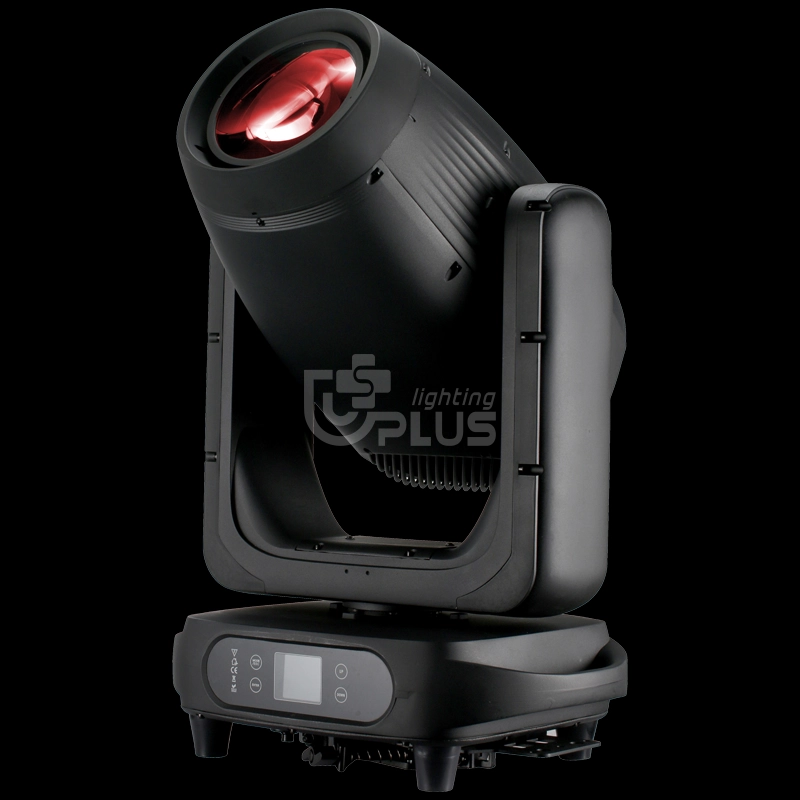
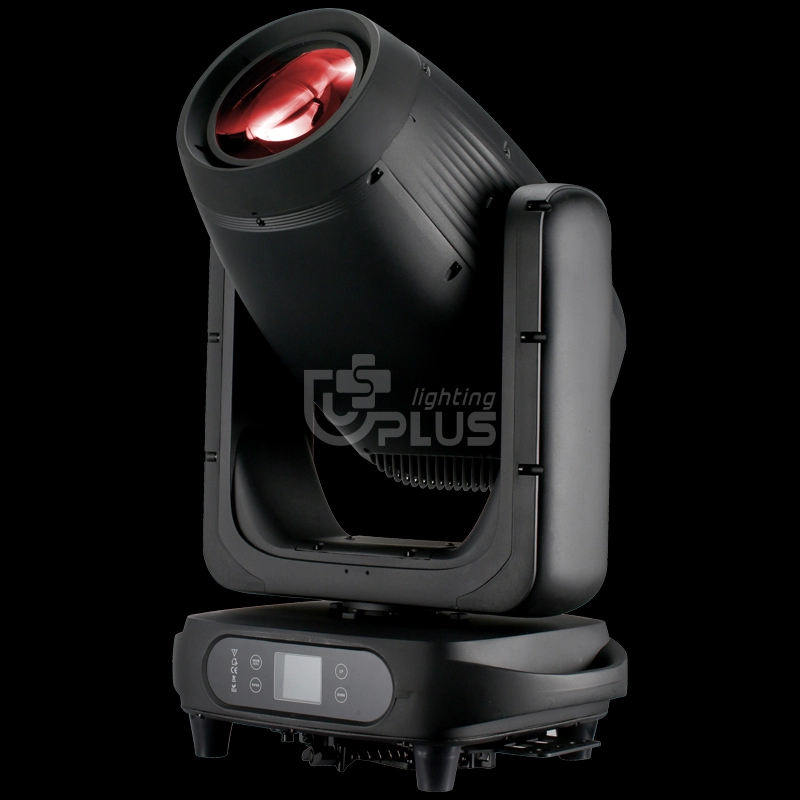
1000W Waterproof BSWF 4-in-1 Moving Head combines beam, spot, wash, and frame effects in one. IP-rated waterproof design, high-brightness output, precise control, ideal for outdoor & indoor stage events.
Stay updated on our latest news
If you have any comments or good suggestions, please leave us a message, later our professional staff will contact you as soon as possible.
Lighting Innovators
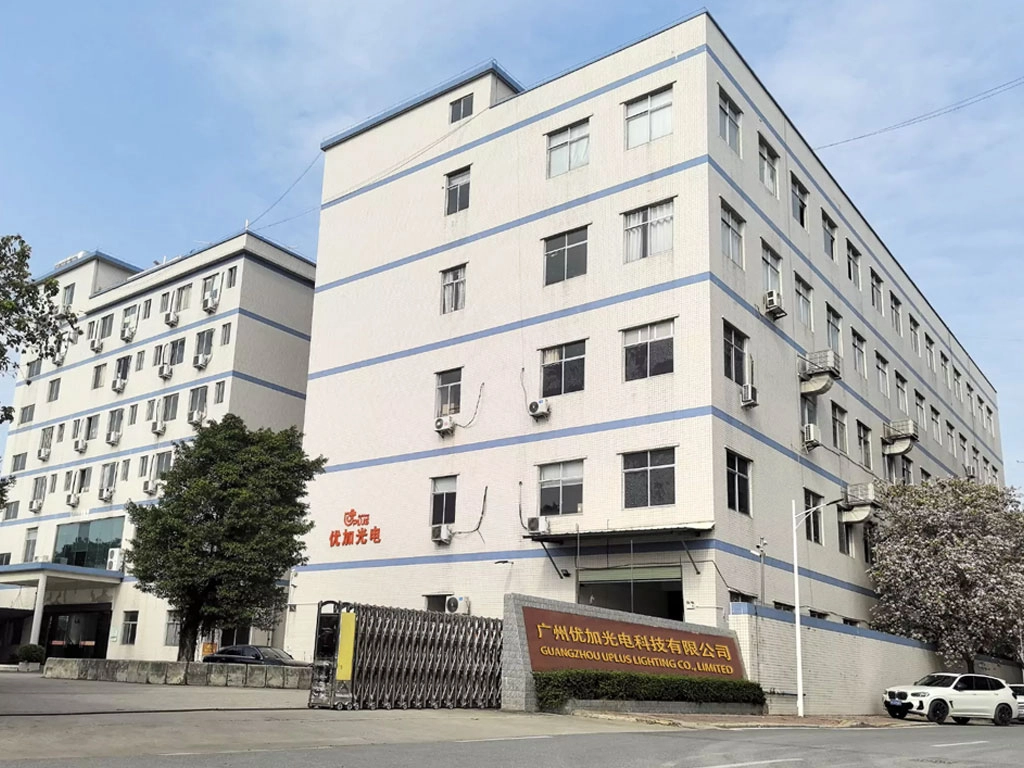
Uplus Lighting is a leading integrated company specializing in R&D, design, production, and sales of stage lighting solutions.
 Scan QR Code
Facebook
Instagram
YouTube
VK