





- 1. How do beam angle and brightness affect the visual impact of moving head lights?
- 2. What is the significance of color temperature and CRI in moving head lights?
- 3. How do CMY and RGB color mixing systems differ in moving head lights?
- 4. What role do gobo wheels and prisms play in enhancing lighting effects?
- 5. How does the pan and tilt range influence the coverage area of moving head lights?
- 6. What are the considerations for noise levels and cooling systems in moving head lights?
How to evaluate beam, gobo, and color in stage light moving heads?
1. How do beam angle and brightness affect the visual impact of moving head lights?
The beam angle and brightness of moving head lights are crucial in determining the visual impact of your lighting setup. A narrow beam angle (1.5°–3°) produces a sharp, intense shaft of light, ideal for large stages or creating dramatic effects. In contrast, a wider beam angle (4°–10°) offers broader coverage, suitable for smaller venues or general illumination. Brightness, measured in lumens or lux, dictates the intensity and reach of the light. For instance, a 150W high-output white LED moving head light with a 6° beam angle can deliver approximately 14,020 lux at a 5-meter distance, ensuring a powerful and focused beam suitable for large venues. ((https://www.upluslighting.com/guides/comprehensive-guide-evaluating-beam-color-specifications-moving-head-lights/))
2. What is the significance of color temperature and CRI in moving head lights?
Color temperature, measured in Kelvin (K), defines the hue of the light emitted. A higher color temperature (e.g., 6000K–8000K) results in a cooler, bluish light, while a lower temperature (e.g., 3200K) yields a warmer, reddish light. The Color Rendering Index (CRI) indicates how accurately a light source reveals the colors of various objects compared to natural light. A CRI above 80 is generally acceptable, but for professional applications, a CRI of 90 or higher is preferred to ensure true-to-life color representation. ((https://www.upluslighting.com/guides/comprehensive-guide-evaluating-beam-color-specifications-moving-head-lights/))
3. How do CMY and RGB color mixing systems differ in moving head lights?
CMY (Cyan, Magenta, Yellow) and RGB (Red, Green, Blue) are two primary color mixing systems used in moving head lights. CMY mixing employs three graduated flags to subtractively mix light, allowing for millions of color nuances and smooth, seamless cross-fades between hues. This system is typically found in higher-end fixtures and offers more precise color control. RGB mixing, on the other hand, uses additive color mixing to produce vibrant, saturated colors and is commonly found in budget-friendly models. The choice between CMY and RGB depends on the desired color quality and budget considerations. ((https://www.upluslighting.com/guides/comprehensive-guide-evaluating-beam-color-specifications-moving-head-lights/))
4. What role do gobo wheels and prisms play in enhancing lighting effects?
Gobo wheels and prisms are integral components in moving head lights that enhance visual effects. Gobo wheels contain patterns or images that can be projected onto surfaces, adding texture and depth to the lighting design. Some fixtures offer rotating gobo wheels with multiple patterns, allowing for dynamic projections. Prisms, on the other hand, split the light beam into multiple rays, creating a wider coverage area and adding complexity to the lighting effects. The combination of gobo wheels and prisms enables lighting designers to craft intricate and captivating visual experiences. ((https://www.upluslighting.com/guides/comprehensive-guide-evaluating-beam-color-specifications-moving-head-lights/))
5. How does the pan and tilt range influence the coverage area of moving head lights?
The pan and tilt range of a moving head light determines its ability to cover different areas of the stage. A fixture with a 540° pan and 270° tilt can cover almost any position on stage, allowing for dynamic and versatile lighting effects. This extensive range is particularly beneficial in large venues or complex stage setups where precise and wide-ranging coverage is required. ((https://www.upluslighting.com/guides/comprehensive-guide-evaluating-beam-color-specifications-moving-head-lights/))
6. What are the considerations for noise levels and cooling systems in moving head lights?
Noise levels and cooling systems are critical factors in the performance and longevity of moving head lights. Effective cooling systems prevent overheating, ensuring consistent performance and extending the lifespan of the fixture. Additionally, quieter operation is essential in settings like theaters or corporate events where ambient noise is a concern. When selecting a moving head light, consider the quality of the cooling system and the noise levels to ensure they meet the specific requirements of your venue and application. ((https://www.upluslighting.com/guides/comprehensive-guide-evaluating-beam-color-specifications-moving-head-lights/))
In conclusion, understanding the technical specifications and features of moving head lights is essential for making informed purchasing decisions. By evaluating beam quality, color mixing capabilities, gobo effects, and other critical factors, you can select fixtures that align with your venue's needs and enhance the overall lighting experience. For personalized recommendations and a comprehensive product range, feel free to contact us at albee@upluslighting.com.


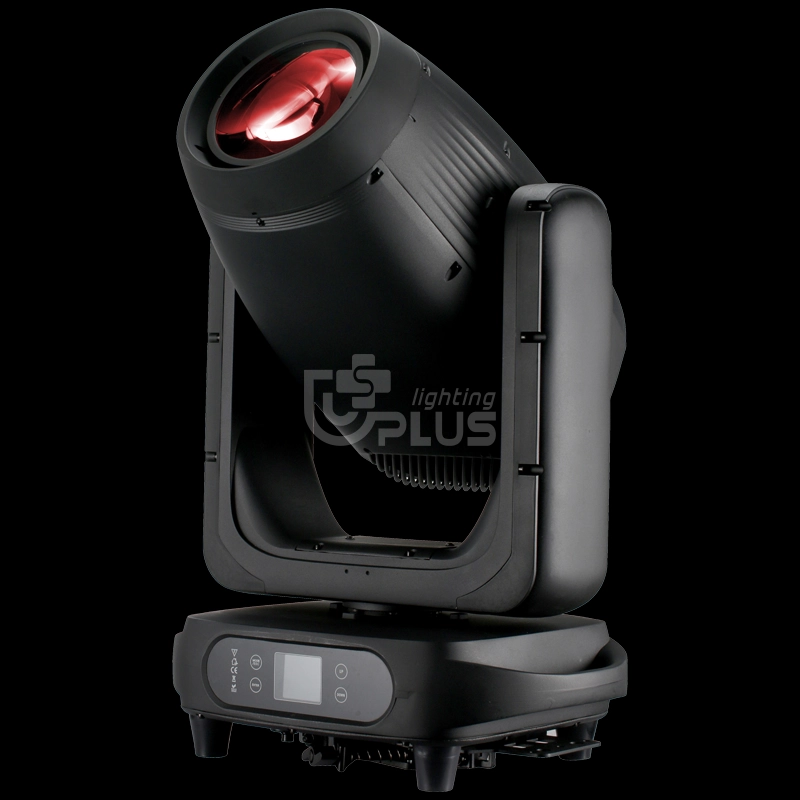
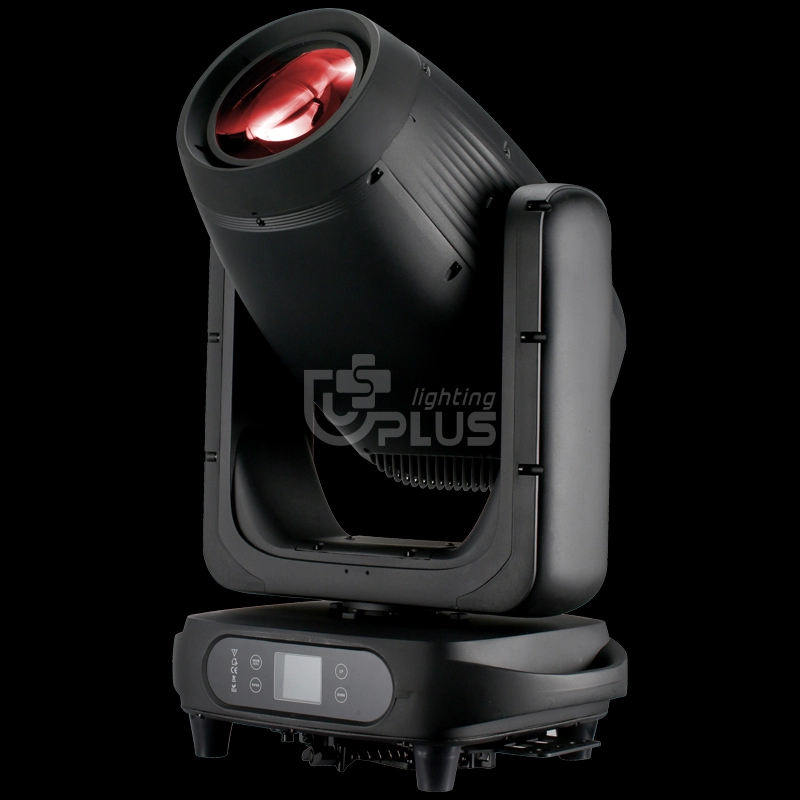
1000W Waterproof BSWF 4-in-1 Moving Head combines beam, spot, wash, and frame effects in one. IP-rated waterproof design, high-brightness output, precise control, ideal for outdoor & indoor stage events.
Stay updated on our latest news
If you have any comments or good suggestions, please leave us a message, later our professional staff will contact you as soon as possible.
Lighting Innovators
Uplus Lighting is a leading integrated company specializing in R&D, design, production, and sales of stage lighting solutions.
 Scan QR Code

Facebook
Instagram
YouTube
VK