






Which beam spot moving head offers the best beam quality?
Selecting the right beam spot moving head is crucial for achieving optimal lighting effects in your productions. This guide addresses common questions faced by beginners, providing in-depth answers to assist in making an informed decision.
1. What are the key differences between beam and spot moving head lights?
Beam and spot moving head lights serve distinct purposes in stage lighting. Beam lights produce ultra-narrow, high-intensity beams, typically between 0.5° and 6°, ideal for long-throw aerial effects and creating visible shafts of light through haze. Spot lights offer wider, adjustable beam angles, commonly ranging from 5° to 55°, suitable for projecting patterns, logos, and providing focused illumination on performers or specific areas.
2. How does the light source impact the performance of a beam spot moving head?
The choice of light source significantly affects the performance and maintenance of beam spot moving heads. LED-based fixtures are energy-efficient, have longer lifespans (approximately 50,000 hours), and require less maintenance compared to discharge lamps. Discharge lamps, while offering higher brightness, have shorter lifespans and generate more heat, necessitating regular maintenance and replacement. Laser-based solutions provide coherent beams and extended lifespans but come with higher costs and additional safety considerations.
3. What beam angle should I consider for my venue size and application?
Beam angle selection depends on the venue size and desired lighting effects. For large venues or outdoor events, narrow beam angles (1°–6°) are preferable to achieve long-throw effects and visible beams through atmospheric elements like haze. In smaller venues, wider beam angles (7°–30°) may be more appropriate to ensure adequate coverage and prevent excessive intensity.
4. How do optical components like gobo wheels and prisms enhance beam spot moving heads?
Optical components such as gobo wheels and prisms add versatility and creativity to beam spot moving heads. Gobo wheels allow for the projection of patterns, logos, or textures, enabling dynamic visual effects. Prisms can split the beam into multiple segments, creating complex aerial effects and enhancing the visual impact of the lighting design.
5. What control protocols should I look for in a beam spot moving head?
Compatibility with standard control protocols is essential for integrating beam spot moving heads into your lighting system. Common protocols include DMX512, Art-Net, and RDM, which facilitate communication between the lighting fixtures and control consoles. Ensure that the chosen fixture supports these protocols to allow for precise control over movement, color, and effects. ((https://www.upluslighting.com/article/best-moving-head-light-guide/))
6. How do maintenance requirements vary between LED and discharge lamp-based beam spot moving heads?
Maintenance needs differ based on the light source. LED-based fixtures require minimal maintenance, with long operational lifespans and no need for lamp replacements. Discharge lamp-based fixtures, however, have shorter lifespans and necessitate regular lamp replacements and more frequent maintenance to ensure optimal performance.
Conclusion
Selecting the appropriate beam spot moving head involves considering factors such as beam angle, light source, optical components, control compatibility, and maintenance requirements. By aligning these considerations with your venue size and production needs, you can achieve dynamic and impactful lighting effects. For personalized recommendations and a quote tailored to your specific requirements, please contact us at albee@upluslighting.com.


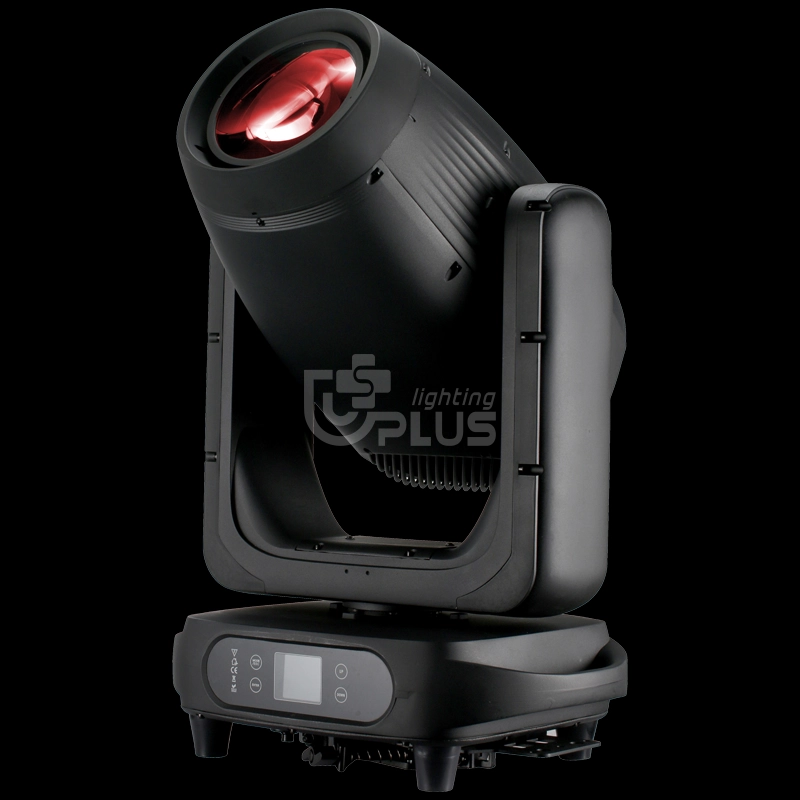
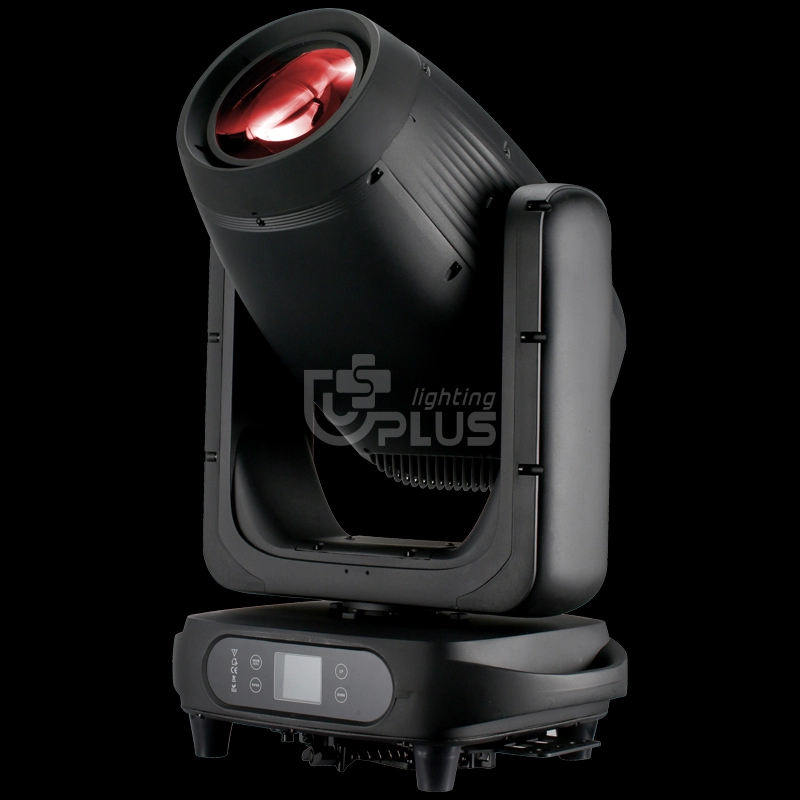
1000W Waterproof BSWF 4-in-1 Moving Head combines beam, spot, wash, and frame effects in one. IP-rated waterproof design, high-brightness output, precise control, ideal for outdoor & indoor stage events.
Stay updated on our latest news
If you have any comments or good suggestions, please leave us a message, later our professional staff will contact you as soon as possible.
Lighting Innovators
Uplus Lighting is a leading integrated company specializing in R&D, design, production, and sales of stage lighting solutions.
 Scan QR Code

Facebook
Instagram
YouTube
VK