






- Quick Answer: What Is a Follow Spot?
- 1. What a Follow Spot Does
- 2. Where Follow Spots Are Used
- 3. Follow Spot vs Regular Stage Spotlight
- 4. Main Follow Spot Controls
- 5. Manual, Remote and DMX-Assisted Operation
- 6. Throw Distance and Optics
- 7. What to Check Before Buying a Follow Spot
- 8. Where Uplus Lighting Fits
- FAQ
- What is a follow spot used for?
- Is a follow spot the same as a spotlight?
- Are follow spots always manually operated?
- What is an iris on a follow spot?
- How do I choose a follow spot for a theatre or concert?
- Can a follow spot use DMX control?
What Is a Follow Spot? Uses, Types, Controls & Selection Guide
Quick Answer: What Is a Follow Spot?
A follow spot is a stage-lighting fixture used to keep a concentrated beam on a performer or moving subject. It is commonly operated manually so an operator can track the subject, although some modern systems can add remote or DMX-assisted functions. The exact controls, optics and operating method depend on the fixture design.
1. What a Follow Spot Does
The main purpose of a follow spot is selective visual emphasis. By keeping a defined beam on a performer, speaker, athlete or other moving subject, it helps the audience maintain focus even when the rest of the stage uses broader wash, beam or scenic lighting.
2. Where Follow Spots Are Used
- Theatre and musical productions
- Concerts and live entertainment
- Award shows and corporate events
- Sports and arena presentations
- Television and studio productions where a moving key light is required
3. Follow Spot vs Regular Stage Spotlight
A follow spot is designed around tracking a moving subject. A general stage spotlight may be fixed or repositioned only occasionally and can serve many purposes, including acting areas, scenic accents and specials. In other words, a follow spot is one type of spotlight, but not every theatre spotlight is a follow spot.
4. Main Follow Spot Controls
| Control | Purpose |
|---|---|
| Pan / tilt | Tracks the subject across the performance area |
| Iris | Changes the visible beam diameter where the fixture provides an iris |
| Focus / zoom | Adjusts beam sharpness or size depending on the optical system |
| Dimming | Changes intensity to match the scene and subject |
| Color / CTO | Changes beam color or color temperature where those functions are built in |
5. Manual, Remote and DMX-Assisted Operation
Traditional follow spots are manually aimed by an operator. Some fixtures can add remote or DMX control for functions such as dimming, color or other parameters, while the physical tracking may still be manual. Buyers should check the exact operating architecture rather than assume that “DMX follow spot” means fully automated subject tracking.
6. Throw Distance and Optics
Follow spot selection depends heavily on throw distance, beam size and the desired illuminance on the performer. Source power alone does not determine useful performance. Optical efficiency, zoom or beam angle, focus, venue ambient light and operator position all matter.
7. What to Check Before Buying a Follow Spot
- Throw distance and target beam size
- Indoor or outdoor environment
- Manual tracking position and operator access
- Iris, focus, zoom, dimming and color functions
- DMX or remote-control requirements where applicable
- Cooling noise for theatre and broadcast environments
- Rigging, stand, safety and service requirements
8. Where Uplus Lighting Fits
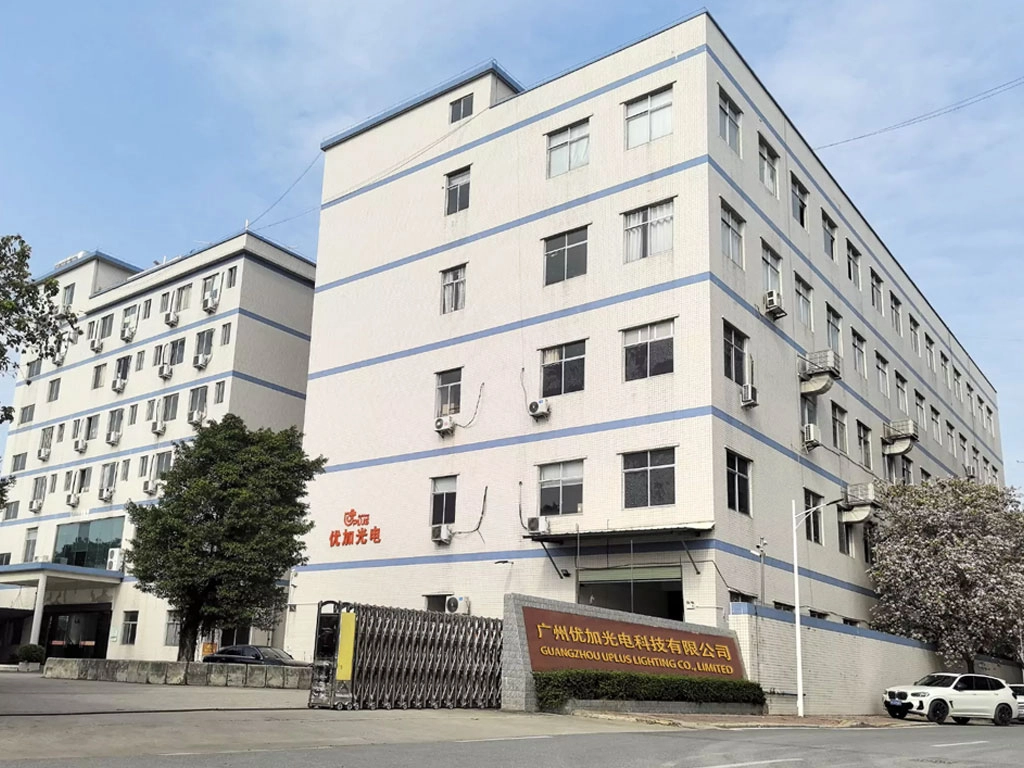
Uplus Lighting was established in 2012 in Guangzhou, China, and manufactures stage-lighting products including moving head lights, strobe lights, static lights, theatre lights, follow spot lights, stage effect lights and laser lights. It also supports OEM orders and customized product development. Buyers should confirm the exact follow spot model and project requirements before selection.
FAQ
What is a follow spot used for?
It is used to keep a concentrated beam on a moving performer, speaker or subject so the audience can follow the visual focus.
Is a follow spot the same as a spotlight?
A follow spot is a type of spotlight designed for tracking moving subjects, while stage spotlights can also be used as fixed specials or scenic accents.
Are follow spots always manually operated?
Many are manually aimed, but some systems add remote or DMX-assisted control for selected functions. The exact operating method depends on the fixture.
What is an iris on a follow spot?
An iris changes the visible beam diameter on fixtures that include that control.
How do I choose a follow spot for a theatre or concert?
Consider throw distance, beam size, optics, controls, operator position, noise, environment, rigging and the level of subject illumination required.
Can a follow spot use DMX control?
Some follow spots support DMX for selected functions such as dimming or color, but support varies by model.


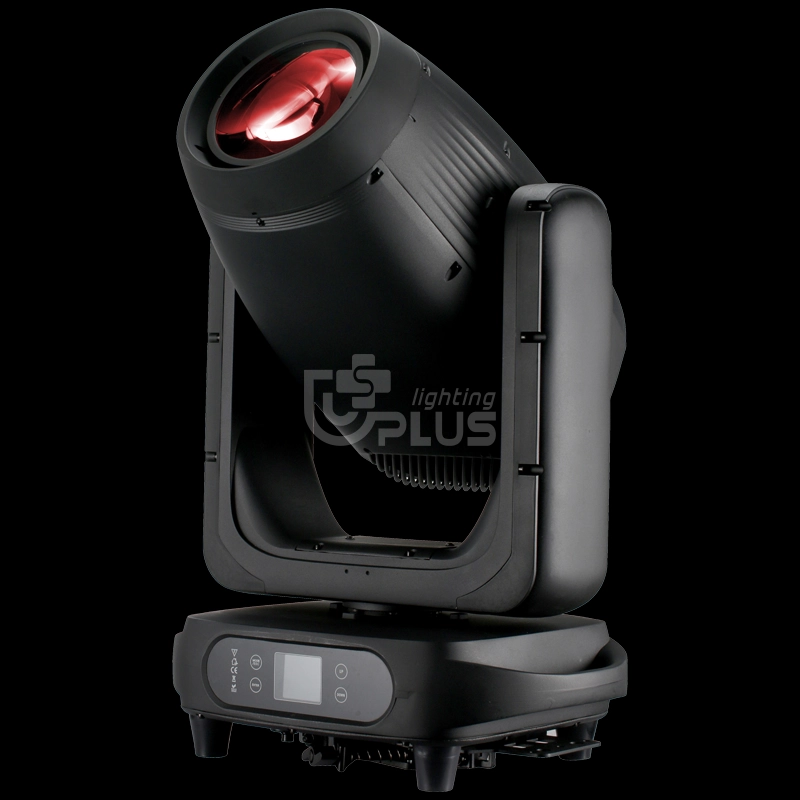
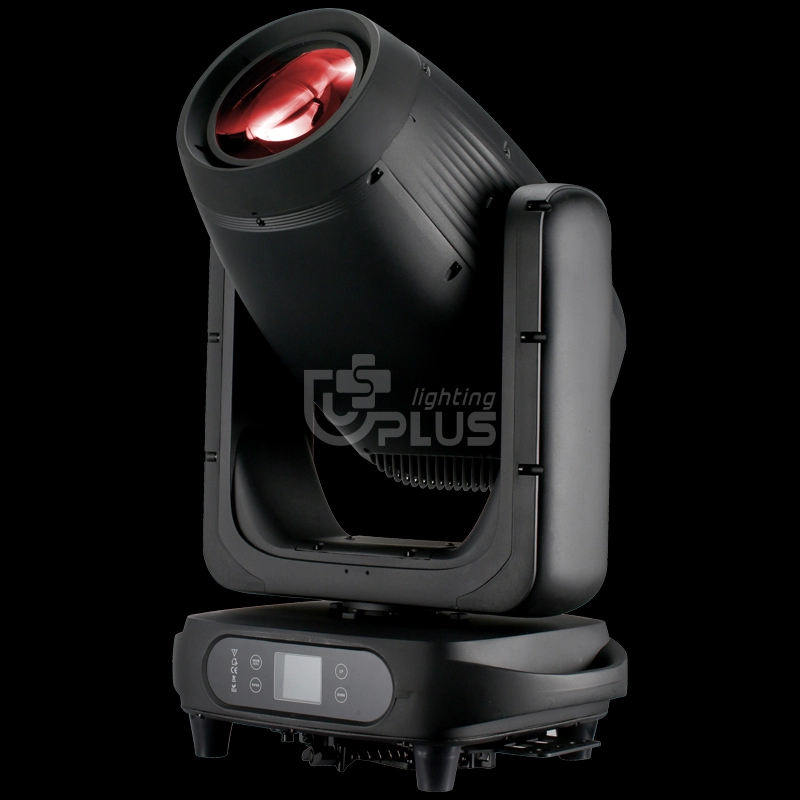
1000W Waterproof BSWF 4-in-1 Moving Head combines beam, spot, wash, and frame effects in one. IP-rated waterproof design, high-brightness output, precise control, ideal for outdoor & indoor stage events.
Stay updated on our latest news
If you have any comments or good suggestions, please leave us a message, later our professional staff will contact you as soon as possible.
Lighting Innovators
Uplus Lighting is a leading integrated company specializing in R&D, design, production, and sales of stage lighting solutions.
 Scan QR Code
Facebook
Instagram
YouTube
VK