






- Quick Answer: What Is a Spotlight in Theatre?
- 1. What Theatre Spotlights Are Used For
- 2. Common Types of Theatre Spotlight
- 3. Spotlight vs Follow Spot
- 4. Beam Angle, Focus and Throw Distance
- 5. Shaping the Light
- 6. Color and Dimming
- 7. Placement, Rigging and Noise
- 8. Theatre Spotlight Selection Checklist
- 9. Where Uplus Lighting Fits
- FAQ
- What is a spotlight used for in theatre?
- Is a theatre spotlight the same as a follow spot?
- What determines spotlight beam size?
- Why are shutters or framing useful in theatre?
- Does fixture noise matter in theatre?
- What should I check before choosing a theatre spotlight?
What Is a Spotlight in Theatre? Types, Uses & Stage Lighting Guide
Quick Answer: What Is a Spotlight in Theatre?
In theatre, a spotlight is a focused stage-lighting fixture used to emphasize a performer, acting area, scenic element or visual moment. Depending on the fixture and production, the beam may be fixed, repositioned, shaped or manually tracked. A follow spot is one specialized type of spotlight, but not every theatre spotlight is designed to follow a moving performer.
1. What Theatre Spotlights Are Used For
- Highlighting a lead performer or speaker
- Creating a defined acting area
- Drawing attention to scenery or props
- Separating a subject from the background
- Supporting transitions, reveals and dramatic cues
2. Common Types of Theatre Spotlight
| Spotlight type | Typical use |
|---|---|
| Profile / ellipsoidal-style fixture | Defined stage areas, shutters, gobos and controlled projection where the fixture supports them |
| Moving-head spot | Repositionable specials, gobos and dynamic cues under console control |
| Follow spot | Tracking a moving performer or subject |
| Compact LED spot fixture | Smaller stages, displays or localized accents depending on optics and mounting |
3. Spotlight vs Follow Spot
The key difference is the operating role. A theatre spotlight may remain fixed on a stage area or be repositioned through programmed cues. A follow spot is specifically intended to track a moving subject, commonly with an operator controlling the aim.
Read the follow spot guide for tracking-specific applications.
4. Beam Angle, Focus and Throw Distance
Spotlight selection should consider the size of the target area, mounting position and throw distance. Narrower optics can create a more concentrated field, while wider optics cover larger areas. Focus quality, zoom range where available and optical efficiency should be evaluated for the actual venue rather than relying on source wattage alone.
5. Shaping the Light
Depending on the fixture, beam-shaping tools may include shutters, iris, gobos, framing systems, focus and zoom. These controls help designers keep light off scenery, define acting areas or create projected patterns. The available tools vary by fixture type and model.
6. Color and Dimming
Theatre applications often require smooth dimming and predictable color. Fixtures may use fixed color media, color wheels or LED color-mixing systems. Buyers should evaluate color consistency, dimming behavior and any camera-related requirements for the production environment.
7. Placement, Rigging and Noise
Mounting position affects beam angle, shadows, glare and access for focus. Theatre buyers should also review fixture weight, clamps, safety attachment, power and data routing, cooling noise and service access. Noise can be especially important in drama, recital and broadcast environments.
8. Theatre Spotlight Selection Checklist
- Stage size and throw distance
- Target area or performer size
- Fixed, moving or follow-spot role
- Beam angle, focus and zoom requirements
- Shutters, gobos, iris or framing needs
- Color and dimming requirements
- DMX or console integration
- Rigging, noise and serviceability
9. Where Uplus Lighting Fits
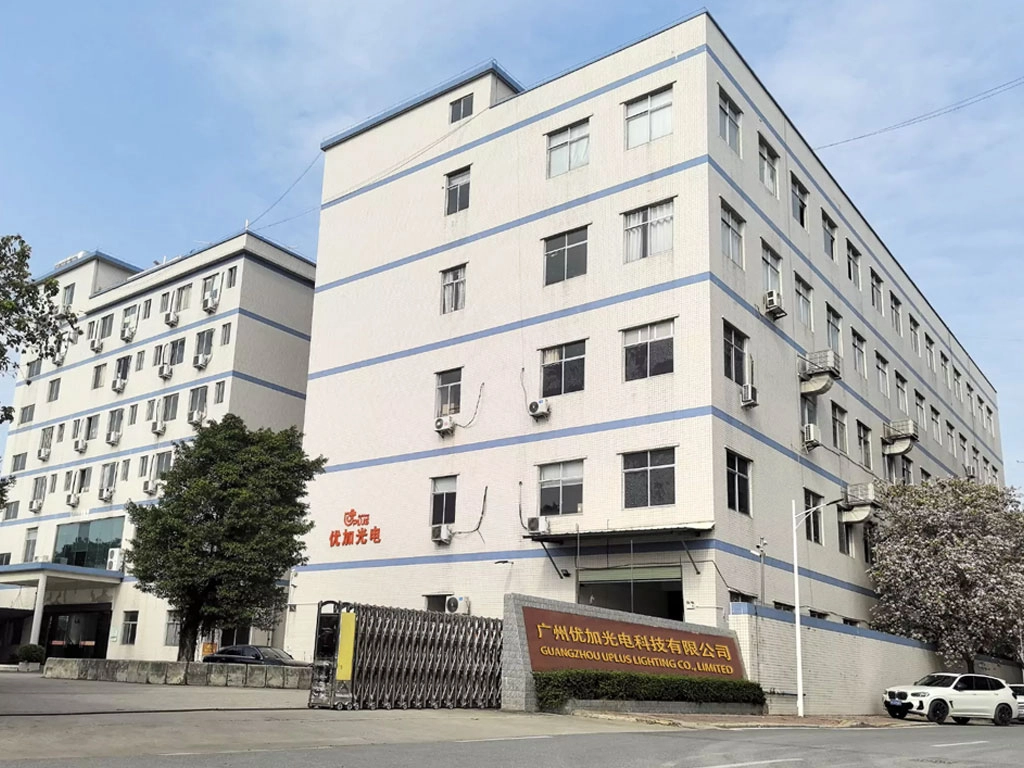
Uplus Lighting was established in 2012 in Guangzhou, China, and manufactures stage-lighting products including moving head lights, strobe lights, static lights, theatre lights, follow spot lights, stage effect lights and laser lights. The company also supports OEM orders and customized product development. Fixture suitability should be verified against the specific stage, control and performance requirements.
FAQ
What is a spotlight used for in theatre?
A spotlight is used to emphasize a performer, acting area, scenic element or visual moment with a more controlled beam than broad stage wash lighting.
Is a theatre spotlight the same as a follow spot?
No. A follow spot is a specialized spotlight for tracking moving subjects, while theatre spotlights can also be fixed or console-controlled for acting areas and scenic accents.
What determines spotlight beam size?
Beam size depends on the optical system, beam angle or zoom setting, throw distance and any iris or framing controls provided by the fixture.
Why are shutters or framing useful in theatre?
They help shape the beam and keep light within a defined acting or scenic area where the fixture supports those tools.
Does fixture noise matter in theatre?
It can. Cooling and movement noise may be noticeable in quiet drama, recital or broadcast environments, so noise should be evaluated for the venue.
What should I check before choosing a theatre spotlight?
Check stage size, throw distance, fixture role, optics, shaping tools, color, dimming, control, rigging, noise and service requirements.


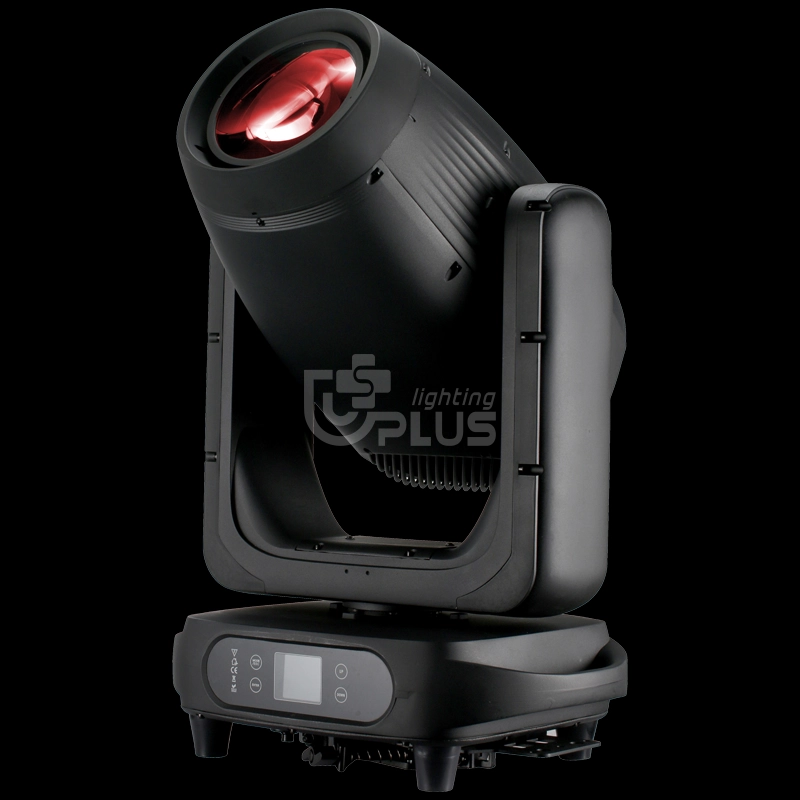
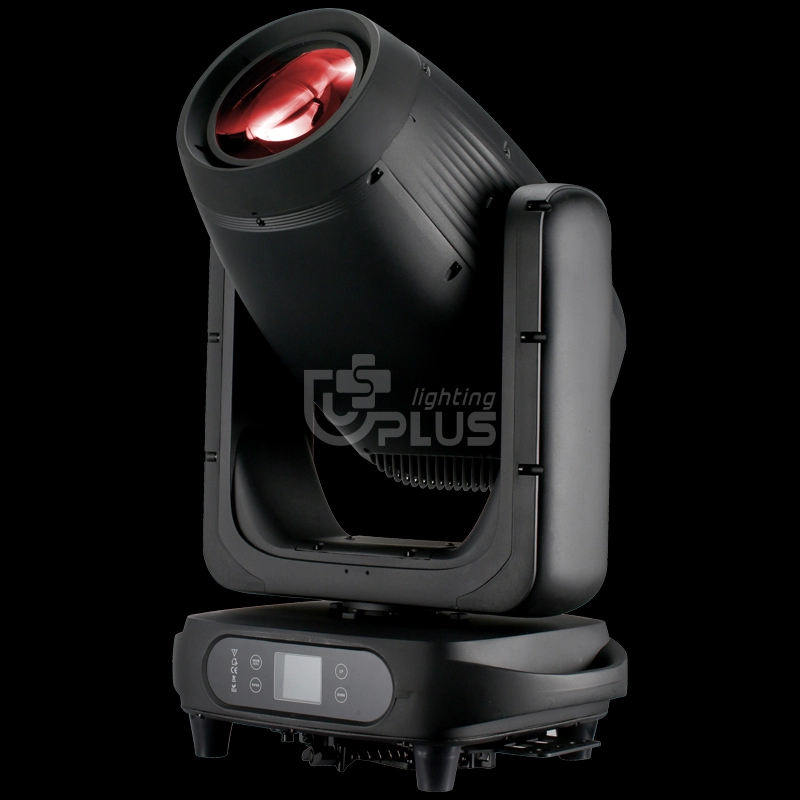
1000W Waterproof BSWF 4-in-1 Moving Head combines beam, spot, wash, and frame effects in one. IP-rated waterproof design, high-brightness output, precise control, ideal for outdoor & indoor stage events.
Stay updated on our latest news
If you have any comments or good suggestions, please leave us a message, later our professional staff will contact you as soon as possible.
Lighting Innovators
Uplus Lighting is a leading integrated company specializing in R&D, design, production, and sales of stage lighting solutions.
 Scan QR Code
Facebook
Instagram
YouTube
VK