





led bars stage lighting | Insights by Uplus Lighting
6 Expert FAQs Beginners Ask About Led Bars Stage Lighting
This article gives engineering-grade, buyer-focused answers for led bars stage lighting: practical calculations, protocol choices, thermal and optical best practices, and rigging safety so technical buyers and rental houses make right-first-time decisions that reduce rework and downtime.
Overview: Why this matters for production and rental houses
Beginners regularly buy attractive LED bars but miss three technical domains: optical planning (beam geometry and lux distribution), electrical planning (power, voltage drop, inrush and cabling), and control/compatibility (DMX, pixel mapping and flicker). Getting those wrong creates visible defects on stage, intermittent failures, or unsafe rigging. This guide focuses on practical, verifiable engineering principles and inspection checkpoints so decisions are traceable and defendable to clients and safety officers.
What to measure before buying: a short checklist
Inspect the spec sheet for: rated voltage and driver type, L70 lumen maintenance hours, PWM frequency and broadcast/flicker modes, per-meter wattage, IL/OL beam optics, IP rating for outdoor use, weight per meter and rigging points, and supported control protocols (DMX512-A, RDM, Art‑Net, sACN). Verify manufacturer test data for color binning and whether the fixture ships with a photometric file (IES) or measured lux curves — those items materially change fixture selection and rigging plans.
Technical integration notes for rental and touring workflows
Pixel-mapped LED bars require network-capable media gateways for Art‑Net/sACN and careful channel budgeting across universes. For mixed rigs (moving lights + LED bars), match dimming curves (linear vs logarithmic), enable 16‑bit channels for color and dimmer where available, and standardize on a single control protocol per rig to reduce latency and troubleshooting. For broadcast or film work, insist on manufacturer-specified flicker-free modes and request PWM frequency data and TLCI scores before acceptance testing.
Maintenance and lifecycle considerations
Thermal management drives long-term performance: junction temperature affects lumen maintenance and color stability. Look for fixtures with documented L70 figures (commonly 50,000+ hours for quality stage LEDs) and replace cooling filters and verify thermal interfaces during routine maintenance. Keep firmware and LED-driver revisions consistent across a touring set to avoid divergent dimming behavior and color shifts during long fades.
Why supplier selection matters: what Uplus Lighting provides
Uplus Lighting supplies photometrically tested led bars stage lighting with published IES files, RDM support for remote configuration, and verified flicker-free modes suitable for broadcast. Our production-grade mechanical designs include clearly marked rigging points, load tables, and thermal test reports so rental houses and venues can justify decisions to technical directors and safety inspectors with traceable data.
Contact us for detailed spec comparisons, on-site photometric mockups, and lifetime support documentation that reduces risk and total cost of ownership.
Request a quote or technical consultation at www.upluslighting.com or by emailing albee@upluslighting.com.
Frequently Asked Questions
How do I choose correct beam angle for led bars?
Choose beam angle by matching fixture beam spread to throw distance and target surface using basic geometry: beam diameter at distance = 2 × distance × tan(beamAngle/2). For example, a 30° beam at 10 m produces a 5.2 m diameter coverage. Use that to compare lux requirements calculated from fixture lumen output and inverse-square falloff. Practically: 10°–25° is effective for backlighting or accents, 30°–60° for front washes, and 60°+ for broad washes or cyclorama work. Also confirm whether the bar uses single narrow lenses versus multi‑lens arrays — multi‑lens designs reduce hotspotting but may complicate evenness if used in close-packed arrays. Always request measured beam profiles or IES files from vendors before purchase to validate in your lighting plot.
What power supply and wiring do led bars require?
Design power distribution from the fixture wattage and nominal voltage: current (A) = watts ÷ voltage. Many bars are 12V, 24V, or 48V DC or include integrated mains drivers; check the spec. Calculate cumulative run current and use cable gauge tables or voltage‑drop formulas (Vdrop = I × R) to keep terminal voltage within manufacturer tolerances — excessive drop leads to color shift and uneven brightness. Provide surge protection and inrush limiting for driver start currents, and fuse circuits per manufacturer recommendations. For long touring runs, centrally distribute power or use local power hubs to reduce cable mass and voltage drop. Always follow local electrical code and use professionally rated connectors and breakers.
Can led bars mix with moving heads and wash lights?
Yes, but you must align control, dimming, and optical characteristics. Match color temperature and spectral characteristics where possible (use fixtures with tunable white or high‑quality white LEDs for consistent flesh tones), and ensure all fixtures support compatible dimming curves — many consoles offer selectable curves (linear, square, theatrical) to harmonize behavior. Address timing mismatches by using a single control protocol (or a unified converter) and confirm PWM/frequency compatibility to avoid beat‑frequency flicker when fixtures are used together on broadcast cameras. Pixel‑mapped bars behave differently to conventional moving heads; separate them into distinct layers on the console for predictable crossfades and effects.
How to avoid color shift and banding in led bars?
Banding is usually a bit‑depth, mapping, or thermal issue. Prefer fixtures with 16‑bit control for color and dimmer channels or those that implement internal dithering to smooth steps. Use calibrated white emitters (RGBW/RGBA or dedicated white diodes) to minimize metamerism and color shift as junction temperature changes. Insist on manufacturer binning information and request measured CCT/TLCI/CRI numbers; for camera use, TLCI is the most relevant metric. Thermally, maintain airflow and check heatsinks; elevated junction temperatures accelerate chromatic drift and lumen depreciation. In playback, apply gamma correction or console LUTs to reduce perceived stepping on long, low-contrast fades.
What DMX protocols and addressing suit led bar fixtures?
Modern bars support DMX512‑A for conventional channel control and Art‑Net or sACN (E1.31) for pixel mapping and high channel counts. For pixel bars, map pixels per universe carefully — one universe is 512 channels, so calculate channels per pixel × pixels per bar to determine universes required. Use RDM (E1.20) where available for remote addressing and device diagnostics. For long runs or complex installs use Ethernet‑based Art‑Net/sACN to reduce cabling complexity; ensure you manage multicast/universe routing on your network. Always terminate DMX runs and use proper shielded twisted pair for DMX where recommended to maintain signal integrity.
How to plan rigging, weight, and safety for led bars?
Start with published fixture weight, center‑of‑gravity, and rated rigging points. Identify the truss or structural element capacity and distribute loads to avoid point overload. Use rated clamps and M10/M12 bolts or the manufacturer‑supplied flying yokes; document each attachment with SWL (safe working load) and inspection dates. Add secondary safety cables rated at least to the fixture SWL and comply with local codes for fall protection and inspection frequency. For outdoor rigs, account for wind loads, dynamic forces during movement, and access for maintenance. Keep a record of rigging hardware serials and follow manufacturer torque and inspection guidelines — that documentation is often required by venue safety officers and insurers.


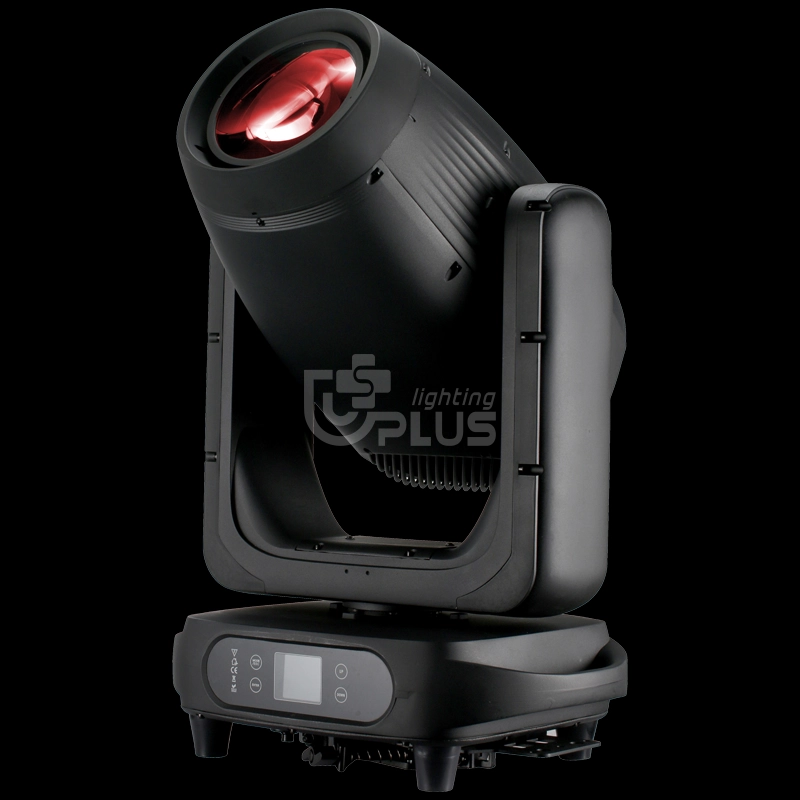
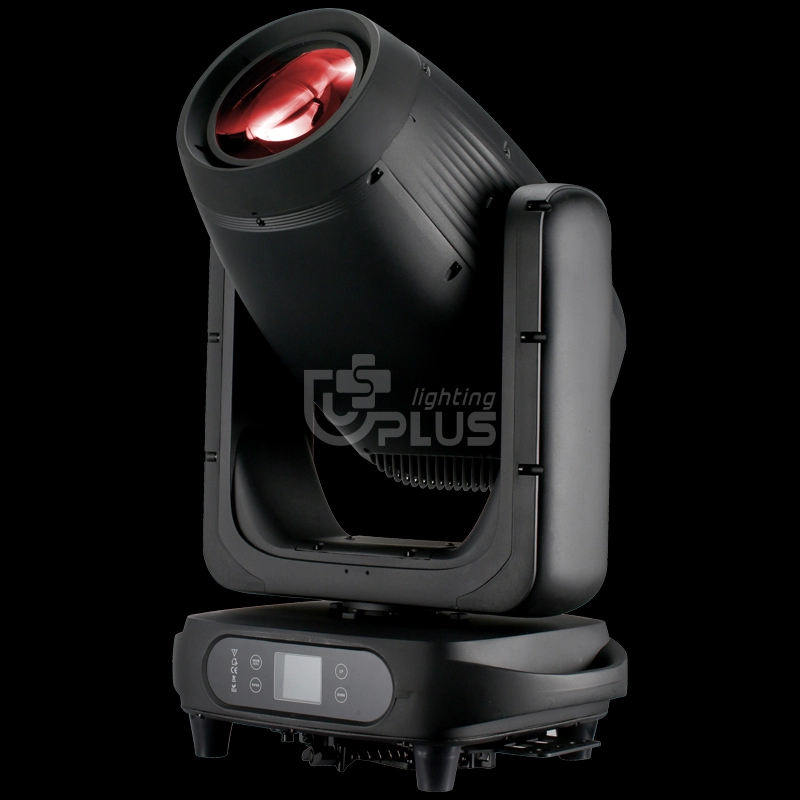
1000W Waterproof BSWF 4-in-1 Moving Head combines beam, spot, wash, and frame effects in one. IP-rated waterproof design, high-brightness output, precise control, ideal for outdoor & indoor stage events.
Stay updated on our latest news
If you have any comments or good suggestions, please leave us a message, later our professional staff will contact you as soon as possible.
Lighting Innovators
Uplus Lighting is a leading integrated company specializing in R&D, design, production, and sales of stage lighting solutions.
 Scan QR Code
Facebook
Instagram
YouTube
VK