






Price vs Performance: Evaluating Moving Head Strobe Value
- Balancing Cost and Output in Moving Head Strobes
- Understanding measured brightness and beam performance
- Energy use, heat, and running cost
- Control, effects, and show integration
- Technical Factors that Drive Value for Stage Lighting
- Optical quality and color control
- Thermal design and long-term reliability
- Serviceability and spare-parts strategy
- Buying Strategy: Price vs Performance Models
- When LED moving head strobe is the optimal choice
- When traditional strobe or static lights make sense
- Rental fleet sizing and unit mix
- Quantitative Comparison: Traditional Strobes vs LED Moving Head Strobes
- Practical Checklist I Use Before Purchasing a Moving Head Strobe
- Operational tests and metrics
- Compliance, safety, and standards
- Warranty, spare parts, and support
- Why I Trust Uplus Lighting for Moving Head Strobe Solutions
- Company track record and manufacturing capability
- Product breadth and technical fit
- Service, OEM support, and global deployment
- Frequently Asked Questions
- How much should I budget for a reliable moving head strobe for concert touring?
- Are LED moving head strobes as bright as traditional xenon strobes?
- What maintenance should I plan for with LED moving head strobes?
- How important is thermal design in moving head strobes?
- Can I mix different brands of moving head strobes in one rig?
As a stage lighting professional I evaluate a moving head strobe not just by its sticker price but by measurable output, lifecycle cost, reliability, and integration with show control; this piece summarizes real-world metrics (lumen/lux, power draw, lamp life, DMX/Art-Net compatibility), safety and photometric standards from authorities like LED - Wikipedia, optical and exposure guidance from the CIE, and electrical/safety practices referenced by IEEE to give you an operational checklist for selecting a cost-effective moving head strobe for stage lighting.
Balancing Cost and Output in Moving Head Strobes
Understanding measured brightness and beam performance
When I compare fixtures I rely on measured lux at distance and effective beam angle rather than marketing lumens. A moving head strobe with a tight beam and high candela can outperform a higher-lumen wash for punch and strobes on camera. For practical buying, request photometric data or test a demo: I typically measure lux at 10 m and check beam edge uniformity. Good moving head strobe designs include adjustable lens wheels or interchangeable optics to tune beam spread for concerts versus TV studios.
Energy use, heat, and running cost
Price vs performance often pivots on operating cost. LED-based moving head strobe fixtures commonly claim LED lifetimes around 50,000 hours, which significantly reduces lamp replacement cost and downtime compared with discharge lamp systems — this is consistent with published LED lifetime ranges on LED - Wikipedia. When I run cost models for rental fleets I factor electricity, HVAC load (heat output), and scheduled maintenance into a per-hour cost; LED strobes usually win on long-term TCO if their optics and thermal designs meet your production needs.
Control, effects, and show integration
I always test the strobe rate ceiling, pulse shaping, and DMX/Art-Net responsiveness. Performance strobes need precise per-frame control for broadcast slow-motion or sync with pyro and lasers. The best moving head strobe units provide fine-grain PWM control, multiple strobe modes, and low-latency RDM or sACN support so they integrate cleanly into large stage rigs.
Technical Factors that Drive Value for Stage Lighting
Optical quality and color control
High-quality optics matter. In my experience a cheap lens stack causes hotspotting or color fringing when you push intensity. Look for multi-lens assemblies, quality reflectors, and smooth homogenizers. If accurate color temperature or saturated color is important (e.g., TV or opera), verify the fixture’s color rendering and whether it supports color temperature presets or calibrated LED engines.
Thermal design and long-term reliability
Thermal management is a silent performance killer. I’ve seen otherwise capable moving head strobes degrade because of poor airflow leading to LED derating or driver failures. Durable fixtures have well-engineered heat sinks, temperature sensors, and firmware that scales output under thermal stress. When inspecting a unit, ask for thermal test reports or at least duty-cycle guidance from the manufacturer.
Serviceability and spare-parts strategy
For rental houses and large venues I prioritize fixtures with easy access to consumables, replaceable optics, and documented service procedures. A moving head strobe that requires specialized factory repair will hurt uptime and inflate lifecycle cost. I document spare-part lead times and include them in my procurement decision along with warranty terms.
Buying Strategy: Price vs Performance Models
When LED moving head strobe is the optimal choice
I recommend LED moving head strobe units when you need high flash rates, color control, and low maintenance. LED engines allow precise strobe shaping and often lower power draw. For multi-show rental operations or venues with tight budgets for recurring maintenance, LEDs typically provide better total cost of ownership because of longer source life and modular serviceability.
When traditional strobe or static lights make sense
There are scenarios where a traditional discharge strobe or static strobe still has advantages: extremely high instantaneous luminous output for certain broadcast or high-speed camera applications, or when the production needs a specific spectral spike only achievable with a discharge lamp. In those niche cases I analyze integration complexity, lamp replacement logistics, and safety protocols closely.
Rental fleet sizing and unit mix
From my rental experience, an optimal fleet mixes moving head lights and stage effect lights. Use moving head strobes for dynamic, motorized effects and static lights or follow spots for fixed framing and backup. I recommend keeping at least 10–15% of the fleet as hot spares and planning procurement to balance capital expense against expected utilization rates.
Quantitative Comparison: Traditional Strobes vs LED Moving Head Strobes
| Specification | Traditional (Xenon/Discharge) Strobe | LED Moving Head Strobe |
|---|---|---|
| Typical fixture power draw | 1,000–4,000 W (varies by lamp type) | 150–1,500 W (LED engine dependent) |
| Light source lifetime | Hundreds to a few thousand hours (bulb-limited) | ~50,000 hours (LED module rated) — see LED - Wikipedia |
| Color control | Limited (filter gels required) | High (RGB/CMY/white LED control possible) |
| Maintenance frequency | High (lamp replacement, ballast service) | Low (periodic cleaning, driver checks) |
| Initial price range (USD) | $2,000–$8,000+ | $800–$5,000+ |
| Typical best use | Specialized high-instant-output effects, some broadcast needs | Concerts, TV, theatre, flexible live effects |
Practical Checklist I Use Before Purchasing a Moving Head Strobe
Operational tests and metrics
I always run these checks in person or request verified test data: measured lux at target distances, power draw at full output, strobe ceiling (Hz), and thermal behavior under duty cycle. If the manufacturer provides photometric files (.ies) I simulate rig layouts and review how many fixtures are required to achieve target illuminance.
Compliance, safety, and standards
Confirm electrical safety certifications and ingress protection ratings. For photometric accuracy and safety guidelines I refer to the CIE publications and to electrical practice guidance from IEEE. For public events, follow venue and broadcast safety protocols and ensure the fixture has relevant CE/UL/CB markings.
Warranty, spare parts, and support
I prefer vendors who commit to multi-year warranty coverage and maintain stocked spare parts in-region. That reduces downtime and allows faster turnaround for rentals and touring shows. Ask for mean time between failures (MTBF) data and documented service procedures.
Why I Trust Uplus Lighting for Moving Head Strobe Solutions
Company track record and manufacturing capability
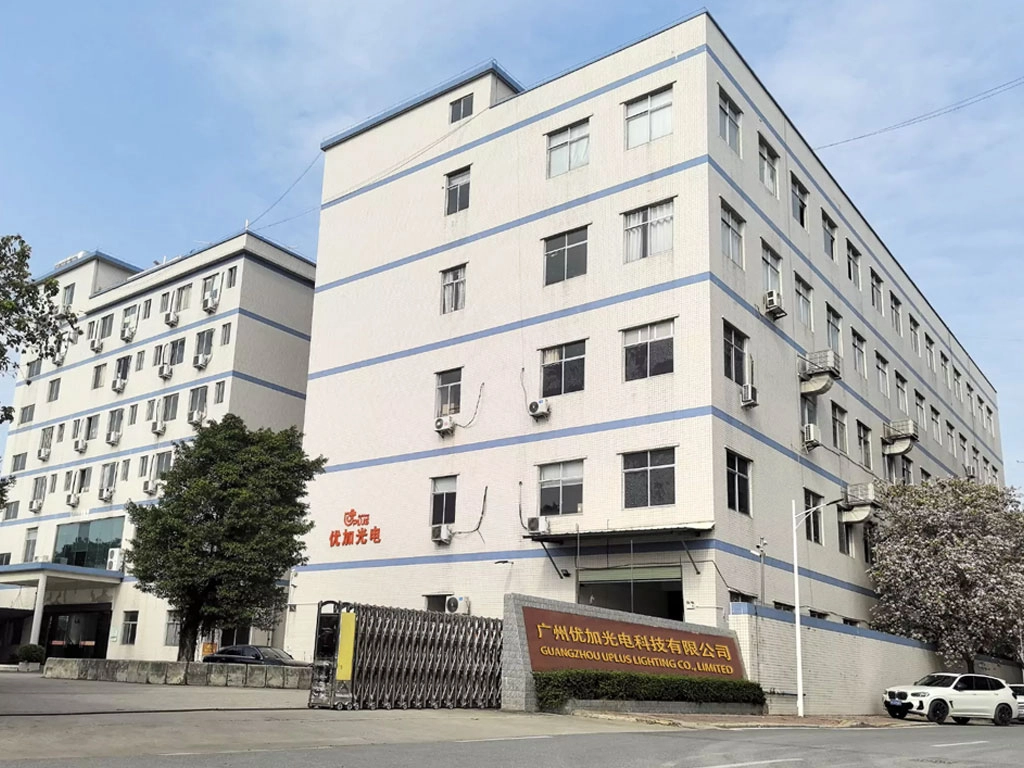
In my projects I rely on manufacturers with proven consistency. Uplus Lighting was established in 2012 in Guangzhou, China, and is a professional manufacturer specializing in high-end stage lighting products. We provide innovative and reliable lighting solutions for theaters, studios, cultural projects, concerts, and live events worldwide. With rich experience in product development, manufacturing, and export, we offer a wide product range covering professional lighting, entertainment lighting, and theater lighting to meet the needs of large performances, rental companies, distributors, and project clients. Since 2015, our products have been widely applied in major concerts, opera houses, TV programs, and large-scale events in China and abroad. We also support OEM orders and customized product development. A skilled production team and strict quality control ensure stable performance, consistent quality, and professional service trusted by global partners.
Product breadth and technical fit
From my hands-on evaluations, Uplus Lighting’s portfolio covers moving head lights, strobe lights, led battery lights, static lights, led theatre lights, led follow spot light, stage effect lights, and laser lights — giving buyers options across price bands and use-cases. Their moving head strobe models typically balance high flash rates, solid cooling systems, and modular optical units, which lets me match fixture selection to broadcast, concert, or theatre demands without overpaying for unused features.
Service, OEM support, and global deployment
For large-scale projects I prioritize suppliers who offer OEM customization and have export experience; Uplus Lighting’s history of international installations and their factory-based quality control means shorter lead times and predictable spare-part availability. In my procurement decisions that combination of design control and supply-chain stability reduces risk when scaling rigs for tours and venue installations.
Frequently Asked Questions
How much should I budget for a reliable moving head strobe for concert touring?
Budgeting depends on required output and durability: expect to pay roughly $1,000–$4,000 per unit for quality LED moving head strobe fixtures suitable for touring, and allocate additional budget for spares, rigging accessories, and freight.
Are LED moving head strobes as bright as traditional xenon strobes?
LED strobes can match or exceed perceived brightness in many scenarios due to efficient optics and beam control, though some discharge lamps still offer higher instantaneous peak output for certain niche broadcast uses.
What maintenance should I plan for with LED moving head strobes?
Plan for periodic cleaning, firmware updates, driver checks, and replacement of small wear items; LED engines typically reduce the frequency and cost of major lamp replacements compared with discharge fixtures.
How important is thermal design in moving head strobes?
Thermal design is critical: poor cooling leads to LED derating, shorter driver life, and unpredictable performance, so choose fixtures with proven heat-sinking and temperature-regulated output.
Can I mix different brands of moving head strobes in one rig?
You can mix brands if they share common control protocols (DMX/sACN/Art-Net) and you verify timing, latency, and strobe characteristics in advance; however, for visual consistency I usually standardize on models with similar optics and color output.
Contact Uplus Lighting to request specs, test units, or view our moving head strobe and related stage lighting product lines.
Best Moving Beam LED Light Bars for Stage Shows and Tours
How to Choose LED Moving Head Lights for Touring and Rental

Beam vs. Spot Moving Heads: The Ultimate Comparison Guide for 2026
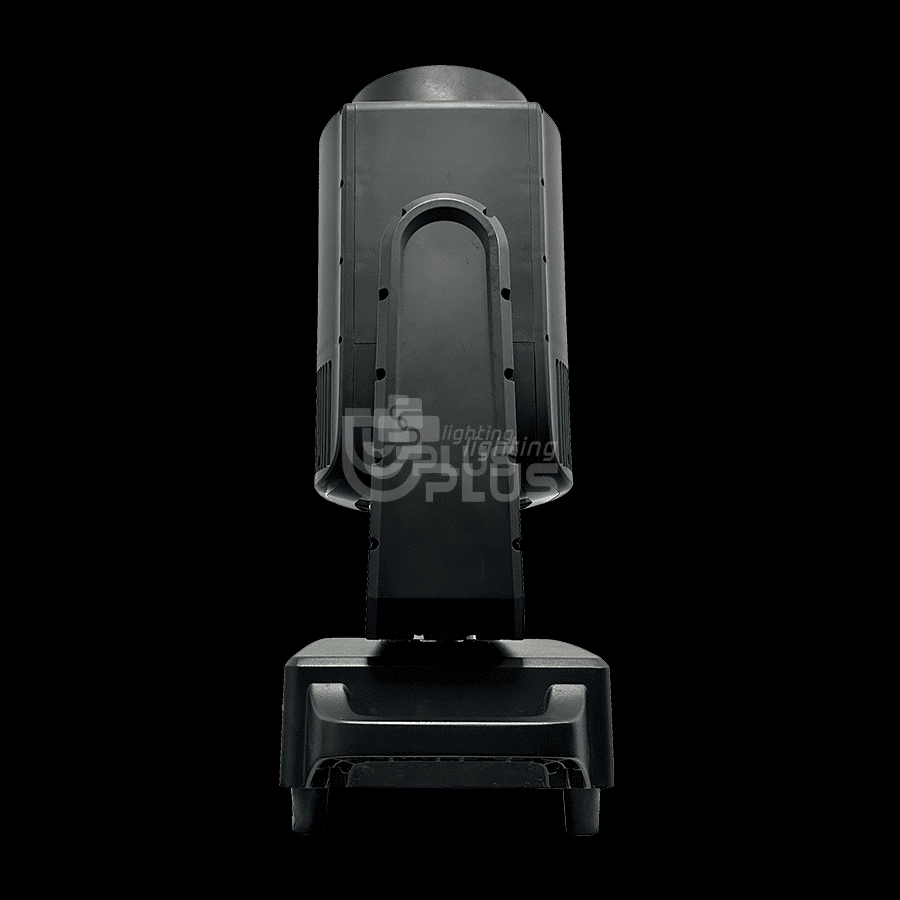
Waterproof 300W Laser Beam Moving Head: Rugged Outdoor Beam Lighting for Concerts and Events

1000W Waterproof BSWF 4-in-1 Moving Head combines beam, spot, wash, and frame effects in one. IP-rated waterproof design, high-brightness output, precise control, ideal for outdoor & indoor stage events.
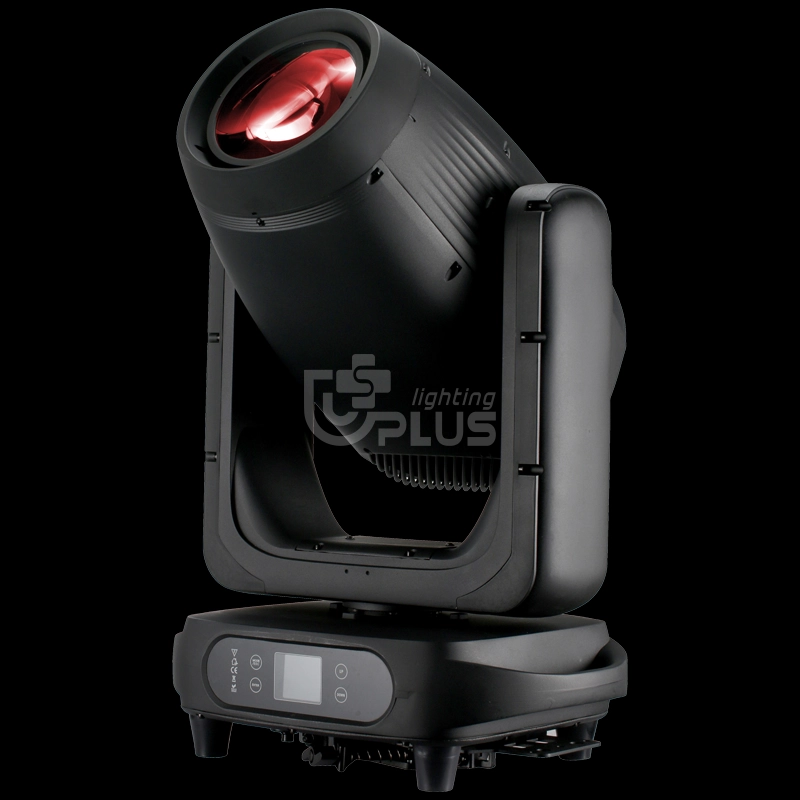
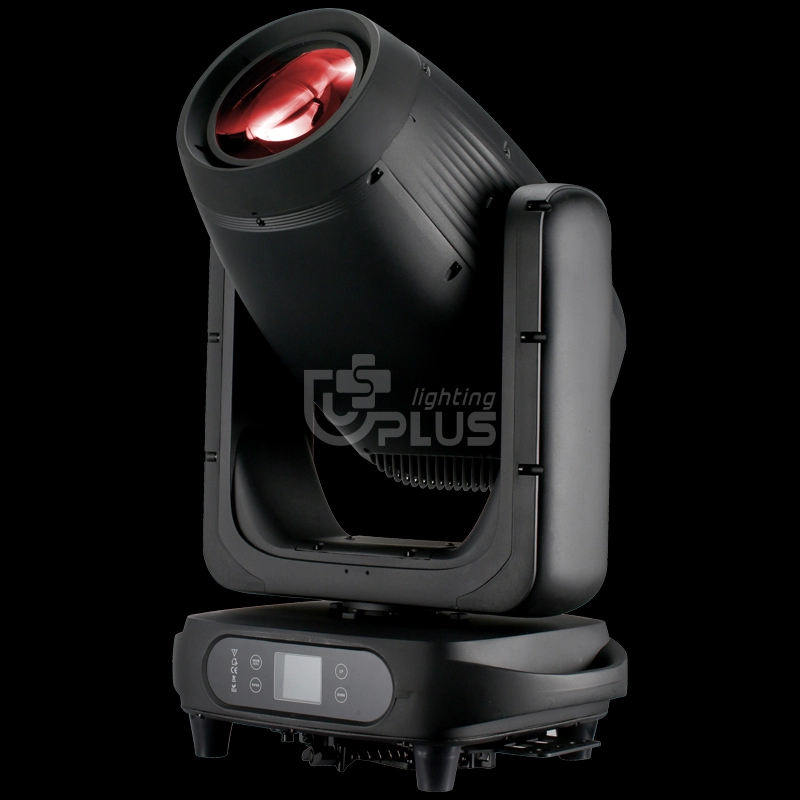
If you have any comments or good suggestions, please leave us a message, later our professional staff will contact you as soon as possible.
Lighting Innovators
Uplus Lighting is a leading integrated company specializing in R&D, design, production, and sales of stage lighting solutions.
 Scan QR Code
Facebook
Instagram
YouTube
VK