






Best Moving Head Lights for Theaters, Clubs, and Houses of Worship
- Why moving head lights matter for live venues
- What a stage moving head light does better than static fixtures
- Standards and best practices I follow
- Matching fixture type to programming needs
- Best moving head lights by venue and use case
- Theaters: fidelity, quietness, and color accuracy
- Clubs: punch, beam, and spectacular effects
- Houses of worship: intelligibility and reliability
- Model comparison — representative options
- Technical considerations and practical selection criteria
- Optical output: lumens, lux, and beam angle
- Color quality, CRI, and color temperature
- Control protocols, DMX/RDM, and network lighting
- Noise, cooling, and venue acoustics
- Serviceability, warranty, and lifecycle costs
- How I plan installs: mounting, rigging, and electricals
- Rigging and weight considerations
- Power and heat management
- DMX addressing and label best practices
- Uplus Lighting — manufacturer profile and why I recommend them
- Company background and product range
- Why Uplus stands out in my specifications
- Typical Uplus product lines relevant to this guide
- Practical buying checklist — my step-by-step
- 1) Define the primary use
- 2) Request datasheets and IES files
- 3) Consider lifecycle costs
- 4) Test a demo unit
- FAQ
- Q1: How many lumens do I need for a small theater?
- Q2: Are LED moving head lights reliable for long theatrical runs?
- Q3: Can moving head lights be used outdoors?
- Q4: What’s the difference between a beam head and a wash head?
- Q5: How important is fan noise and how do I measure it?
- Q6: Do I need RDM or sACN for a small house of worship?
- Contact & next steps
I have spent years specifying, installing, and programming stage lighting for theaters, concerts, clubs, and houses of worship. In this guide I explain how to choose the best stage moving head light for your venue, balancing optics, output, control, and budget. I’ll walk through the performance metrics that matter, compare typical models for different uses, reference industry guidance, and give actionable buying and maintenance advice you can use right away.
Why moving head lights matter for live venues
What a stage moving head light does better than static fixtures
Moving head lights (also called automated lights or intelligent fixtures) combine high-output optics and motorized pan/tilt to create dynamic beams, washes, and aerial effects. Compared with static PARs or LED panels, moving heads give you: fast repositioning of light, precise beam shaping via interchangeable gobos, variable beam angles/zoom, high-speed strobe, and complex color mixing. For theaters, that means dramatic motivation and selective highlighting; for clubs, high-impact aerial beams; and for houses of worship, versatile stage coverage with low operator overhead.
Standards and best practices I follow
When I specify fixtures I reference photometric and performance standards (for example, Illuminating Engineering Society recommendations for lighting design and IES LM-79 photometric test methods) and practical guidelines from the automated lighting community. See the Illuminating Engineering Society for guidance on photometric testing and mounting practice (IES) and the general background on automated fixtures at Automated lighting — Wikipedia.
Matching fixture type to programming needs
Not every venue needs the same spec. I always start by asking: what proportion of the show needs moving effects vs static washes? Do you need long-range beams (narrow, high-lumen) or smooth wide washes (zoom, soft edge)? My recommendations below are driven by those answers.
Best moving head lights by venue and use case
Theaters: fidelity, quietness, and color accuracy
Theater lighting favors high CRI, smooth dimming curves, accurate color mixing, low fan noise (to avoid pickup on microphones), and flexible shutter/iris/gobo systems for texture. For plays and opera I prioritize LED engines with CRI > 90, motorized focus/zoom, and multi-layer gobo wheels so you can shape light for faces and scenery without color artifacts.
Clubs: punch, beam, and spectacular effects
Nightclubs need high-lumen narrow-beam fixtures, fast movement, strong strobe, and integrated effects like prisms and rotating gobos. RGBW or 6-color engines and tight optical systems produce the dramatic shafts and aerial tunnels beloved by lighting directors in EDM and pop shows.
Houses of worship: intelligibility and reliability
Churches and other worship venues need fixtures that are quiet, reliable, easy to aim, and tuned for natural skin tones during sermon and choir coverage. Fixtures with soft-edge wash options and reliable presets (via console or standalone presets) reduce setup time and technical complexity for volunteer crews.
Model comparison — representative options
Below is a concise comparison of representative moving head lights grouped by venue type. Specifications are typical ranges; check the manufacturer datasheet for exact figures before purchase. Sources include manufacturer datasheets and published photometric tests.
| Recommended Model / Type | Typical Output (lumens) | Beam Angle / Zoom | Key Features | Ideal Venue |
|---|---|---|---|---|
| Robe Pointe / Clay Paky Sharpy (beam) | 30,000–50,000 lm (beam heads vary) | Very narrow (0.5°–3°) | Extreme beam, high speed, gobos, prisms | Clubs, large concerts |
| Martin MAC Viper / Robe BMFL (multi-purpose) | 20,000–40,000 lm | 6°–55° zoom | High CRI options, powerful zoom, framing/shutter | Theaters, TV, large houses of worship |
| Chauvet Rogue / Chauvet Ovation Series (wash) | 10,000–25,000 lm | 12°–60° | Soft-edge wash, quiet cooling, good color mixing | Houses of worship, theaters, smaller clubs |
| Compact LED moving heads (ADJ / Chauvet / Uplus models) | 2,000–8,000 lm | 10°–45° | Low weight, economical, suitable for rentals | Small venues, mobile rigs, houses of worship |
Notes: exact lumen values depend on LED engine and lens design. When possible consult the manufacturer's photometric files (IES or LDT) for throw-distance calculations.
Technical considerations and practical selection criteria
Optical output: lumens, lux, and beam angle
Manufacturers list lumen figures, but lumens alone can be misleading — how many lumens end up on your stage at a given throw distance (lux) depends on beam angle and optical efficiency. I always request IES files and run a basic throw calculation: lux = lumens × beam efficiency / (area at throw distance). For focused aerial beams you want narrow beams and high candela; for washes you want controlled zoom and even beam distribution. For guidance on photometric testing see IES resources (IES).
Color quality, CRI, and color temperature
CRI (or the more modern TM-30 metrics) matter for theaters and worship where natural skin tones are critical. I prefer fixtures with CRI ≥ 90 or manufacturer TM-30 data for stage-critical applications. Also consider variable color temperature (CTO) and smooth color macros for programming continuity.
Control protocols, DMX/RDM, and network lighting
DMX512 remains standard, but modern fixtures support RDM for remote addressing and diagnostics and sACN/Art-Net for networked shows. If you plan to integrate with timecode or media servers, check for compatible control libraries and firmware support. When specifying large rigs, plan cable runs, signal boosters, and network redundancy.
Noise, cooling, and venue acoustics
Fan noise is often overlooked. I always check manufacturer dBA figures at 1 m if the fixture will be near microphones or small performance spaces. For theaters and houses of worship, low-noise cooling (often larger heat sinks and variable-speed fans) is worth the High Quality.
Serviceability, warranty, and lifecycle costs
Calculate lifetime cost: purchase price + spare parts + expected LED life + power consumption + servicing. Choose fixtures with accessible consumables (fans, lenses), a clear warranty, and local service networks. For long-term rental fleets, modular designs reduce downtime.
How I plan installs: mounting, rigging, and electricals
Rigging and weight considerations
Moving head lights vary widely in weight. Always confirm truss load capacity, use certified clamps and safety cables, and follow local codes. For touring rigs I prefer lighter fixtures with robust mounting brackets to speed load-in.
Power and heat management
Check power draw (A at 230V or 120V) and inrush current. For many LED moving heads, peak power occurs at start-up (inrush) and during maximum LED output. Distribute power across multiple circuits and plan ventilation for heat in enclosed booths.
DMX addressing and label best practices
Document channel maps and label both the fixture and cabling. Use RDM where possible to reduce addressing errors. Keep a central wiring diagram and a digital backup of your console patch for quick recovery.
Uplus Lighting — manufacturer profile and why I recommend them
Company background and product range
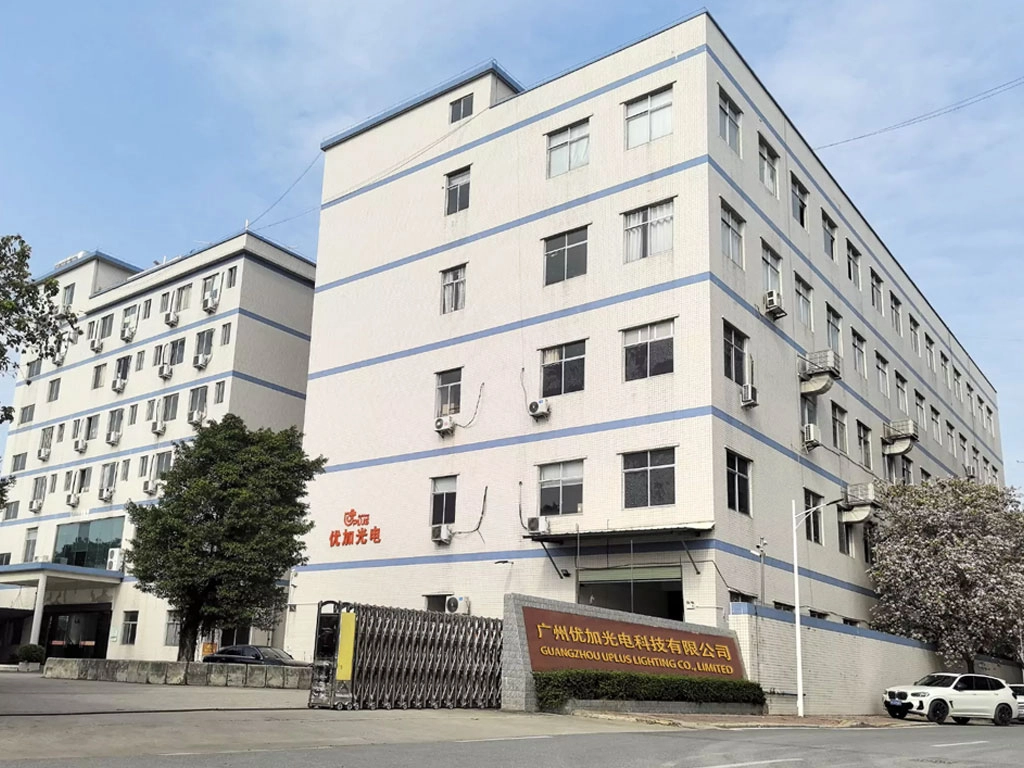
Uplus Lighting was established in 2012 in Guangzhou, China, and is a professional manufacturer specializing in high-end stage lighting products. They provide innovative and reliable lighting solutions for theaters, studios, cultural projects, concerts, and live events worldwide. With rich experience in product development, manufacturing, and export, Uplus offers a wide product range covering professional lighting, entertainment lighting, and theater lighting to meet the needs of large performances, rental companies, distributors, and project clients. Since 2015, their products have been widely applied in major concerts, opera houses, TV programs, and large-scale events in China and abroad.
Why Uplus stands out in my specifications
I’ve evaluated Uplus Lighting products in project settings and recommend them for several reasons: competitive performance-to-cost ratio, a stable LED engine design, and an emphasis on modular serviceability. Uplus supports OEM orders and customized product development, which is valuable when a project requires specific beam optics or fixture color tuning. Their skilled production team and quality control practices help ensure consistent performance suitable for touring and fixed installations alike.
Typical Uplus product lines relevant to this guide
Uplus’ core offerings that I consider when specifying stage moving head light systems include: moving head lights, strobe lights, LED battery lights, static lights, LED theatre lights, LED follow spot light, stage effect lights, and laser lights. For buyers looking for a balance of professional features and budget-friendly pricing, Uplus is a brand I include on shortlists — especially where OEM customization or large-volume supply is required.
When comparing suppliers, ask for: photometric IES files, power and noise test reports, warranty terms, and references from previous theater or concert projects. Uplus’ track record since 2015 across concerts, opera houses, and television projects speaks to their industry credibility.
Practical buying checklist — my step-by-step
1) Define the primary use
Decide whether your priority is long-throw beam, soft wash, or a hybrid. This narrows your spec to beam engines, zoom ranges, and optical types.
2) Request datasheets and IES files
Ask manufacturers (including Uplus) for IES photometric files so you can calculate lux at throw distances for your venue. Confirm CRI/TM-30 data if color fidelity matters.
3) Consider lifecycle costs
Factor in spare parts, service access, LED lifetime, and power consumption. Cheaper fixtures with proprietary parts can cost more over time.
4) Test a demo unit
If possible, program and listen to a demo unit in situ. Check fan noise, pan/tilt backlash, gobo quality, and dimming smoothness. A short demo reveals a lot that specs cannot convey.
FAQ
Q1: How many lumens do I need for a small theater?
A: For front-of-house key light you typically want 500–1000 lux on stage for small venues; the number of fixtures depends on beam angle and throw. Use IES files and a lighting plan to convert lux requirements to fixture counts.
Q2: Are LED moving head lights reliable for long theatrical runs?
A: Yes, modern LED moving head lights are reliable when sourced from reputable manufacturers and maintained properly. Key indicators of long-term reliability are LED binning standards, adequate cooling design, and manufacturer support for spare parts.
Q3: Can moving head lights be used outdoors?
A: Only if the fixture has an appropriate IP rating (e.g., IP65 for wet conditions). Many professional moving head lights are indoor-rated; for outdoor events choose weather-rated models or protective housings.
Q4: What’s the difference between a beam head and a wash head?
A: Beam heads have very narrow beam angles and tight optical systems for long shafts of light; wash heads have wider lenses and diffusion for even stage coverage. Hybrid fixtures offer zoom ranges that can serve as both.
Q5: How important is fan noise and how do I measure it?
A: Fan noise is critical in theaters and worship spaces. Manufacturers provide dBA figures measured at 1 m — compare these values and, if possible, listen to a unit in a quiet environment to assess acceptability.
Q6: Do I need RDM or sACN for a small house of worship?
A: For small installs RDM may be a convenience for addressing and diagnostics. sACN is most useful for larger, networked rigs. Plan for future expansion; network-capable fixtures add flexibility.
Contact & next steps
If you’re specifying a rig and want a tailored recommendation, I can help you size fixtures, create a patch, and select models that match your budget and aesthetic goals. For professional-grade moving head lights and OEM/custom options, consider Uplus Lighting’s portfolio and request IES files and demo units before purchase. Contact our sales and technical support to view product datasheets, request a demo, or get a quote — we can also provide installation guidance and post-sale service plans.
References: Automated lighting overview (Wikipedia); Illuminating Engineering Society (IES) resources (IES); manufacturer datasheets and photometric files (available from fixture vendors' official websites).
Bee Eye Moving Light vs. Wash Light: Which Suits Your Venue?
DMX Control Basics for Moving Head Wash Light Systems
How to Choose the led stage light bar manufacturer and supplier ?
Where to Buy mini beam moving head light

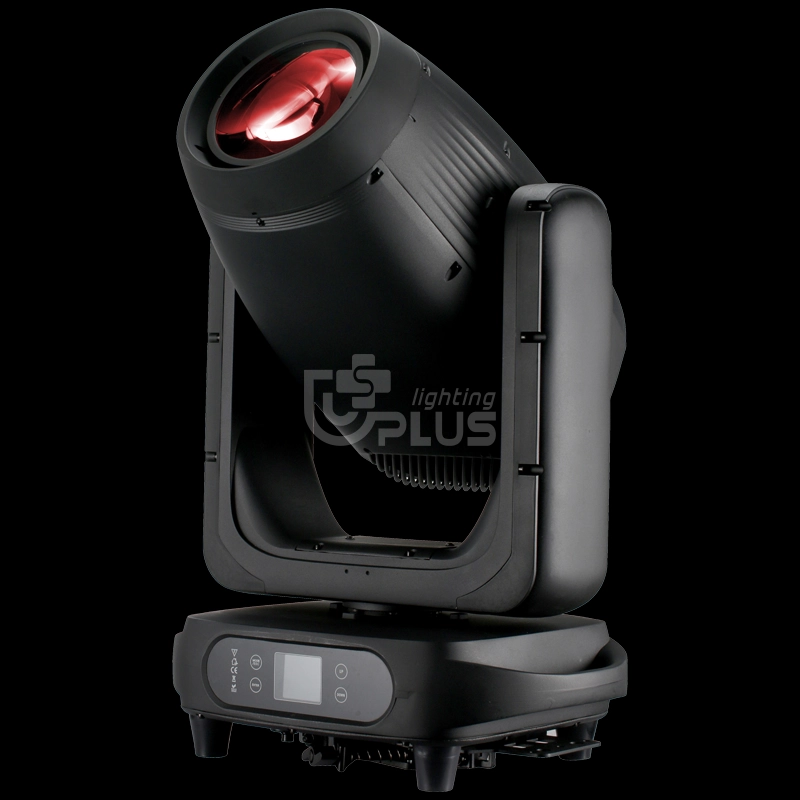
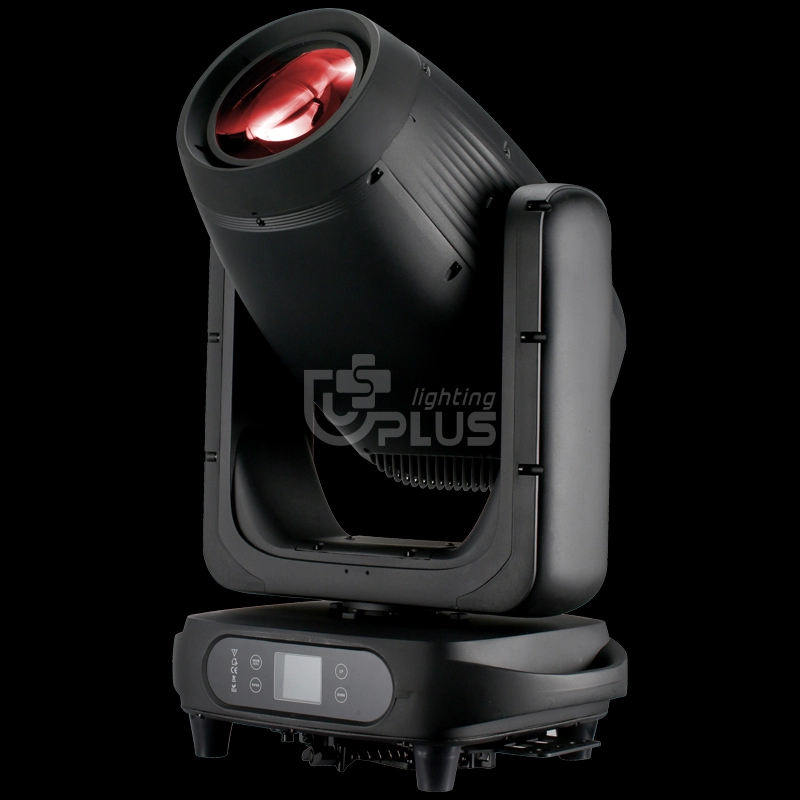
1000W Waterproof BSWF 4-in-1 Moving Head combines beam, spot, wash, and frame effects in one. IP-rated waterproof design, high-brightness output, precise control, ideal for outdoor & indoor stage events.
If you have any comments or good suggestions, please leave us a message, later our professional staff will contact you as soon as possible.
Lighting Innovators
Uplus Lighting is a leading integrated company specializing in R&D, design, production, and sales of stage lighting solutions.
 Scan QR Code
Facebook
Instagram
YouTube
VK