






LED Moving Beam Light vs LED Moving Head: Key Differences
- Understanding beam and head fixtures in modern stage lighting
- What is an LED moving beam light?
- What is an LED moving head light?
- How the categories overlap and why labels matter
- Optical and mechanical differences
- Optics: beam angle, zoom and lens design
- Light source, power and photometric output
- Mechanical features: tilt/pan speed, build and cooling
- Practical application and programming considerations
- Use cases and venue fit
- DMX control, protocols and programming complexity
- Maintenance, reliability and lifecycle costs
- Buying guide and specification checklist
- Key specs to compare (and why they matter)
- Budgeting and rental considerations
- Comparative feature table
- Why choose a particular fixture — real-world decision flow
- Decision flow: asks to make before buying or renting
- Uplus Lighting: capability and product alignment
- Competitive differentiators and technical assurance
- FAQ
- 1. Is an led moving beam light better than a moving head for concerts?
- 2. Can moving head lights produce the same beam intensity as dedicated beam fixtures?
- 3. What photometric files should I request when specifying fixtures?
- 4. How do I maintain led moving beam light fixtures differently from moving heads?
- 5. Are LED fixtures suitable for outdoor festivals?
- 6. Should a rental house standardize on one fixture type?
I write from years of experience designing and supplying professional stage lighting systems. In this article I compare led moving beam light and led moving head fixtures to help lighting designers, rental houses, venue managers, and production technicians choose the right tool for a given show. I focus on measurable differences — optics, mechanics, photometrics, control, maintenance and application — and provide a practical buying checklist and a comparative specification table. Authoritative references such as the general stage lighting overview and DMX control standards are linked where relevant to support technical claims.
Understanding beam and head fixtures in modern stage lighting
What is an LED moving beam light?
An led moving beam light is a motorized entertainment fixture engineered to produce a tight, high-intensity column of light with minimal beam spread. These fixtures emphasize narrow beam angles and long throw performance, making them ideal for aerial shafts, long-throw wash over crowds, or for creating highly visible beam effects in fog and haze. Beam fixtures often use a small, bright LED or LED-array source combined with compact optics and may include prisms or iris functions for effect, but they usually provide limited or no zoom range compared with spot/beam hybrids.
What is an LED moving head light?
An led moving head light is a broader category covering fixtures designed for diverse roles: spot, profile, wash or beam. Moving head fixtures commonly include zoom optics (variable beam/wash angle), interchangeable gobos, framing shutters or iris, and more sophisticated color mixing. They are intended to be versatile — one unit can serve as a spot for texture, a wash for stage illumination, or a narrow beam for aerial effects, depending on model and configuration.
How the categories overlap and why labels matter
Manufacturers sometimes blur lines by marketing hybrids (beam/spot or wash-beam) that combine narrow optics with zoom or additional effects. For procurement and programming, it’s important to read the specification sheet rather than rely solely on the product name.
Optical and mechanical differences
Optics: beam angle, zoom and lens design
Optical design is the clearest technical difference. Beam fixtures target very narrow beam angles (typically under 5–8 degrees in many products) to create sharp, visible shafts. Moving head spot/profile/zoom fixtures provide adjustable beam angles — often from very narrow to wide (e.g., 3–40 degrees) — allowing the same fixture to switch between tight beams and stage washes. If your primary requirement is dramatic, long-throw beams visible across a large arena, an led moving beam light is usually optimized for that task; if you need flexibility to shape light on stage elements, a moving head with zoom and gobos is preferable.
Light source, power and photometric output
Both fixture types have migrated to LED engines for efficiency, color mixing and lifetime. Key verifiable metrics to compare are lumen output, lux at the required throw distance, and beam intensity (candela). While LEDs can be tuned for either type, beam fixtures prioritize tight optical coupling to maximize candela and visible beam contrast; moving heads may distribute light over a wider area and therefore emphasize lumens across a field. For precise planning, request manufacturer photometric files (IES or photometric reports) so you can model lux at distance instead of relying on nominal lumen numbers.
Mechanical features: tilt/pan speed, build and cooling
Beam fixtures often have faster pan/tilt motors and optimized housings for heat dissipation given their concentrated output. Moving heads designed for spot/profile duties might include more mechanical complexity — gobo wheels, framing shutters, zoom mechanics — which increases maintenance points. In live touring, I favor fixtures with robust motor assemblies and accessible maintenance panels; moving beam lights used in high-energy concerts must withstand continuous movement and rough handling.
Practical application and programming considerations
Use cases and venue fit
Choose led moving beam light when you need:
- Long-throw, eye-catching aerial shafts in arenas or outdoor events.
- High-intensity beam effects for concert intros or trance lighting.
- Fixtures that cut through strong stage wash and audience lighting.
Choose moving head lights when you need:
- Versatility on a budget — a single fixture performing spot, wash and beam roles.
- Gobos, framing, and precise beam shaping for theatrical and TV work.
- Variable beam angles for changing stage setups and different show styles.
DMX control, protocols and programming complexity
Both fixture types typically use standard control protocols (DMX512 for channel control, Art-Net/sACN over networks for larger rigs). For protocol background see the DMX512 overview (Wikipedia: DMX512). Beam fixtures often have a simpler DMX footprint if they focus on pan/tilt, color and basic effects; moving heads with zoom, multiple gobo wheels, framing shutters and high-resolution color wheels require more channels and more detailed mapping in a lighting console. From a programmer's perspective, fewer channels simplify cue creation but may limit expressiveness; more channels increase control granularity at the cost of complexity.
Maintenance, reliability and lifecycle costs
LED engines reduce lamp replacement costs, but mechanical wear remains a major lifetime factor. Moving heads with more moving parts (zoom, gobos, shutters) tend to need more scheduled maintenance. Beam fixtures, by design, often have simpler optical trains, but their motors and cooling must handle extreme duty cycles when used in tours. I recommend tracking mean time between failures (MTBF) from manufacturers and asking for service history if renting a used fleet.
Buying guide and specification checklist
Key specs to compare (and why they matter)
When comparing led moving beam light models and moving head units, verify:
- Beam angle / zoom range — defines throw and field coverage.
- Source type and power — LED architecture affects color mixing and output stability.
- Photometric data (IES files) — necessary for accurate lux planning.
- Control protocol and channel count — impacts console programming and network design.
- Special effects (prism, iris, gobo, frost) — determines creative flexibility.
- IP rating (for outdoor use) and duty cycle recommendations — important for festivals and outdoor arenas.
- Weight, rigging points, and power requirements — practical touring considerations.
Budgeting and rental considerations
Cost trade-offs are real: specialized led moving beam light fixtures built for high-intensity aerial effects can be more expensive per unit than general-purpose moving heads because of their optics and high-output LED engines. Rental houses should balance fleet diversity: keep a core of versatile moving heads for stage coverage and several dedicated beam fixtures for headline effects. For one-off purchases in a theatre or studio, prioritize fixtures that match the venue’s primary programming (e.g., drama vs. touring concerts).
Comparative feature table
| Feature | LED Moving Beam Light | LED Moving Head (Spot/Wash/Hybrid) |
|---|---|---|
| Primary purpose | Produce narrow, high-intensity beams / aerial effects | Versatile stage lighting: spot, profile, wash, or beam |
| Beam angle | Typically very narrow (optimized for 2–8° ranges in many models) | Variable zoom ranges (often ~3–40° or wider), model dependent |
| Effect modules | Prisms, iris; limited gobos/zoom on dedicated beams | Gobos, framing shutters, zoom, prisms, frost, color wheels |
| Control complexity | Lower channel counts for basic operation | Higher channel counts for advanced features |
| Best venues | Arenas, large concert stages, outdoor festivals | Theatres, TV studios, multi-purpose venues, touring shows |
| Maintenance | Fewer optical parts, but high-duty cooling and mechanics | More moving parts (gobos, shutters), potentially higher upkeep |
Note: numeric ranges given above reflect typical specification trends across industry products. Always verify using manufacturers' photometric files and technical datasheets.
Why choose a particular fixture — real-world decision flow
Decision flow: asks to make before buying or renting
I recommend this short evaluation sequence:
- Define primary visual goal: aerial beams or stage coverage?
- Measure throw distances and model lux requirements using IES files.
- Decide on control complexity you can support (programmer time and console capabilities).
- Compare MTBF/maintenance plans and shipping/rigging constraints for touring.
- Choose hybrid units only if budget and creative demands require flexibility over dedicated performance.
Uplus Lighting: capability and product alignment
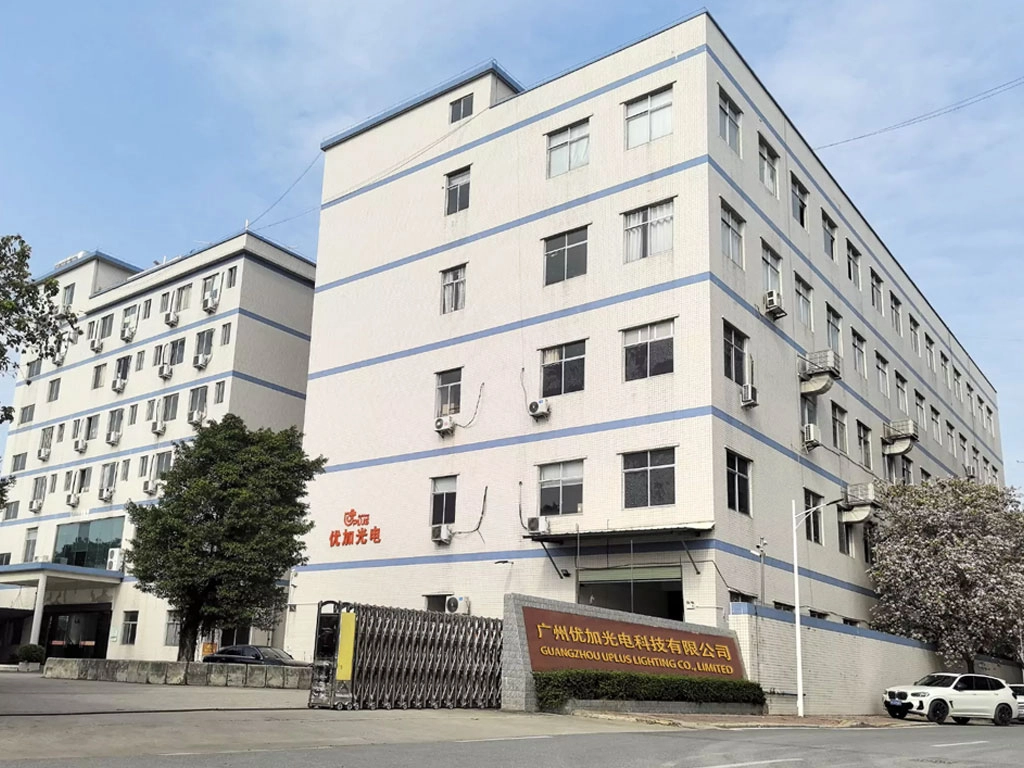
Uplus Lighting was established in 2012 in Guangzhou, China, and is a professional manufacturer specializing in high-end stage lighting products. We provide innovative and reliable lighting solutions for theaters, studios, cultural projects, concerts, and live events worldwide. With rich experience in product development, manufacturing, and export, we offer a wide product range covering professional lighting, entertainment lighting, and theater lighting to meet the needs of large performances, rental companies, distributors, and project clients. Since 2015, our products have been widely applied in major concerts, opera houses, TV programs, and large-scale events in China and abroad. We also support OEM orders and customized product development. A skilled production team and strict quality control ensure stable performance, consistent quality, and professional service trusted by global partners.
In practical terms, Uplus Lighting’s strengths include focused R&D on LED optics and thermal management, a manufacturing process aligned to international export standards, and a product line that covers moving head lights, strobe lights, led battery lights, static lights, led theatre lights, led follow spot light, stage effect lights, and laser lights. If your project needs a mix of flexibility and spectacle, Uplus can supply both versatile moving head fixtures and dedicated led moving beam light units to match creative and technical requirements.
Competitive differentiators and technical assurance
When I evaluate suppliers I look for three things: verified photometric data, durable mechanical design, and responsive service/support. Uplus Lighting’s production team and quality control protocols aim to deliver consistent performance across batches. For buyers, this means predictable rigging loads, reproducible beam characteristics and a reliable maintenance path. For rental houses, the ability to request OEM or customized options also reduces integration headaches across varying shows.
FAQ
1. Is an led moving beam light better than a moving head for concerts?
It depends on the visual goal. For dramatic long-throw aerial beams that define concert looks, led moving beam light is often better. For varied stage coverage, gobos and profile work between songs, moving head fixtures offer more flexibility.
2. Can moving head lights produce the same beam intensity as dedicated beam fixtures?
Some high-end moving head models produce very tight beams and can approach beam fixtures in intensity, but dedicated beam fixtures are optimized specifically for peak candela and visible shaft clarity. Always compare photometric reports (IES files) for the specific models involved.
3. What photometric files should I request when specifying fixtures?
Request IES/IESNA files and lux/footcandle charts from the manufacturer. Use these files in lighting design software to model real-world lux at given throw distances — this is more reliable than lumen numbers alone. For control, verify DMX channel maps and RDM/Art-Net support if your network needs it. See DMX overview for control standards: DMX512 on Wikipedia.
4. How do I maintain led moving beam light fixtures differently from moving heads?
Maintenance priorities differ: beam fixtures require attention to cooling and motor durability under high duty; moving heads require service on zoom mechanics, gobo wheels and shutters. In both cases, follow the manufacturer’s service schedule and keep firmware updated if the unit supports it.
5. Are LED fixtures suitable for outdoor festivals?
Many LED fixtures are suitable for outdoor use but check the IP rating and thermal operation range. Outdoor festivals also demand robust rigging, power distribution and haze to make beams visible. Verify the manufacturer’s recommendations for outdoor operation and any protective accessories.
6. Should a rental house standardize on one fixture type?
Standardizing reduces spare parts complexity but limits creative looks. A balanced fleet mixing versatile moving head lights with a selection of dedicated led moving beam light fixtures provides the best flexibility and enables competitive bidding for a wider range of shows.
If you need personalized spec comparisons, photometrics analysis, or a quotation for your next project, contact Uplus Lighting for consultation or to view product options. Our team can provide IES files, sample DMX maps, and OEM/custom solutions tailored to your venue or tour requirements.
References: General stage lighting overview (Wikipedia: Stage lighting), DMX control protocol (Wikipedia: DMX512), industry guidance from reputable lighting design organizations such as the Illuminating Engineering Society (IES).

LED City Color Light Buying Guide 2026: Why Most Designers Overpay (and How to Avoid It)
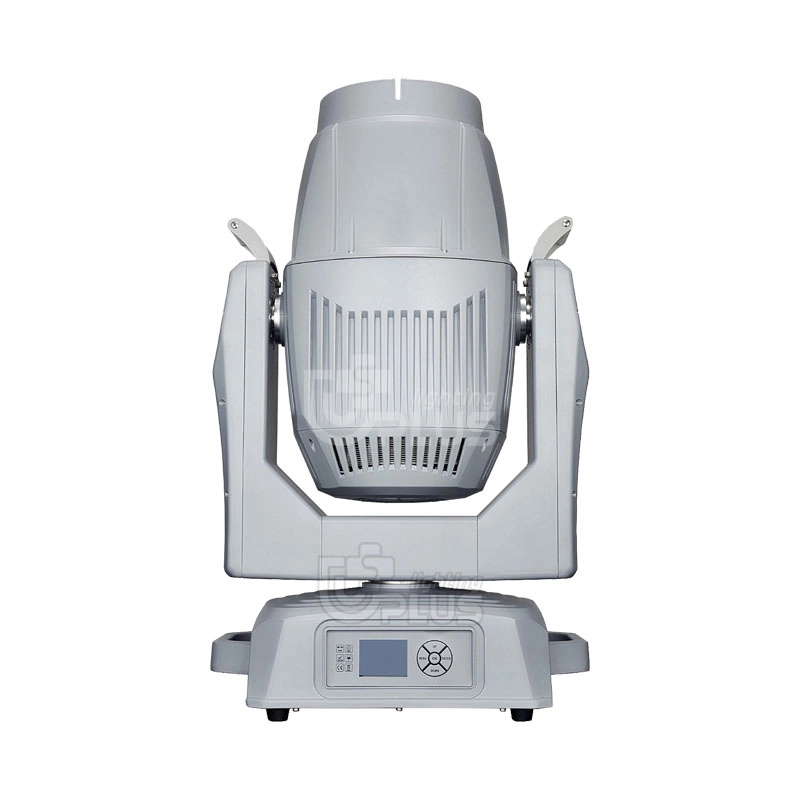
IP66 480W Waterproof Beam Moving Head — Outdoor Stage Lighting Solution
Best laser light moving head manufacturers and supplier brands
Best stage light moving head manufacturers and supplier brands

1000W Waterproof BSWF 4-in-1 Moving Head combines beam, spot, wash, and frame effects in one. IP-rated waterproof design, high-brightness output, precise control, ideal for outdoor & indoor stage events.
If you have any comments or good suggestions, please leave us a message, later our professional staff will contact you as soon as possible.
Lighting Innovators
Uplus Lighting is a leading integrated company specializing in R&D, design, production, and sales of stage lighting solutions.
 Scan QR Code
Facebook
Instagram
YouTube
VK