






What DMX and control options should buyers request?
When embarking on the journey of selecting stage profile lights and understanding DMX control options, it's crucial to address specific questions that often lack comprehensive answers online. Below are six detailed questions frequently asked by beginners, accompanied by in-depth answers to guide your decision-making process.
1. What are the key features to consider when selecting profile stage lights for professional use?
When choosing profile stage lights, focus on the following features:
Beam Quality and Light Output: Assess brightness (lumens), color rendering index (CRI), and beam sharpness to ensure precise illumination.
Control and Movability: Look for adjustable shutters, zoom lenses, and DMX compatibility for seamless integration into lighting control systems.
Durability and Build Quality: Opt for robust construction with efficient cooling systems to withstand frequent use.
Energy Efficiency: Prioritize LED-based fixtures for lower power consumption and longer lifespan.
These considerations ensure optimal performance and longevity of your lighting equipment. ((https://www.upluslighting.com/guides/profile-stage-lights-guide/))
2. How do I determine the appropriate DMX channel mode for my moving head lights?
Selecting the right DMX channel mode depends on the complexity of the lighting effects you intend to achieve:
16-Channel Mode: Ideal for beginners, offering control over dimming, strobe effects, pan and tilt movements, color selection, and gobo effects.
Higher Channel Modes: Provide more granular control for advanced users, allowing for intricate programming and effects.
Starting with a 16-channel mode simplifies control and programming, making it suitable for most applications. ((https://www.upluslighting.com/guides/stage-light-moving-heads-power-dmx-control-options/))
3. What are the key differences between 3-pin and 5-pin XLR connectors in DMX wiring?
The primary differences include:
Wiring Standards: 5-pin XLR is the official DMX wiring standard, allowing for future expansion, while 3-pin XLR is commonly used in many fixtures.
Signal Integrity: 5-pin connectors help maintain signal integrity over longer distances and complex setups.
For long-term installations and compatibility with a wide range of equipment, using 5-pin XLR connectors is advisable. ((https://www.upluslighting.com/guides/stage-light-moving-heads-power-dmx-control-options/))
4. How can I prevent DMX channel overlap when controlling multiple moving head lights?
To prevent DMX channel overlap:
Assign Unique Addresses: Ensure each fixture has a unique DMX address to respond independently to control signals.
Sequential Addressing: For example, if using a 16-channel mode, assign addresses sequentially: the first fixture starts at address 1, the second at 17, and so on.
This practice maintains control integrity and prevents unintended interactions between fixtures. ((https://www.upluslighting.com/guides/stage-light-moving-heads-power-dmx-control-options/))
5. What are the advantages of using LED-based moving head lights over traditional lamp-based fixtures?
LED-based moving head lights offer several advantages:
Energy Efficiency: LEDs consume less power, reducing operational costs.
Longevity: LEDs have a longer lifespan, decreasing the frequency of replacements.
Cooler Operation: LEDs generate less heat, minimizing the need for extensive cooling systems.
Instant On/Off: LEDs reach full brightness immediately without warm-up time.
These benefits make LED-based moving head lights a practical choice for modern stage lighting needs. ((https://www.upluslighting.com/guides/stage-light-moving-heads-power-dmx-control-options/))
6. How do I set up and program basic lighting effects using a DMX controller?
To set up and program basic lighting effects:
Connect Fixtures: Link your stage lights to the DMX controller using appropriate cables, ensuring correct addressing.
Configure Channels: Refer to the DMX channel sheet of each fixture to understand the function of each channel.
Program Effects: Use the controller to set values for each channel, creating desired effects such as color changes, movement, and intensity adjustments.
Familiarizing yourself with the controller's interface and the fixtures' capabilities will enhance your ability to create dynamic lighting sequences.
By addressing these specific questions, you can make informed decisions when purchasing stage profile lights and selecting appropriate DMX control options, ensuring a professional and efficient lighting setup for your events.
For personalized assistance and a detailed quote, please contact us at albee@upluslighting.com or visit our website at www.upluslighting.com.


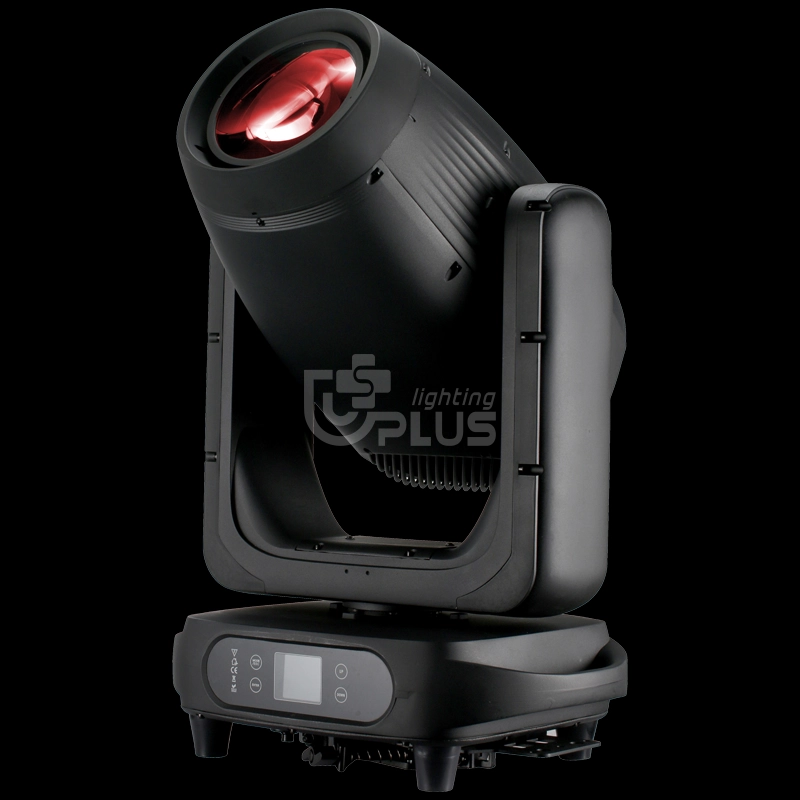
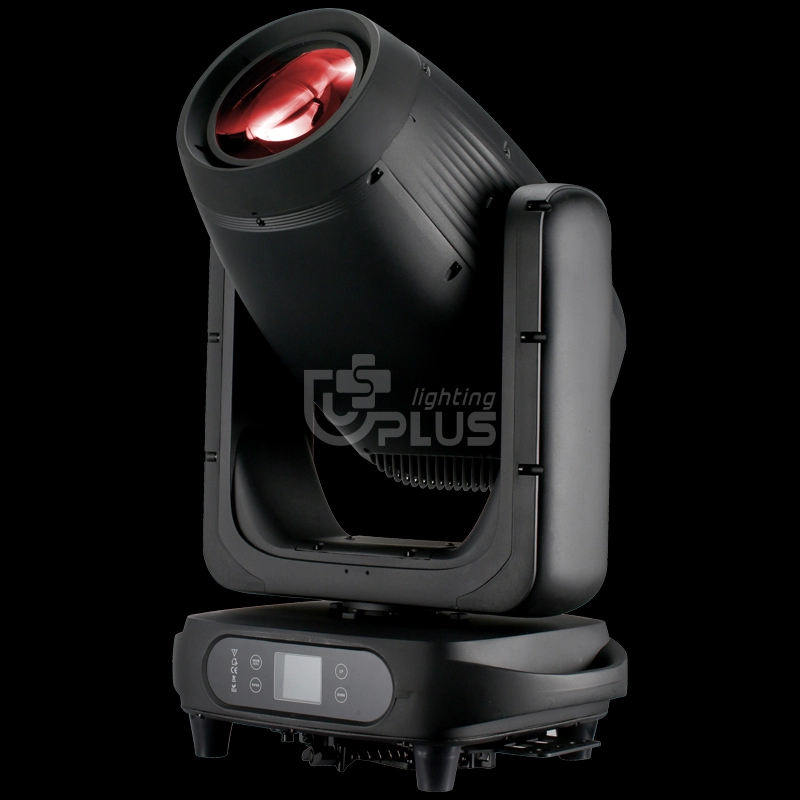
1000W Waterproof BSWF 4-in-1 Moving Head combines beam, spot, wash, and frame effects in one. IP-rated waterproof design, high-brightness output, precise control, ideal for outdoor & indoor stage events.
Stay updated on our latest news
If you have any comments or good suggestions, please leave us a message, later our professional staff will contact you as soon as possible.
Lighting Innovators
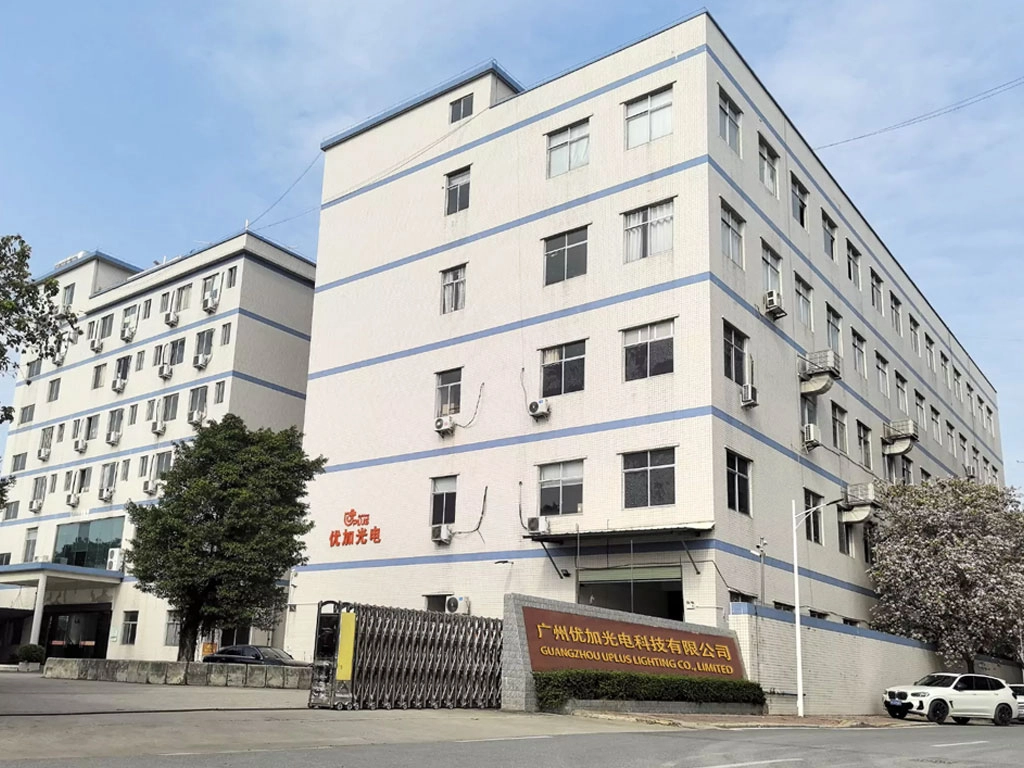
Uplus Lighting is a leading integrated company specializing in R&D, design, production, and sales of stage lighting solutions.
 Scan QR Code
Facebook
Instagram
YouTube
VK