






- 1. What are LED stage profile lights, and how do they differ from other stage lighting fixtures?
- 2. What technical specifications should I consider when selecting an LED stage profile light?
- 3. How do control systems and protocols impact the functionality of LED stage profile lights?
- 4. What are the maintenance considerations for LED stage profile lights?
- 5. How do LED stage profile lights compare to traditional incandescent profile lights?
- 6. What are the cost considerations when purchasing LED stage profile lights?
What features matter when buying an LED stage profile light?
1. What are LED stage profile lights, and how do they differ from other stage lighting fixtures?
LED stage profile lights, also known as ellipsoidal reflector spotlights, are designed to produce a sharp, focused beam of light. They are characterized by their adjustable beam angles and the ability to shape the light using gobos and shutters. Unlike floodlights that provide broad, even coverage, profile lights are ideal for highlighting specific areas or performers on stage. Their versatility makes them a staple in theatrical productions, concerts, and other live events. ((https://www.upluslighting.com/guides/profile-stage-lights-essential-insights/))
2. What technical specifications should I consider when selecting an LED stage profile light?
When evaluating LED stage profile lights, focus on the following technical specifications:
- Luminous Flux (Lumens): Measures the total light emitted by the fixture. Higher lumens indicate greater brightness, but consider the distribution to ensure adequate coverage.
- Illuminance (Lux): Indicates the amount of light that reaches a surface. Assessing lux at specific distances helps determine how bright performers will appear from various audience or camera positions.
- Beam Angle: Defines the spread of the light beam. Narrow beams (5–15°) create tight accents; medium beams (20–40°) are suitable for front lighting; wide beams (>50°) provide soft washes.
- Color Rendering Index (CRI): A higher CRI (above 90) ensures accurate color reproduction, which is crucial for theatrical and broadcast applications.
- Color Temperature (CCT): Choose fixtures with tunable CCT (2700–6500K) or RGB(A) + variable white options for precise mood control.
3. How do control systems and protocols impact the functionality of LED stage profile lights?
Control systems and protocols are vital for integrating LED stage profile lights into your setup. Key considerations include:
- DMX512 Compatibility: The standard for channel-based control. Verify the channel count for each fixture mode to ensure compatibility with your control system.
- RDM (Remote Device Management): Allows remote addressing and monitoring, which is beneficial for large installations and touring rigs.
- Network Protocols: Art-Net and sACN provide Ethernet-based control, commonly used in high-density setups and pixel-mapped fixtures.
- Pixel-Mapping Support: Essential for LED bars and strips used as media surfaces; ensure the fixture supports pixel addressability and mapping tools.
4. What are the maintenance considerations for LED stage profile lights?
Proper maintenance ensures the longevity and optimal performance of LED stage profile lights. Consider the following:
- Cooling Systems: Active cooling systems help manage heat, extending the lifespan of the LEDs.
- Dust and Moisture Protection: Fixtures with higher IP ratings (e.g., IP65) are more resistant to dust and moisture, making them suitable for outdoor events.
- Firmware Updates: Regular updates can enhance functionality and fix potential issues. Ensure the manufacturer provides reliable tools for firmware updates.
- Cleaning and Servicing: Regular cleaning of lenses and filters, as well as periodic servicing, can prevent performance degradation.
5. How do LED stage profile lights compare to traditional incandescent profile lights?
LED stage profile lights offer several advantages over traditional incandescent profile lights:
- Energy Efficiency: LED fixtures consume significantly less power, reducing operational costs.
- Longevity: LEDs have a longer lifespan, decreasing the frequency of replacements.
- Color Control: LED fixtures provide more precise color mixing and temperature control, enhancing creative possibilities.
- Reduced Heat Output: LEDs generate less heat, improving comfort for performers and reducing the need for additional cooling.
6. What are the cost considerations when purchasing LED stage profile lights?
The cost of LED stage profile lights varies based on features and quality. Here's a general breakdown:
- Fixture Purchase Price: Prices range from $1,200 to over $3,500 per unit, depending on features like zoom lenses, onboard framing shutters, and color mixing capabilities. ((https://www.upluslighting.com/article/cost-buy-install-profile-stage-lights/))
- Operational Costs: Consider energy consumption and maintenance expenses. LED fixtures typically offer lower operational costs compared to traditional incandescent lights.
- Budget Planning: Allocate funds for initial purchase, installation, and potential future upgrades or replacements. ((https://www.upluslighting.com/article/cost-buy-install-profile-stage-lights/))
By carefully considering these factors, you can select LED stage profile lights that align with your production needs and budget, ensuring a successful and visually captivating performance.


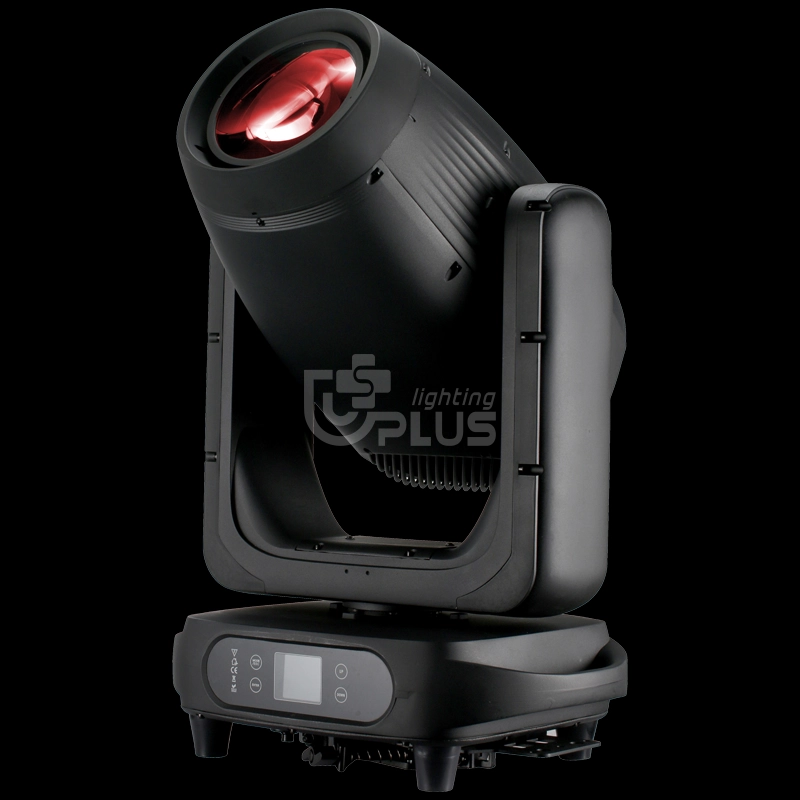
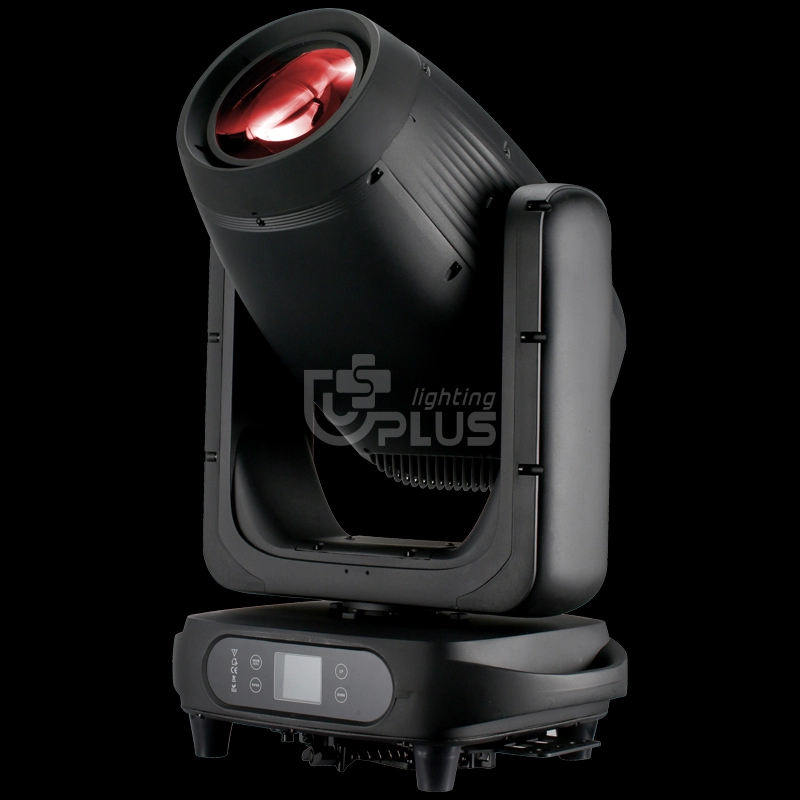
1000W Waterproof BSWF 4-in-1 Moving Head combines beam, spot, wash, and frame effects in one. IP-rated waterproof design, high-brightness output, precise control, ideal for outdoor & indoor stage events.
Stay updated on our latest news
If you have any comments or good suggestions, please leave us a message, later our professional staff will contact you as soon as possible.
Lighting Innovators
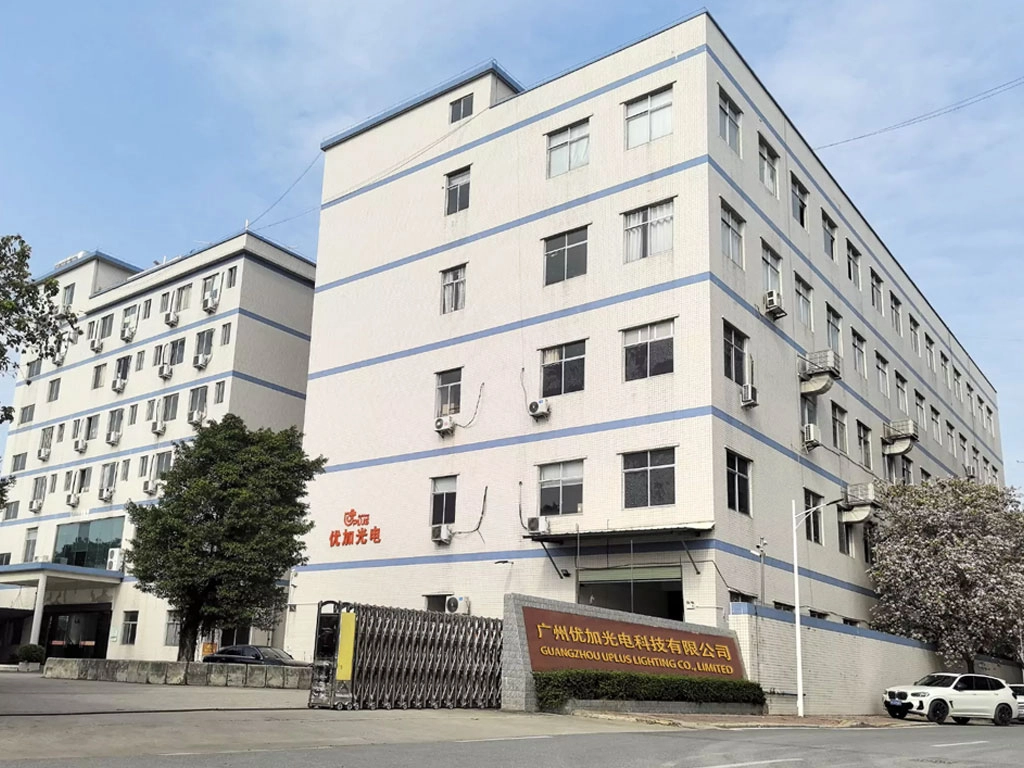
Uplus Lighting is a leading integrated company specializing in R&D, design, production, and sales of stage lighting solutions.
 Scan QR Code
Facebook
Instagram
YouTube
VK