






- Introduction
- 1. Ensure Basic Stage Visibility (The Fundamental Purpose)
- 2. Guide Audience Attention & Highlight Key Focus
- 3. Create Atmosphere & Evoke Target Emotions
- 4. Assist Storytelling & Indicate Time and Space Changes
- 5. Shape Stage Space & Enhance Visual Hierarchy
- 6. Cooperate with Music & Rhythm to Optimize Performance Rhythm
- FAQs About the Purpose of Stage Lighting
- Q1: What is the most basic purpose of stage lighting?
- Q2: How does stage lighting affect the audience’s emotional experience?
- Q3: Is stage lighting only used for stage beautification?
- Q4: Why do different performances need different stage lighting designs?
- Conclusion
GET A FREE QUOTE ➜
Tuesday, 06/2/2026
What Is the Purpose of Stage Lighting? Core Functions & Key Benefits
Wondering what the purpose of stage lighting is? Learn the core functions of stage lighting, including visibility, mood creation, storytelling, audience guidance, and spatial shaping for performances.
Introduction
Stage lighting is one of the most essential and invisible backbone elements of all live performances, including theater plays, concerts, dance shows, musicals, and live events. Many audiences only notice dramatic light changes or stunning visual effects, ignoring that professional stage lighting runs through every second of a performance. The core purpose of stage lighting is not merely to brighten the stage, but to serve the overall performance effect, assist narrative expression, regulate audience perception, and create immersive visual experiences. High-quality stage lighting can elevate a mediocre performance, while poor lighting will ruin the complete artistic presentation. To fully understand live performance art, it is necessary to master the core purposes and practical functions of stage lighting.
1. Ensure Basic Stage Visibility (The Fundamental Purpose)
The most basic and primary purpose of stage lighting is to provide scientific and reasonable illumination, ensuring that the audience can clearly see performers’ movements, facial expressions, stage sets, and props. Unlike daily indoor lighting, stage lighting focuses on targeted illumination, avoiding excessive glare, dead corners, or harsh shadows that affect viewing experience.
Professional lighting designers adjust light brightness, angle, and coverage according to stage size, performance type, and audience seating area. Even light distribution eliminates visual blind spots, making every detail of the performance visible to spectators in all positions. Without basic stage lighting, all performance expressions, actor performances, and stage layouts will lose their presentation value, which is why visibility is the foundation of all other stage lighting functions.
2. Guide Audience Attention & Highlight Key Focus
Another key purpose of stage lighting is to guide the audience’s line of sight and accurately highlight the core performance focus. In multi-character or multi-scene performances, the stage often has multiple activity areas. Through focused beam lighting, spotlights, and light and shadow contrast, lighting can quickly gather the audience’s attention on key actors, crucial plot nodes, or important stage props.
For example, a single followlight tracking the leading actor can isolate the protagonist from the background environment, letting the audience focus on key dialogue and emotional scenes. In contrast, dimming the background light weakens secondary areas, effectively avoiding audience distraction. This visual guidance function makes the performance rhythm clearer and the plot logic more intuitive.
3. Create Atmosphere & Evoke Target Emotions
Stage lighting is the core tool for creating performance atmosphere and conveying emotional tones, which is the most artistic purpose of stage lighting. Through flexible adjustment of light color, brightness, softness, and dynamic changes, lighting can shape different emotional atmospheres and drive the audience’s emotional resonance.
Warm-toned lights such as orange and yellow are commonly used to present warm, joyful, and lively scenes, suitable for comedy clips, cheerful dance performances, and festive live shows. Cool-toned lights like blue and cyan, matched with low brightness and soft light, create a sense of tranquility, sadness, mystery, and tension, perfect for tragedy plots, suspense scenes, and quiet lyrical performances. Meanwhile, dynamic light flashing, gradient dimming, and beam shaking can render intense, passionate, or thrilling atmospheres for concerts and drama climax scenes.
4. Assist Storytelling & Indicate Time and Space Changes
Stage lighting acts as a silent narrative language, helping the audience understand plot development, time changes, and scene conversions without redundant lines. It can accurately mark the transformation of time and space in the performance, including day and night alternation, seasonal changes, and scene switching between indoor and outdoor environments.
For instance, soft golden slow light simulates dawn, deep blue dim light represents night, and warm red light sets off sunset scenes. Fast light switching and color contrast can indicate scene jumps and plot reversals. In addition, lighting changes can synchronize with character emotional changes, implying inner fluctuations of characters and enriching the depth of the story. This narrative-assisted function greatly improves the completeness and expressiveness of stage performances.
5. Shape Stage Space & Enhance Visual Hierarchy
A flat stage will appear monotonous and empty, while professional stage lighting can reshape the stage space and build distinct visual layers. By using light and shadow contrast, regional lighting, and three-dimensional beam layout, lighting can create a sense of depth, hierarchy, and three-dimensionality for the flat stage.
Light can divide the entire stage into independent performance areas, separate the main performance area from the background and auxiliary areas, and avoid visual chaos caused by overlapping scenes. Reasonable light and shadow matching can also modify the stage space, cover structural defects of the stage, and make the overall stage layout more neat, harmonious, and three-dimensional, greatly improving the overall visual aesthetics of the performance.
6. Cooperate with Music & Rhythm to Optimize Performance Rhythm
Modern stage lighting is highly synchronized with music, sound effects, and performance choreography, which is an important purpose of stage lighting in contemporary live performances. Lighting designers adjust light brightness, color, and switching frequency according to music beats and performance rhythms.
In fast-paced pop concerts, dynamic stroboscopic lights and jumping color changes match the strong music beats to amplify the on-site passion. In slow and lyrical performances, gentle light gradients and soft static lights echo the slow rhythm, creating a comfortable viewing rhythm. The integration of light, sound, and performance makes the overall performance more unified, rhythmic, and infectious.
FAQs About the Purpose of Stage Lighting
Q1: What is the most basic purpose of stage lighting?
The most basic purpose of stage lighting is to provide sufficient and uniform illumination to ensure clear visibility of performers, stage sets, and performance details for all audience members, which is the premise of all stage performance presentations.
Q2: How does stage lighting affect the audience’s emotional experience?
Stage lighting regulates audience emotions through color temperature, brightness, and dynamic changes. Warm lights bring warmth and joy, cool lights create calm and sadness, and dynamic light changes render tension and passion, effectively driving audience emotional resonance and enhancing immersive viewing experience.
Q3: Is stage lighting only used for stage beautification?
No. Stage lighting is far more than simple beautification. Its core purposes include ensuring visibility, guiding visual focus, assisting storytelling, shaping space hierarchy, synchronizing performance rhythm, and conveying emotions. Beautification is only a secondary effect.
Q4: Why do different performances need different stage lighting designs?
Different performances have distinct themes, emotions, and narrative rhythms. Theater focuses on narrative and emotional expression, requiring stable and narrative-oriented lighting; concerts pursue dynamic and passionate on-site atmosphere, needing rich dynamic light changes. Targeted lighting design can perfectly fit the performance style and maximize the artistic effect.
Conclusion
In short, the purpose of stage lighting is diverse and systematic. It starts with basic visual illumination, and extends to multiple core functions such as visual guidance, atmosphere creation, narrative assistance, space shaping, and rhythm optimization. As an indispensable part of stage art, stage lighting turns flat performances into three-dimensional, emotional, and infectious artistic works, greatly enriching the expression form and artistic value of live performances. Excellent stage lighting design can always serve the performance theme accurately, connect performers and audiences emotionally, and create unique and unforgettable live viewing experiences.
Recommended for you

Beam vs Spot vs Wash Moving Head: What’s the Difference?
Details ➜
October 14, 2026

IP-B820 & IP-B1620 IP65 RGBA Battery Splicing Bar Lights for Events, Stages and Wireless Uplighting
Details ➜
October 09, 2026

IP1000 BSWF Series: Compact High-Power IP65 Moving Head Lights
Details ➜
September 29, 2026
You may also like

IP1000 BSWF 1000W waterproof BSWF 4in1 moving head
1000W Waterproof BSWF 4-in-1 Moving Head combines beam, spot, wash, and frame effects in one. IP-rated waterproof design, high-brightness output, precise control, ideal for outdoor & indoor stage events.
IP700 BSWF 700W waterproof BSWF 4in1 moving head
The IP700 BSWF 700W waterproof BSWF 4in1 moving head light by Uplus Lighting delivers versatile, durable stage lights designed for outdoor and indoor use. Engineered for reliable performance, this moving head light integrates four functions in one compact unit, ideal for dynamic lighting setups.
IP700 BSWF 700W waterproof BSWF 4in1 moving head
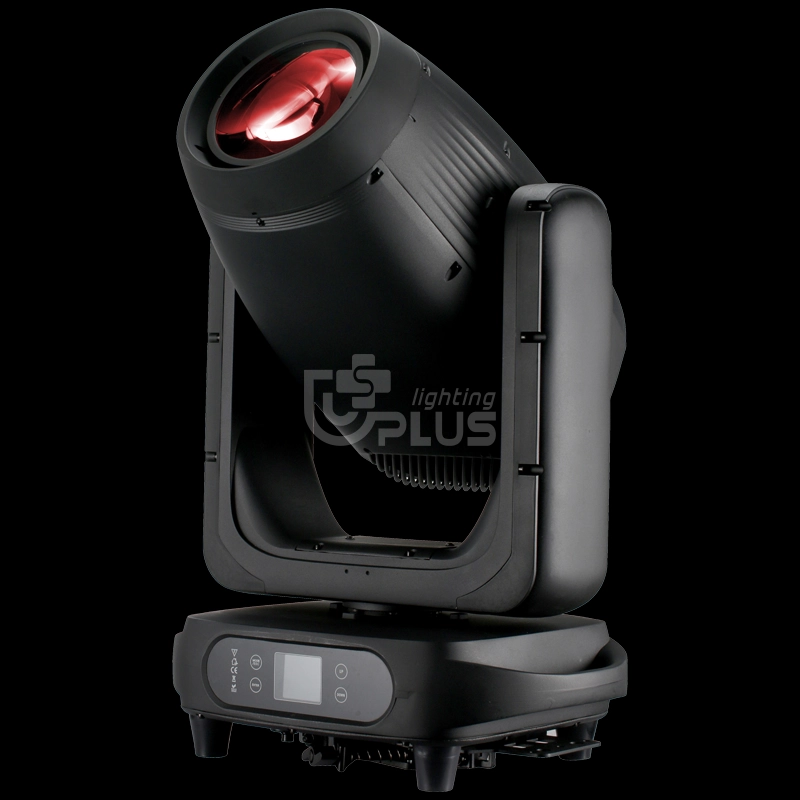
IP1000 BSWF PRO Pro 1000W waterproof BSWF 4in1 moving head
BSWF moving head IP65 stage light IP1000 BSWF PRO Pro 1000W by Uplus Lighting offers durable, waterproof performance with 4-in-1 functionality for versatile stage effects. Designed for reliable outdoor and indoor use, it ensures consistent lighting in demanding environments.
IP1000 BSWF PRO Pro 1000W waterproof BSWF 4in1 moving head
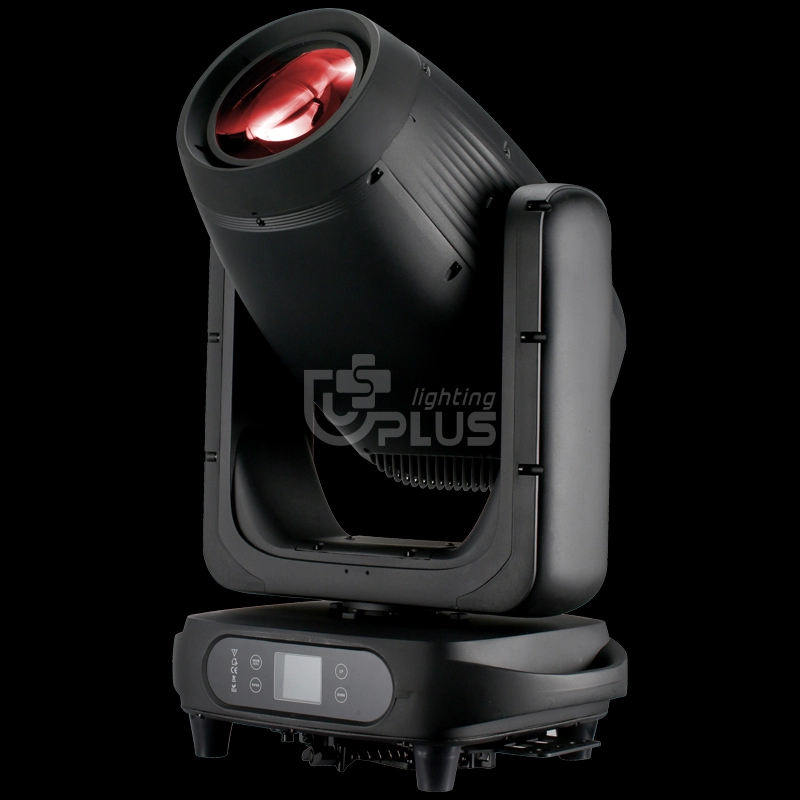
IP700 BSWF PRO Pro 700W waterproof BSWF 4in1 moving head
BSWF light waterproof moving head stagelight IP700 BSWF PRO Pro by Uplus Lighting delivers 700W power with 4-in-1 functionality, designed for reliable outdoor use. Its waterproof build ensures durability in various environments, making it ideal for professional stagelighting needs.
IP700 BSWF PRO Pro 700W waterproof BSWF 4in1 moving head
Stay updated on our latest news
If you have any comments or good suggestions, please leave us a message, later our professional staff will contact you as soon as possible.
Lighting Innovators
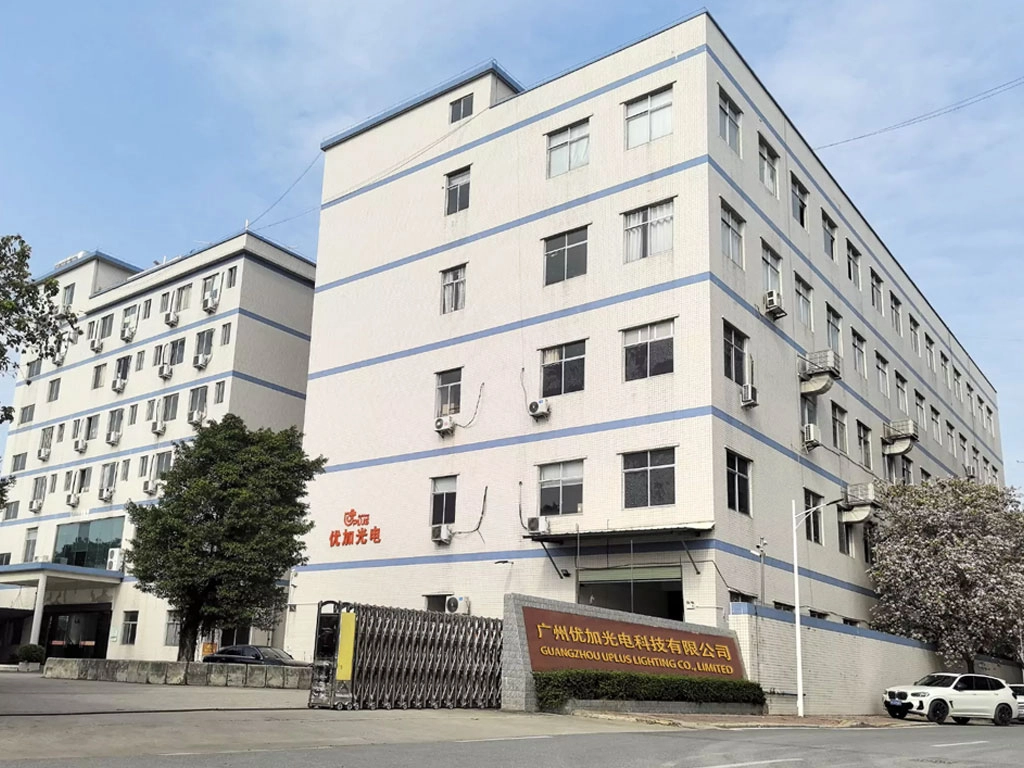
Uplus Lighting is a leading integrated company specializing in R&D, design, production, and sales of stage lighting solutions.
 Scan QR Code
Facebook
Instagram
YouTube
VK