






High Brightness Stage Lights 360W Beam Moving Head
High-output 360W beam moving head engineered for professional stage lighting, delivering focused high-lumen output, precision pan/tilt control, and robust touring reliability for concerts, theaters, and rental fleets — optimized for DMX512 systems, long-life LED engines, and rapid setup in large venues.
- How to select a high-output moving head for large venues?
- What performance metrics should you prioritize for long-throw beams?
- How does power consumption affect running costs and heat management?
- Why is physical build and transportability important for rentals?
- Why is beam quality and optical control critical for creative design?
- What role does beam angle and zoom play in visual impact?
- How do gobos, prisms, and iris addbacks affect staging versatility?
- What measurement data should you request from manufacturers?
- How to ensure electrical and control compatibility for technical crews?
- What control protocols and addressing features are essential?
- How should you plan power distribution and backup for tour-grade fixtures?
- Why are firmware updates and service documentation part of procurement?
- What maintenance and deployment practices extend fixture lifespan?
- How often should fixtures undergo preventive maintenance?
- What spare parts and consumables should each kit include?
- How can lifecycle metrics inform procurement decisions?
- FAQ
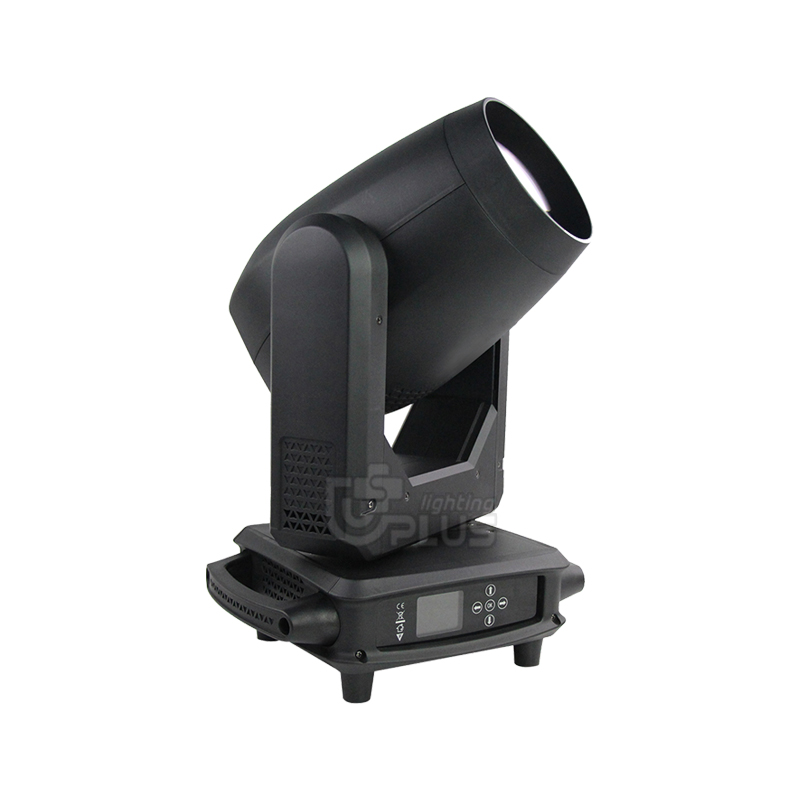
High-output 360W beam moving head engineered for professional stage lighting, delivering focused high-lumen output, precision pan/tilt mechanics, and rugged touring reliability for concerts, theaters, and rental companies.
How to select a high-output moving head for large venues?
What performance metrics should you prioritize for long-throw beams?
Prioritize raw luminous intensity (lux at 10–30 m), narrow beam angle, and a stable optical system to retain edge definition over distance; these directly influence visibility on large stages and outdoor arenas. Also check LED emitter power (360W class for this product) and optical efficiency to estimate real-world throw.
How does power consumption affect running costs and heat management?
Higher wattage increases brightness but raises thermal load and power draw, impacting generator sizing and venue electrical planning. A 360W LED engine typically offers superior lumen-per-watt efficiency versus older discharge lamps, reducing overall energy cost when paired with proper ventilation and heat-sinking.
Why is physical build and transportability important for rentals?
Durable housing, roadworthy fastening points, and modular service access reduce downtime and repair costs for touring rigs. Choose moving heads with replaceable modules and service documentation to keep mean time to repair (MTTR) low on back-to-back events.
Why is beam quality and optical control critical for creative design?
What role does beam angle and zoom play in visual impact?
Narrow beam angles (single-digit degrees) create hard, defined shafts useful for aerial effects, while adjustable zooms enable wash-to-beam versatility on the same fixture. Designers rely on consistent beam edges and minimal chromatic aberration to layer effects without color fringing.
How do gobos, prisms, and iris addbacks affect staging versatility?
Interchangeable gobos and rotating prisms expand texturing and movement possibilities without extra fixtures, allowing rapid scene changes and complex looks during live cues. High-precision indexing and glass gobos produce crisp projections even at long throw distances.
What measurement data should you request from manufacturers?
Request photometric data: lux at multiple distances, beam angle spread, spectral power distribution, CRI/TLCI, and lumen maintenance curves. These objective metrics replace subjective claims and let production engineers calculate risers, sightlines, and power budgets confidently.
How to ensure electrical and control compatibility for technical crews?
What control protocols and addressing features are essential?
DMX512 compatibility is fundamental; advanced fixtures should also support RDM for remote configuration. Verify channel footprint and whether the unit supports 16-bit pan/tilt for smooth motion and fine-grain dimming for camera-ready fades; consult the product manual for channel maps.
How should you plan power distribution and backup for tour-grade fixtures?
Plan circuits to handle inrush and continuous load, and use power distribution units with circuit protection and redundancy. For multi-fixture rigs, budget adequate generator capacity and UPS for controller electronics to prevent cue loss during transient power events.
Why are firmware updates and service documentation part of procurement?
Firmware updates can add features or fix stability issues; choose vendors who publish firmware and clear update procedures. Comprehensive service manuals and labeled harnesses reduce onsite troubleshooting time and allow in-house technicians to perform preventive maintenance.
For technical reference on control standards and industry guidance, consult the DMX512 overview on DMX512 (Wikipedia), best-practice lighting guidance from the Illuminating Engineering Society, and general stage lighting concepts on Stage lighting (Wikipedia). For electrical and safety standards, see ISO and industry white papers.
What maintenance and deployment practices extend fixture lifespan?
How often should fixtures undergo preventive maintenance?
Implement quarterly inspections for rental fleets and annual deep service for installed systems to check optics, fans, and connectors. Regular cleaning of lenses and heat sinks preserves lumen output and reduces thermal stress on the LED engine.
What spare parts and consumables should each kit include?
Carry spare lamps (if applicable), replacement lenses/gobos, power connectors, and a fan assembly to allow same-day repairs. A basic toolkit with calibration fixtures, DMX terminators, and cleaning supplies reduces delay between shows.
How can lifecycle metrics inform procurement decisions?
Estimate total cost of ownership using expected LED lifetime (commonly 30,000–50,000 hours), failure rates, and spare parts pricing. Fixtures with modular replacements and clear MTBF figures minimize long-term capital and operational expenditures.
Contact our sales engineers for spec sheets, photometric files, and supply-chain lead times to plan deployments precisely.
FAQ
What is the rated LED power and expected lifespan of the 360W beam moving head?
The fixture uses a 360W LED engine and is rated for long-life operation. Typical LED lifespans are between 30,000 and 50,000 hours depending on operating temperature and duty cycle, and proactive thermal management extends life expectancy.
Is the moving head compatible with standard lighting control protocols?
Yes, it supports DMX512 control and common channel modes for seamless integration. It also supports RDM for remote addressing which simplifies setup and reduces on-site configuration time.
How do I estimate throw and lux for venue planning?
Use manufacturer photometric charts to estimate lux at distance for accurate planning. Photometrics give lux values at multiple distances and beam angles so technical crews can calculate focus positions and overlap precisely.
What maintenance schedule should rental companies follow to ensure reliability?
Quarterly visual inspections and annual deep servicing are recommended for rental fleets. Regular cleaning of optical surfaces and fan modules reduces thermal stress and maintains lumen output, lowering in-field failure rates.
Can the fixture withstand touring conditions and quick rigging?
Yes, the unit is designed with touring in mind and includes robust housing and mounting points. Roadworthy construction plus modular components reduce mean time to repair during back-to-back events and ease transit handling.
How long does lead time and OEM customization usually take?
Standard production lead times vary but OEM customization typically requires 4–8 weeks after design approval. Lead time depends on component availability and order volume; contact sales for an exact schedule and MOQ details.
Top 7 Moving Head Lights Compared: Power, Beam, Price
Top Features to Look for in Bee Eye Moving Head Lights
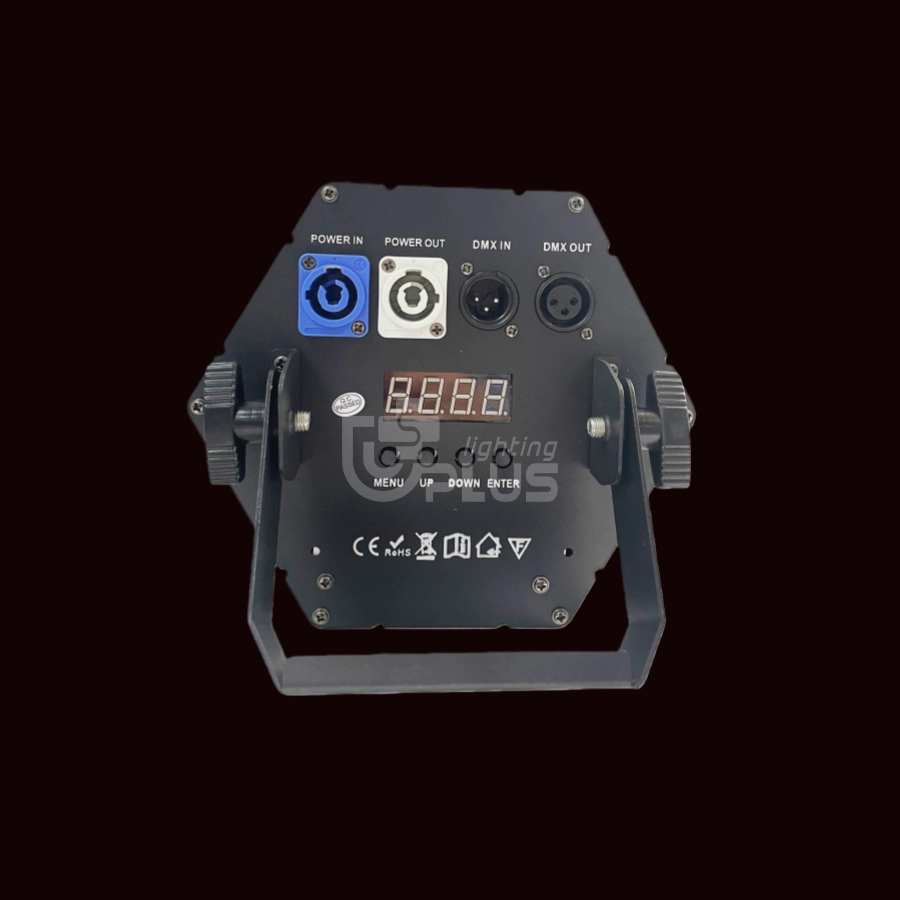
Retro-60 60W LED Retro Light — High-Efficiency Stage Lighting by Uplus Lighting
Mini LED Moving Head Light vs Standard Moving Head: Comparison
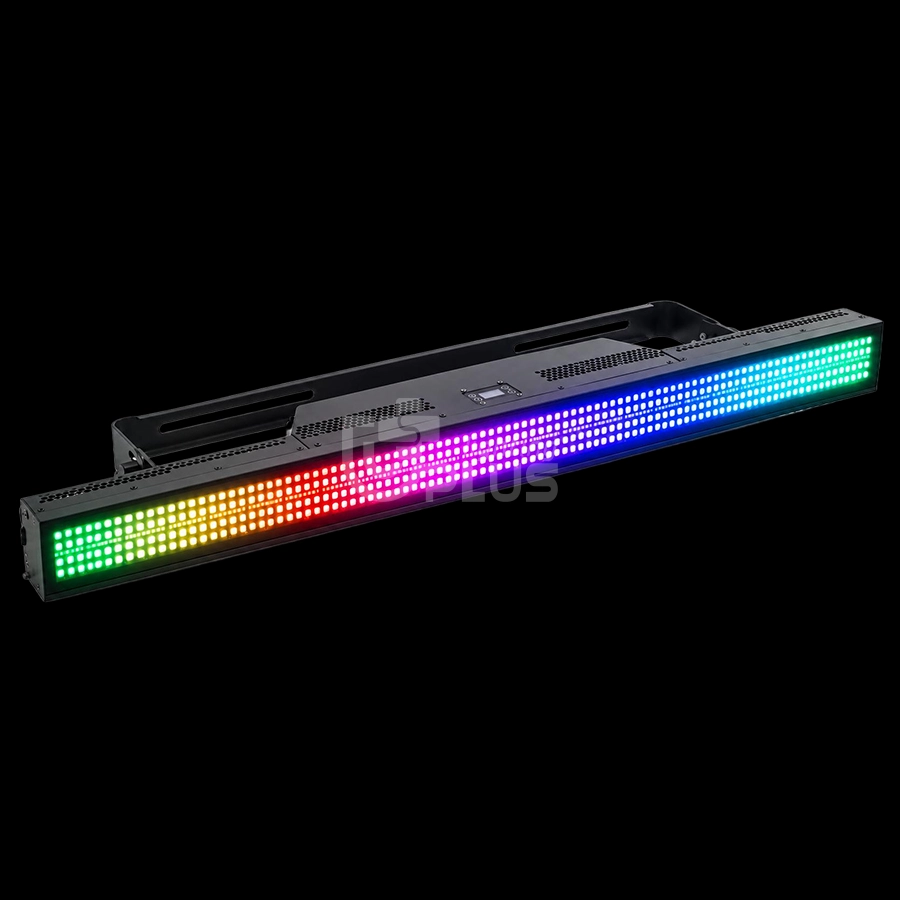
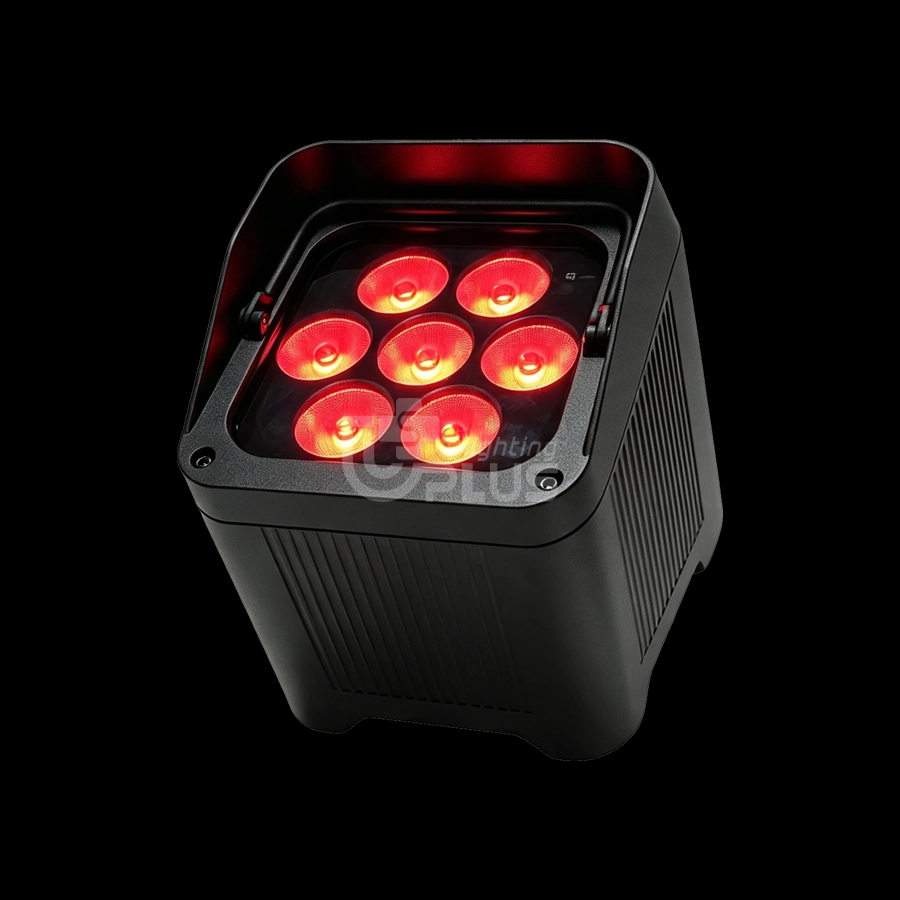

1000W Waterproof BSWF 4-in-1 Moving Head combines beam, spot, wash, and frame effects in one. IP-rated waterproof design, high-brightness output, precise control, ideal for outdoor & indoor stage events.
If you have any comments or good suggestions, please leave us a message, later our professional staff will contact you as soon as possible.
Lighting Innovators
Uplus Lighting is a leading integrated company specializing in R&D, design, production, and sales of stage lighting solutions.
 Scan QR Code
Facebook
Instagram
YouTube
VK