






Retro-60 60W LED Retro Light — High-Efficiency Stage Lighting by Uplus Lighting
- How to choose a compact LED fixture for modern stage lighting?
- What performance metrics should I compare between compact LED fixtures?
- Why does heat management matter for long-run performances?
- How can I assess build quality for touring and rental use?
- Why is energy efficiency critical when specifying lights for a venue?
- How does lower wattage influence venue HVAC and power planning?
- What are the operational cost benefits over a full season?
- How does dimming performance affect perceived efficiency?
- What compatibility and control considerations are essential for integration?
- Which control protocols should I expect from professional fixtures?
- How do I verify optical and color consistency across multiple units?
- Why is serviceability a deciding factor for rental companies?
- What are practical maintenance and lifecycle expectations for LED stage lighting?
- How often should fixtures be inspected in a production schedule?
- What realistic lifetime and warranty should I expect from professional LEDs?
- How can I plan for spares and replacements to minimize downtime?
- Common Questions About Retro-60 and Stage Lighting
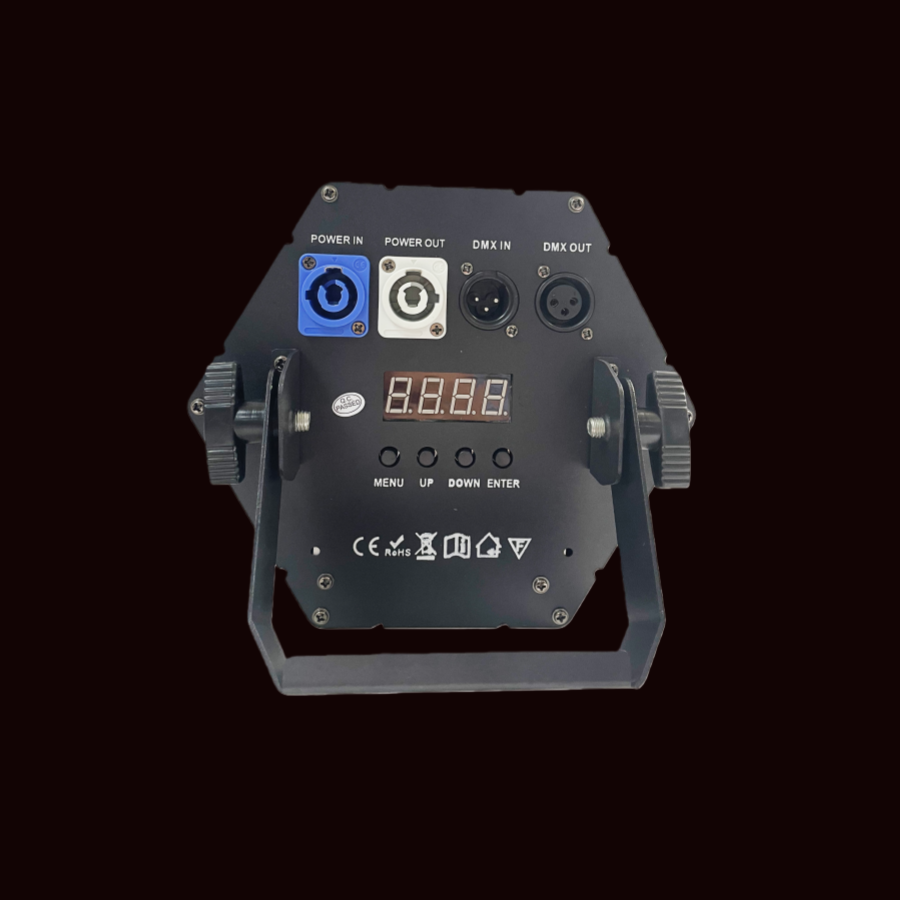
The Retro-60 60W LED Retro Light is a compact, high-output fixture designed specifically for modern stage lighting needs: 60W consumption, high-color-fidelity output, stable thermal management, and flexible control options—ideal for theatres, touring rigs, rental companies, and broadcast studios seeking lower power draw, reduced heat load, and consistent color rendering. The Retro-60 60W LED Retro Light balances efficiency and optical performance to solve common venue pain points like limited rigging space and tight power budgets.
How to choose a compact LED fixture for modern stage lighting?
What performance metrics should I compare between compact LED fixtures?
Compare lumen output per watt, CRI/TLCI, thermal dissipation, and dimming resolution to match the venue's needs. Prioritize fixtures that offer high lumens at low wattage and CRI≥90 for accurate skin tones and set textures; this reduces the number of fixtures required and simplifies power planning for stage lighting designers.
Why does heat management matter for long-run performances?
Effective heat management preserves LED longevity and consistent output across multihour events. Fixtures with aluminum housings and dedicated heat sinks maintain lumen stability and reduce maintenance intervals, preventing unexpected lumen depreciation during long rehearsals and multi-show runs common in professional stage lighting schedules.
How can I assess build quality for touring and rental use?
Look for robust mechanical mounts, locking power/data connectors, and serviceable drivers to withstand frequent rigging. Touring-grade units should offer quick-access panels and replaceable modules; these features minimize downtime in rental cycles and increase lifecycle value for stage lighting inventories.
Why is energy efficiency critical when specifying lights for a venue?
How does lower wattage influence venue HVAC and power planning?
Lower wattage reduces direct electrical load and cuts heat dissipated to the stage, easing HVAC strain and lowering total site operating costs. Choosing 60W-class LEDs instead of comparable discharge fixtures can reduce per-fixture power by 50–80%, which scales to substantial savings for large stage lighting installs.
What are the operational cost benefits over a full season?
Energy-efficient LEDs reduce electricity bills and maintenance costs, often paying back the High Quality in months to a few years depending on usage hours. Fewer lamp replacements and lower cooling loads deliver predictable operating budgets for theatres and touring companies that run 200–1,000 hours per season.
How does dimming performance affect perceived efficiency?
Smooth low-end dimming preserves color and perceived brightness, allowing designers to run fixtures at lower outputs without color shifts—this practically extends fixture runtime and reduces energy usage while maintaining artistic intent in stage lighting design.
What compatibility and control considerations are essential for integration?
Which control protocols should I expect from professional fixtures?
Ensure support for DMX512 and common RDM features for addressing and diagnostics; fixtures that optionally support Art-Net or sACN simplify networked stage lighting systems. Reliable protocol support reduces commissioning time and prevents control conflicts during shows.
How do I verify optical and color consistency across multiple units?
Check manufacturer specifications for CRI/TLCI values, binning data, and factory calibration. Consistent color temperature (CCT) selection, selectable beam angles, and precise calibration data enable predictable matching across fixtures—critical when layering washes, front light, and specials for live broadcasts.
Why is serviceability a deciding factor for rental companies?
Rental houses need fixtures with replaceable drivers, modular optics, and standardized spare parts to minimize service times between hires. Fixtures designed with field-replaceable components maintain high uptime and reduce total cost of ownership across frequent turnover cycles.
What are practical maintenance and lifecycle expectations for LED stage lighting?
How often should fixtures be inspected in a production schedule?
Inspect fixtures before each tour leg or every 50–100 operation hours for cabling, mechanical fasteners, and control connectivity. Regular checks reduce the risk of on-stage failures and ensure consistent output for critical performances in stage lighting environments.
What realistic lifetime and warranty should I expect from professional LEDs?
Professional LED fixtures typically offer rated lifetimes of 30,000–50,000 hours and manufacturer warranties from 2 to 5 years. Confirm service network availability and spare-part lead times to align with production schedules and rental commitments.
How can I plan for spares and replacements to minimize downtime?
Maintain a small stock of driver modules, connectors, and optical elements tailored to your most-used fixtures. Strategically stocking common wear parts reduces mean time to repair and keeps shows running on schedule—especially important for touring stage lighting rigs.
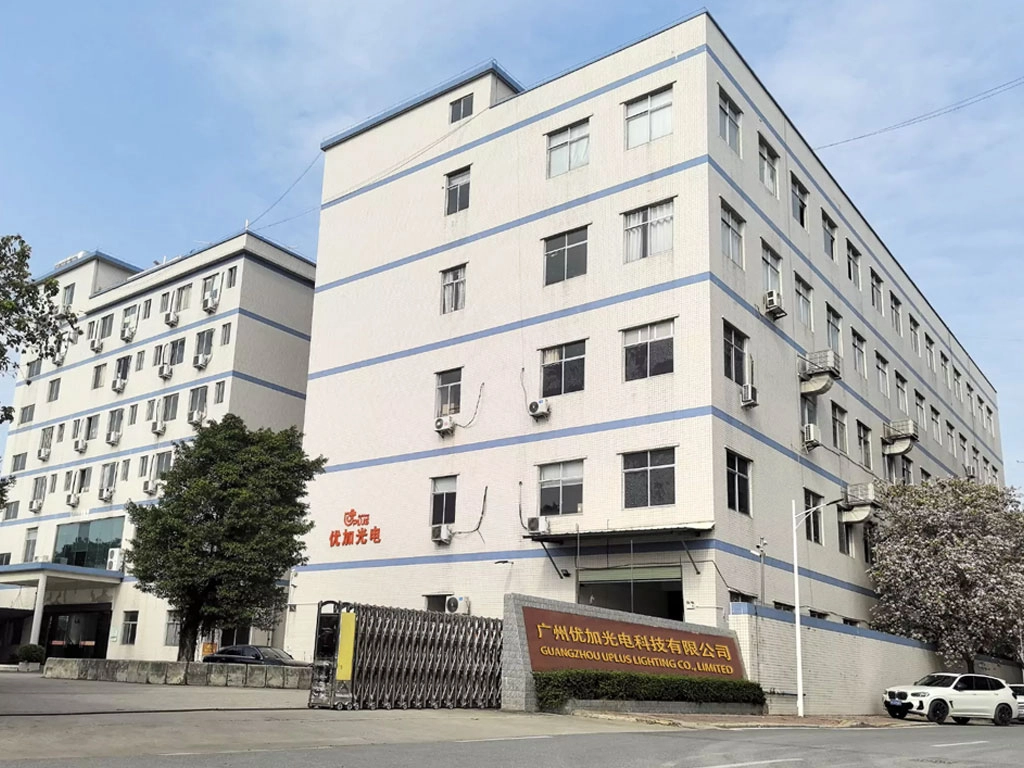
Uplus Lighting, founded in Guangzhou in 2012, combines experienced R&D and production control to support OEM customization, rapid prototyping, and reliable exports for theatres, concerts, and broadcast—backed by project experience since 2015 in large-scale events and opera houses.
For technical guidance on illumination concepts and industry standards, see Stage lighting - Wikipedia, ISO - International Organization for Standardization, and IEEE - Institute of Electrical and Electronics Engineers for electrical safety and design practices.
Contact Uplus Lighting’s technical sales for sample requests, photometric files, and OEM customization options to evaluate how the Retro-60 integrates into your stage lighting ecosystem.
Common Questions About Retro-60 and Stage Lighting
What is the power and lumen output of the Retro-60 60W LED Retro Light?
The Retro-60 is a 60W LED fixture with an approximate output designed for professional use. Its efficacy targets industry-class lumen-per-watt performance (around 100 lm/W), delivering roughly 6,000 lumens per unit for efficient stage lighting while keeping power draw low and thermal load manageable.
What color rendering and temperature options does the Retro-60 offer?
The Retro-60 offers high color fidelity with CRI values typically ≥90 and selectable CCT ranges to match stage requirements. This ensures accurate skin tones and set colors during broadcasts and live performances, reducing color correction needs in multi-fixture setups and improving design predictability.
What control protocols and dimming features are supported for stage integration?
The Retro-60 supports standard DMX512 control with smooth 8- or 16-bit dimming and RDM for remote configuration. These options allow precise intensity control and networked addressing across multi-universe fixtures, enabling consistent cues and reliable integration with existing stage lighting consoles and show control systems.
What is the expected warranty and lifespan when used in professional schedules?
Uplus Lighting typically provides a 2-year warranty and rates the LEDs for a 30,000–50,000 hour lifetime depending on operating conditions. These figures translate to predictable maintenance cycles for theatres and tour operators and ensure spares planning aligns with production timelines.
How does the Retro-60 improve operational costs for rental companies and venues?
By combining 60W power draw with high lumen output and reduced heat generation, the Retro-60 lowers electricity and HVAC costs. Fewer lamp replacements and longer service intervals reduce maintenance spend, improving return on investment for rental fleets and fixed venue stage lighting inventories.
What installation and maintenance practices should be followed for touring use?
Install with locking power and data connectors and verify mechanical mounts before each tour leg. Maintain a small stock of drivers and optical modules; inspect fixtures every 50–100 operational hours to catch connector wear and prevent show-day failures, ensuring reliable uptime for touring stage lighting.
1000W LED Profile 4-in-1 Moving Head — Uplus Lighting
Where to Buy led par light
Comparing Brands: Best Value Profile Stage Lights for Venues
Best Moving Head Lights 2026: Buyer's Guide for Stage Pros
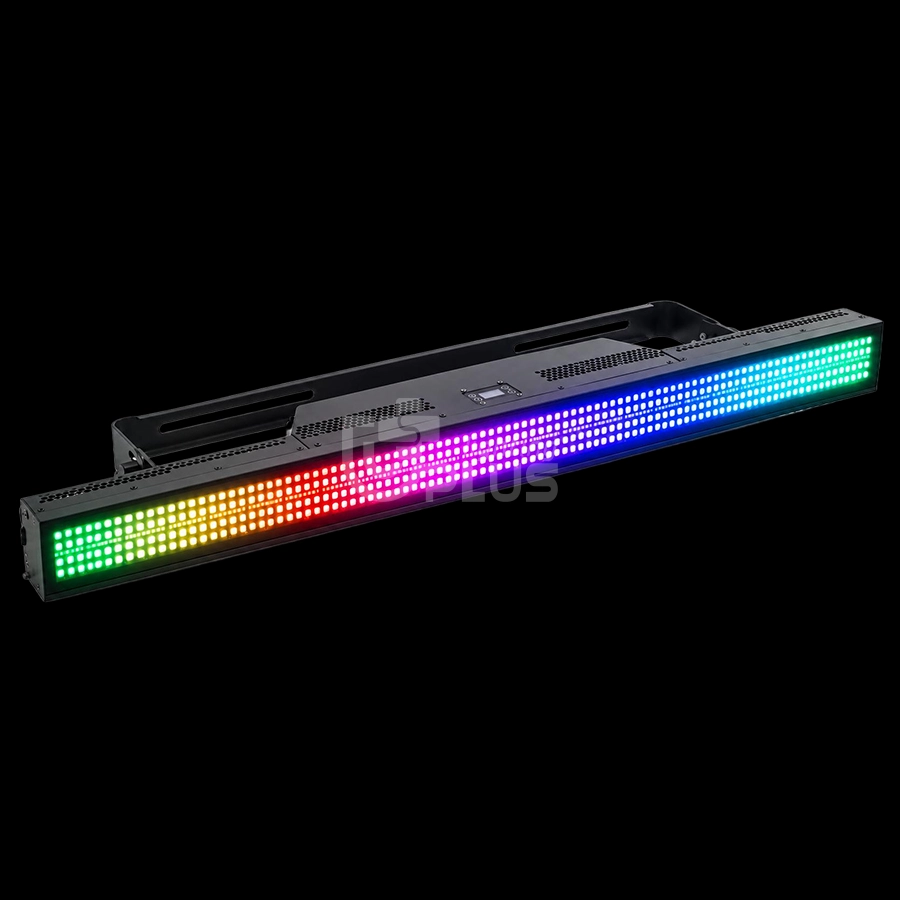
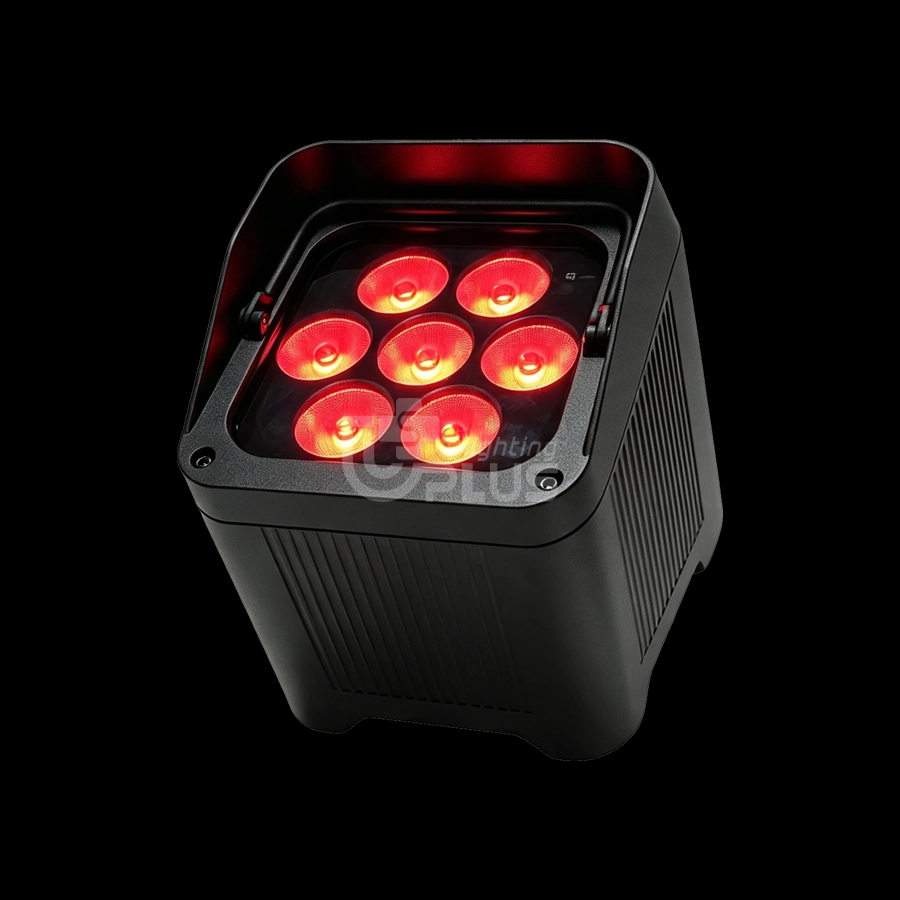

1000W Waterproof BSWF 4-in-1 Moving Head combines beam, spot, wash, and frame effects in one. IP-rated waterproof design, high-brightness output, precise control, ideal for outdoor & indoor stage events.
If you have any comments or good suggestions, please leave us a message, later our professional staff will contact you as soon as possible.
Lighting Innovators
Uplus Lighting is a leading integrated company specializing in R&D, design, production, and sales of stage lighting solutions.
 Scan QR Code
Facebook
Instagram
YouTube
VK