






- 1. What are the key differences between moving head strobes and LED strobes in terms of brightness and beam characteristics?
- 2. How do energy efficiency and heat output compare between moving head strobes and LED strobes?
- 3. What are the lifespan and maintenance requirements for moving head strobes compared to LED strobes?
- 4. How do moving head strobes and LED strobes differ in terms of control and automation capabilities?
- 5. What are the safety considerations when using moving head strobes and LED strobes?
- 6. How do moving head strobes and LED strobes compare in terms of cost and value for money?
Moving head strobe vs LED strobe: which is right for your venue?
1. What are the key differences between moving head strobes and LED strobes in terms of brightness and beam characteristics?
Moving head strobes and LED strobes differ significantly in brightness and beam characteristics:
Brightness and Output: Traditional moving head strobes, often equipped with discharge lamps like Xenon, provide intense brightness and long-throw beams, making them suitable for large venues and dramatic effects. LED strobes have advanced to rival Xenon in brightness but typically offer more directional beams, which may necessitate multiple fixtures for broader coverage.
Beam Characteristics: LED strobes offer full RGB color mixing, supporting creative effects like color chases and smooth dimming curves. In contrast, Xenon strobes are limited to cool white flashes unless used with external gels or filters.
2. How do energy efficiency and heat output compare between moving head strobes and LED strobes?
Energy efficiency and heat output are crucial considerations:
Energy Efficiency: LED strobes consume 70–90% less energy than traditional Xenon strobes, leading to significant cost savings over time.
Heat Output: LED strobes generate significantly less heat, reducing the need for cooling systems and minimizing the risk of fixture failure due to overheating.
3. What are the lifespan and maintenance requirements for moving head strobes compared to LED strobes?
Lifespan and maintenance are key factors:
Lifespan: High-quality LED strobes can last 30,000–50,000 hours, reducing the frequency of replacements. In contrast, Xenon tubes typically operate 200–2,000 hours and require regular replacement.
Maintenance: LED strobes require less maintenance due to their longer lifespan and energy efficiency. Traditional strobes may necessitate more frequent servicing and part replacements.
4. How do moving head strobes and LED strobes differ in terms of control and automation capabilities?
Control and automation capabilities vary:
DMX Control: Both moving head strobes and LED strobes are typically controlled via DMX512, allowing for precise control over multiple lights.
Automation: LED strobes often offer more advanced automation features, including programmable strobe patterns and synchronization with music, enhancing creative possibilities.
5. What are the safety considerations when using moving head strobes and LED strobes?
Safety considerations include:
Health Risks: Strobe effects can trigger seizures in individuals with photosensitive epilepsy. It's advisable to avoid sustained flashes in the 3–30 Hz range and provide warnings to at-risk patrons.
Stroboscopic Effect: The stroboscopic effect can cause moving machinery to appear stationary, potentially leading to hazardous situations. It's recommended to avoid single-phase lighting and use high-frequency controllers to mitigate this effect.
6. How do moving head strobes and LED strobes compare in terms of cost and value for money?
Cost and value considerations are important:
Initial Cost: LED strobes may have a higher upfront cost compared to traditional strobes.
Long-Term Value: The energy efficiency, longer lifespan, and lower maintenance costs of LED strobes often result in better long-term value.
In conclusion, both moving head strobes and LED strobes have their unique advantages. LED strobes offer energy efficiency, longer lifespan, and advanced control features, making them a cost-effective and versatile choice for many venues. However, for large-scale events requiring intense brightness and long-throw beams, traditional moving head strobes may still be preferred. It's essential to assess your venue's specific needs, budget, and desired lighting effects when making a decision.
For personalized assistance in selecting the best lighting solution for your venue, please contact us at albee@upluslighting.com or visit our website at www.upluslighting.com.


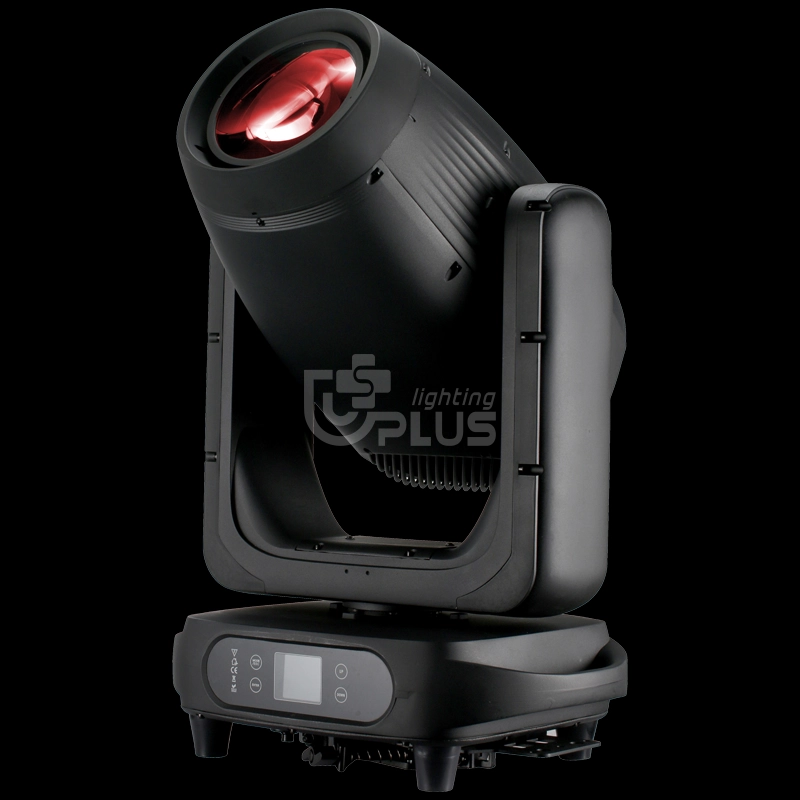
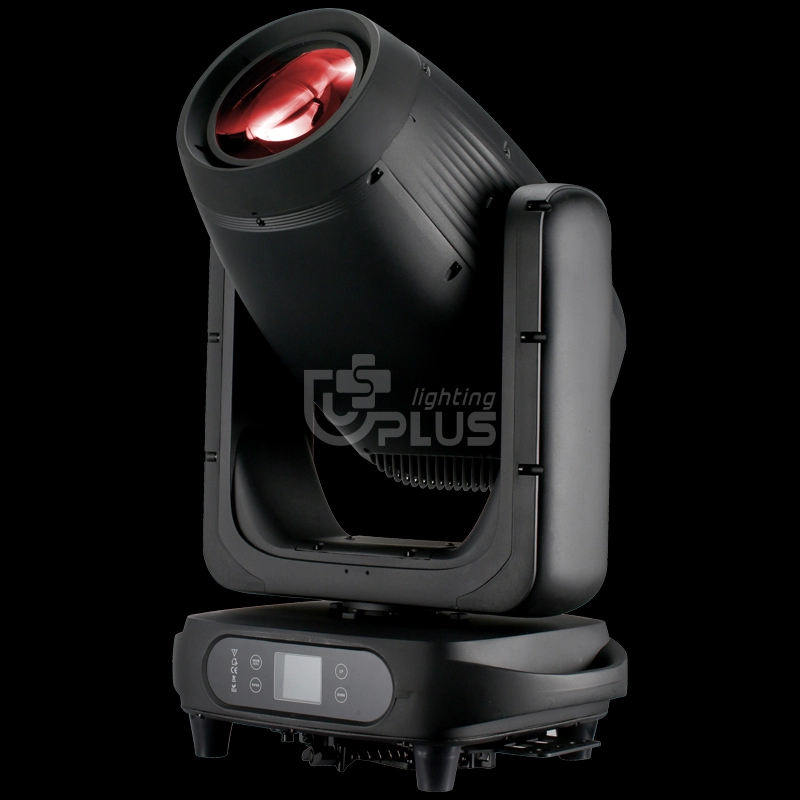
1000W Waterproof BSWF 4-in-1 Moving Head combines beam, spot, wash, and frame effects in one. IP-rated waterproof design, high-brightness output, precise control, ideal for outdoor & indoor stage events.
Stay updated on our latest news
If you have any comments or good suggestions, please leave us a message, later our professional staff will contact you as soon as possible.
Lighting Innovators
Uplus Lighting is a leading integrated company specializing in R&D, design, production, and sales of stage lighting solutions.
 Scan QR Code

Facebook
Instagram
YouTube
VK