






- What moving head strobe specifications matter for live music tours?
- How to ensure a strobe fixture is flicker-free for broadcast?
- What power, cooling, and duty cycle suit long multi-night tours?
- Which control protocols and networking features matter for touring rigs?
- How to evaluate build quality, rigging points and serviceability fast?
- What realistic budget ranges and total cost of ownership considerations?
Which LED DJ moving head strobe light suits live tours?
Which LED DJ moving head strobe light suits live tours?
Tour-grade selection hinges on sustained centre-beam output, flicker-free electronics for broadcast, rugged mechanicals, certified rigging, networked control and fast serviceability; this guide gives measurable spec thresholds and operational priorities to choose a led dj moving head strobe light that endures multi-night live tours.
What moving head strobe specifications matter for live music tours?
Prioritise measurable photometric and mechanical specs rather than marketing buzz. For touring rigging you want a fixture with a documented centre-beam lux value (manufacturer photometric file or IES), a usable zoom/beam-angle range (commonly 3–40° for dedicated beam/spot/strobe heads), and a tight beam profile with low artifacting. Compare LED engine architecture (single large emitter vs multi-chip array) and optical design: multi-chip arrays with high-quality lenses produce more homogeneous strobes and finer beam edges on long throws. Confirm PWM/frequency details, pulse duty control and stated peak output stability under thermal load—these affect visible strobe intensity during long sets. Finally, check the published power draw curve and weight; lighter doesn't automatically mean better on tour if build quality is compromised.
How to ensure a strobe fixture is flicker-free for broadcast?
Flicker-free performance is a technical spec you must verify, not assume. Look for explicit manufacturer data: high PWM carrier frequency (typically tens of kHz) or a dedicated broadcast/flicker-free mode. Fixtures that advertise flicker-free operation usually specify tested camera frame rates or a frequency range for which the fixture remains stable. For critical broadcast or LED-wall-synced touring, insist on demo recordings with the same camera shutter speeds you intend to use. Also confirm driver topology and whether the fixture uses constant-current, temperature-compensated LED drivers—these stabilize output under rapid pulsing. If video capture is part of the show, demand a written flicker performance guarantee or field test before committing a fleet.
What power, cooling, and duty cycle suit long multi-night tours?
Tours push fixtures harder than club installs—expect extended high-output runs and short turnaround times. Select fixtures with active thermal management (thermostatic fans with filters and serviceable intakes) or conservative passive designs if the unit is oversized for its intended output. Check the manufacturer's thermal derating chart: the strobe output should be specified across ambient temperatures. Ensure universal mains compatibility (100–240VAC auto-ranging) and industry-standard power connectors (powerCON TRUE1 or equivalent). Power draw expectations vary widely by class; plan your distro for peak draw plus 20% safety margin and verify in-rack inrush current. Finally, confirm the specified duty cycle for strobe modes and whether continuous high-rate flashing reduces lifespan or forces thermal cutbacks during a set.
Which control protocols and networking features matter for touring rigs?
Tour control complexity demands more than simple DMX. DMX512 and RDM remain baseline requirements for interoperability; add Art-Net and sACN support for large, networked shows and faster provisioning. RDM enables remote addressing and diagnostics, which drastically shortens patch changes during load-in. Look for fixtures that support timecode or show-control triggers (MIDI show control or SMPTE-to-DMX gateways) if you sync strobes to playback. Networked management features—IP-configurable addressing, firmware update over Ethernet and SNMP or Web UI diagnostics—save hours on a tour. Also verify channel mode documentation (compact vs full) and whether the manufacturer provides offline patching files for common console vendors to ensure predictable behavior across venues.
How to evaluate build quality, rigging points and serviceability fast?
Mechanical durability is non-negotiable for touring. Inspect die-cast aluminium structures, reinforced yokes and multiple safety points. Common touring requirements include M10/M12 rated threaded rigging points and dual safety-cable anchors; a documented SWL (safe working load) is essential. Internal layout should prioritize modular replaceable assemblies (LED engine, drivers, fans) rather than glued components. Check how easy it is to swap critical parts (LED module, power supply, control board) without specialized tools and whether the vendor supplies spares kits. Also confirm IP rating if any outdoor exposure is possible. Finally, validate warranty terms, repair turnaround SLAs and the availability of local service centers or on-tour swap programs to minimize downtime.
What realistic budget ranges and total cost of ownership considerations?
Budget planning must account for more than unit price. Factor in flight cases, spare parts, road labor, additional distribution and cabling, and the replacement cadence of consumables. Expect professional moving-head strobes used on tour to be a mid- to high-capital purchase; power and output class influence price strongly. Use L70 LED life estimates (many professional LEDs specify 50,000+ hours) to model replacement periods, but plan for earlier component failures (fans, connectors, optics) and include spare units equal to 5–10% of fleet size for redundancy. Compare total cost of ownership across vendors by adding in documented support SLAs, spare-part pricing, and firmware update policies—cheaper fixtures can become more expensive if spares and service are slow or costly.
Uplus Lighting combines practical touring criteria, documented photometrics and service-first product design to help production managers select and deploy tour-ready LED fixtures; our approach prioritizes measurable specs, networked control, rigging safety and fast field serviceability so fixtures perform consistently night after night.
Contact us for a tailored quote at www.upluslighting.com or albee@upluslighting.com.


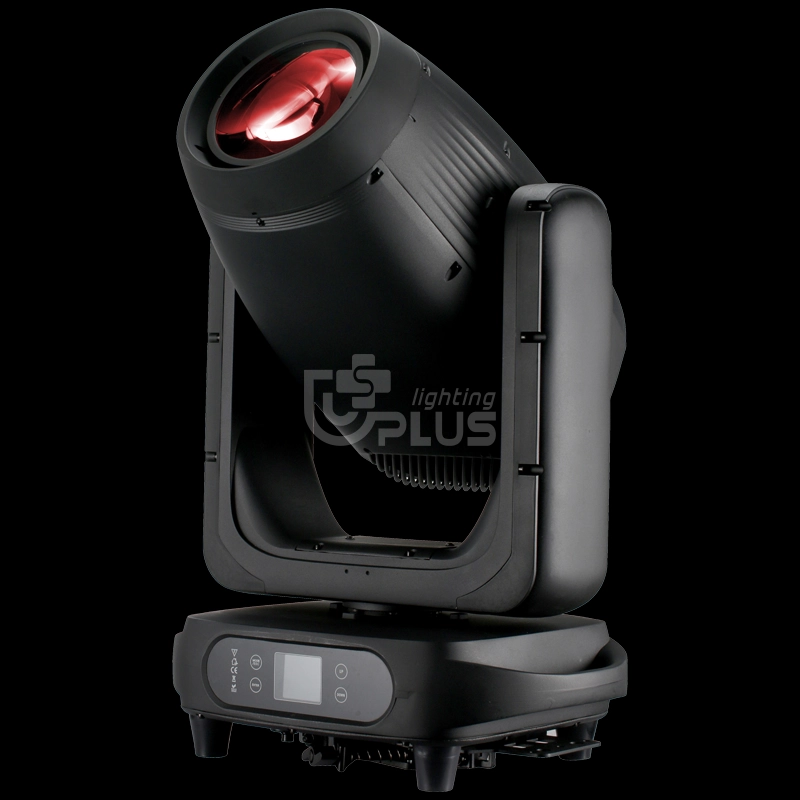
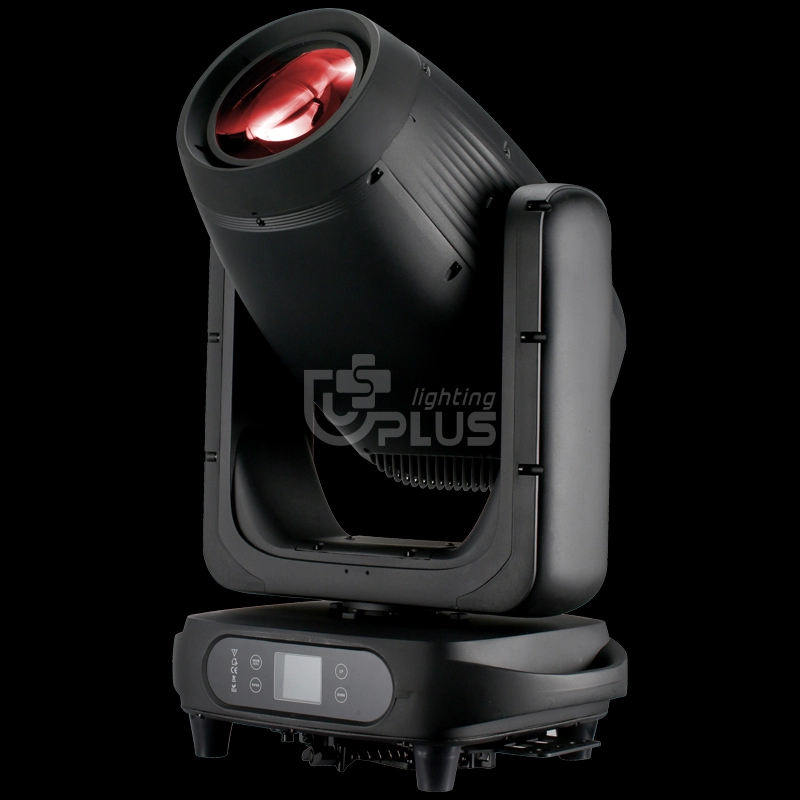
1000W Waterproof BSWF 4-in-1 Moving Head combines beam, spot, wash, and frame effects in one. IP-rated waterproof design, high-brightness output, precise control, ideal for outdoor & indoor stage events.
Stay updated on our latest news
If you have any comments or good suggestions, please leave us a message, later our professional staff will contact you as soon as possible.
Lighting Innovators
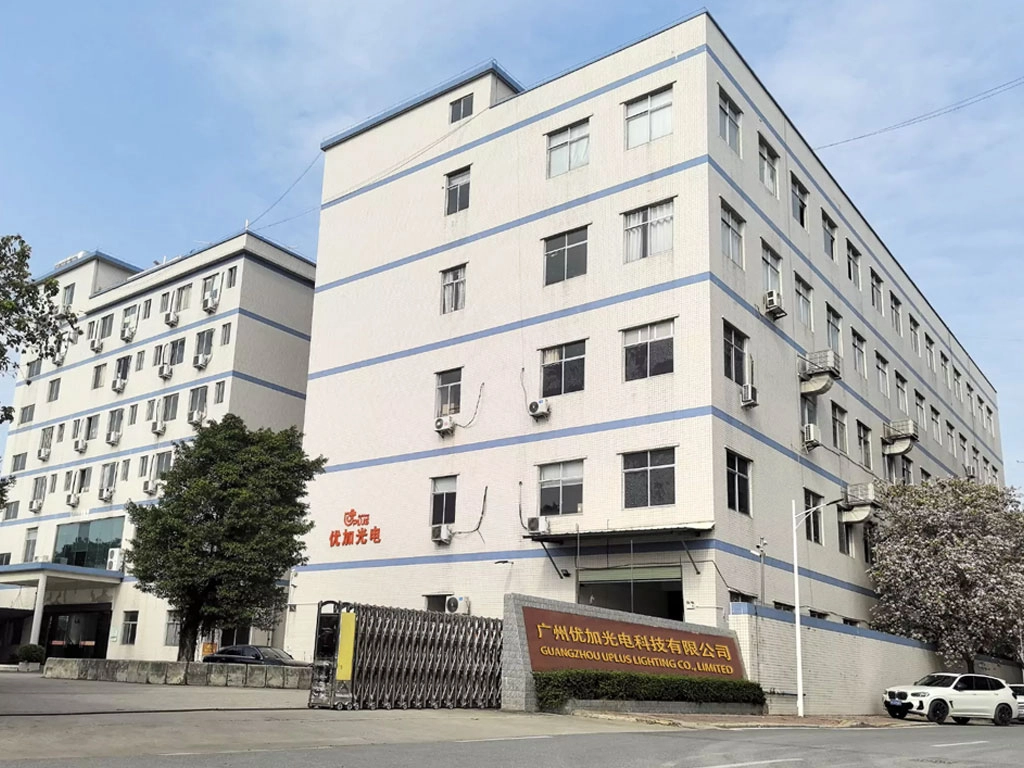
Uplus Lighting is a leading integrated company specializing in R&D, design, production, and sales of stage lighting solutions.
 Scan QR Code
Facebook
Instagram
YouTube
VK