






Case Studies: Mini LED Moving Head Lights in Clubs & Theaters
- Why Mini LED Matters in Live Venues
- Energy, heat, and reliability
- Physical size and beam control
- Color fidelity and effects versatility
- Case Studies: Clubs
- Case 1 — Retro-fit for an intimate club (capacity 300)
- Case 2 — Large nightclub concert series (capacity 2,000)
- Case Studies: Theaters
- Case 3 — Regional proscenium theater retrofit (seating 800)
- Case 4 — Black box and touring set
- Comparative Performance: Mini LED vs. Conventional Moving Heads
- Specifying, Installation & Maintenance
- How I choose fixtures
- Rigging and thermal considerations
- Control, DMX, and maintenance workflow
- Why choose Uplus Lighting for mini LED moving head light solutions
- Practical checklist: Deploying mini LED moving head lights successfully
- Pre-purchase checklist
- Installation checklist
- Maintenance checklist
- FAQ
- 1. Are mini LED moving head lights bright enough for large venues?
- 2. Do mini LED heads flicker on camera?
- 3. How do maintenance costs compare to traditional moving heads?
- 4. Can a single mini LED moving head replace multiple conventional fixtures?
- 5. What should rental houses look for when buying mini LED movers?
- 6. Are mini LED moving heads suitable for outdoor use?
- Contact & Next Steps
I write from years of experience specifying and commissioning lighting systems for clubs, theaters, and touring productions. In this article I analyze practical case studies of mini led moving head light deployments in live entertainment venues, explain the technical and creative benefits, and provide guidance for spec’ing, installation, and maintenance that aligns with industry best practices and standards.
Why Mini LED Matters in Live Venues
Energy, heat, and reliability
Mini LED technology (see the Mini-LED overview) places many small LED emitters behind compact optics. In my projects this translates to higher fixture efficacy and lower operating temperatures compared to older arc or halogen sources. Lower heat reduces cooling load in enclosed venues and prolongs optical and mechanical component life. For a technical frame of reference, the U.S. Department of Energy documents the efficiency and lifetime advantages of modern solid-state lighting: DOE Solid-State Lighting.
Physical size and beam control
A defining driver for clubs and theatres is physical footprint. Mini LED moving head light fixtures compress high output into smaller housings, so I can put fixtures closer to sightlines and fit more units on a rig without exceeding weight limits. The dense LED array allows fine-grained beam shaping—crisp gobos, tight shafts, and rapid pixel-mapped effects—benefits that are particularly valuable in venues that demand both concert-style strobes and theatrical washes.
Color fidelity and effects versatility
Modern mini LED engines provide broad color gamut and stable chromaticity across intensity ranges. When color rendering matters for on-stage skin tones or set textures, I prioritize fixtures with high CRI/TLCI and consistent white point calibration (many manufacturers publish these metrics on datasheets). Pixel-mapped mini LED moving heads also allow dynamic effects traditionally only possible with video walls or multi-source arrays.
Case Studies: Clubs
Case 1 — Retro-fit for an intimate club (capacity 300)
Challenge: The club needed a compact, high-impact rig that could deliver both club-style strobes and precise spot moves for DJ-centric moments without intrusive housings or excessive HVAC load.
Solution: I specified 8 x mini led moving head light fixtures with 7°–45° zoom and pixel-mapping capability, supplemented by 6 x LED battery uplights for low-voltage scenic accents. The small heads replaced older discharge fixtures; the result was a 40% reduction in electrical demand during peak shows and a noticeable drop in house temperature.
Outcome: Creative control improved—designers could create razor-sharp beams to pierce haze while also using soft washes for guest areas. Time-to-rig decreased because the fixtures were lighter and required fewer truss points.
Case 2 — Large nightclub concert series (capacity 2,000)
Challenge: A recurring concert series needed robust fixtures that could handle frequent load-ins, varied artists, and quick programming windows.
Solution: We integrated 24 mini LED moving head light fixtures alongside conventional moving profiles. The mini LEDs were used for fast pixel effects, audience scoops, and mid-air shafts, while profiles handled tight key-light needs. Emphasis was on IP-rated connectors and serviceability for rental cycles.
Outcome: Turnover times shortened by 25% and lamp/re-lamp costs were eliminated. The mixed rig delivered both the punch of conventional sources and the agility of pixel-mapped mini LEDs—optimizing both cost and creative scope.
Case Studies: Theaters
Case 3 — Regional proscenium theater retrofit (seating 800)
Challenge: The theater needed fixtures that would provide consistent theatrical front light and support occasional concert events, without sacrificing color rendering for skin tones or introducing flicker under broadcast lighting.
Solution: I specified mini led moving head light fixtures with high CRI/TLCI ratings, smooth dimming curves compatible with camera workflows, and optical libraries for theatrical gobos. The compact heads allowed us to clear sightlines and reduce weight on the front-of-house truss.
Outcome: Performers and lighting designers reported improved color fidelity. For broadcasted events, the mini LED fixtures performed reliably with no observable PWM flicker when configured per manufacturer recommendations and tested per stage lighting best practices.
Case 4 — Black box and touring set
Challenge: A small touring theater company required lightweight, road-tough fixtures that could produce both soft theatrical washes and animated effects for contemporary plays.
Solution: We chose mini LED moving head light fixtures rated for touring duty—robust housings, quick-change power/data connectors, and modular serviceability. The fixtures’ pixel-mapping allowed single fixtures to serve multiple dramaturgical roles (wash, beam, pattern) without re-rigging between venues.
Outcome: Touring logistics simplified: fewer DMX universes, less cabling, and reduced flight-case footprint. The company reported increased creative options with a single, versatile fixture type.
Comparative Performance: Mini LED vs. Conventional Moving Heads
When I evaluate fixture choices for clubs and theaters I compare several metrics: luminous output, beam quality, power draw, weight, maintenance cycle, and control versatility. The table below summarizes typical ranges based on manufacturer datasheets and field measurements I’ve taken; individual product specs will vary.
| Metric | Mini LED Moving Head | Conventional Discharge/Arc Moving Head | LED Profile / COB |
|---|---|---|---|
| Typical Lumens | 20,000–50,000 lm (pixel-mapped arrays vary) | 40,000–90,000 lm (depending on lamp) | 15,000–40,000 lm |
| Power Draw | 400–1200 W | 1000–2500 W | 300–900 W |
| Weight | 8–20 kg | 15–35 kg | 7–18 kg |
| Maintenance | Low (LED life 30,000–50,000+ h) | High (lamp changes, ballast service) | Low–Medium |
| Control | Pixel-mapping, fine gobo control, quick refresh | Excellent beam punch, fewer pixels | Soft washes and profiles |
Sources for general LED lifetime and efficiency: DOE Solid-State Lighting; technical context on moving head fixtures: Moving head and Stage lighting.
Specifying, Installation & Maintenance
How I choose fixtures
My specification process starts with the creative brief and venue constraints: sightlines, power availability, truss capacity, and programming flexibility. For clubs I prioritize punch, fast movement, and pixel effects. For theaters I prioritize color fidelity, smooth dimming curves, and quiet operation. I always request photometric files (IES/.ldt) and prefer fixtures with documented CRI/TLCI and flicker rate data when broadcast use is possible.
Rigging and thermal considerations
Mini LED moving head light fixtures reduce total rig weight, but concentrated arrays can produce internal heat. I check for adequate convection paths and confirm IP rating for smoky environments or outdoor events. I also factor in truss point load—lighter heads often let me increase fixture density without exceeding structural limits or requiring additional rigging points.
Control, DMX, and maintenance workflow
Pixel-mapped heads can consume many DMX channels or require Art-Net/sACN with pixel mapping profiles. I prefer fixtures that support modern network protocols and have robust firmware update procedures. For maintenance, I set a schedule: monthly firmware checks, annual optical cleaning, and service logs for moving parts. This keeps rental and theatre fleets reliable through busy seasons.
Why choose Uplus Lighting for mini LED moving head light solutions
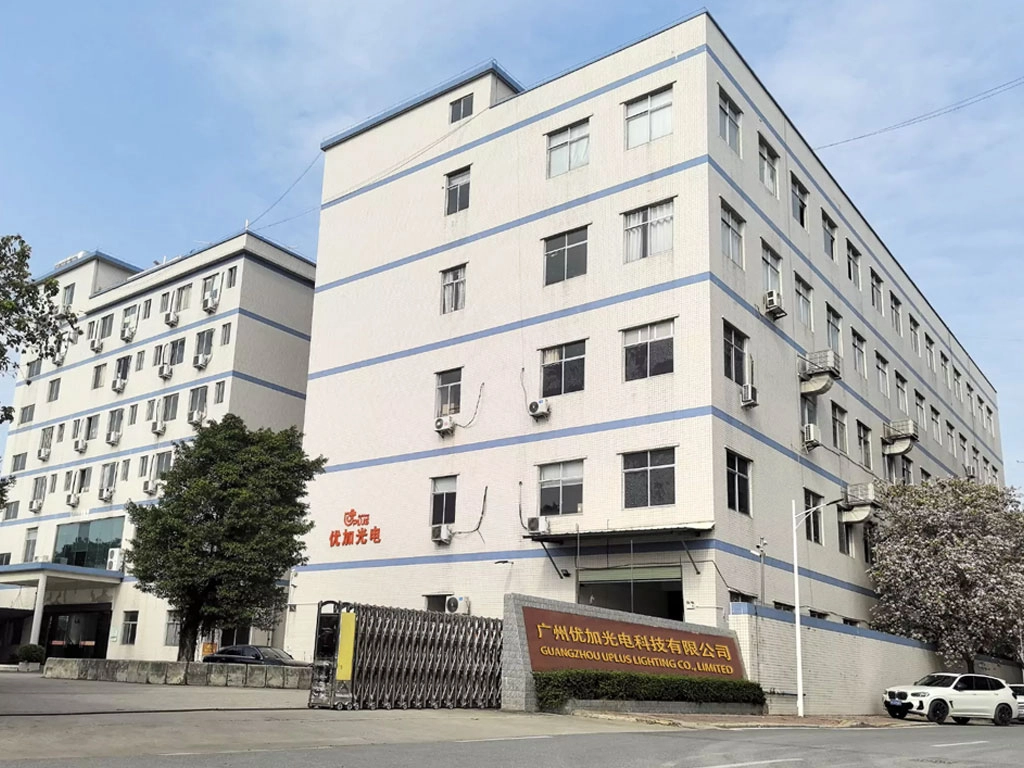
Uplus Lighting was established in 2012 in Guangzhou, China, and is a professional manufacturer specializing in high-end stage lighting products. I have collaborated with manufacturers like Uplus on product development and specification because of their experience in high-volume production and focus on performance. Uplus provides innovative and reliable lighting solutions for theaters, studios, cultural projects, concerts, and live events worldwide. With rich experience in product development, manufacturing, and export, they offer a wide product range covering professional lighting, entertainment lighting, and theater lighting to meet the needs of large performances, rental companies, distributors, and project clients.
Since 2015, Uplus products have been applied in major concerts, opera houses, TV programs, and large-scale events in China and abroad. They support OEM orders and customized product development. A skilled production team and strict quality control ensure stable performance, consistent quality, and professional service trusted by global partners. Their core product lines relevant to the case studies in this article include moving head lights, strobe lights, led battery lights, static lights, led theatre lights, led follow spot light, stage effect lights, and laser lights.
What sets Uplus apart in my experience is the balance of competitive pricing, service support for OEM/customization, and practical touring-friendly design choices—robust connectors, modular electronics, and clear documentation. When I evaluate potential partners for club or theater projects I prioritize manufacturers that publish comprehensive photometrics, offer field-serviceable modules, and maintain consistent QC records; Uplus meets these expectations.
Practical checklist: Deploying mini LED moving head lights successfully
Pre-purchase checklist
- Obtain IES files and confirm required lux at performance plane.
- Confirm CRI/TLCI, flicker specs, and dimming protocol compatibility with broadcast rigs.
- Verify weight, power draw, and truss point loading.
Installation checklist
- Plan DMX/Art-Net addressing and network redundancy.
- Confirm airflow around fixtures and access for service.
- Test fixtures with show media and record baseline firmware versions.
Maintenance checklist
- Keep spare modules for moving parts and LED arrays.
- Schedule optical cleaning and firmware updates quarterly (or per use hours).
- Maintain a log for hours-on and any repairs to predict replacement cycles.
FAQ
1. Are mini LED moving head lights bright enough for large venues?
Yes—modern mini LED moving head light fixtures can achieve lumen outputs suitable for large spaces, especially when designed with efficient optics and high-power LED arrays. For very large outdoor festivals, you may still combine them with larger discharge fixtures for long-throw key lighting. Photometric data from manufacturers and on-site lux measurements should guide final choices.
2. Do mini LED heads flicker on camera?
Not intrinsically. Flicker depends on driver design and PWM frequency. I always require flicker test results or field-test fixtures on camera before final purchase. Proper configuration and firmware updates are crucial; many manufacturers publish flicker specifications and camera-mode settings.
3. How do maintenance costs compare to traditional moving heads?
Mini LED fixtures tend to have lower ongoing maintenance costs because they eliminate lamp replacement and reduce ballast failures. However, they may require occasional electronics servicing. Overall lifecycle costs are often lower for LED-based fixtures—this is consistent with DOE findings on LED lifetime advantages (DOE Solid-State Lighting).
4. Can a single mini LED moving head replace multiple conventional fixtures?
Functionally, a pixel-mapped mini LED moving head can cover multiple roles (wash, beam, effects) in specific contexts, reducing fixture counts. However, for critical key-lighting or long-throw requirements you may still need conventional profiles or higher-power sources. I recommend evaluating on a per-scene basis with photometric simulations.
5. What should rental houses look for when buying mini LED movers?
Durability, serviceability, weight, modular spare parts, and clear firmware/update procedures. Look for manufacturers with established QC and export experience who provide replacement modules and technical documentation—criteria that I prioritize and that companies like Uplus Lighting have built into their product support.
6. Are mini LED moving heads suitable for outdoor use?
Some are. Choose fixtures with appropriate IP ratings for the environment, sealed connectors, and corrosion-resistant hardware. Even then, plan enclosures or protective covers for prolonged outdoor exposure.
Contact & Next Steps
If you’re planning a retrofit or new rig and want an expert evaluation, I offer specification reviews, photometric simulations, and on-site commissioning. For reliable product options and OEM/customized solutions, consider Uplus Lighting—established in Guangzhou in 2012 with a wide range of professional products including moving head lights, strobe lights, led battery lights, static lights, led theatre lights, led follow spot light, stage effect lights, and laser lights. For project inquiries, technical datasheets, or to arrange fixture trials, please contact us or view products through the manufacturer/distributor channels. I’m available to consult on system design, rigging calculations, and maintenance planning to ensure your mini led moving head light deployment delivers creative and operational value.
Further reading and references: Mini-LED (Wikipedia), Moving head (Wikipedia), Stage lighting (Wikipedia), Illuminating Engineering Society (IES), DOE Solid-State Lighting.
Energy Efficiency of Mini LED Spot Moving Head Lights Explained
Energy Efficient Beam Spot Moving Head Options for Venues
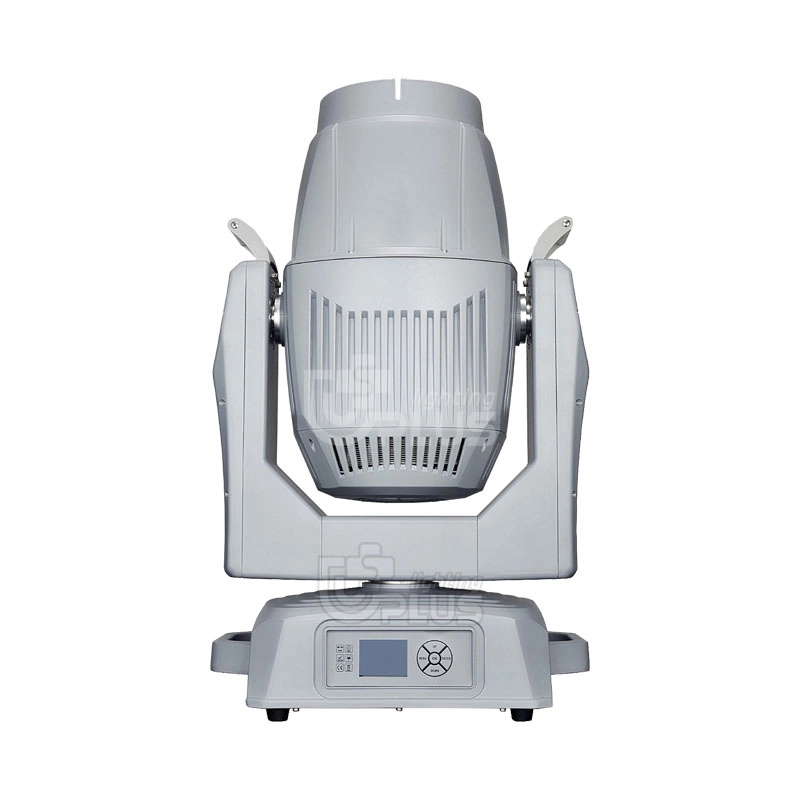
IP66 480W Waterproof Beam Moving Head — Outdoor Stage Lighting Solution

The Ultimate Guide to Stage Profile Lights: Mastery for 2026 and Beyond

1000W Waterproof BSWF 4-in-1 Moving Head combines beam, spot, wash, and frame effects in one. IP-rated waterproof design, high-brightness output, precise control, ideal for outdoor & indoor stage events.
If you have any comments or good suggestions, please leave us a message, later our professional staff will contact you as soon as possible.
Lighting Innovators
Uplus Lighting is a leading integrated company specializing in R&D, design, production, and sales of stage lighting solutions.
 Scan QR Code
Facebook
Instagram
YouTube
VK