






How to Choose the 7r beam moving head manufacturer and supplier ?
- Stage lighting manufacturing landscape and common sourcing pitfalls
- Market segmentation and supplier types
- Typical quality and compliance failures
- Technical vetting and factory audit steps
- Optical engine, lamp/LED module and photometric validation
- Mechanical build, thermal management and IP testing
- Electronics, firmware and DMX/RDM compatibility
- Production capability, lead times and commercial terms
- Capacity planning, MOQ and ramp testing
- Quality control sampling, burn-in and lifespan testing
- Logistics, warranty, service and certification
- Certifications, safety and regulatory documentation
- Spare parts, service network and reverse logistics
- Contractual warranties and performance SLAs
- Frequently Asked Questions
Critical checklist: When sourcing a 7r beam moving head from overseas manufacturers you must verify optical engine specs, lamp or LED module provenance, cooling and run-time data, manufacturing quality systems (ISO 9001), CE/UKCA or relevant local certification, production capacity, sample testing protocols, long-term spare-parts supply and warranty performance; prioritize suppliers with audited factories, solid R&D records, and detailed BOM traceability to reduce project risk when integrating a 7r beam moving head into rental fleets, theatre rigs or touring systems.
Stage lighting manufacturing landscape and common sourcing pitfalls
Market segmentation and supplier types
There are broadly three supplier types relevant to buyers of a 7r beam moving head: boutique OEMs focusing on niche, high-performance optical engines; mid-size factories offering balanced cost and features; and large-volume contract manufacturers prioritizing price and scale. Understanding which segment your project aligns with helps set expectations on R&D depth, custom firmware support, and lifecycle spare parts for the 7r beam moving head.
Typical quality and compliance failures
Common failures seen during acceptance testing include inconsistent beam centering, unstable color temperature, inadequate thermal dissipation, and substandard DMX timing — all of which can invalidate a 7r beam moving head for rental or touring use. Buyers must insist on documented test results rather than vendor claims to avoid costly field failures.
Technical vetting and factory audit steps
Optical engine, lamp/LED module and photometric validation
Request complete optical specifications: lens coatings, focal length tolerances, beam divergence, and the exact lamp or LED module part numbers. A genuine 7r beam moving head audit includes measured lux at distance, beam angle verification, and color rendering index (CRI) reports — not just manufacturer nominal lumen figures. Photometric data should be traceable to accredited labs when possible.
Mechanical build, thermal management and IP testing
Examine mechanical tolerances for moving parts, bearing life, and the integrity of the moving head yokes. Effective heat-sinking and active cooling are crucial for a 7r beam moving head to maintain consistent output during long runs; check thermal imaging logs and extended burn-in reports to confirm design stability.
Electronics, firmware and DMX/RDM compatibility
Evaluate PCB sourcing, component traceability, and firmware version control; a robust 7r beam moving head vendor will provide change logs, secure boot or update procedures, and DMX/RDM interoperability matrices with major console manufacturers to reduce integration risk in professional venues.
Production capability, lead times and commercial terms
Capacity planning, MOQ and ramp testing
Verify the factory’s monthly production capability and the ability to perform production ramp testing. For a 7r beam moving head purchase, align MOQ and phased deliveries with your project calendar to avoid capital tie-up or stockouts, and request documented production run reports from recent batches.
Quality control sampling, burn-in and lifespan testing
Insist on sampling plans based on AQL plus additional burn-in (minimum 48–168 hours depending on lamp lifecycle) for any shipment of 7r beam moving head units. Review failure mode distributions from the supplier’s statistical process control (SPC) charts to ensure the production line meets your acceptable defect rates.
Logistics, warranty, service and certification
Certifications, safety and regulatory documentation
Certifications required for international distribution commonly include factory ISO 9001 certification, CE/UKCA marking for the European market, and any regional EMC or safety approvals — verify originals. Refer to the ISO 9001 Quality Management standard for quality-system expectations and the European Commission CE marking guidance for compliance in Europe. For technical background on moving head fixtures consult the Moving head (stage lighting) technical overview on Wikipedia.
Spare parts, service network and reverse logistics
Confirm SKU-level spare parts availability, typical lead times for critical components (lamps, gobos, motors, driver boards), and whether the supplier offers regional stocking or a return-for-repair program. A reliable 7r beam moving head supplier will publish part lifecycles and minimum spares recommendations for rental fleets.
Contractual warranties and performance SLAs
Negotiate clear warranty terms tied to measurable acceptance tests: photometric performance, mechanical integrity, and electronic stability. Include service-level agreements (SLAs) for turnaround times on warranty repairs and clearly defined failure thresholds for the 7r beam moving head to avoid protracted disputes after delivery.
| Criteria | Standard / Requirement | Importance |
|---|---|---|
| Quality Management | ISO 9001 certification, documented procedures | High |
| Electrical Safety | CE/UKCA, EMC testing records | High |
| Photometrics | Measured lux & beam angle reports | High |
| Production Capacity | Monthly throughput, MOQ | Medium |
| After-sales | Spare parts list, SLA for repairs | High |
| Testing | Burn-in, thermal imaging, life test data | High |
When comparing suppliers, apply a weighted scoring model against the table above and validate supplier responses with onsite audits or third-party inspection reports; independent inspection reduces information asymmetry and confirms that the documented capability for the moving head product family is real.
Outbound links and industry references help validate claims: for entertainment industry best practices consult the ESTA Technical Standards Program and for product safety norms review IEC/EN standards referenced in supplier documentation.
Procurement teams should treat the 7r beam moving head as a system purchase: optical, mechanical, electrical, firmware, and logistics must be audited together rather than in isolation, and final acceptance tests should be executed on production samples to confirm conformity before full release to market.
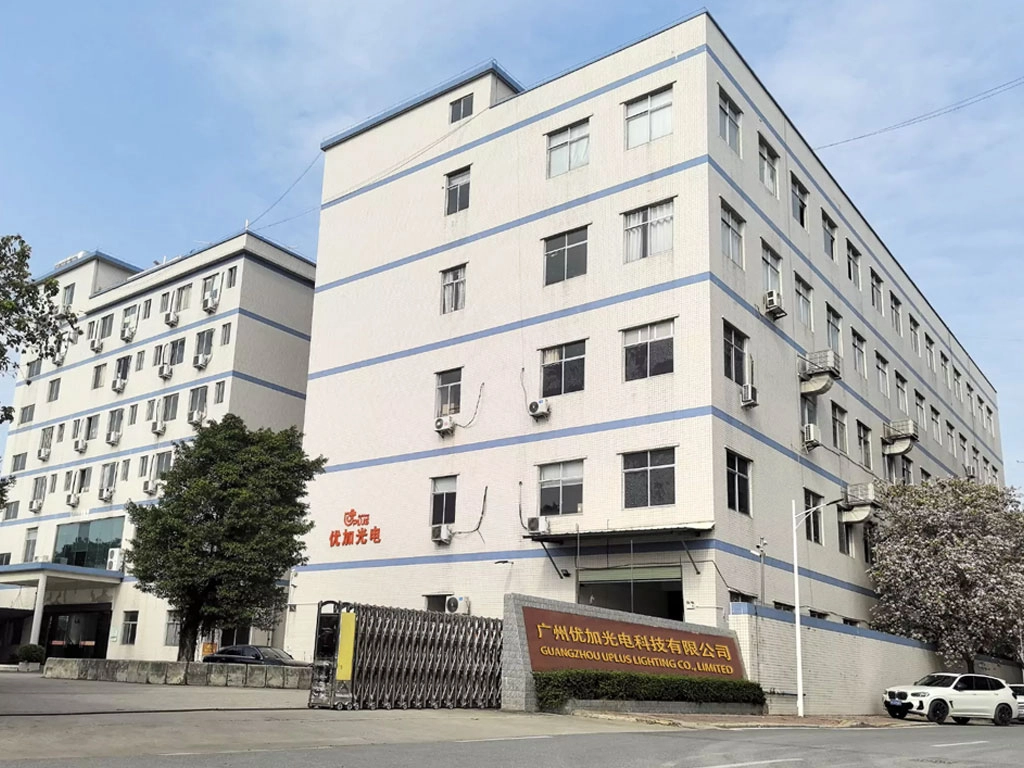
Uplus Lighting was established in 2012 in Guangzhou, China, and is a professional manufacturer specializing in high-end stage lighting products; we provide innovative and reliable lighting solutions for theaters, studios, cultural projects, concerts, and live events worldwide, support OEM orders and customized product development, and with a skilled production team and strict quality control ensuring stable performance and consistent quality trusted by global partners — contact us to discuss sourcing your 7r beam moving head.
Frequently Asked Questions
How do I verify a supplier's certifications for a 7r beam moving head?
Verify original certificates (ISO 9001, CE/UKCA or region-specific approvals), request test reports referenced to standards, and where possible confirm via the issuing body or accredited labs; request documentary traceability for safety and EMC testing.
What acceptance tests should I require before approving a production batch of 7r beam moving head units?
Require photometric verification (lux at distance, beam angle), extended burn-in results, thermal imaging, mechanical repeatability tests, firmware version logs, and an agreed AQL sampling plan with documented pass/fail criteria.
How important is spare parts availability and long-term support?
Critical: confirm SKU-level spare stocks, typical lead times for lamps, gobos, motors and driver boards, and whether the supplier provides regional stocking or an RMA turnaround SLA to avoid extended downtime for rental and touring customers.
Should I perform an on-site factory audit for a 7r beam moving head vendor?
Yes. An on-site audit verifies production capacity, quality control procedures, BOM traceability, test equipment calibration, and training for assembly technicians — all of which reduce asymmetric information and supplier risk.
What contractual items protect me after delivery?
Include measurable acceptance tests, clear warranty definitions tied to those tests, SLA commitments for repairs, spare part obligations, and remedies for recurring failure modes to protect operational uptime and long-term total cost of ownership.
Can suppliers provide OEM customization for 7r beam moving head designs?
Many professional suppliers support OEM orders and custom development; confirm the supplier’s R&D capacity, NDA policies, prototype iteration capability, and documentation for firmware and hardware version control before beginning development.
How to Choose the Right Power and Beam for Strobe Lights

10 Best LED Profile Stage Lights of 2026: Expert Comparison & ROI Guide
Compare LED vs Traditional Laser Stage Lighting: ROI & Power
Profile Stage Lights Maintenance: Extend Lifespan & Reduce Costs

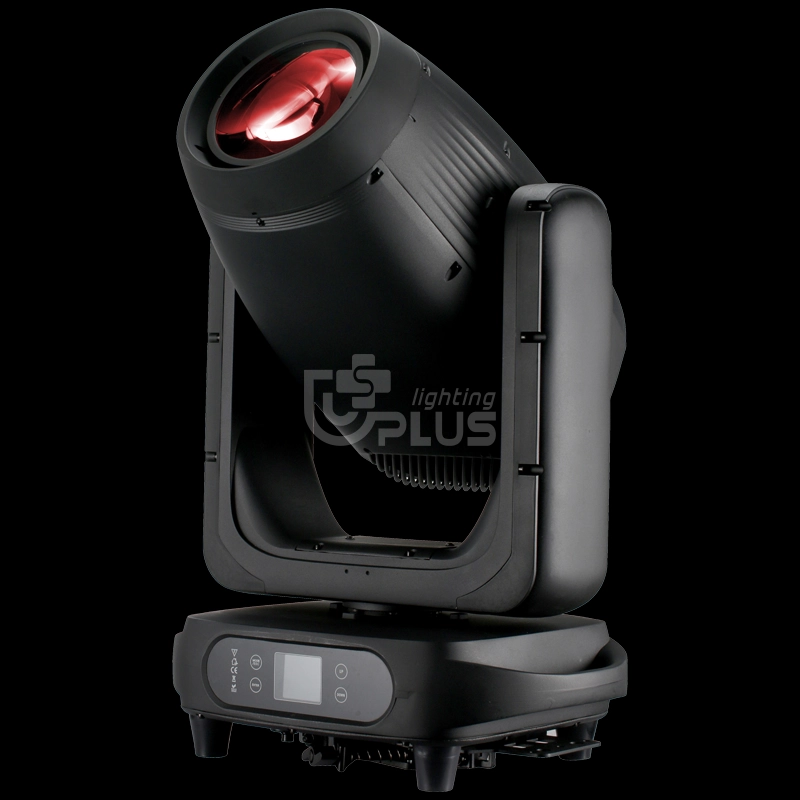
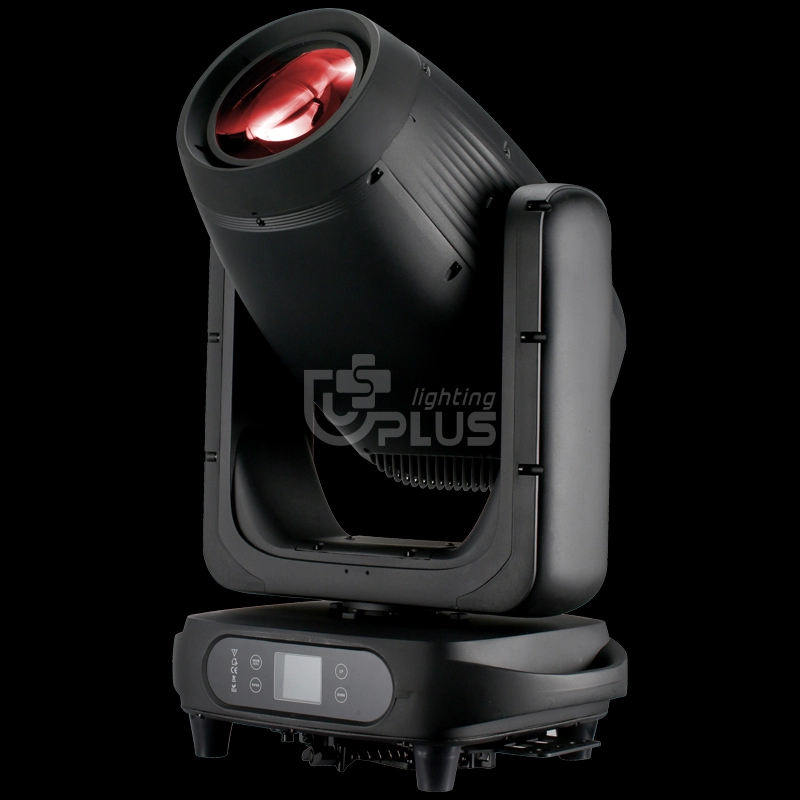
1000W Waterproof BSWF 4-in-1 Moving Head combines beam, spot, wash, and frame effects in one. IP-rated waterproof design, high-brightness output, precise control, ideal for outdoor & indoor stage events.
If you have any comments or good suggestions, please leave us a message, later our professional staff will contact you as soon as possible.
Lighting Innovators
Uplus Lighting is a leading integrated company specializing in R&D, design, production, and sales of stage lighting solutions.
 Scan QR Code
Facebook
Instagram
YouTube
VK