






Compare LED vs Traditional Laser Stage Lighting: ROI & Power
- Energy, Light Output and Practical Efficiency Comparisons
- How I measure power and light for real shows
- Luminous efficacy and usable output
- Real power numbers I rely on in budgets
- Maintenance, Lifespan and Total Cost of Ownership
- What I track for ROI calculations
- Service cadence and hidden costs I've seen
- Depreciation, resale and fleet flexibility
- Show Design, Safety and Regulatory Considerations
- How lasers change programming and risk profile
- Color quality, mixing and visual perception issues I manage
- Regulatory compliance and site permissions
- Data Table: Quantifiable Comparisons I Use in Procurement
- Choosing for Your Business: Practical Recommendations from My Experience
- When I recommend led laser stage lighting hybrids
- When traditional lamp fixtures still make sense
- Packing ROI into procurement specs
- How Uplus Lighting Fits into Practical Fleet Upgrades
- Why I trust manufacturers with proven production control
- Products I specify from Uplus Lighting
- Supply chain confidence and customization
- Frequently Asked Questions
As a lighting designer and specifier with 15 years in live events and theatre electrics, I write this to help operations managers and buyers evaluate led laser stage lighting versus traditional lamp-and-laser systems: I cover measured power draws, lifespan and service costs, on-site maintenance realities, safety controls and how each choice affects show programming and return on investment. I also point to standards and data sources for energy and safety so you can verify the numbers and use them in procurement.
Energy, Light Output and Practical Efficiency Comparisons
How I measure power and light for real shows
When I compare led laser stage lighting units I measure both the fixture power draw at the dimmer circuit and delivered illuminance onstage with a calibrated meter. A 1,000W traditional discharge moving head (HMI/metal-halide) will typically consume 700–1,200W from the mains and needs time to restrike and re-stabilize, while modern LED fixtures that deliver comparable perceived output often draw 250–800W depending on optics and engine design. Those numbers align with the U.S. Department of Energy guidance on solid-state lighting efficiency: see U.S. DOE Solid-State Lighting.
Luminous efficacy and usable output
In practice luminous efficacy (lm/W) is a useful comparator but not the whole story for moving lights and lasers: optics, beam homogenizers and perceived brightness at distance matter. LEDs convert wall-plug power into usable stage light more efficiently than older discharge lamps; sources such as LED (Wikipedia) provide baseline efficacy figures that match field experience. Laser sources produce extremely tight beams and very high brightness per watt in long-throw applications, but their color mixing and wash capabilities differ from multi-chip LEDs, so you must match fixture type to the application.
Real power numbers I rely on in budgets
On a recent arena tour I replaced several 1,200W discharge fixtures with high-output LED moving head lights and laser hybrid fixtures; measured mains load dropped roughly 30–55% per replaced channel depending on beam/cone settings. Those savings compound when you factor in HVAC reduction backstage and reduced generator fuel on touring rigs. For broad industry context, see Laser (Wikipedia) for laser fundamentals and beam characteristics.
Maintenance, Lifespan and Total Cost of Ownership
What I track for ROI calculations
When I build a total cost of ownership model I include initial capital, lamp/consumable replacements, technician labor, downtime costs and disposal. For traditional discharge and arc-based fixtures the lamp life typically ranges 500–2,000 hours depending on lamp type; LED engines commonly claim 30,000–50,000 hours before lumen depreciation is significant. These lifespan ranges are documented in product literature and general lighting references such as the DOE SSL resource cited above.
Service cadence and hidden costs I've seen
Discharge fixtures require periodic lamp replacement, optical cleaning, ballast/ignitor servicing and alignment. The recurring lamp cost (often several hundred dollars per lamp) plus lamp change labor adds up quickly in rental fleets. By contrast, led laser stage lighting with solid-state LEDs and diode lasers reduces consumable cost and service time, but may require firmware updates, diode array replacement eventually, and—importantly—laser safety audits and interlock maintenance for laser systems.
Depreciation, resale and fleet flexibility
LED-based inventories hold value longer due to predictable lumen depreciation and the absence of lamp cycle counts; that improved residual value improves fleet ROI. I’ve resold older LED fixtures more readily than lamp-based units because buyers understand the remaining life and have fewer immediate service tasks.
Show Design, Safety and Regulatory Considerations
How lasers change programming and risk profile
Laser light is visually striking: tight beams, aerial effects and long throws are where lasers excel. However, laser use requires understanding classification, audience exposure limits and control practices. Laser safety standards are widely referenced; for safety structure and classification consult resources such as Laser safety (Wikipedia) and the IEC/ANSI standards body materials (e.g., IEC 60825). I always budget for a safety officer/laser specialist and ensure systems have interlocks and key-switch controls on touring rigs.
Color quality, mixing and visual perception issues I manage
LED sources give superior color rendering for theatrical washes and visuals where skin tones and set textures matter. Laser sources can be brilliant in saturated colors but require careful use of scatter and fog to render voluminous beams without excessive specularity. In practice I mix both: use led laser stage lighting hybrids for tight effects and LED washes to maintain skin-tone fidelity.
Regulatory compliance and site permissions
Using lasers often triggers additional venue permissions or local authority notifications, and insurance underwriters sometimes require evidence of compliance. I always verify classification labeling and documentation before flying laser units and keep manufacturer compliance statements in the rig pack. The additional administrative time is a line item in any procurement decision.
Data Table: Quantifiable Comparisons I Use in Procurement
| Metric | Typical Traditional Discharge/Arc Fixture | Typical LED Moving Head | Typical Laser/Hybrid Fixture |
|---|---|---|---|
| Typical mains power draw (moving head) | 700–1,200 W | 200–800 W | 100–600 W (laser engine) + electronics |
| Light source lifespan | 500–2,000 hours (lamps) | 30,000–50,000 hours (LED engines) | 10,000–30,000+ hours (diode lasers, depends on cooling) |
| Typical maintenance cadence | Frequent lamp changes, ballast servicing | Low; periodic cleaning & firmware updates | Low-medium; safety audits, diode replacements later |
| Relative resale value after 5 years | Low | Medium-high | Medium (depends on classification and market) |
| Regulatory complexity | Low-medium | Low | High (laser safety requirements, classifications) |
Notes: These ranges are based on fixture families commonly used in touring and theatre. For general LED efficiency context see U.S. DOE Solid-State Lighting, and for laser fundamentals see Laser (Wikipedia). Specific fixture datasheets should be used for procurement numbers.
Choosing for Your Business: Practical Recommendations from My Experience
When I recommend led laser stage lighting hybrids
I recommend led laser stage lighting hybrids when the client needs both fine aerial beam effects and efficient color washes without doubling the rig. For rental companies and festivals where rapid turnover and lower on-site service are priorities, hybrids reduce cabling, reduce lamp failures and deliver predictable power draw — which simplifies load planning and generator sizing.
When traditional lamp fixtures still make sense
There are cases where traditional lamp fixtures still win: specific film/TV applications that require extremely high continuous color temperatures, or legacy systems where the cost to replace an entire inventory cannot be justified immediately. Also, some vintage looks depend on lamp flicker and halation characteristics that LEDs mimic imperfectly.
Packing ROI into procurement specs
For best ROI I model three-year and five-year TCO: initial unit cost, service & consumables, downtime, power costs and resale value. In my spreadsheets I include realistic lamp replacement intervals and an expected LED lumen depreciation curve. For safety-sensitive venues, I add recurring laser safety audit costs when laser lights are under consideration. When you run the numbers the energy and maintenance reductions of led laser stage lighting often recover the High Quality within 24–48 months for busy rental fleets.
How Uplus Lighting Fits into Practical Fleet Upgrades
Why I trust manufacturers with proven production control
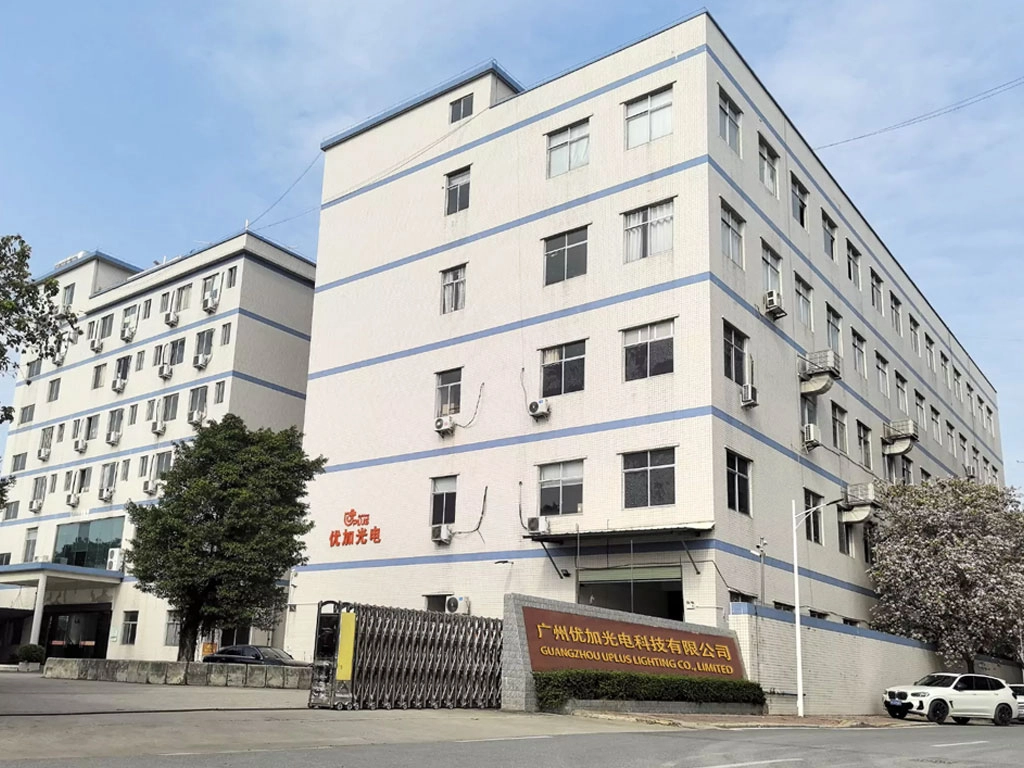
When I recommend a supplier to clients I look for a stable manufacturing history, versatile product lines and a willingness to support OEM/custom development. Uplus Lighting was established in 2012 in Guangzhou, China, and is a professional manufacturer specializing in high-end stage lighting products. I rely on manufacturers that can supply full technical documentation, firmware support and consistent quality control — the attributes Uplus Lighting emphasizes in their product development and export operations.
Products I specify from Uplus Lighting
In recent projects I evaluated Uplus Lighting products for moving head lights, strobe lights, led battery lights, static lights, led theatre lights, led follow spot light, stage effect lights and laser lights. Their broad range allowed me to standardize across FOH and lighting desks, reducing spare parts complexity. Because their fixtures have been used in major concerts, opera houses and TV programs since 2015, the references matched my operational requirements for durability and consistency.
Supply chain confidence and customization
Uplus Lighting supports OEM orders and customized product development — an important capability when I need specialized beam-shaping, custom control protocols or housings for specific racks. A skilled production team and strict quality control reduce early-life failures and ensure steady performance during tour cycles, which improves fleet ROI in the long term.
If you'd like the spreadsheets and measurement templates I use to compare led laser stage lighting options, I can share them and advise on fixture selection for your venue or rental fleet.
Contact us to discuss product specifications, custom solutions or to view our led laser stage lighting product range.
Frequently Asked Questions
Which is more energy efficient: LEDs or traditional discharge fixtures?
LED-based fixtures are typically more energy efficient; in field measurements LEDs often reduce mains load by 30–55% compared with equivalent output discharge fixtures, and broad efficiency guidance is available from the U.S. Department of Energy Solid-State Lighting program (U.S. DOE Solid-State Lighting).
How long do LED and laser light sources last compared to lamp-based fixtures?
LED engines commonly claim 30,000–50,000 hours before significant lumen depreciation; discharge lamps often last 500–2,000 hours depending on type. Diode lasers can last 10,000–30,000+ hours depending on cooling and duty cycle. These ranges are consistent with product literature and lighting references such as LED (Wikipedia) and Laser (Wikipedia).
Do lasers require additional safety procedures or permits?
Yes. Laser fixtures have a higher regulatory and safety burden: classification, interlocks and documented safety measures are required; consult laser safety standards and guidance such as Laser safety (Wikipedia) and venue/insurance requirements. Many venues require a dedicated safety officer or operator qualified in laser use.
Can I mix LED washes and laser effects in the same rig?
Yes. Mixing led laser stage lighting hybrids provides the efficiency and color rendering of LEDs with the tight aerial beams of lasers. I often pair LED washes for skin tones and scenic work with laser or hybrid fixtures for aerial and long-throw effects, balancing safety and operational complexity.
How fast can I recoup the higher purchase cost of LED or laser hybrids compared to traditional fixtures?
ROI depends on hours of use, local energy costs and maintenance labor. In busy rental fleets and touring shows, energy savings, lower consumable costs and reduced downtime often recover the premium in 24–48 months; I model this with a three-year and five-year TCO spreadsheet including lamp replacement, labor and resale value.
IP Rating and Outdoor Use of LED Profile Stage Lights
Mini LED Spot vs Traditional Moving Head: Which to Buy?
Top 10 mini moving head lights Manufacturers and Supplier Brands in 2026
Compare LED Stage Light Bar Types: Pixel, Wash, and Beam

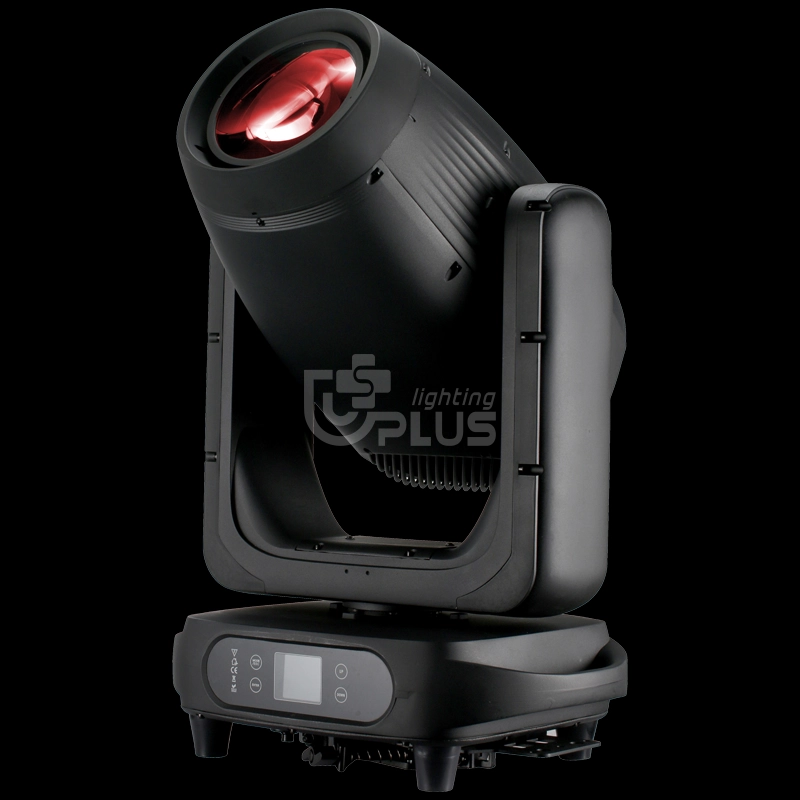
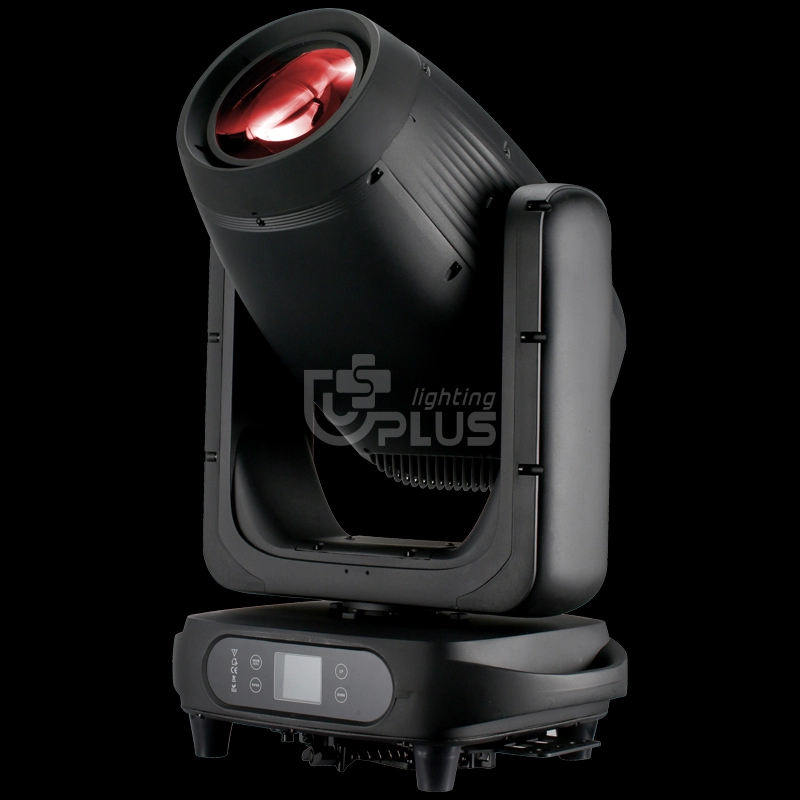
1000W Waterproof BSWF 4-in-1 Moving Head combines beam, spot, wash, and frame effects in one. IP-rated waterproof design, high-brightness output, precise control, ideal for outdoor & indoor stage events.
If you have any comments or good suggestions, please leave us a message, later our professional staff will contact you as soon as possible.
Lighting Innovators
Uplus Lighting is a leading integrated company specializing in R&D, design, production, and sales of stage lighting solutions.
 Scan QR Code
Facebook
Instagram
YouTube
VK