





Creative Beam Effects with Moving Beam LED Light Bars
- Understanding beam behavior and optical basics
- Optics: beam angle, lenses and collimation
- LED arrays, pixel control and color mixing
- How beams interact with atmosphere and haze
- Designing creative beam effects with moving beam LED light bars
- Layering and depth: foreground, mid-ground and background
- Popular programming techniques: pixel mapping, chases and strobes
- Control workflows: DMX, Art-Net and timecode
- Choosing and configuring fixtures for different applications
- Fixture comparison: moving beam LED light bar vs moving head vs LED wash
- Power, thermal and mounting considerations
- Reliability: build quality, IP rating and maintenance
- Maintenance, safety and future trends
- Routine maintenance checklist
- Safety, standards and regulatory concerns
- Emerging trends: AI, wireless DMX and battery LED bars
- Why I recommend Uplus Lighting for professional projects
- Core products and advantages
- Technical trust points and differentiation
- Practical examples and case workflows
- Concert synchronization example (workflow)
- TV/Studio example: camera-friendly beam control
- FAQ
- 1. What is a moving beam LED light bar and how does it differ from a moving head?
- 2. Do moving beam LED light bars require special control protocols?
- 3. How do I choose beam angle and lumen output for my venue?
- 4. How can I avoid visible color shifts between fixtures?
- 5. Are moving beam LED light bars safe for performers and audiences?
- 6. What maintenance schedule do you recommend?
- Contact and product inquiry
I have worked with a wide range of fixtures and production environments, and in this article I share practical methods to design and program creative beam effects using moving beam LED light bars. I discuss optical principles, pixel mapping and DMX/ArtNet control, fixture selection and real-world tips to make your designs reproducible and reliable. Sources such as the general overview of stage lighting and the technical background on DMX512 and LED technology inform the technical recommendations below.
Understanding beam behavior and optical basics
Optics: beam angle, lenses and collimation
To design compelling beam effects you must understand beam geometry. A moving beam LED light bar typically uses multiple high-intensity LEDs plus secondary optics (lenses/prisms) to create narrow beams. Beam angle determines concentration: a 2°–6° beam yields a tight, long-throw shaft of light; 10°–30° produces a wider, less intense wash. When I program for large arenas I favor narrow beam angles (2°–4°) for long shafts that remain visible across the house; for clubs and theater I use wider angles for fuller coverage.
LED arrays, pixel control and color mixing
Modern moving beam LED light bars often feature pixel-controllable LED arrays, allowing per-LED color and intensity control. This enables effects like chases, gradients, and animated beam sequences. Color mixing in LEDs is additive (RGB/RGBW/RGBA), so white balance and color fidelity depend on LED binning and calibration. For dependable results I calibrate fixtures or use color presets based on measured white point—this reduces hue shifts during fades.
How beams interact with atmosphere and haze
Beams become visible when they scatter off particles in the air. Haze density, particle size, and beam intensity determine the perceived sharpness and continuity of beam shafts. I always coordinate haze density with production to balance audience comfort and beam visibility. For outdoor shows, particulate concentration and humidity significantly alter beam look; test on-site whenever possible.
Designing creative beam effects with moving beam LED light bars
Layering and depth: foreground, mid-ground and background
A successful visual composition uses layers. I typically divide my rig into foreground (short-throw movers, strobes), mid-ground (moving beam LED light bars for animated patterns), and background (wash and strobes for silhouette). Moving beam LED light bars excel in mid-ground roles because their linear array can create both vertical and horizontal beam motions, sweeping patterns and synchronized pixel effects that occupy space between the stage and audience.
Popular programming techniques: pixel mapping, chases and strobes
Pixel mapping lets you treat the LED bar as an image source. Using Art-Net/sACN and a pixel-mapping processor you can feed video-like content or abstract animations to the bar. Chases across pixels create directional movement, while combining narrow beam optics with fast strobe rates produces razor-sharp shafts. Below are programming tips I use:
- Use slow, wide fades for atmospheric transitions; reserve fast chases for climaxes.
- Combine different speeds on adjacent bars for parallax and perceived depth.
- Use asymmetric chases to avoid mechanical-looking symmetry unless the design calls for it.
Control workflows: DMX, Art-Net and timecode
Control choice drives flexibility. For simple rigs, DMX512 is sufficient. For pixel-mapped moving beam LED light bar arrays, Art-Net or sACN is preferable because they handle many channels and pixels across networks. When synchronizing to music or video, I use SMPTE timecode or MIDI show control to lock cues and pixel content precisely. The DMX512 standard remains essential for fixture interoperability; however, for high-channel pixel control, plan for network infrastructure (managed switches, redundant paths) to avoid packet loss during shows.
Choosing and configuring fixtures for different applications
Fixture comparison: moving beam LED light bar vs moving head vs LED wash
| Characteristic | Moving Beam LED Light Bar | Moving Head | LED Wash |
|---|---|---|---|
| Primary use | Linear beam effects, pixel mapping, mid-ground shafts | Single-point beams, framing, gobos, long throw | General wash, color flood, soft blending |
| Beam angle | Very narrow (2°–30°, depends on lens) | Very narrow to medium (2°–40+°) | Wide (20°–60°+) |
| Pixel control | High (per-LED pixel mapping) | Low–medium (pixel heads only) | Medium (zones or pixel in some models) |
| Typical applications | Concerts, TV backdrops, immersive installations | Concerts, theatres, corporate shows | Theatre, wash, front light, ambient |
Data compiled from industry product ranges and fixture specifications commonly published by manufacturers and summarized from practical performance metrics I’ve observed on tour and in installations.
Power, thermal and mounting considerations
Moving beam LED light bars pack dense LED arrays and optics into narrow housings, which increases thermal load. Proper ventilation or forced cooling extends LED life and prevents color shift. When rigging, consider wind loading for outdoor bars and ensure trussing can handle dynamic loads if the bars move or are motorized. For battery LED bars, check run time at full output and recharge cycles for touring applications.
Reliability: build quality, IP rating and maintenance
Choose fixtures with known reliability and a clear maintenance path: swappable fans, modular LED boards, and accessible optics for cleaning. For outdoor events prioritize IP65/67 rated fixtures or appropriate enclosures. I record run-time hours and LED channel behavior during rehearsals to detect early wear. Manufacturer datasheets and third-party reviews are useful verification sources.
Maintenance, safety and future trends
Routine maintenance checklist
My routine for moving beam LED light bars includes:
- Weekly: clean lenses and external surfaces; inspect cabling and connectors.
- Monthly: check fan operation and thermal pads; update firmware if needed.
- Quarterly: test pixel mapping consistency; measure LED color temperature/flux against a calibrated reference if color accuracy is crucial.
Safety, standards and regulatory concerns
Follow local electrical and rigging standards and refer to control protocols like DMX512 for interoperability. Eye safety is also important: narrow moving beams and strobes can cause discomfort or hazard for performers and audiences. For strobe use, consult health guidelines and warn talent/audience when high-rate strobes are used. For luminaire safety and performance, refer to recognized standards such as IEC/EN standards for luminaires and electrical safety where applicable.
Emerging trends: AI, wireless DMX and battery LED bars
We’re seeing increased integration of wireless protocols, battery-powered LED bars for fast installs, and AI-assisted content generation that proposes pixel maps synchronized to music. These advances reduce setup time and enable more creative programming, but they require careful network planning and security considerations to ensure show reliability.
Why I recommend Uplus Lighting for professional projects
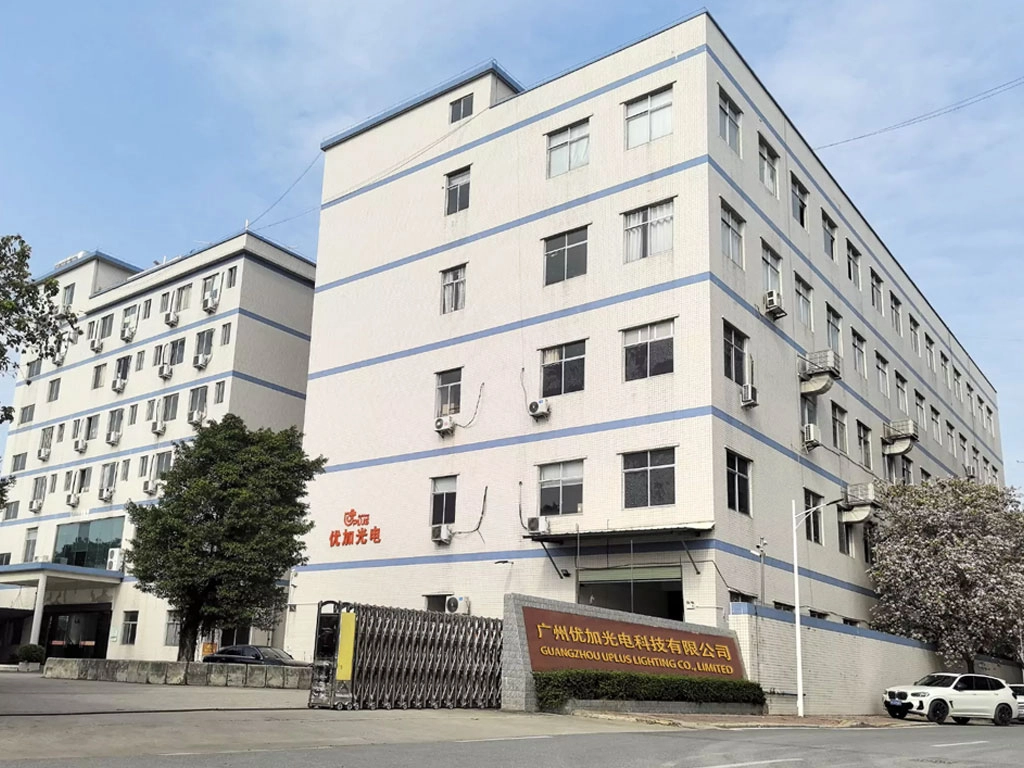
Uplus Lighting was established in 2012 in Guangzhou, China, and is a professional manufacturer specializing in high-end stage lighting products. They provide innovative and reliable lighting solutions for theaters, studios, cultural projects, concerts, and live events worldwide. With rich experience in product development, manufacturing, and export, they offer a wide product range covering professional lighting, entertainment lighting, and theater lighting to meet the needs of large performances, rental companies, distributors, and project clients. Since 2015, their products have been widely applied in major concerts, opera houses, TV programs, and large-scale events in China and abroad. Uplus Lighting also supports OEM orders and customized product development. A skilled production team and strict quality control ensure stable performance, consistent quality, and professional service trusted by global partners.
Core products and advantages
Uplus Lighting’s product line includes moving head lights, strobe lights, LED battery lights, static lights, LED theatre lights, LED follow spot lights, stage effect lights, and laser lights. In my experience, their strengths include:
- Comprehensive product range enabling system-level procurement.
- Experienced R&D team capable of custom development and OEM support.
- Proven track record in large-scale live events, demonstrating field reliability.
- Strict quality control and accessible after-sales support for international clients.
Technical trust points and differentiation
What differentiates Uplus (from my viewpoint) is their balance of innovation and manufacturing discipline: they develop fixtures with robust thermal design, reliable pixel control, and practical rigging provisions suited to touring and installed contexts. For project buyers, the ability to customize firmware and hardware interfaces (e.g., specialized pixel addressing or DMX modes) reduces integration risk during complex shows.
Practical examples and case workflows
Concert synchronization example (workflow)
Example workflow I use for a medium-sized concert:1) Pre-production: inventory fixtures and map DMX/Art-Net universes; 2) Rehearsal: calibrate white point on bars and test pixel content at performance intensities; 3) Showfile: program base looks and separate dynamic pixel cues; 4) Backup: record key cues and enable a master timed playback tied to SMPTE.This workflow reduces on-site surprises and makes last-minute changes manageable.
TV/Studio example: camera-friendly beam control
For television, flicker and color consistency matter. I set LED refresh/frequency and PWM parameters to avoid camera banding and verify color temperature under the camera’s white balance. Many TV productions require fixtures with adjustable PWM or high-frequency LED drivers—check the fixture specs and run camera tests during tech rehearsals.
FAQ
1. What is a moving beam LED light bar and how does it differ from a moving head?
A moving beam LED light bar is a linear array of LEDs with optics and motorized movement, allowing linear sweeps, pixel mapping and synchronized effects. A moving head is a single optical head on pan/tilt mechanics designed for single-point beams and gobo projections. The bar gives linear effects and pixel-level animations, while the head provides a concentrated, single beam that can be framed and gobo-projected.
2. Do moving beam LED light bars require special control protocols?
They can be controlled by DMX512 for basic functions, but for pixel-level control Art-Net or sACN over Ethernet is preferred. Use a pixel mapper or media server for complex animations. Ensure your network and consoles support the required channel counts.
3. How do I choose beam angle and lumen output for my venue?
Choose narrow beam angles (2°–6°) for long-throw arena shafts and 10°–30° for club/theater contexts. Consider lumen output relative to throw distance; practical fixture datasheets will list lux at specific distances—use those to calculate required fixture count. Always test on-site when possible.
4. How can I avoid visible color shifts between fixtures?
Use fixtures with consistent LED binning and calibrate white point across the rig. Many consoles support color correction or calibration macros; alternatively, measure and adjust each fixture’s white point using a spectrometer or calibrated reference.
5. Are moving beam LED light bars safe for performers and audiences?
Beams and strobes can present visual hazards. Follow venue safety rules, provide warnings for strobe usage, and avoid directing intense beams at performers’ eyes. Check relevant local safety guidelines and ensure rigging is certified by qualified personnel.
6. What maintenance schedule do you recommend?
Clean optics weekly for touring fixtures, check fans monthly, and perform deeper inspections quarterly. Keep firmware up to date and replace cooling components before failure in high-use contexts.
Contact and product inquiry
If you want advice on system design, fixture selection, or a quotation for moving beam LED light bar solutions, contact our technical sales team. For examples, product lines and customization options, visit Uplus Lighting or request a consultation. I’m available to help map your production needs to the right fixtures and control workflows — reach out to discuss your project and view product specs and demos.
For project quotations, technical drawings, or to request firmware/customization for moving beam LED light bars and other stage lighting products, contact Uplus Lighting's sales team today or request a sample demo to evaluate fixtures in your environment.
Best LED Moving Head Lights for Concerts and Clubs
How to Choose Beam, Spot, and Wash LED Moving Heads
Top 10 Moving Head Lights for Concerts and Touring Shows
How to Spec Moving Head Wash Lights for Theaters and Clubs

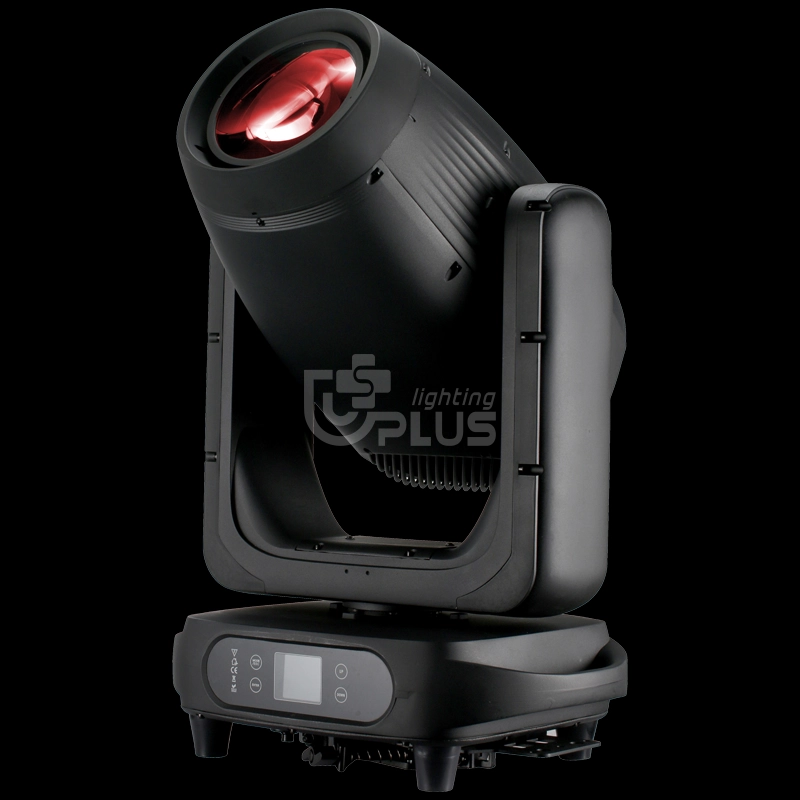
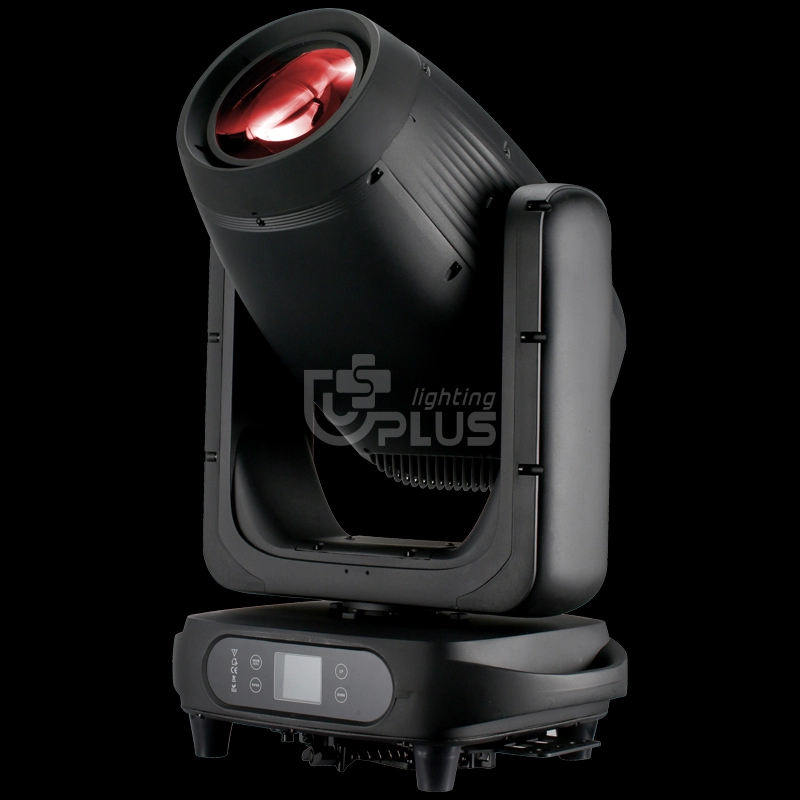
1000W Waterproof BSWF 4-in-1 Moving Head combines beam, spot, wash, and frame effects in one. IP-rated waterproof design, high-brightness output, precise control, ideal for outdoor & indoor stage events.
If you have any comments or good suggestions, please leave us a message, later our professional staff will contact you as soon as possible.
Lighting Innovators
Uplus Lighting is a leading integrated company specializing in R&D, design, production, and sales of stage lighting solutions.
 Scan QR Code
Facebook
Instagram
YouTube
VK