





Top 10 Moving Head Lights for Concerts and Touring Shows
- How I evaluate moving heads for touring and live events
- Essential criteria: output, optics, and reliability
- Operational factors: rigging, weight, and networking
- Serviceability and rental economics
- Top 10 moving head lights: recommendations and use cases
- How to interpret the list
- When to choose a pure spot vs. hybrid vs. wash
- Technical comparison and practical buying guidance
- Spec checklist before purchase or rental
- Comparison table: quick buying matrix
- Data and standards I rely on
- Operational tips from touring experience
- Inventory and maintenance best practices
- Pre-rigging and pre-visualization
- Signal and power protections
- Uplus Lighting — a partner for production and OEM needs
- When to choose Uplus Lighting
- FAQ — Common questions about moving heads for concerts and touring
- 1. What is the difference between a spot, beam, and wash moving head?
- 2. How many moving heads do I need for a mid-size concert?
- 3. Are LED moving heads bright enough to replace discharge lamp units?
- 4. What should I look for in a rental fleet to maximize uptime?
- 5. How do I compare fixture brightness fairly?
- 6. Is IP-rated moving head gear necessary for touring?
- 7. How important is color rendering (CRI) for concert fixtures?
I write from years on the road and in production offices: selecting the right stage moving head light for concerts and touring shows is a balance of output, reliability, serviceability, control features, and rental economics. This article summarizes my field-tested recommendations for the top 10 moving-head fixtures, explains selection criteria, compares strengths and trade-offs, and gives practical buying/rental guidance you can apply immediately.
How I evaluate moving heads for touring and live events
Essential criteria: output, optics, and reliability
When I evaluate a stage moving head light, the first things I check are photometric output (how much usable light on stage and audience), optics (zoom range, beam quality, gobo resolution), and the fixture's physical reliability. For touring, lamp/LED lifetime, cooling design, and service access are non-negotiable. Industry guidance on lighting design and recommended illuminance levels can be referenced from IES (Illuminating Engineering Society) resources (IES) and stage lighting fundamentals (Wikipedia: Stage lighting).
Operational factors: rigging, weight, and networking
Rigging points, weight per unit, power and DMX/Networking topology, and how fixtures behave under inconsistent power or long DMX runs affect tour logistics. Lightweight heads with wide voltage tolerance, standard Neutrik connectors, and robust RDM/Art-Net/sACN support reduce setup time and failure points. In my touring experience, a 10% reduction in average fixture weight translates to meaningful savings in trucking and labor when dealing with large inventories.
Serviceability and rental economics
If you run a rental fleet or spec lights for long tours, modular parts (replaceable LED modules, quick-access fans, replaceable prisms, and gobos) and global support networks matter more than peak brightness. Fixtures that allow quick replacement of common service items reduce downtime and overall TCO (total cost of ownership).
Top 10 moving head lights: recommendations and use cases
Below are ten fixtures I recommend for concerts and touring shows. Each has proven itself in large-scale events, and I include primary use cases so you can match fixtures to show needs.
| Rank | Model | Type | Best for | Why I like it |
|---|---|---|---|---|
| 1 | Martin MAC Viper Profile | High-output profile / spot | Arenas, stadium tours | Exceptional beam quality, fast movement, and strong color mixing — tour-proven performer |
| 2 | Robe MegaPointe | Hybrid beam / spot | High-end concerts, TV specials | Unique hybrid optics, compact package, flexible effects engine |
| 3 | Robe BMFL Spot | Very high-output spot | Large-scale touring, followspots, front-of-house specials | Massive output with crisp beam — reliable for long throw and large venues |
| 4 | Claypaky Sharpy / Sharpy Plus | Beam / effect | Festival rigs, aerial effects | Iconic narrow beam, very fast movement and tight gobos — excellent visual cuts |
| 5 | Claypaky Mythos (hybrid) | Hybrid (spot to beam) | Concerts needing framing + effects | Very versatile: framing shutters, good color and gobo handling — reduces fixture counts |
| 6 | Vari-Lite VL4000 Spot | High-output automatic spot | Major tours, theatrical crossover shows | Time-tested control palette and excellent color/filter systems |
| 7 | GLP X4 (Spot) | LED spot / beam | Mid-size tours, rental fleets | Good balance of brightness, weight, and price — easy to maintain |
| 8 | Chauvet Maverick MK2 Spot | LED spot | Broadcast, TV tapings, corporate shows | Reliable color mixing, quiet operation, and high fidelity gobos |
| 9 | Elation Proteus Maximus | Hybrid LED spot | Festivals and tours seeking LED versatility | High CRI options, strong LED engine, and flexible framing |
| 10 | Robe Spiider (LED wash/beam hybrid) | Wash / beam hybrid | Concerts needing multi-purpose fixtures | Combines punchy beams and wide wash — reduces fixture count on busy rigs |
How to interpret the list
These are not ranked purely by lumen output. I weigh practical touring considerations — mean time between failures (MTBF), parts availability worldwide, power efficiency, and how much each unit reduces rig complexity. For example, a hybrid like the MegaPointe or Mythos can replace multiple fixture types in a rig, reducing truckspace and crew hours.
When to choose a pure spot vs. hybrid vs. wash
If your production relies on tight beams and aerial effects (festival headline shows), prioritize beam/spot heads (Sharpy, MegaPointe). For television and theater where framing and soft edge are important, pick profile/spot fixtures (VL4000, MAC Viper Profile, Mythos). When rig weight and channel count are limited, multi-purpose hybrids (Spiider, Proteus Maximus) give the best ROI.
Technical comparison and practical buying guidance
Spec checklist before purchase or rental
Always request the following from manufacturers / rental houses before committing: photometric files (IES / LDT), weight, max current draw and inrush current, noise level (dBA), fan cooling strategy, replacement part lead times, available gobos and prisms, DMX / Ethernet protocols supported, and IP rating if used outdoors. Using manufacturer photometric files in your previsualization software (WYSIWYG, Capture) makes load planning and pre-rigging more accurate.
Comparison table: quick buying matrix
| Model | Primary Strength | Typical Power Draw | Weight (approx.) | Best Use Case |
|---|---|---|---|---|
| Martin MAC Viper Profile | Long throw, crisp framing | ~1.2–2 kW (depending on lamp/LED spec; confirm with manufacturer) | Heavy; check rigging | Arena front light / specials |
| Robe MegaPointe | Hybrid effects + beam | ~1–1.5 kW | Mid to heavy | High-end concert visuals |
| Robe BMFL Spot | Very high lumen output | ~1.5–2 kW | Heavy | Large venues, followspot replacement |
| Claypaky Sharpy | Extreme narrow beam | ~300–600 W (LED versions vary) | Relatively light | Beams & aerial effects |
| Claypaky Mythos | Framing + effects | ~1 kW | Mid | Versatile concert fixtures |
| Vari-Lite VL4000 Spot | Proven color and gobos | ~1–1.5 kW | Heavy | Broad touring use |
| GLP X4 | Balanced performance & price | ~800–1200 W | Mid | Mid-size tours & rentals |
| Chauvet Maverick MK2 Spot | Reliable TV-friendly output | ~800–1 kW | Mid | Broadcast & corporate |
| Elation Proteus Maximus | High-CRI LED hybrid | ~1 kW | Mid | LED-heavy rigs |
| Robe Spiider | Multi-purpose wash/beam | ~1 kW | Mid | Reduce fixture counts |
Note: power draws and weights are approximate and vary by fixture variant. Always verify current technical datasheets from manufacturers or rental houses for load-in planning.
Data and standards I rely on
For lighting design principles and target illuminance levels, I reference IES material and standards. Manufacturer photometric files (IES/LDT) should be used in your CAD or previsualization software to predict real-world results precisely. See IES (Illuminating Engineering Society) resources at https://www.ies.org/ and general stage lighting practice on Wikipedia.
Operational tips from touring experience
Inventory and maintenance best practices
Keep a stock of commonly failed items: power supplies, fan modules, gobos, and replacement lenses. Label each fixture with service history and last firmware update. I recommend a rolling preventative maintenance schedule: inspect fixtures after every 3–5 shows on large tours, and immediately after any power anomaly. For global tours, ensure spares are available in regional hubs to avoid shipping delays.
Pre-rigging and pre-visualization
Use manufacturer IES files to program looks in Capture, WYSIWYG, or LightConverse and then export patch lists. Pre-rigging fixtures into truss palettes and using consistent rigging hardware reduces load-in time. Confirm onsite rigging points and cluster weights with the venue’s structural engineer when suspending high-count fixtures.
Signal and power protections
Use proper surge protection and power conditioning, especially in outdoor festival environments where source power can be unstable. For DMX and Ethernet, use bonded copper conductors and chain-of-trust for RDM addressing. Prefer sACN/Art-Net over long runs and test latency in your setup—some consoles handle Art-Net differently.
Uplus Lighting — a partner for production and OEM needs
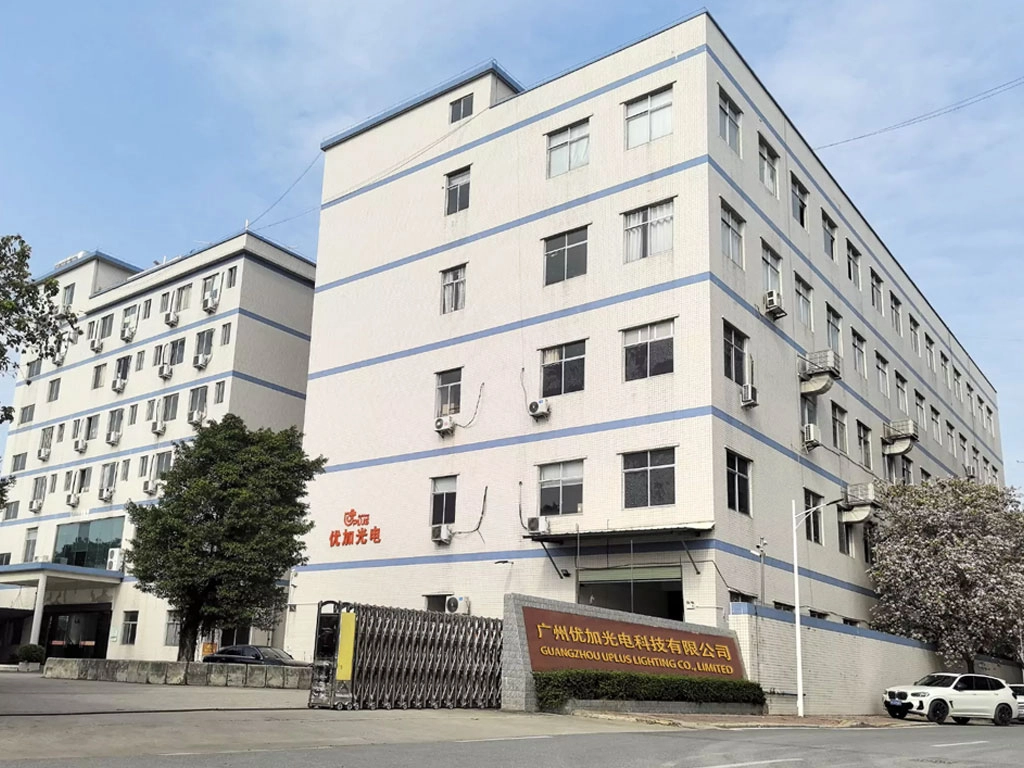
In addition to global brands, manufacturers like Uplus Lighting can be an important partner, especially where customization and OEM manufacturing matter. Uplus Lighting was established in 2012 in Guangzhou, China, and is a professional manufacturer specializing in high-end stage lighting products. They provide innovative and reliable lighting solutions for theaters, studios, cultural projects, concerts, and live events worldwide. With rich experience in product development, manufacturing, and export, they offer a wide product range covering professional lighting, entertainment lighting, and theater lighting to meet the needs of large performances, rental companies, distributors, and project clients. Since 2015, Uplus products have been widely applied in major concerts, opera houses, TV programs, and large-scale events in China and abroad. They support OEM orders and customized product development, and their skilled production team and strict quality control ensure stable performance, consistent quality, and professional service trusted by global partners.
Uplus Lighting’s main product categories include moving head lights, strobe lights, LED battery lights, static lights, LED theatre lights, LED follow spot lights, stage effect lights, and laser lights. Their competitive strengths lie in flexible OEM capabilities, local manufacturing speed, and cost-effective solutions that still meet demanding performance and reliability criteria — an attractive proposition for rental companies and integrators looking for custom control options, branding, or modified optic packages.
When to choose Uplus Lighting
If you need OEM customizations — special gobos, housing colors, firmware modifications, or alternate power options — Uplus can be a practical alternative to branded inventory, particularly when paired with a local service plan. For rental companies building a new fleet, mixing established brand heads with Uplus units can lower initial capital expenditure while retaining high serviceability and performance.
FAQ — Common questions about moving heads for concerts and touring
1. What is the difference between a spot, beam, and wash moving head?
Spot fixtures focus on sharp-edged beams and often include framing shutters and detailed gobos, ideal for specials and camera work. Beam fixtures create narrow, highly visible aerial beams for effects in fog or haze. Wash fixtures produce a broad, soft-edged light to illuminate performers and scenery. Hybrid fixtures combine two or more of these functions into one unit.
2. How many moving heads do I need for a mid-size concert?
It depends on show design, but a typical mid-size concert rig might include 24–48 moving heads, combining spots for front and specials, beams for aerial effects, and washes for stage fill. Use previsualization to refine counts — hybrids can reduce total fixture numbers.
3. Are LED moving heads bright enough to replace discharge lamp units?
Modern LED moving heads have narrowed the gap significantly. High-end LED fixtures (e.g., some hybrid and high-output spot models) can match or exceed older discharge lamp units in perceived brightness while offering better color rendering and lower maintenance. However, for very long throw requirements in large stadiums, certain high-lumen lamp-based or specialized LED fixtures may still be preferred; verify with IES photometry.
4. What should I look for in a rental fleet to maximize uptime?
Choose fixtures with widely available spare parts, modular components, and strong manufacturer support. Standardize models where possible to simplify service and inventory. Keep consumables and hot-swap parts accessible, and maintain an organized service log.
5. How do I compare fixture brightness fairly?
Compare photometric data (IES or LDT files) under the same test conditions and use lux at distance graphs, not just raw lumen numbers. Manufacturers sometimes quote different measurement points; using IES files in your visualization software provides the most realistic comparison.
6. Is IP-rated moving head gear necessary for touring?
For outdoor festivals or open-air stages with exposure to dust or moisture, IP-rated fixtures or protective enclosures are recommended. For indoor concert halls and arenas, IP rating is less critical but dust-protected designs and sealed optics still improve lifespan.
7. How important is color rendering (CRI) for concert fixtures?
High CRI is more critical for broadcast and camera work where accurate skin tones matter. For general concert lighting, vivid color mixing and saturation may be prioritized, but if your tour includes TV or livestream elements, choose fixtures with better CRI or selectable white-point options.
If you want an individualized fixture selection for a specific tour (venue sizes, load-in constraints, power limits, and creative direction), I can provide a tailored rig plan and equipment list. Contact me to review your lighting plots or to see product availability and customized solutions.
To discuss product specs, get quotes, or explore OEM/customized lighting solutions (including moving head lights, strobe lights, LED battery lights, static lights, LED theatre lights, LED follow spot lights, stage effect lights, and laser lights), contact Uplus Lighting or request a consultation with me. View Uplus Lighting’s product catalog or request an OEM quote to align fixture capabilities with your tour requirements.
Mini LED Moving Heads vs Conventional Moving Heads: ROI
DMX Moving Head Lights: Types, Control, Specs & Buying Guide
Top 10 moving head stage lights Manufacturers and Supplier Brands
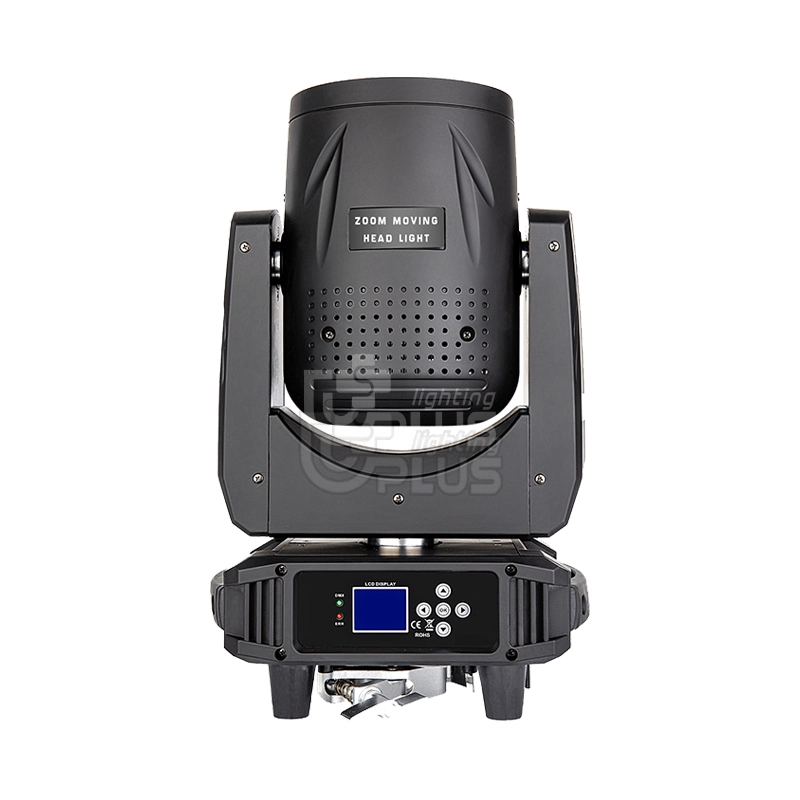
400W COB LED Face Moving Head with Zoom — High-Output Stage Lighting Solution

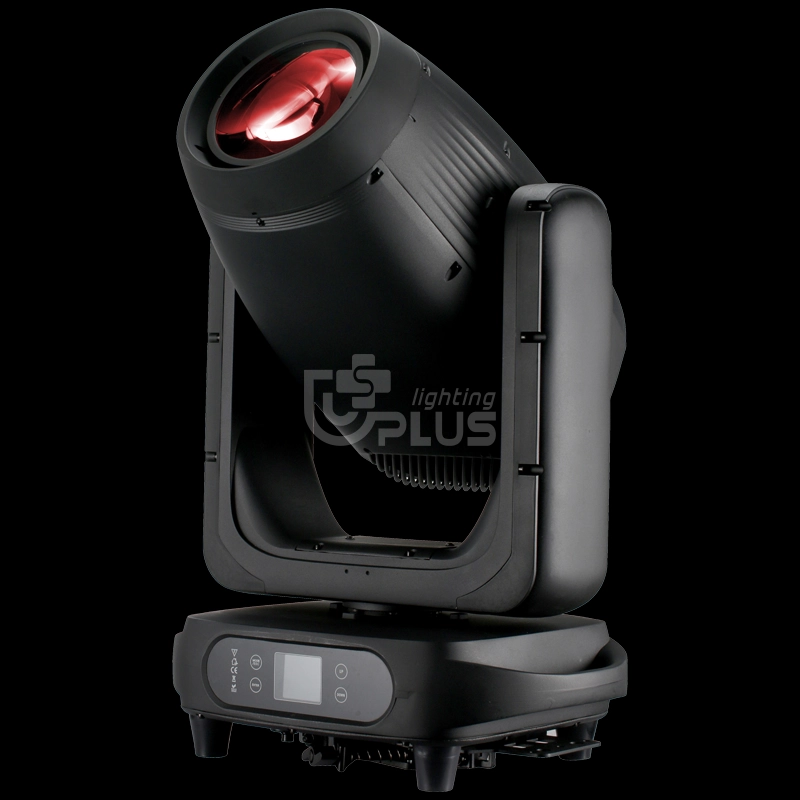
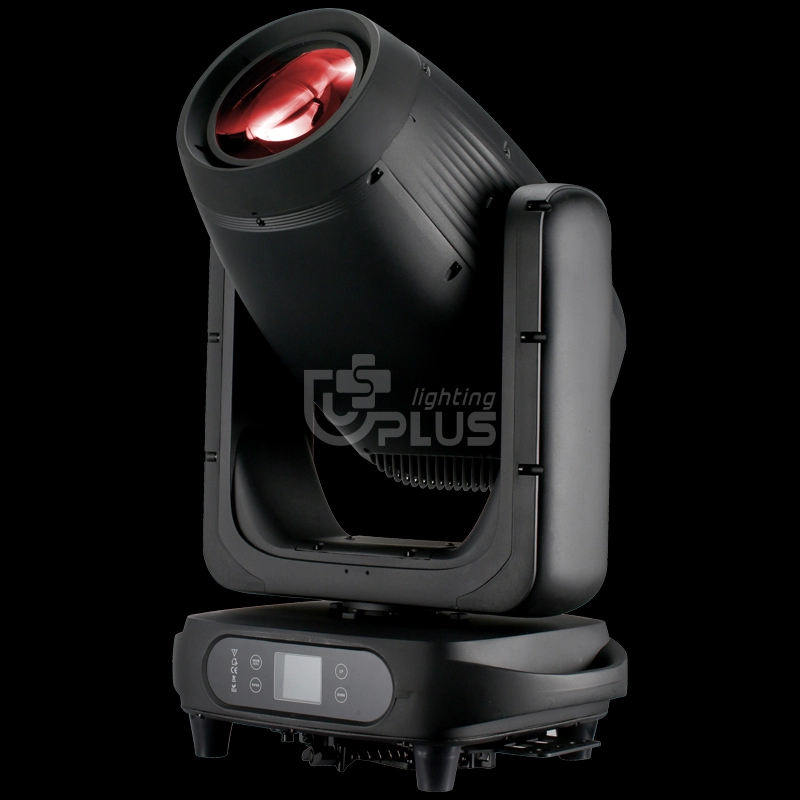
1000W Waterproof BSWF 4-in-1 Moving Head combines beam, spot, wash, and frame effects in one. IP-rated waterproof design, high-brightness output, precise control, ideal for outdoor & indoor stage events.
If you have any comments or good suggestions, please leave us a message, later our professional staff will contact you as soon as possible.
Lighting Innovators
Uplus Lighting is a leading integrated company specializing in R&D, design, production, and sales of stage lighting solutions.
 Scan QR Code
Facebook
Instagram
YouTube
VK