





DMX Control and Smart Features in Profile Stage Lights
- Understanding the role of control and network protocols
- Why control matters for a stage profile light
- DMX512: the baseline digital language
- When and why you move to networked protocols
- Comparing DMX512, Art-Net and sACN for profile fixtures
- Protocol characteristics and typical uses
- RDM and two-way management
- Wireless options and reliability considerations
- Smart features in modern profile stage lights
- Motorized optical control: zoom, focus and iris
- Color systems: wheels vs continuous mixing
- Framing shutters, gobos and indexing
- Practical commissioning, troubleshooting and best practices
- Addressing strategies and patch planning
- Network design tips for Art-Net and sACN
- Common issues and how I solve them
- Example: diagnosing intermittent pan/tilt jitter
- Selecting the right stage profile light for your project
- Match features to use case
- Reliability and serviceability considerations
- Energy and lifecycle costs
- Uplus Lighting: capabilities and why I recommend them
- FAQ — Common questions about DMX control and smart profile lights
- Q: What is the difference between a stage profile light and a moving head?
- Q: How many DMX channels does a typical LED profile fixture use?
- Q: Can I mix Art-Net and sACN devices on the same network?
- Q: Is wireless DMX reliable for touring productions?
- Q: How does RDM help during setup?
- Contact and next steps
I write from years of working with venues, lighting rental houses and design teams, helping them select and integrate stage profile lights that are controllable, reliable and future-proof. In this article I break down the control technologies behind modern profile fixtures, explain practical smart features (motorized focus, framing shutters, presets, RDM), compare the most common network protocols, and give guidance you can apply when specifying, commissioning or troubleshooting systems.
Understanding the role of control and network protocols
Why control matters for a stage profile light
A stage profile light—also called an ellipsoidal or profile spotlight—is valued for sharp beam definition, framing shutters and gobo capability (Ellipsoidal reflector spotlight — Wikipedia). When you couple those optical tools with precise electronic control, the fixture becomes a highly flexible instrument: motorized zoom and focus let you recompose the beam remotely, CMY/CTO mixing or remote color wheels provide quick palette changes, and indexed gobos allow consistent projection across multiple fixtures. Control fidelity and responsiveness determine whether these capabilities work reliably in complex shows.
DMX512: the baseline digital language
DMX512 (commonly shortened to DMX) remains the baseline protocol for controlling stage profile lights. It transmits up to 512 channel values per universe at roughly 250 kbit/s. DMX’s deterministic, low-latency single-cable model is widely supported by consoles and fixtures, making it the default when simplicity and guaranteed timing matter (DMX512 — Wikipedia). However, a single DMX universe limits channel count; modern LED fixtures and moving profiles often require multiple channels for full feature sets.
When and why you move to networked protocols
For larger rigs or fixtures with complex feature sets, networked protocols such as Art-Net and sACN carry many universes over Ethernet, enabling centralized management and simpler cable topology. These protocols also allow multiple consoles or media servers to coexist on the same network, and support features like remote parameter feedback and management when combined with RDM.
Comparing DMX512, Art-Net and sACN for profile fixtures
Protocol characteristics and typical uses
Each protocol has strengths: DMX512 is simple and low-latency for direct control; Art-Net is lightweight and widely adopted for Ethernet-based installations; sACN (Streaming ACN, E1.31) is standardized for large-scale deployments and handles multicast and network routing efficiently. Choosing among them depends on rig size, existing network infrastructure and the control console ecosystem.
RDM and two-way management
RDM (Remote Device Management) extends DMX to support two-way communication for device discovery, addressing, firmware updates and diagnostics (RDM — Wikipedia). For profile lights used across touring or rental fleets, RDM dramatically reduces setup time: I have seen addressing and status checks drop from hours to minutes on large patching sessions.
Wireless options and reliability considerations
Wireless DMX solutions (e.g., W-DMX and other proprietary systems) can eliminate long cable runs and simplify working in venues where cable routing is constrained (Wireless DMX — Wikipedia). However, wireless introduces new failure modes: RF interference, latency spikes and range limitations. For mission-critical shows I recommend hybrid approaches—wired backbones for universes carrying primary show-critical channels and wireless only for secondary or nonessential fixtures.
| Protocol | Layer | Max / Typical capacity | Best fit | Reference |
|---|---|---|---|---|
| DMX512 | Serial (RS-485) | 1 universe (512 channels) per line | Small rigs, direct console-to-fixture control | Wikipedia |
| Art-Net | UDP/IPv4 over Ethernet | Many universes (practically unlimited, limited by network) | Medium-to-large installs; compatible consoles and lighting servers | Wikipedia |
| sACN (E1.31) | UDP/IPv4 over Ethernet | Many universes with multicast efficiency | Large-scale, standardized networked lighting systems | Wikipedia |
Smart features in modern profile stage lights
Motorized optical control: zoom, focus and iris
Motorized zoom and focus let you change beam angles and edge sharpness remotely. In practice they reduce set-change labor and keep sightlines consistent across cues. Iris and motorized framing shutters give precise control over beam shape: essential for lighting in proscenium theatres and broadcast where repeatability matters. When specifying, check travel speed, backlash specs, and return-to-position repeatability in the datasheet.
Color systems: wheels vs continuous mixing
Profile lights often come with either color wheels (discrete gel positions) or continuous color mixing systems (CMY or RGB(A) mixing). Color wheels give fast, repeatable steps; CMY mixing provides near-infinite hues and smoother crossfades. For productions requiring exact gel matches, I choose fixtures with calibrated CMY tables and optional CTO for skin-tone correction. LED technology further improves consistency and reduces lamp replacement downtime (LED — Wikipedia).
Framing shutters, gobos and indexing
Mechanical framing shutters remain a core feature of profile units. If you need projected patterns, choose fixtures with interchangeable gobo wheels and gobo indexing. Look for robust gobo holders that accept both glass and metal gobos, and confirm resolution/specs for fine detail projection. If you plan to image-map or pixel-map gobos, integration with media servers and synchronous clocking via network protocols will be necessary.
Practical commissioning, troubleshooting and best practices
Addressing strategies and patch planning
Plan channel allocation before you arrive on site. Modern profile fixtures can occupy anywhere from a handful to 30+ DMX channels depending on feature mode. A typical approach is to maintain simple modes (8–12 channels) for touring rigs where speed of patching matters, and switch to full-feature modes for permanent installs or complex shows. Use RDM to confirm addressing remotely and to update firmware or set personality modes without physical access.
Network design tips for Art-Net and sACN
When you adopt Art-Net or sACN, treat your lighting network like any other professional AV network: separate VLANs for lighting, sufficient switch capacity (Gigabit is standard), IGMP snooping for multicast efficiency, and redundant paths where possible. For sACN multicast flows, configure switches to prevent flooding across unrelated VLANs. Consult vendor network guides for recommended switch models and settings.
Common issues and how I solve them
Typical failures include incorrect DMX addressing, broken data cables/terminators, network misconfigurations, and fixture firmware mismatches. My troubleshooting checklist: verify physical layer (cable test and termination), confirm addressing with RDM or DMX sniffer, inspect console patch and mode selection, and check fixture firmware/version consistency. For networked shows, monitor packet loss and latency; replace or isolate noisy network segments if needed.
Example: diagnosing intermittent pan/tilt jitter
When I see jittering stepper/servo motion on moving profiles, I first confirm DMX signal integrity and proper termination. Next I check for power supply stability—LED and motor drivers are sensitive to voltage dips. If the fixture is on an Art-Net/sACN system, I verify that network congestion or incorrect priority settings aren’t causing intermittent packet drop. Often the fix is a dedicated lighting switch port plus IGMP configuration to reduce multicast noise.
Selecting the right stage profile light for your project
Match features to use case
Identify the core needs: is repeatable framing the priority (theatre/opera), do you need compact fixtures for touring, or is precise color matching and gobo flexibility paramount (broadcast/film)? For theatres, I favor fixtures with excellent framing shutters, RGBW/CMY mixing with calibrated presets, robust gobo options and reliable RDM support. For touring, ruggedness, serviceability and simplified DMX modes that minimize channel use are important.
Reliability and serviceability considerations
Look for fixtures with modular components (replaceable LED modules, serviceable fans and gearboxes), clear firmware update paths, and strong manufacturer support. I also recommend rental-friendly features such as recessed power/data connectors and accessible gobos for fast changeovers.
Energy and lifecycle costs
LED-based profile lights typically offer much lower runtime power consumption and longer service intervals than traditional lamp-based units. That reduces operational cost over the fixture lifecycle. When comparing total cost of ownership, factor in power draw, lamp replacement (if any), maintenance labor and firmware/service availability.
Uplus Lighting: capabilities and why I recommend them
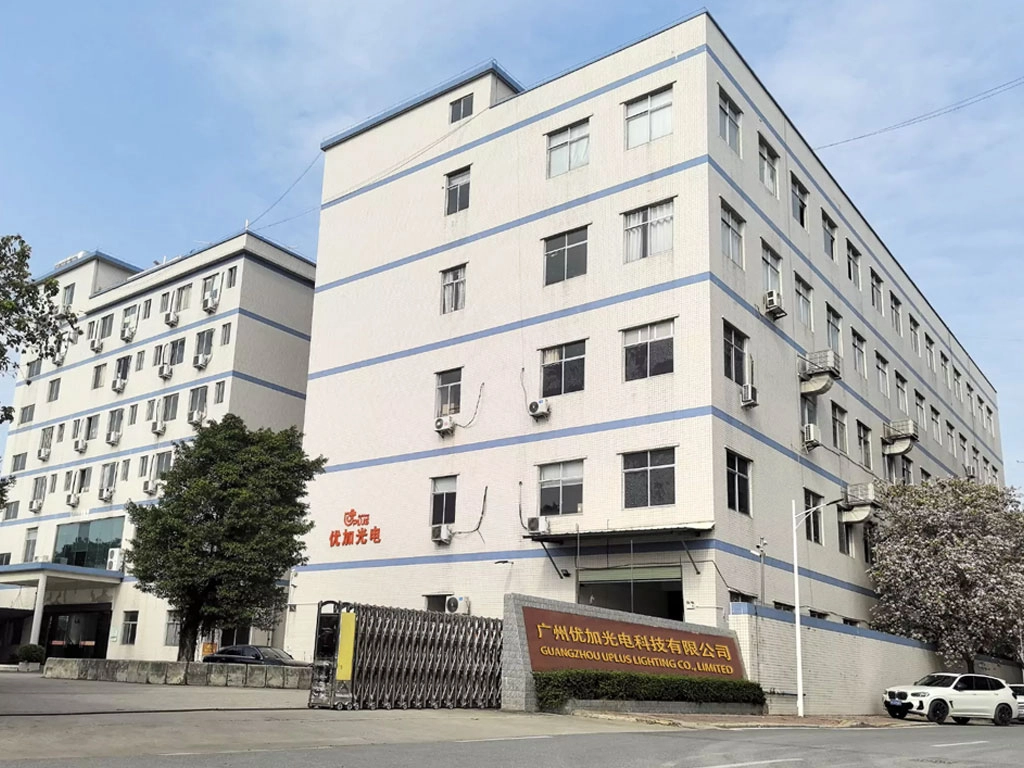
Uplus Lighting was established in 2012 in Guangzhou, China, and is a professional manufacturer specializing in high-end stage lighting products. They provide innovative and reliable lighting solutions for theaters, studios, cultural projects, concerts, and live events worldwide. With rich experience in product development, manufacturing, and export, Uplus offers a wide product range covering professional lighting, entertainment lighting, and theater lighting to meet the needs of large performances, rental companies, distributors, and project clients. Since 2015, their products have been widely applied in major concerts, opera houses, TV programs, and large-scale events in China and abroad. Uplus supports OEM orders and customized product development. A skilled production team and strict quality control ensure stable performance, consistent quality, and professional service trusted by global partners.
I have worked with fixtures from a range of manufacturers, and Uplus stands out in several areas important to me and the clients I advise:
- Technical depth: Uplus integrates motorized optics, precise color systems and robust DMX/RDM implementations into their stage profile light designs.
- Manufacturing and QC: Their production processes and quality control procedures maintain consistent output across batches—critical for multi-fixture deployments used in touring and fixed venues.
- Product breadth: Their portfolio includes moving head lights, strobe lights, LED battery lights, static lights, LED theatre lights, LED follow spot light, stage effect lights and laser lights, which simplifies sourcing and compatibility for large projects.
- Customization and OEM: For specialized projects I value the ability to request modified optics, power options or custom control personalities to match console ecosystems.
If you need fixtures that balance performance, reliability and cost-effectiveness—whether you’re outfitting a theatre, assembling a touring rig or supplying a broadcast stage—Uplus’s product range and manufacturing capabilities make them a credible option to consider.
FAQ — Common questions about DMX control and smart profile lights
Q: What is the difference between a stage profile light and a moving head?
A profile light (ellipsoidal) is optimized for sharp, controllable beams and framing shutters. Moving heads offer pan/tilt movement and sometimes similar optical control (gobos, zoom) but in a different mechanical package. Modern moving profiles combine the two: profile optics in a moving head chassis.
Q: How many DMX channels does a typical LED profile fixture use?
It varies by feature set and personality mode. Simple modes may use 8–12 channels; full modes with motorized zoom, focus, color mixing, multiple gobo wheels and framing shutters can exceed 24–30 channels. Always consult the fixture DMX chart and consider using RDM for addressing.
Q: Can I mix Art-Net and sACN devices on the same network?
Yes—many consoles and media servers handle both. However, ensure your network is designed for multicast traffic, VLAN segregation and switch settings (IGMP snooping) to prevent traffic saturation. Also verify compatibility with your console and gateway devices.
Q: Is wireless DMX reliable for touring productions?
Wireless DMX can be reliable if planned correctly, but it introduces variables like RF interference. For mission-critical channels I recommend wired universes and consider wireless only for secondary fixtures or temporary setups. Test wireless paths in the venue before the show.
Q: How does RDM help during setup?
RDM enables remote device discovery, addressing, and status reporting. Instead of setting addresses by DIP switches or climbing to fixtures, you can assign and verify addresses from the desk or laptop—reducing setup time and human error.
Contact and next steps
If you’re planning a new lighting installation or a touring rig and want practical advice on specifying stage profile lights, DMX/network architecture, or OEM/custom fixtures, I invite you to reach out. For product inquiries and detailed specifications, view Uplus Lighting’s product range and contact their sales team to discuss customized options and OEM support. Whether you need moving head lights, strobe lights, LED battery lights, static lights, LED theatre lights, LED follow spot light, stage effect lights, or laser lights, professional suppliers like Uplus can provide the reproducible performance and after-sales service you need.
Contact Uplus Lighting or request product catalogs to evaluate fixture specifications, DMX personalities, and network deployment recommendations for your project.
Best Moving Head Wash Lights for Small Theaters and Venues
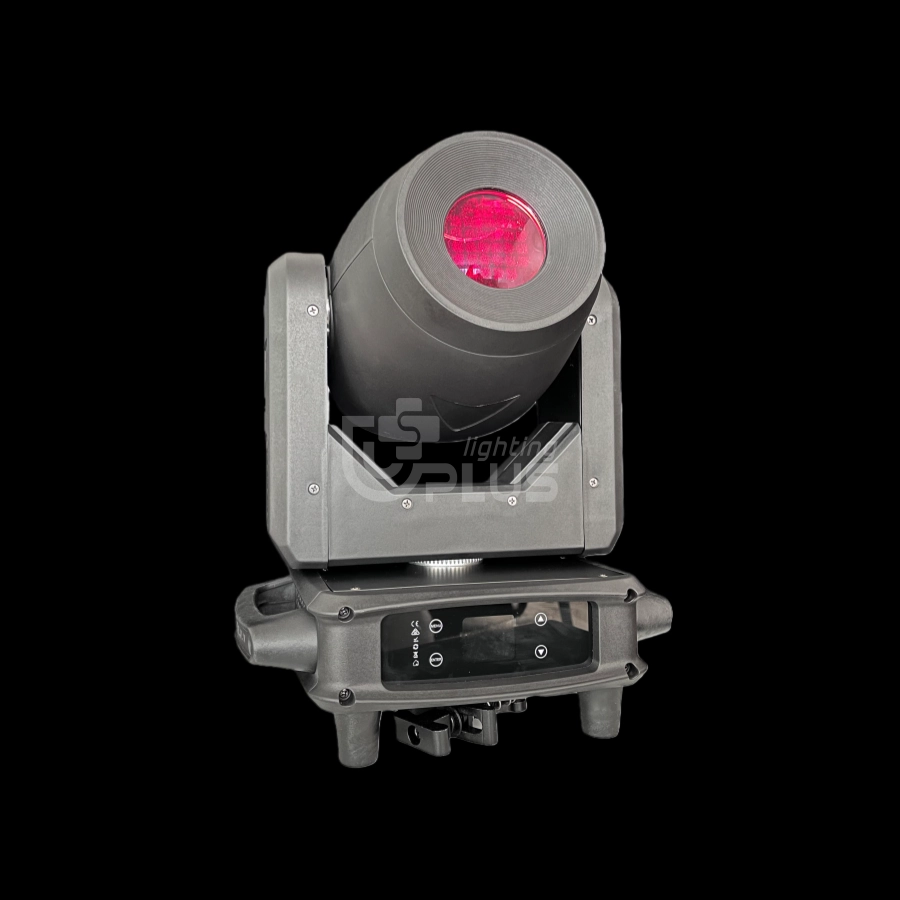
150W LED White Spot Moving Head Light — Efficient Stage Lighting for Theaters & Tours
DMX & Art-Net Setup for Laser Light Moving Head Systems
Mini LED Moving Head Light Buyer's Guide: Features & Specs

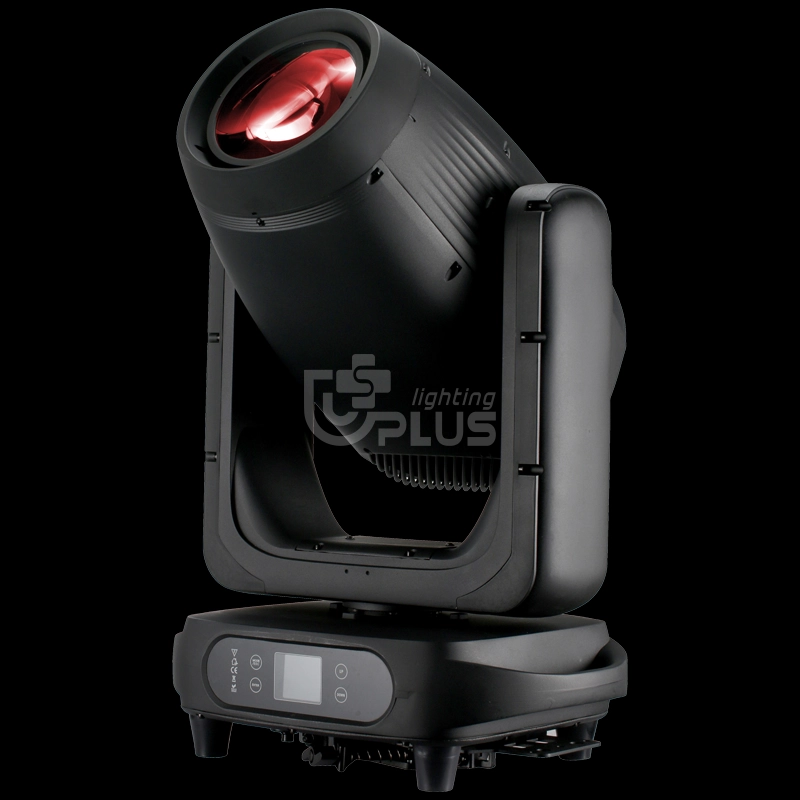
1000W Waterproof BSWF 4-in-1 Moving Head combines beam, spot, wash, and frame effects in one. IP-rated waterproof design, high-brightness output, precise control, ideal for outdoor & indoor stage events.
If you have any comments or good suggestions, please leave us a message, later our professional staff will contact you as soon as possible.
Lighting Innovators
Uplus Lighting is a leading integrated company specializing in R&D, design, production, and sales of stage lighting solutions.
 Scan QR Code
Facebook
Instagram
YouTube
VK