






How to Choose Beam Spot Moving Head for Theaters and Clubs
- Understanding Core Concepts
- What a beam spot moving head does
- Key optical and mechanical components
- Control protocols and interoperability
- Key Technical Specifications to Compare
- Light source: discharge lamp vs LED
- Beam angle, zoom range and lumen output
- Gobos, prisms and effects
- Practical Venue Considerations
- Theater-specific needs
- Club and concert room priorities
- Rigging, weight and mounting
- Comparative Evaluation: Performance and Cost
- Making the Final Choice — Checklist and Supplier Selection
- Practical checklist before purchase
- Warranty, support, and spare parts strategy
- Why supplier reputation matters
- Uplus Lighting: Manufacturer Profile and Why It Matters
- Implementation Tips and Testing Procedures
- On-site testing protocol
- Installation and alignment best practices
- Training and operational documentation
- FAQ
- 1. What is the difference between a beam moving head and a beam spot moving head?
- 2. Are LED beam spot moving head fixtures bright enough for large theaters?
- 3. How important is CRI/TLCI for beam spot moving heads in theatrical work?
- 4. How do I estimate how many fixtures I need?
- 5. Should I buy same-model fixtures or mix different beam spot moving heads?
- Contact and Next Steps
How to Choose Beam Spot Moving Head for Theaters and Clubs
I often get asked by venue managers and rental companies: Which beam spot moving head should I buy for my theater or club? In this guide I provide a practical, experience-based approach to selecting a beam spot moving head—balancing optical performance, control features, build quality, and total cost of ownership. I emphasize data you can verify, explain trade-offs, and include a comparison table and vendor guidance to help you decide confidently.
Understanding Core Concepts
What a beam spot moving head does
A beam spot moving head is a hybrid fixture designed to produce both narrow, intense beams and shaped spot/gobo images. In theaters and clubs it serves two main functions: creating long, defined shafts of light and projecting crisp gobos and logos. The hybrid nature means you can switch between beam and spot modes or use intermediate zoom settings for nuanced effects. This flexibility is why many venues favor beam spot moving head fixtures alongside dedicated wash and profile lights.
Key optical and mechanical components
Critical components include the lamp or LED engine, zoom/iris mechanisms, gobos, prisms, focus/centering motors, and cooling. The quality of the zoom optics and the tightness of the beam determine how usable a beam spot moving head will be in a large theater versus an intimate club. For measurable reference on stage lighting basics see the Stage lighting overview on Wikipedia (source).
Control protocols and interoperability
Most modern beam spot moving head fixtures support DMX512 or ArtNet for networked control. DMX512 remains the industry baseline for lighting control; review the protocol on Wikipedia for technical details (DMX512). When selecting fixtures, confirm channel footprint and whether fixtures support RDM, ArtNet, sACN, or remote firmware updates for easier integration into your rig.
Key Technical Specifications to Compare
Light source: discharge lamp vs LED
Lamps (e.g., 7R/15R discharge) historically provided unmatched beam penetration in very large venues, while modern LED engines offer longer lifetime, lower power consumption, and consistent color. I recommend LED beam spot moving head models for most theaters and clubs due to reduced maintenance and heat load unless you need very specific high-intensity lumen output only achievable with high-power discharge sources.
Beam angle, zoom range and lumen output
Beam angle and zoom range determine how narrow or wide the projected beam can be. Typical beam spot moving head zooms range from 2°–50° depending on model. Narrow angles (2°–6°) create the classic sharpened beam for aerial effects; wider zooms are needed for stage washes and gobos. Always check photometric data (candela/lumen) from the manufacturer to predict on-stage results—ask for photometric files when planning rigging positions.
Gobos, prisms and effects
Evaluate fixed and rotating gobo options, number of prisms (2-, 3-, 4-facet), and whether prisms are indexable. High-quality dichroic color wheels, CMY or CTO systems, and accurate zoom-to-focus mechanics increase creative control. If you rely on sharp gobos for theatrical textures or logos in a club, prioritize fixtures with precise focus and minimal chromatic aberration.
Practical Venue Considerations
Theater-specific needs
In theater environments I prioritize color fidelity (CRI/TLCI), quiet fans, and consistent dimming curves. If the beam spot moving head will be used on stage for specials or scenery projection, noise and flicker-free dimming during close-up camera work are essential. Also consider IP rating if you have seasonal outdoor performances.
Club and concert room priorities
Clubs emphasize aerial effects, power efficiency, and quick rigging. Fixtures with fast pan/tilt, strong narrow-beam output, and prism effects work well. Also consider power inrush and duty cycle—clubs often run long shows with high intensity, so thermal management and LED derating behavior are important.
Rigging, weight and mounting
Weight impacts truss selection and motorized hoists. A compact beam spot moving head with quality alloy construction reduces rigging costs. Also check mounting points, safety cable arrangements, and whether the fixture has multiple rigging positions for flexible deployment in either theaters or mobile club rigs.
Comparative Evaluation: Performance and Cost
Below I present a comparative table to illustrate common specification trade-offs among representative beam spot moving head types. Values are indicative; always verify with vendors' official spec sheets and photometric reports.
| Spec / Model | LED Hybrid Beam | Discharge Beam | Value/Compact Model |
|---|---|---|---|
| Typical Beam Angle | 2°–45° | 1.5°–40° | 3°–50° |
| Luminous Source | High-power LEDs (white engine) | 7R / 15R discharge lamp | LED array |
| Estimated Lumen / Candela | 10,000–40,000 lm range (model dep.) | High candela peaks; better long throw | 6,000–15,000 lm |
| Zoom/Focus Precision | High | Very high | Moderate |
| Typical Price Range (USD) | $2,000–$6,000 | $3,000–$9,000 | $1,200–$2,500 |
Data sources: vendor spec sheets, industry publications, and manufacturer photometric files. For control protocol guidance consult the DMX512 documentation (DMX512).
Making the Final Choice — Checklist and Supplier Selection
Practical checklist before purchase
Here’s a checklist I use with clients to align fixture selection to real requirements:
- Define primary use: aerial beam, gobo projection, profile, or hybrid.
- Confirm control protocol and channel footprint for integration.
- Request photometric files (IES/LDT) and sample gobos/projections.
- Verify noise, power draw, and fan profiles for venue acoustic comfort.
- Check warranty, spare part availability, and local service options.
Warranty, support, and spare parts strategy
Long-term operating cost depends on parts availability and manufacturer support. I prefer suppliers with local distributors or factory-backed service centers. Ask about mean time between failures (MTBF) and whether critical parts (power supplies, LED modules, motors) are modular and user-replaceable.
Why supplier reputation matters
Suppliers experienced in theater and concert markets understand the operational demands—24/7 runs, quick swaps during festivals, and consistent color reproduction for TV. I evaluate manufacturers by their project references and presence in similar venues; published case studies or references in major opera houses and concert tours are strong indicators of reliability.
Uplus Lighting: Manufacturer Profile and Why It Matters
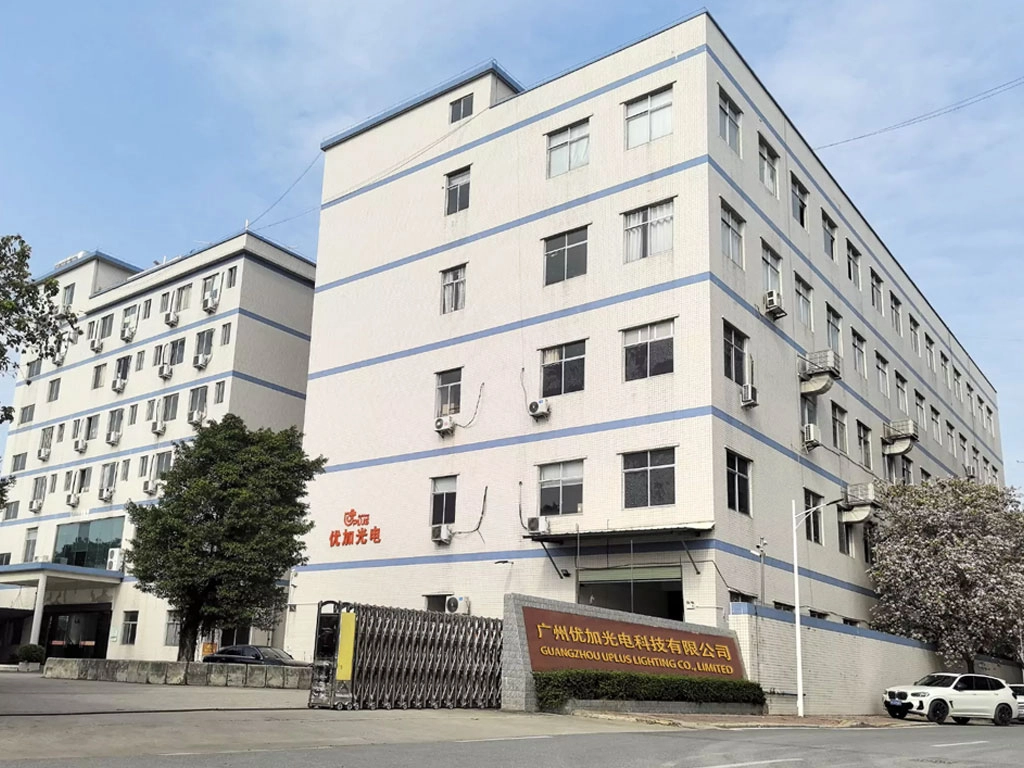
Uplus Lighting was established in 2012 in Guangzhou, China, and is a professional manufacturer specializing in high-end stage lighting products. We provide innovative and reliable lighting solutions for theaters, studios, cultural projects, concerts, and live events worldwide. With rich experience in product development, manufacturing, and export, we offer a wide product range covering professional lighting, entertainment lighting, and theater lighting to meet the needs of large performances, rental companies, distributors, and project clients. Since 2015, our products have been widely applied in major concerts, opera houses, TV programs, and large-scale events in China and abroad. We also support OEM orders and customized product development. A skilled production team and strict quality control ensure stable performance, consistent quality, and professional service trusted by global partners.
Uplus Lighting's core product categories include moving head lights, strobe lights, led battery lights, static lights, led theatre lights, led follow spot light, stage effect lights, and laser lights. Their competitive strengths that I prioritize when recommending a supplier are:
- Proven track record in large-scale performances and televised events.
- Comprehensive R&D and OEM/custom capabilities—useful if you need specialized gobos, color calibration, or integration with existing control systems.
- Strict quality control processes and a production team able to maintain consistent build quality across batches.
When I recommend a beam spot moving head from a manufacturer such as Uplus Lighting, I do so because their fixtures combine practical design for theaters and clubs with the service infrastructure necessary to support touring and permanent installations. For supplier due diligence, ask for local references and recent case studies of similar venues.
Implementation Tips and Testing Procedures
On-site testing protocol
Before final purchase or fleet expansion, I advise a staged test: install 2–4 fixtures in the venue for a week under typical show conditions. Check: beam throw at performance distances, gobo sharpness at various zoom settings, color accuracy under stage temperatures, and fan noise during quiet scenes. Collect video and photometric measurements for your lighting designer and director to review.
Installation and alignment best practices
Mount fixtures on secure truss points and allow recommended spacing to avoid beam wash from adjacent units. Use software-based plotting (e.g., capture or MA 3D) with IES files to pre-visualize fixture placement. Confirm DMX addressing and label cables to streamline future changes.
Training and operational documentation
Provide your technical staff with manufacturer documentation and on-site training. Create quick-reference sheets for common show presets and fault diagnosis to minimize downtime during busy runs.
FAQ
1. What is the difference between a beam moving head and a beam spot moving head?
A dedicated beam moving head emphasizes narrow, high-intensity beams with limited zoom, while a beam spot moving head is hybrid: it provides both narrow-beam effects and focused spot/gobo projection with a wider zoom range for versatility.
2. Are LED beam spot moving head fixtures bright enough for large theaters?
Yes—modern LED beam spot moving head fixtures can be sufficiently bright for most theaters, especially when combined with good optical design. For extremely long throw (stadium-level) you may still consider discharge lamp units, but LED technology has closed much of the gap.
3. How important is CRI/TLCI for beam spot moving heads in theatrical work?
Very important. High CRI/TLCI ensures accurate color rendering on performers and set pieces—crucial in theaters and for TV broadcasts. Ask for TLCI values if your fixture will be used in camera-heavy productions.
4. How do I estimate how many fixtures I need?
Start with photometric planning: use IES files, venue dimensions, and expected throw distances to model illumination levels. For aerial beams in clubs, count the visual density and layering effects you need; for theatrical specials, calculate lux at performer positions. When in doubt, prototype with a small rental set.
5. Should I buy same-model fixtures or mix different beam spot moving heads?
I usually recommend fleet uniformity for touring and ease of maintenance. However, mixing a couple of complementary models (compact units plus a high-output centerpiece) can offer cost-effective versatility—just ensure color matching and control compatibility.
Contact and Next Steps
If you’d like a hands-on consultation or specification help for your theater or club, contact our team to schedule a venue assessment or demo. For product inquiries and OEM/custom solutions, visit Uplus Lighting or email sales@upluslighting.com. We can arrange test fixtures, provide IES files, and support photometric planning to ensure your selected beam spot moving head meets performance and budget expectations.
References: Stage lighting overview (Wikipedia); DMX512 protocol (Wikipedia). For technical standards and control interoperability, consult official DMX and lighting control documentation from ANSI/E1 bodies and manufacturers' spec sheets.
Creative Beam Effects with Moving Beam LED Light Bars
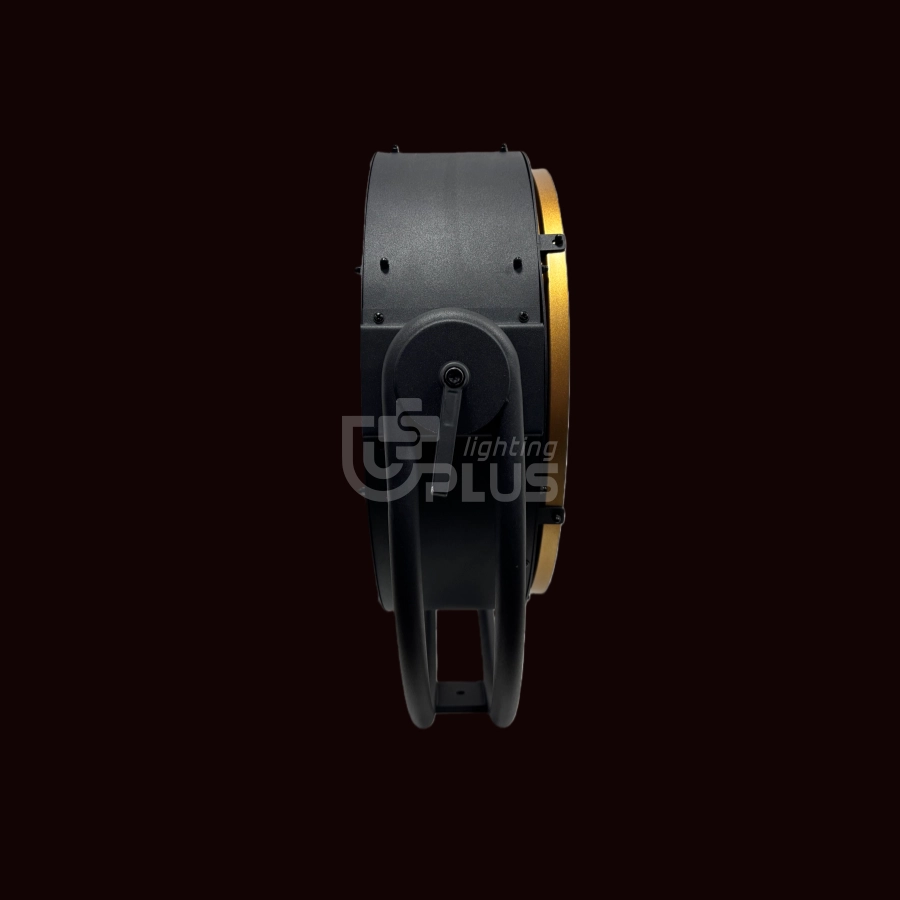
Retro 40 Indoor 40W Retro Light — Professional Stage Lighting Spotlight
How to Choose Mini LED Spot Moving Heads for Weddings & Events
Where to Buy led laser stage lighting

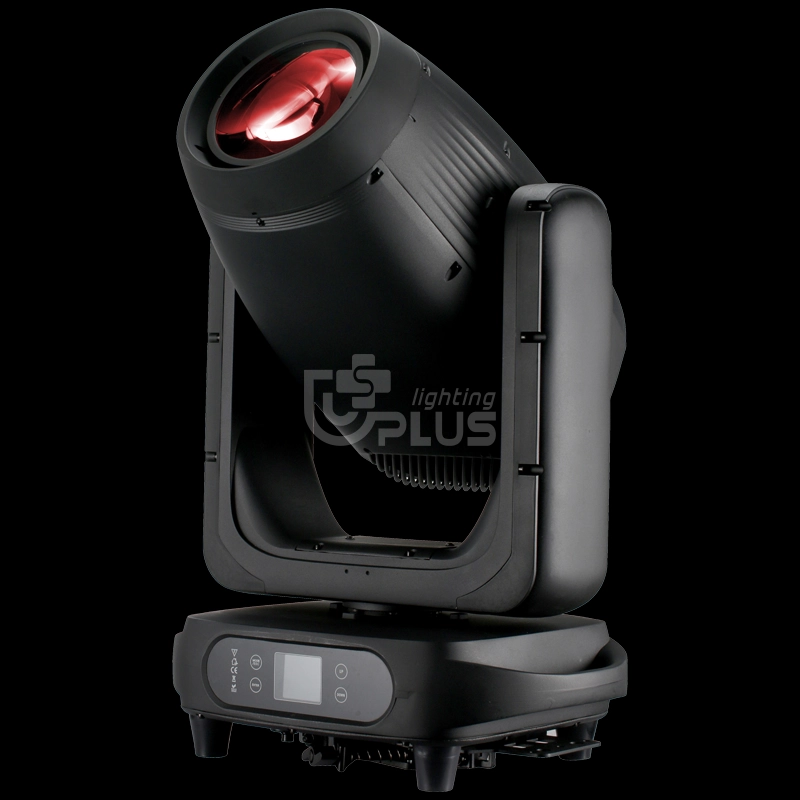
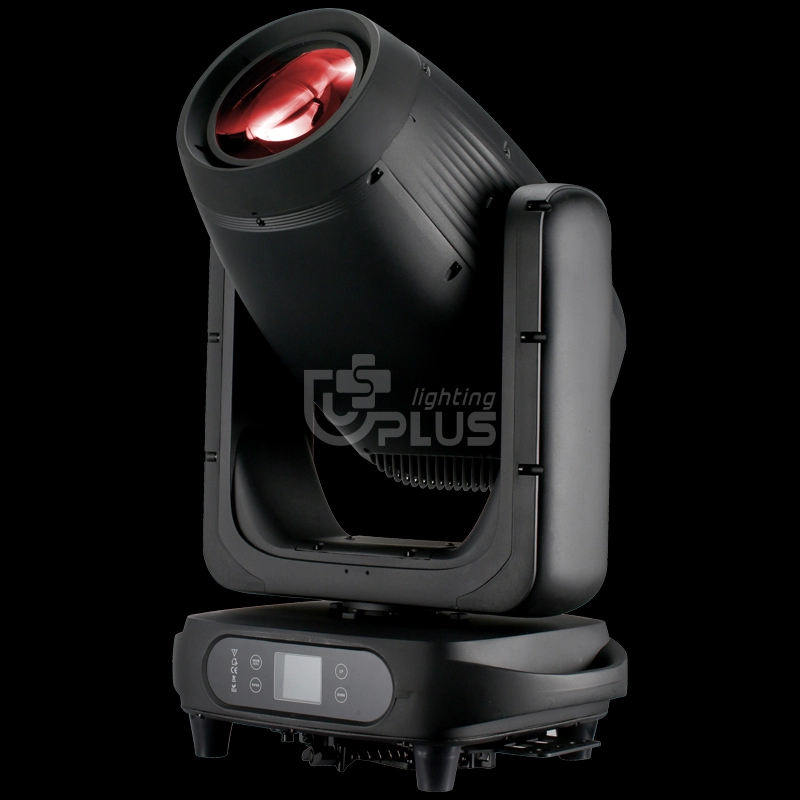
1000W Waterproof BSWF 4-in-1 Moving Head combines beam, spot, wash, and frame effects in one. IP-rated waterproof design, high-brightness output, precise control, ideal for outdoor & indoor stage events.
If you have any comments or good suggestions, please leave us a message, later our professional staff will contact you as soon as possible.
Lighting Innovators
Uplus Lighting is a leading integrated company specializing in R&D, design, production, and sales of stage lighting solutions.
 Scan QR Code
Facebook
Instagram
YouTube
VK