




Custom Gobo and Color Options for LED Profile Stage Light Buyers
- Understanding basic principles of theatrical projection and color
- Anatomy of an LED profile (ellipsoidal) fixture
- Why projection and color choices matter
- Control and compatibility (protocols and workflows)
- Custom Gobo Options for LED Profile Stage Lights
- Gobo materials and their trade-offs
- Size, aperture, and mounting considerations
- Design tips for stage projection
- Color Options and Mixing Techniques
- Color mixing paradigms: additive vs subtractive
- Color temperature, LED white options, and CTO
- CRI, TLCI and practical expectations
- How to Specify, Test, and Procure for Reliable Results
- Photometrics, optics, and real-world testing
- Maintenance, replaceability, and lifecycle costs
- When to ask for OEM customization
- Uplus Lighting: a partner for custom solutions
- Practical example: specifying a profile fixture for a mid-sized theatre
- Scenario and requirements
- Recommended specification checklist
- Why these choices work
- FAQ
- 1. What gobo material should I choose for an LED profile?
- 2. Can I use the same gobos with discharge fixtures and LED profiles?
- 3. Should I prioritize CRI or raw lumen output?
- 4. Are CMY systems always better for theatrical color?
- 5. How do I test gobo sharpness before buying?
- 6. What documentation should I request from a manufacturer?
- Contact and next steps
As a consultant and practitioner in stage lighting, I often work with designers and rental companies who need clear, actionable guidance when specifying led profile stage light fixtures with custom gobos and color options. In this article I summarize the key technical and practical considerations—materials, optics, color engines, control, and lifecycle costs—so you can confidently choose fixtures that meet artistic intent and operational realities.
Understanding basic principles of theatrical projection and color
Anatomy of an LED profile (ellipsoidal) fixture
A modern led profile stage light combines several subsystems: an LED engine, collimating optics, shutters/iris, focus/zoom lens assembly, gobo slot(s), color mixing (either mechanical color wheels, CMY/CTO or additive LED mixing), and a control interface (DMX/RDM, Art-Net, sACN). Knowing these elements helps you specify performance metrics such as lumen output, field/beam angles, gobo image quality, and color fidelity.
Why projection and color choices matter
Projection quality affects how crisp a gobo image remains across focus and throw distance; color choices determine skin tones, set color accuracy, and emotional impact. I always advise balancing raw brightness (lux) with color rendering (CRI/TLCI) and optics quality: a brighter fixture with poor optics will not produce a usable gobo image at long throws.
Control and compatibility (protocols and workflows)
Ensure fixtures support the control protocols used in your venue. The industry standard DMX512 protocol remains common for profile fixtures—learn more at DMX512 (Wikipedia). For networked shows, check for Art-Net or sACN support and RDM for remote addressing and configuration.
Custom Gobo Options for LED Profile Stage Lights
Gobo materials and their trade-offs
Choosing the right gobo material is the first practical decision. The main types are steel, glass (soda-lime or borosilicate), and high-resolution dichroic/etched glass. Each has strengths and limitations:
| Gobo Type | Resolution / Detail | Durability / Heat Tolerance | Typical Use |
|---|---|---|---|
| Steel | Low–medium (silhouettes) | Very durable, inexpensive | Architectural masks, bold shapes |
| Glass (soda-lime) | High (fine text and photos possible) | Moderate; suitable for most LED profiles | Logos, photographic images |
| Etched/dichroic glass | Very high; color effects possible | Lower heat tolerance but fine for LEDs | High-end theatrical images and color gobos |
Because LEDs typically emit less concentrated heat than discharge lamps, many LED profiles permit the use of higher-resolution glass gobos safely. For technical background on gobos, see Gobo (Wikipedia).
Size, aperture, and mounting considerations
Pay attention to gobo diameter (commonly 30mm or 50mm for many profiles) and whether the fixture supports full-size glass gobos. Also confirm whether the fixture has a rotating gobo wheel or static slots; rotating mechanisms enable dynamic effects, but add mechanical complexity and cost.
Design tips for stage projection
When designing a custom gobo, consider contrast, negative space, and stroke width. Thin lines that look fine on a computer can vanish in projection if the optics or focus aren't perfect. I recommend client proofs: a scaled mockup printed at the gobo printhouse or a digital simulation using fixture beam profiles before committing to etched glass.
Color Options and Mixing Techniques
Color mixing paradigms: additive vs subtractive
LED fixtures primarily use additive color mixing (RGB, RGBW, RGBA, or RGB+UV), while some high-end profiles use a CMY subtractive mixing system (either mechanical or LED-CMY engines) to achieve continuous color temperature control similar to gel-based systems. CMY blends often yield more natural pastel and tungsten-like tones; additive systems can produce very saturated colors but sometimes struggle with accurate skin tones unless white (W) emitters or CTO are included.
| System | Strengths | Limitations |
|---|---|---|
| RGB | Wide saturated colors, cost-efficient | Less accurate whites, poorer skin tones |
| RGBW / RGBWA | Improved whites and pastels | Higher cost; complexity in color mixing |
| CMY (LED or mechanical) | Natural whites, accurate theatrical tones | May reduce available output when mixed |
| CRI-focused LED engines | High fidelity for video and skin tones | Often costlier and slightly less output |
For authoritative discussion on color rendering and measurement, see the Wikipedia article on Color rendering index (CRI) and resources from the International Commission on Illumination (CIE).
Color temperature, LED white options, and CTO
LED profile stage lights are offered in various white point options (e.g., 2700K, 3000K, 3200K, 5600K). When precise color temperature is required, look for fixtures with accurate calibration and CTO presets (Color Temperature Orange) if you need to emulate tungsten sources. The Wikipedia page on color temperature offers a good primer.
CRI, TLCI and practical expectations
For theatrical work involving cameras, TLCI (Television Lighting Consistency Index) can be as important as CRI. I advise specifying CRI > 90 for high-end theater and broadcast, and seeking manufacturer test data showing CRI/TLCI under typical operational settings. If accurate color reproduction is essential, insist on photometric reports and spectral power distribution (SPD) graphs from the vendor.
How to Specify, Test, and Procure for Reliable Results
Photometrics, optics, and real-world testing
Request photometric files (IES or LDT) and beam profiles. IES files allow you to model lux levels at your venue. When possible, rent or demo fixtures in-situ to test gobos at throw distances and confirm color fidelity under stage conditions. Many problems are revealed only by real-world tests: color metamerism, edge softness, or unwanted chromatic aberration.
Maintenance, replaceability, and lifecycle costs
LED engines reduce lamp replacement but introduce electronics and heat-management concerns. Confirm spare parts availability: gobo holders (steel and glass), lenses, fans, and control boards. Consider total cost of ownership—higher initial cost for better optics and modular serviceability often pays off with reduced downtime and better on-stage results.
When to ask for OEM customization
If your project demands non-standard gobos, specific beam angles, higher CRI, or integrated color calibration profiles, OEM customization is reasonable. I often recommend collaborating with manufacturers who support custom development and can provide engineering samples and photometric validation before mass production.
Uplus Lighting: a partner for custom solutions
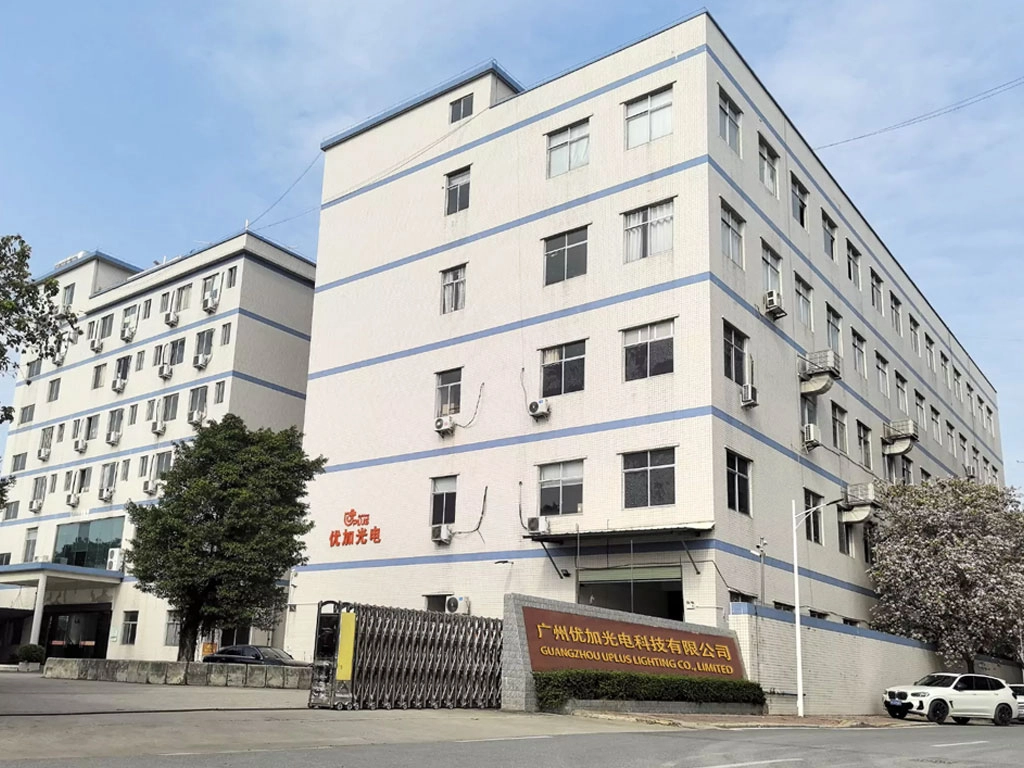
Uplus Lighting was established in 2012 in Guangzhou, China, and is a professional manufacturer specializing in high-end stage lighting products. I’ve worked with many manufacturers over the years; Uplus stands out for combining experience in product development, manufacturing, and international export. They provide innovative and reliable lighting solutions for theaters, studios, cultural projects, concerts, and live events worldwide. With a wide product range that includes moving head lights, strobe lights, led battery lights, static lights, led theatre lights, led follow spot light, stage effect lights, and laser lights, they meet needs across large performances, rental companies, distributors, and project clients.
Since 2015 their products have been used in major concerts, opera houses, TV programs, and large-scale events in China and abroad. Uplus supports OEM orders and customized product development, with a skilled production team and strict quality control to ensure stable performance and consistent quality. For buyers seeking LED profile stage light fixtures with tailored gobo systems or specific color engines (high CRI, CMY, RGBW), working directly with a manufacturer that offers engineering validation and parts support reduces procurement risk significantly.
Practical example: specifying a profile fixture for a mid-sized theatre
Scenario and requirements
Imagine a 600-seat repertory theatre that needs 12 LED profile stage lights for key lighting and gobo projection. Requirements: crisp gobos for scenic texture, high CRI for actors, adjustable beam from 18° to 40°, DMX/RDM control, and spare glass gobo options.
Recommended specification checklist
- LED engine: high-CRI (≥90) with selectable CCT presets (2700K–5600K) and CTO.
- Optics: zoom lens range 18–40° with good edge control for gobos.
- Gobo support: accepts 50mm glass gobos, plus rotating gobo option if needed.
- Control: DMX512, RDM, Art-Net support and built-in photometric profile (IES).
- Serviceability: user-replaceable gobo holders, lens tube, and power supply modules.
Why these choices work
High CRI ensures on-camera and on-stage color accuracy. Glass gobos provide the resolution necessary for scenic texture. The zoom range offers flexibility for both tight specials and softer washes, while RDM and network protocols simplify addressing and firmware updates.
FAQ
1. What gobo material should I choose for an LED profile?
For most theatrical needs, glass gobos deliver the best resolution and image quality and are safe in LED fixtures due to lower heat. Use steel for bold silhouettes or where budget and durability are priorities.
2. Can I use the same gobos with discharge fixtures and LED profiles?
Not always. Glass gobos generally work across both, but confirm diameter, holder type, and heat tolerance. Steel gobos designed for high-heat conventional fixtures may be overkill for LEDs but still usable.
3. Should I prioritize CRI or raw lumen output?
Prioritize CRI when color fidelity and camera work matter. If you need pure wash brightness without fine color needs, lumen output may be more important. Ideally, choose a fixture that balances both—high lumen output with CRI ≥ 90 for professional work.
4. Are CMY systems always better for theatrical color?
CMY delivers natural whites and nuanced tints, but it can reduce maximum output when used heavily. RGBW systems provide a good compromise for saturated colors and improved whites. The right choice depends on your palette and whether camera work is involved.
5. How do I test gobo sharpness before buying?
Request in-situ demos or IES beam profiles. If possible, test the fixture at similar throw distances with your actual gobo designs. Many manufacturers and rental houses will provide a loaner or demo unit for validation.
6. What documentation should I request from a manufacturer?
Ask for photometric reports (IES/LDT), spectral power distribution (SPD), CRI/TLCI data, dimensional drawings, control protocol support, and spare parts lists. These items make procurement, rigging, and programming far more predictable.
Contact and next steps
If you want tailored recommendations for led profile stage light fixtures—gobo types, color engines, or custom OEM development—I can help evaluate options against your venue and production requirements. For turnkey supply and custom development, consider Uplus Lighting, established in Guangzhou in 2012, with extensive experience in stage lighting manufacturing and global project delivery. Contact your preferred vendor or request samples and photometric data before committing to a larger purchase.
Ready to discuss specs or view product options? Contact Uplus Lighting for product catalogs and OEM inquiries, or reach out to a trusted lighting consultant to arrange demos and photometric validation for your venue.
References: DMX512 standard overview (Wikipedia), gobo basics (Wikipedia), color rendering index (Wikipedia), CIE resources (CIE).
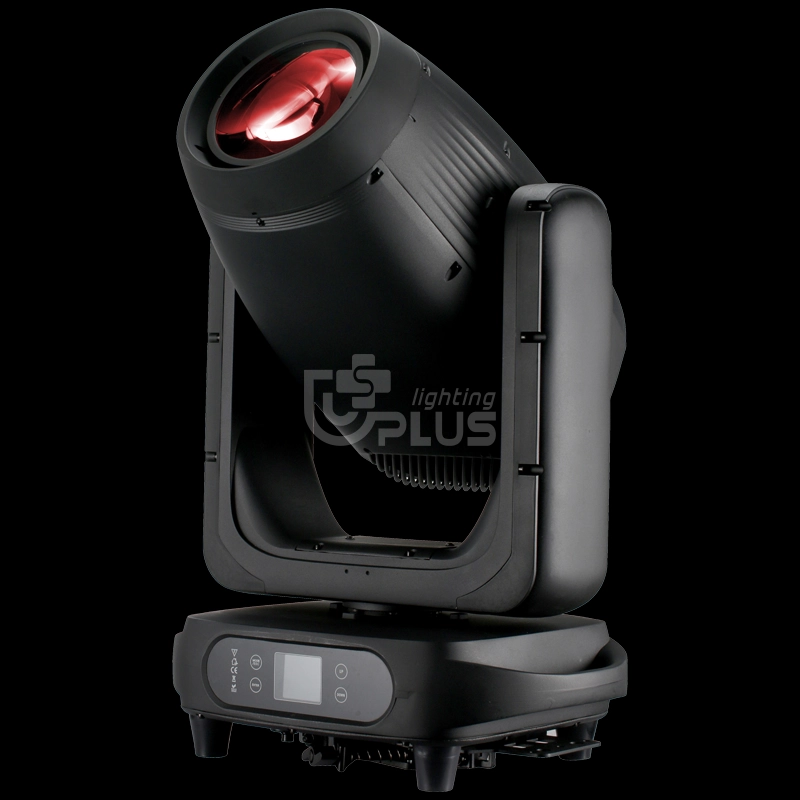
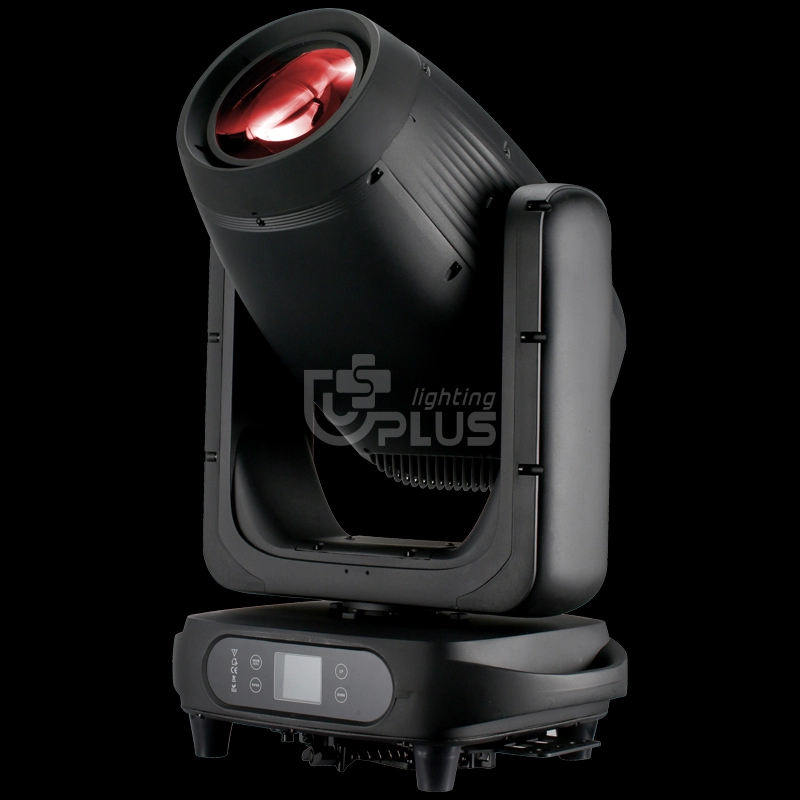
1000W LED Profile 4-in-1 Moving Head — Uplus Lighting
Comparing Brands: Best Value Profile Stage Lights for Venues
How to Size Beam Angle and Lux for Moving Head Stage Lights
LED Moving Beam Light vs LED Moving Head: Key Differences

1000W Waterproof BSWF 4-in-1 Moving Head combines beam, spot, wash, and frame effects in one. IP-rated waterproof design, high-brightness output, precise control, ideal for outdoor & indoor stage events.
If you have any comments or good suggestions, please leave us a message, later our professional staff will contact you as soon as possible.
Lighting Innovators
Uplus Lighting is a leading integrated company specializing in R&D, design, production, and sales of stage lighting solutions.
 Scan QR Code
Facebook
Instagram
YouTube
VK