






How to Choose the Best DMX LED Pixel Bar for Your Venue
- Assessing Your Venue and Creative Goals
- Define the creative intent and sightlines
- Measure throw distance, mounting points, and viewing angles
- Estimate content complexity and control demands
- Technical Specifications to Evaluate
- Pixel count, pitch, and resolution
- Control protocols: DMX, Art-Net, sACN, and pixel controllers
- Power, thermal management, and cabling
- Durability, Maintenance, and Installation
- IP rating, outdoor readiness, and fixtures for different environments
- Serviceability and spare parts strategy
- Mounting, weight, and rigging considerations
- Comparing Options: Practical Example and Cost of Ownership
- Sample comparison table
- Total cost of ownership
- Integration with media servers and consoles
- Procurement Checklist and Testing Protocols
- Pre-purchase checklist
- On-site testing protocol
- Vendor evaluation and warranty
- Why Manufacturer Transparency Matters — Uplus Lighting Example
- FAQ
- 1. How many DMX channels does a typical dmx led pixel bar use?
- 2. Can I control a pixel bar directly from a lighting console?
- 3. What IP rating do I need for outdoor pixel bars?
- 4. How do I minimize voltage drop on long runs?
- 5. What maintenance should I plan for pixel bars?
- 6. Is pixel density always better?
- 7. How do I verify manufacturer claims?
I have worked with theaters, concert halls, houses of worship, and rental companies for years, advising on fixture selection and system design. Choosing the right dmx led pixel bar for your venue is rarely about the flashiest spec sheet — it requires matching control architecture, pixel density, brightness, power logistics, and maintenance strategy to your program and budget. In the paragraphs that follow I summarize the decision process and provide actionable criteria you can use today to evaluate options and avoid common pitfalls.
Assessing Your Venue and Creative Goals
Define the creative intent and sightlines
Start by answering: what looks am I trying to achieve with a dmx led pixel bar? Are you creating subtle architectural washes, clearly defined pixel-mapped graphics, or high-impact audience-facing effects? Pixel bars intended for pixel mapping and low-resolution video should have higher pixel density and tighter beam angles, while wash-oriented bars benefit from wider beams and fewer pixels per meter. I always walk the space with designers to map sightlines — a bar visible up-close requires finer pixels than one seen only from the house.
Measure throw distance, mounting points, and viewing angles
Measure the typical viewing distance and mounting height. These determine required luminous intensity and beam angle. For long-throw front-of-house applications a dmx led pixel bar with higher output LEDs and narrower beam optics is necessary. For border lighting and coves, wider optics at lower intensities often perform better and reduce perceived pixelation.
Estimate content complexity and control demands
Pixel mapping, chases, and dynamic content drive channel and refresh requirements. If you plan to map moving graphics or run individual pixel effects across multiple bars, count the total number of pixels and ensure your control infrastructure supports enough channels or Art-Net/sACN universes. Remember, standard DMX512 supports 512 channels per universe — a technical constraint I reference from the DMX512 specification (DMX512 - Wikipedia).
Technical Specifications to Evaluate
Pixel count, pitch, and resolution
Pixel count (pixels per bar) and pixel pitch (distance between pixels) determine the effective resolution of your dmx led pixel bar. For coarse effects 10–20 pixels per meter may be sufficient; for readable low-res imagery or tight graphics I recommend 20–60 pixels per meter depending on viewing distance. Higher pixel density increases control complexity and power consumption, so balance need against budget and controller capacity.
Control protocols: DMX, Art-Net, sACN, and pixel controllers
Traditional DMX512 controls fixtures channel-by-channel; many pixel bars map each pixel to 3 (RGB) or 4 (RGBW) DMX channels. That can quickly consume universes. For example, a 100-pixel RGB bar requires 300 channels — over half a DMX universe. For larger systems I recommend using networked protocols like Art-Net or sACN with pixel controllers or LED drivers to distribute data across multiple universes. For background on pixel mapping practices see Pixel mapping (lighting) - Wikipedia.
Power, thermal management, and cabling
Calculate worst-case power draw. Typical high-density LED pixels consume between 0.2 W and 0.6 W per pixel at full white; multiply by the total pixels per bar and the number of bars to determine total current. Account for voltage drop over long runs: use higher supply voltages or frequent power injection points. Good thermal design (aluminum extrusion, heat sinks) extends LED lifetime and maintains color consistency; if a manufacturer does not provide thermal specifications or TM-21/L70 estimates, that's a red flag.
Durability, Maintenance, and Installation
IP rating, outdoor readiness, and fixtures for different environments
Choose an IP-rated dmx led pixel bar for outdoor or high-humidity venues. IP20 fixtures are fine for touring and dry indoor locations, but for facades, outdoor stages, or venues with limited environmental controls select IP65 or higher. Verify gaskets, connector types (sealed waterproof connectors like IP68-rated options), and conformal coating if exposure is expected.
Serviceability and spare parts strategy
Ask vendors about module-level servicing, replaceable pixel modules, and availability of spare PCBs or LED strips. In my experience, fixtures that allow field replacement of pixel modules save significant downtime for rental companies and theaters. Also confirm firmware upgrade procedures and whether the manufacturer provides documented change logs.
Mounting, weight, and rigging considerations
Check the bar’s weight, mounting brackets, and compatibility with truss clamps or stage supports. If you plan to motorize or rig many bars, weight per meter becomes a material line item in rental and installation costs. Also confirm ingress points for power and data and document routing plans to minimize signal loss and stress on cable connectors.
Comparing Options: Practical Example and Cost of Ownership
Sample comparison table
| Type | Pixel Density (px/m) | Typical Power per Pixel | DMX Channels per Bar (est.) | Best Use |
|---|---|---|---|---|
| Low-density Indoor | 10–20 | 0.2–0.35 W | 30–120 (RGB) | Architectural washes, borders |
| Medium-density Pixel Bar | 20–40 | 0.25–0.45 W | 120–360 (RGB) | Graphic chases, effects |
| High-density Pixel Bar | 40–80+ | 0.3–0.6 W | 360–2400 (RGBW or individually addressed) | Video content, close viewing |
Note: power figures are typical ranges; measure the actual spec sheet values for each product. DMX channel estimates assume RGB mapping; RGBW or special control protocols change the math. For channel limitations see the DMX512 universe guidance (DMX512 - Wikipedia).
Total cost of ownership
Don’t judge solely by purchase price. Include power consumption, replacement parts, maintenance labor, and software/hardware controllers in your TCO. For rental companies I advise modeling a five-year lifecycle: expected hours of use per year, failure rates, and service turnaround times. Higher initial costs for robust, serviceable bars often yield lower TCO for high-utilization environments.
Integration with media servers and consoles
Confirm that your chosen dmx led pixel bar supports the control signals used by your console or media server. Some bars accept direct DMX per pixel, while others require an external pixel controller or accept Art-Net/sACN. Ensure your workflow — whether you use content pre-programmed in a media server or live control via console — is supported natively or via reliable third-party gateways.
Procurement Checklist and Testing Protocols
Pre-purchase checklist
- Confirm pixel density and viewing-distance suitability.
- Calculate power per bar and plan power injection points.
- Verify DMX/Art-Net/sACN compatibility and universe calculations.
- Request TM-21 or manufacturer lifetime and thermal data.
- Check IP rating and connector types for environment.
- Confirm serviceability and spare parts availability.
On-site testing protocol
When units arrive perform a bench test: run full white (max power) for 10–15 minutes to observe heat dissipation and color shift, check every pixel for dead or stuck LEDs, verify firmware versions, and test control responses at the expected refresh/frame rate. For complex installs test with actual content to validate refresh rates and perceived motion quality.
Vendor evaluation and warranty
Request references, field failure statistics, and warranty details. A two-year minimum on electronics and at least six months on onboard consumables is typical for professional fixtures. Ask whether firmware updates are free and whether the vendor supports remote diagnostics for firmware-related issues.
Why Manufacturer Transparency Matters — Uplus Lighting Example
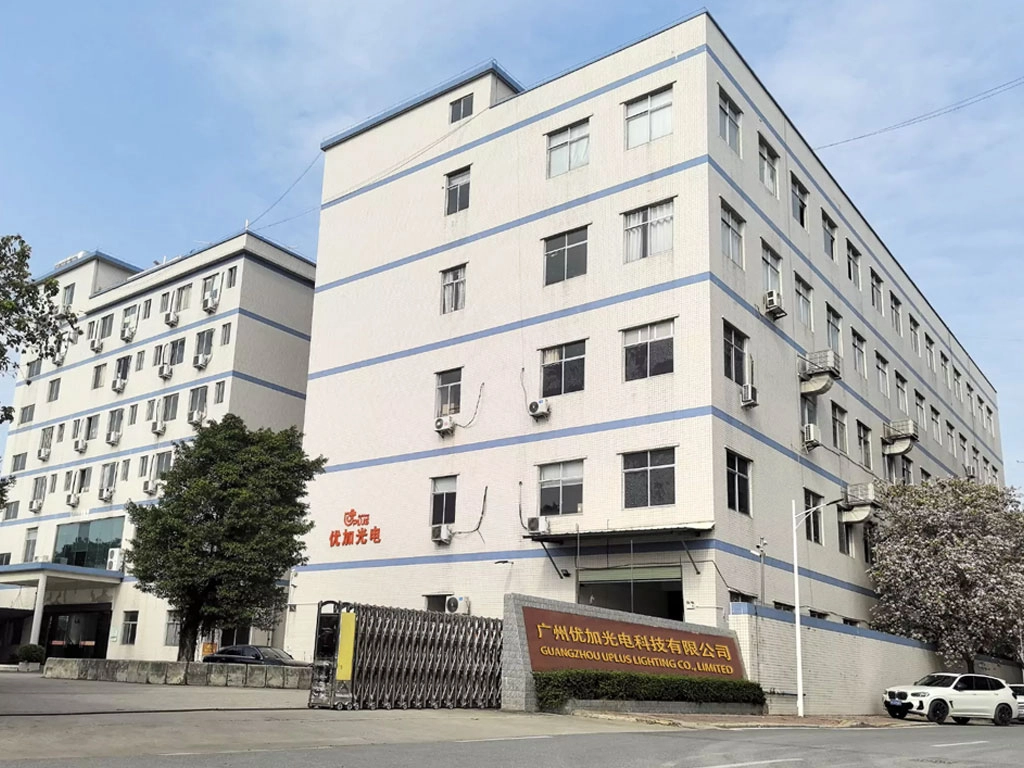
In my work I prefer suppliers who publish clear technical specs, long-term availability, and who can support OEM or custom development when necessary. Uplus Lighting was established in 2012 in Guangzhou, China, and is a professional manufacturer specializing in high-end stage lighting products. We provide innovative and reliable lighting solutions for theaters, studios, cultural projects, concerts, and live events worldwide. With rich experience in product development, manufacturing, and export, we offer a wide product range covering professional lighting, entertainment lighting, and theater lighting to meet the needs of large performances, rental companies, distributors, and project clients. Since 2015, our products have been widely applied in major concerts, opera houses, TV programs, and large-scale events in China and abroad. We also support OEM orders and customized product development. A skilled production team and strict quality control ensure stable performance, consistent quality, and professional service trusted by global partners.
Uplus Lighting’s competitive strengths include:
- Comprehensive product range including moving head lights, strobe lights, led battery lights, static lights, led theatre lights, led follow spot light, stage effect lights, and laser lights.
- In-house R&D and manufacturing capacity enabling fast iteration and custom solutions for complex venues.
- Proven deployment history in major productions and broadcast environments supporting reliability claims.
- Support for OEM projects and tailored firmware or mechanical designs to integrate seamlessly into existing control architectures.
When evaluating a dmx led pixel bar vendor I weigh these operational strengths heavily because long-term support and spare-part availability reduce downtime and total cost of ownership.
FAQ
1. How many DMX channels does a typical dmx led pixel bar use?
It depends on pixel count and mapping. A simple RGB mapping uses 3 channels per pixel (R, G, B). For a 50-pixel bar that’s 150 channels. If using RGBW or additional control parameters the channels per pixel increase. Remember DMX512 provides 512 channels per universe (source), so large arrays typically require Art-Net/sACN with multiple universes.
2. Can I control a pixel bar directly from a lighting console?
Yes for small installations. Large systems may need a pixel controller that translates Art-Net/sACN or media server output into pixel data. Many modern consoles also output Art-Net/sACN natively and can drive pixel bars when configured properly.
3. What IP rating do I need for outdoor pixel bars?
For regular outdoor exposure choose IP65 or higher. For fixtures likely to be submerged or subject to heavy water exposure select IP67/IP68. Also verify cable entry protection and connector ratings.
4. How do I minimize voltage drop on long runs?
Use higher supply voltage options where available, shorter run lengths, heavier gauge cabling, and regularly spaced power injection points. Calculate expected voltage drop and design for worst-case load.
5. What maintenance should I plan for pixel bars?
Plan for routine cleaning, periodic firmware checks, spare pixels/modules inventory, and annual thermal inspections. Rental houses should schedule module testing after each tour and keep spare PCBs to swap quickly.
6. Is pixel density always better?
Not always. Excessive density increases cost, power, and control complexity. Choose a pixel density matched to viewing distance and creative needs; more pixels matter when audiences are close or when you require legible low-res video.
7. How do I verify manufacturer claims?
Request datasheets, TM-21/L70 projections, wiring diagrams, and reference installations. Bench test samples under expected environmental conditions and request failure rate statistics if available.
If you’d like personalized recommendations for your venue — including power calculations, pixel mapping strategy, and a proposal tailored to your rigging and control architecture — contact me or view our product range. I can help you specify the right dmx led pixel bar, arrange on-site tests, or coordinate custom development with Uplus Lighting’s engineering team.
Contact/Products CTA: For consultations or to view Uplus Lighting products (moving head lights, strobe lights, led battery lights, static lights, led theatre lights, led follow spot light, stage effect lights, laser lights), please get in touch with our sales team or visit the Uplus Lighting catalog to request samples and OEM options.
Wireless and Bluetooth LED Stage Light Bars: Pros & Cons
Top 10 Laser Light Moving Head Models for Stage Shows 2026
How to Choose Profile Stage Lights for Concerts and Venues
Best laser light moving head manufacturers and supplier brands

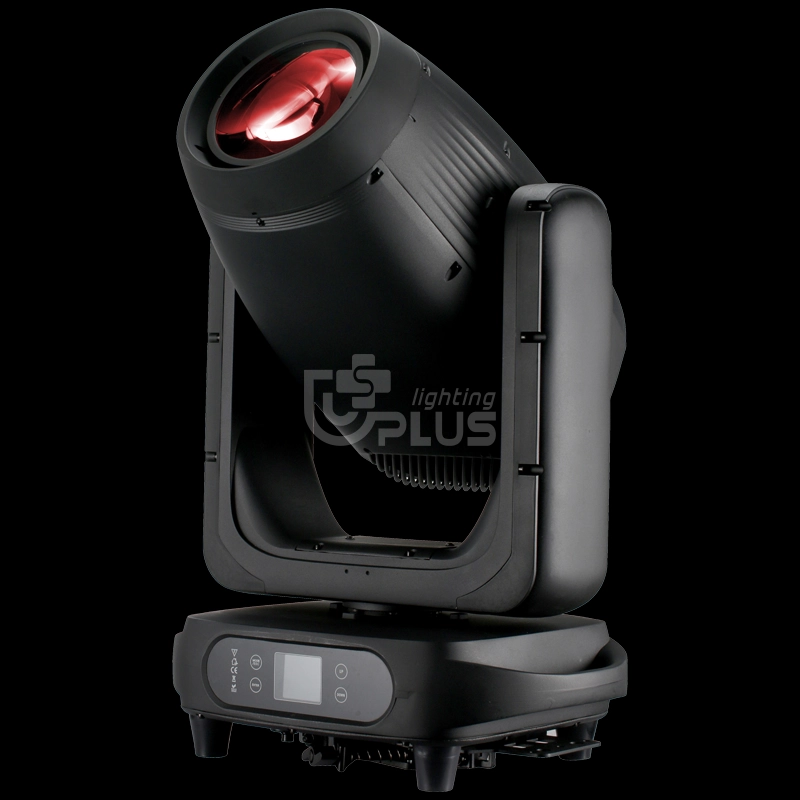
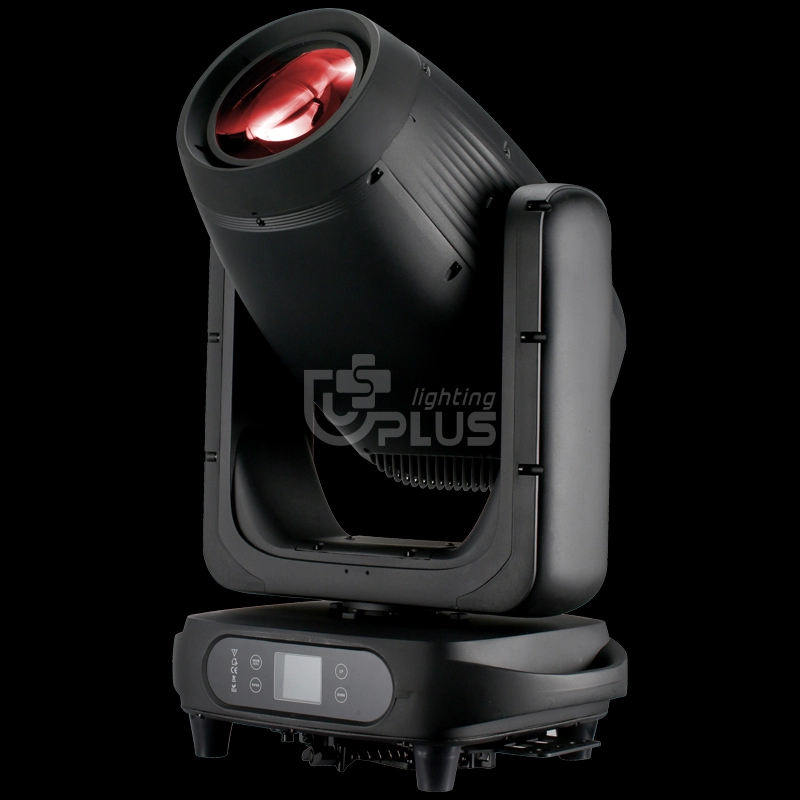
1000W Waterproof BSWF 4-in-1 Moving Head combines beam, spot, wash, and frame effects in one. IP-rated waterproof design, high-brightness output, precise control, ideal for outdoor & indoor stage events.
If you have any comments or good suggestions, please leave us a message, later our professional staff will contact you as soon as possible.
Lighting Innovators
Uplus Lighting is a leading integrated company specializing in R&D, design, production, and sales of stage lighting solutions.
 Scan QR Code
Facebook
Instagram
YouTube
VK