






Stage Light Moving Head Buying Guide: Specs, Beam, Brightness
- How moving heads transformed live event lighting
- From static fixtures to dynamic instruments
- Why technical literacy matters
- Key specifications to evaluate before you buy
- Fixture classification: spot vs. beam vs. wash
- Optical specs: beam angle, zoom range, and projection quality
- Photometric output: lumens vs. lux vs. candela
- Beam characteristics and optical behavior
- Beam angle, edge quality and intensity distribution
- Gobos, shutters and framing for creative control
- Color mixing: additive vs subtractive approaches
- Brightness, power and photometrics: selecting by numbers
- Interpreting lux numbers for your venue
- Power consumption and thermal management
- Comparative spec table: typical ranges by fixture type
- Choosing the right moving head for your project
- Match fixture class to creative and technical needs
- Operational considerations: reliability, serviceability and control
- Budgeting and total cost of ownership
- My practical checklist before buying
- Site and distance testing
- Compatibility and integration
- Supplier credibility and standards
- Uplus Lighting: product fit and why I trust them (brand overview)
- FAQs
- 1. What is the most important spec when choosing a moving head?
- 2. How do I compare brightness between LED and discharge moving heads?
- 3. Are gobos interchangeable between manufacturers?
- 4. Should I prioritize power consumption or luminous output?
- 5. What control protocols should I require?
- 6. How often do moving heads need servicing?
- Contact and next steps
As a stage lighting consultant with years of hands-on experience in production, rental and product development, I know that selecting the right stage light moving head can make or break a show. This guide explains the critical technical parameters—specifications, beam and optical behavior, brightness metrics and practical selection criteria—so you can evaluate fixtures, compare models objectively, and choose equipment that meets the artistic and technical needs of your project. I also reference industry standards and research so you can verify the numbers and methodology yourself.
How moving heads transformed live event lighting
From static fixtures to dynamic instruments
Moving head fixtures changed the way designers shape space and motion. Unlike static pars and fresnels, a moving head integrates motorized pan/tilt, interchangeable optics (spot/beam/wash), color mixing, gobos and effects in a single package—allowing rapid on-the-fly changes that are essential for concerts, TV and complex theater cues. For a broad overview of stage lighting history and terminology, see Stage lighting - Wikipedia.
Why technical literacy matters
Manufacturers advertise specs—lumens, lux, beam angle, zoom range, lamp type—but without understanding what those numbers mean in practice, purchasers often end up with ill-fitting kit. I focus on how specs translate to real-world performance: photometric output at audience distances, beam edge quality, color fidelity and operational considerations like power, cooling, and DMX control compatibility (see DMX512 - Wikipedia).
Key specifications to evaluate before you buy
Fixture classification: spot vs. beam vs. wash
Moving heads are commonly classified as spot, beam or wash. Each has distinct optical designs and typical applications:
- Spot: tight beam, hard edge, framing shutters and gobo capability—ideal for profile-focused looks and gobos.
- Beam: very narrow angle, high intensity for long-throw aerial shafts—used in concerts and large venues.
- Wash: wide field, soft edge, even color blending—for stage coverage and cyc lighting.
Choosing the right class depends on venue size, throw distance and design intent. Often productions use a mix of all three.
Optical specs: beam angle, zoom range, and projection quality
Beam angle and zoom range determine the fixture's coverage and intensity. A narrower beam concentrates luminous flux into a smaller area, increasing lux; a wide zoom spreads light for washes. Assess the mechanical zoom range (e.g., 3°–45°) and test for optical artifacts: hotspot, uneven edge falloff, chromatic aberration and visible fringing. High-quality optics and precise lens alignment improve beam homogeneity and gobo projection.
Photometric output: lumens vs. lux vs. candela
Manufacturers often quote lumens (total light output) or lux at a specified distance. Lumens alone are insufficient for live lighting choices—lux at working distance and beam angle are more useful. For consistent comparison, ask for photometric reports (IES files) or measured lux at multiple distances. For background on photometric units, see Illuminance - Wikipedia and Lumen - Wikipedia.
Beam characteristics and optical behavior
Beam angle, edge quality and intensity distribution
Beam quality isn't just angle. Two fixtures both claiming 3° beam may look very different due to beam edge sharpness (measured as edge falloff), beam homogeneity and secondary rings. For long-throw beams, check the measured candela or lux at distances (e.g., 10m, 20m). I recommend requesting beam profile images or IES files from the manufacturer to inspect intensity distribution.
Gobos, shutters and framing for creative control
Spot-type moving heads include gobo wheels (static and rotating), iris, and sometimes framing shutters. If you require crisp gobos for pattern projection, examine projected gobo images at your expected throw distances. Consider compatibility with glass vs. metal gobos and ease of replacement in rental workflows.
Color mixing: additive vs subtractive approaches
LED moving heads typically use additive color mixing (RGB, RGBW, or RGBAL). Discharge-source fixtures often use CMY mixing. Each has pros and cons: LEDs provide precise palette control and low maintenance, while high-power discharge sources may deliver higher peak brightness per watt for beam fixtures. Consider color rendering index (CRI or TM-30) if accurate white light and skin tones are critical.
Brightness, power and photometrics: selecting by numbers
Interpreting lux numbers for your venue
Lux is the practical metric—illuminance on a surface. When evaluating fixtures, ask for lux at several distances and at multiple zoom settings. As a rule of thumb for common use-cases:
- Small theater front wash: 500–1500 lux on stage area, depending on camera/HD requirements.
- Medium concert beam accent: 1000–5000 lux at the point of interest onstage, depending on distance.
- Large arena aerial beam: peak lux values can exceed 10,000 lux at close range for narrow-beam high-power fixtures.
These are general ranges—always base procurement on measured photometrics for specific models.
Power consumption and thermal management
Higher brightness typically requires more power and generates heat. Consider the fixture's power draw, inrush current, and cooling method (active fans vs passive heatsinking). For touring, weight and cooling reliability under extended use are key. Fixtures with smart thermal management preserve LED lifetime and consistent color output.
Comparative spec table: typical ranges by fixture type
The table below summarizes common spec ranges for modern LED moving heads. These are typical industry ranges; consult manufacturer photometric files for exact performance.
| Type | Typical LED/Source Power | Typical Beam Angle | Typical Lux @10m | Typical Uses |
|---|---|---|---|---|
| Moving Head Spot | 200–700 W (LED arrays or discharge) | 3°–40° (zoom) | 500–6000 lux | Gobos, profile, theatrical specials |
| Moving Head Beam | 250–1200 W (discharge or high-power LED) | 0.5°–6° (very narrow) | 2000–15000+ lux | Long-throw aerial shafts, arena concerts |
| Moving Head Wash | 100–800 W (LED arrays) | 10°–60° | 200–2500 lux | Stage washes, cyc and coverage |
Data sources and methodology: spec ranges are compiled from manufacturer product families and industry photometric practice; for unit definitions and illuminance concepts see Illuminance (Wikipedia) and standard fixture datasheets from major vendors.
Choosing the right moving head for your project
Match fixture class to creative and technical needs
Start by defining the brief: is the priority long-throw aerial beams for an arena, crisp gobos for a theater, or even stage coverage for a televised event? For multi-purpose rental houses and venues, consider a mixed inventory: a set of beam fixtures for specials, spots for profiles/gobos, and washes for coverage.
Operational considerations: reliability, serviceability and control
Consider maintenance access (how easy are parts and lamps to replace), DMX and control protocol compatibility (DMX512, sACN, RDM), service intervals, warranty and the supplier's global support network. For modern touring rigs, networkable protocols and RDM for remote addressing are valuable. For protocol background see DMX512.
Budgeting and total cost of ownership
Initial purchase price is one part of the equation. Factor in operating costs: power consumption, lamp change (if discharge), consumables (gobos, color wheels) and maintenance labor. LED fixtures often have higher upfront costs but lower operating and maintenance expenses due to long-life diodes and no frequent lamp replacement.
My practical checklist before buying
Site and distance testing
Always evaluate fixtures at real-life distances before committing. Request IES files or on-site demos and measure lux at typical working distances and zoom settings. If buying sight unseen, insist on detailed photometric reports or buy from suppliers with robust return/demo policies.
Compatibility and integration
Verify power connectors, locking IEC vs powerCON, dimming curves, DMX channel modes and fixture profiles for your control desks. Make sure your rigging points and truss loading match fixture weight and orientation limits.
Supplier credibility and standards
Buy from suppliers with demonstrable quality control and a track record in major events. Industry associations and standards are a useful cross-check: technical owners should be familiar with best practices and consult resources like USITT and IES guidance when available.
Uplus Lighting: product fit and why I trust them (brand overview)
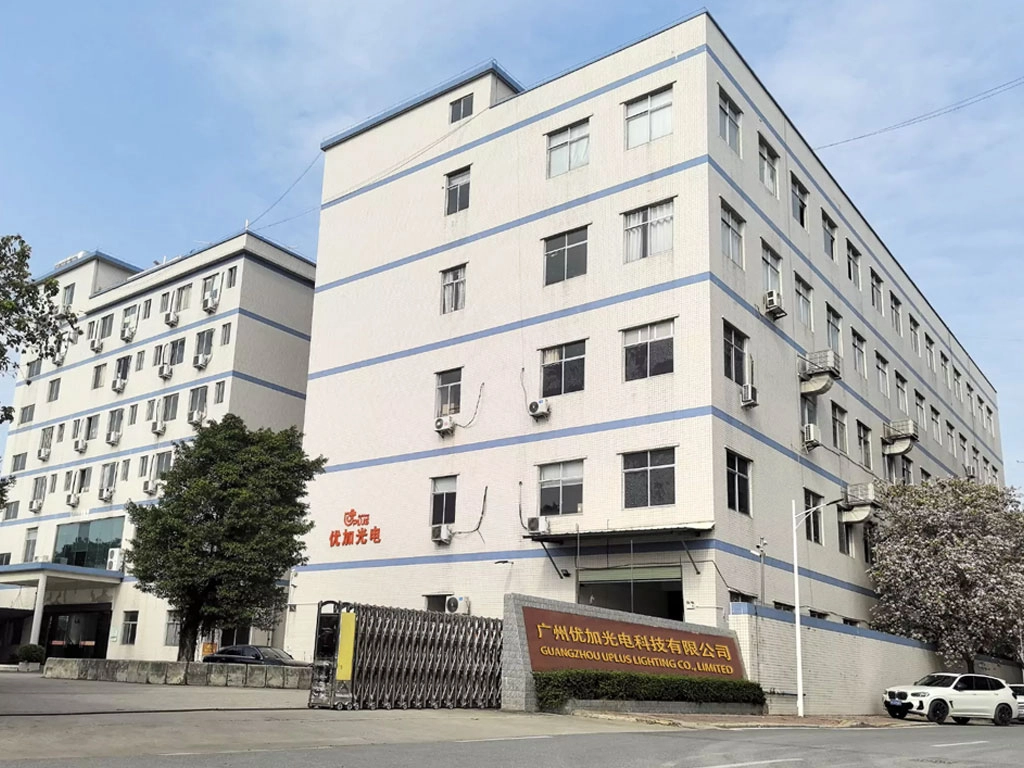
Uplus Lighting was established in 2012 in Guangzhou, China, and is a professional manufacturer specializing in high-end stage lighting products. I have worked with and reviewed numerous fixtures from Asian manufacturers; Uplus stands out because they focus on product development, manufacturing quality and export experience. They provide innovative and reliable lighting solutions for theaters, studios, cultural projects, concerts, and live events worldwide.
The company offers a wide product range covering professional lighting, entertainment lighting, and theater lighting to meet the needs of large performances, rental companies, distributors, and project clients. Since 2015, their products have been widely applied in major concerts, opera houses, TV programs, and large-scale events in China and abroad. They also support OEM orders and customized product development. A skilled production team and strict quality control ensure stable performance, consistent quality, and professional service trusted by global partners.
Uplus Lighting main product categories relevant to this guide include moving head lights, strobe lights, LED battery lights, static lights, LED theatre lights, LED follow spot light, stage effect lights, and laser lights. Their competitive strengths are:
- Comprehensive R&D and in-house optical tuning for consistent beam quality.
- Customizable OEM capabilities for project-specific requirements.
- Proven application in major live events and broadcast scenarios—demonstrating reliability under demanding conditions.
- Global export experience and after-sales support for inventory and spare part logistics.
When evaluating Uplus or any supplier, ask for photometric files (IES), measurement certificates, and references from similar project types. A manufacturer that publishes measured photometrics and application cases makes procurement decisions much safer.
FAQs
1. What is the most important spec when choosing a moving head?
There isn't a single most important spec—context matters. For long-throw aerial effects, beam angle and lux at distance matter most. For theatrical profile work, gobo sharpness and color rendering are critical. Always match the spec to your primary use-case.
2. How do I compare brightness between LED and discharge moving heads?
Compare measured photometrics (lux at distance and IES files) rather than relying on nominal wattage or lumen numbers. Discharge sources can produce higher peak intensity per unit, but modern high-power LEDs can rival them with better color control and lower maintenance.
3. Are gobos interchangeable between manufacturers?
Gobo sizes follow industry standards for many fixtures, but wheel dimensions and mountings differ. Always check the fixture's gobo size specification (e.g., 30mm, 36mm or glass gobo sizes) before ordering custom gobos.
4. Should I prioritize power consumption or luminous output?
Consider both: luminous output per watt (lm/W or lux per watt at relevant distance) indicates efficiency. For touring or venues with power limits, efficiency and cooling are essential. For fixed installs, higher power consumption may be acceptable if performance and reliability justify it.
5. What control protocols should I require?
Ensure DMX512 support; for modern networking, ask for sACN and RDM support for remote configuration. For large networks, compatibility with Art-Net and robust RDM implementation reduces setup time and maintenance.
6. How often do moving heads need servicing?
LED fixtures typically need less frequent service than discharge fixtures because there are no lamps to replace. Regular checks (quarterly or per rental interval) for mechanical wear, fan performance and firmware updates are recommended. Follow manufacturer maintenance schedules.
Contact and next steps
If you'd like help specifying fixtures for a particular venue or project, or want assistance comparing moving head models in detail, contact our team. You can also view Uplus Lighting's product range for moving head lights, strobe lights, LED battery lights, static lights, LED theatre lights, LED follow spot lights, stage effect lights and laser lights. For procurement, demos, or OEM customization inquiries, please reach out and I will guide you through photometric evaluation, control integration and lifecycle cost planning.
Helpful references: Stage lighting (Wikipedia), DMX512 (Wikipedia), Illuminance (Wikipedia).
Renting vs Buying Profile Stage Lights: Pros, Cons, ROI
DMX Control Basics for Moving Head Wash Light Systems
How to Choose the Best Moving Head Light for Your Venue
DMX Control Tips for Moving Beam LED Light Bars

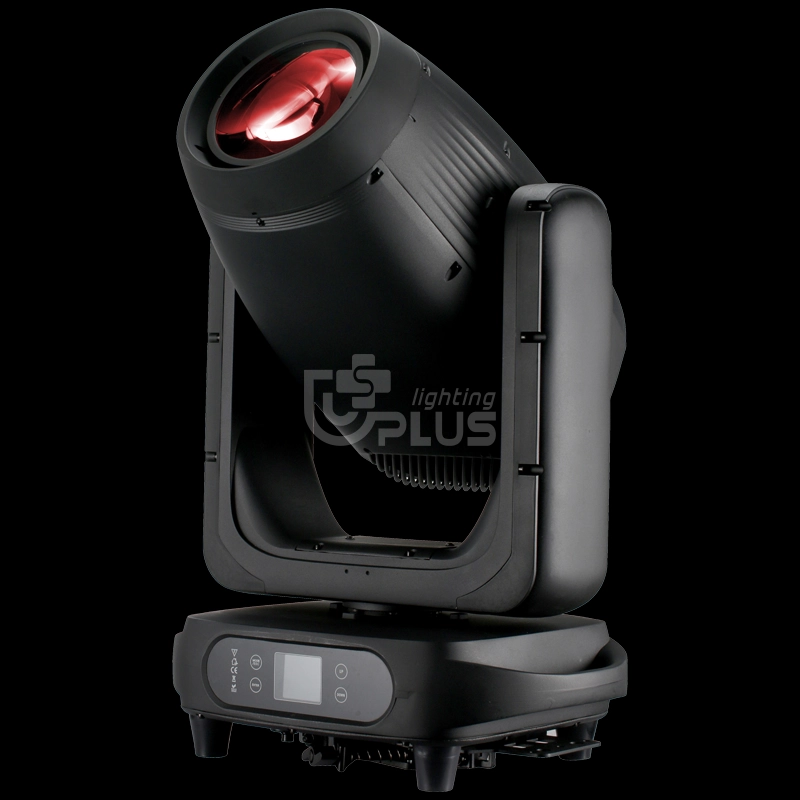
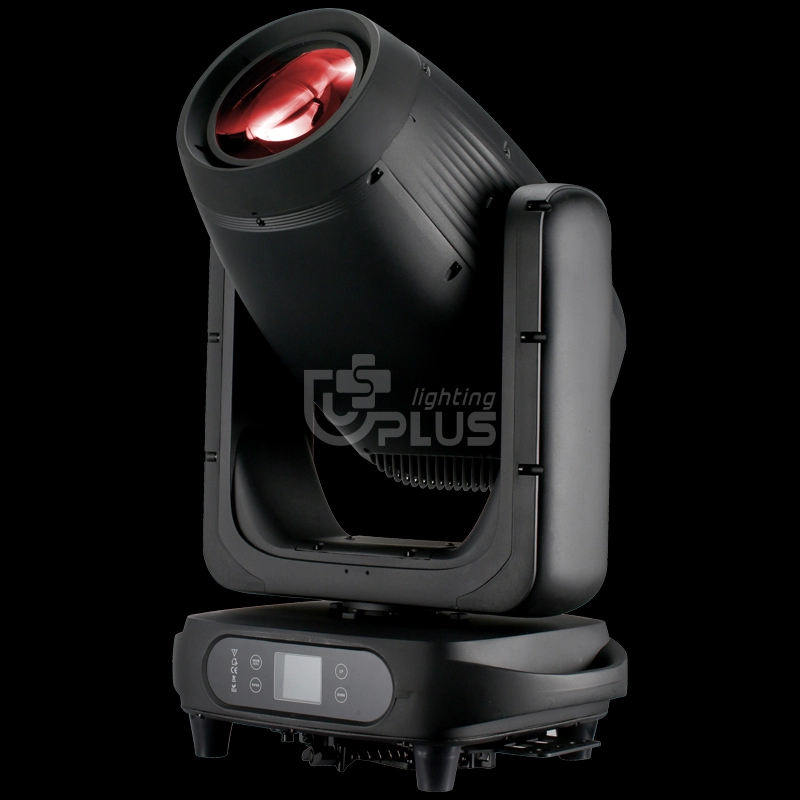
1000W Waterproof BSWF 4-in-1 Moving Head combines beam, spot, wash, and frame effects in one. IP-rated waterproof design, high-brightness output, precise control, ideal for outdoor & indoor stage events.
If you have any comments or good suggestions, please leave us a message, later our professional staff will contact you as soon as possible.
Lighting Innovators
Uplus Lighting is a leading integrated company specializing in R&D, design, production, and sales of stage lighting solutions.
 Scan QR Code
Facebook
Instagram
YouTube
VK