






Are DMX & wireless controls standard in profile stage lights?
When selecting profile stage lights, it's crucial to understand their features and functionalities to ensure they meet your specific needs. Below are six common questions beginners often have, along with detailed answers to guide your decision-making process.
1. What are profile stage lights, and how do they differ from other stage lighting fixtures?
Profile stage lights, also known as ellipsoidal reflector spotlights, are designed to produce a sharp, focused beam of light. They are characterized by their adjustable beam angles and the ability to shape the light using gobos and shutters. Unlike floodlights that provide broad, even coverage, profile lights are ideal for highlighting specific areas or performers on stage. Their versatility makes them a staple in theatrical productions, concerts, and other live events.
2. Are DMX and wireless controls standard in profile stage lights?
Yes, many modern profile stage lights come equipped with DMX (Digital Multiplex) control, allowing for precise management of lighting parameters such as intensity, color, and focus. DMX control enables integration with other lighting fixtures and control systems, facilitating synchronized lighting effects. Additionally, wireless DMX technology has become increasingly common, offering the convenience of controlling lights without the need for physical cables. For instance, the American DJ Hydro Profile LED Wireless DMX Moving Head Light features built-in wireless DMX capabilities, streamlining setup and operation.
3. How do I determine the appropriate wattage for profile stage lights in my venue?
Selecting the right wattage depends on the size of your venue and the desired lighting effects. Higher wattage fixtures provide more intense light output, suitable for larger venues or when a brighter beam is required. However, higher wattage also means increased power consumption and heat output. For smaller venues or applications where energy efficiency is a priority, lower wattage LED profile lights are advisable. LED fixtures not only consume less power but also emit less heat, reducing the need for extensive cooling systems. For example, the Profile Panel RGBA Stage Light offers a 35W power draw, making it suitable for smaller performance stages and permanent installations.
4. What are the benefits of using LED profile stage lights over traditional incandescent models?
LED profile stage lights offer several advantages over traditional incandescent models:
Energy Efficiency: LEDs consume significantly less power, reducing electricity costs and the need for cooling systems.
Longevity: LEDs have a longer operational life, decreasing the frequency of bulb replacements.
Color Range: LEDs can produce a wide spectrum of colors without the need for color gels, offering greater flexibility in lighting design.
Low Heat Emission: LEDs emit less heat, enhancing comfort for performers and reducing the risk of heat-related issues.
These benefits make LED profile stage lights a preferred choice for many lighting professionals.
5. How do I integrate wireless DMX control into my existing stage lighting setup?
Integrating wireless DMX control involves the following steps:
Assess Compatibility: Ensure that your existing lighting fixtures are compatible with wireless DMX receivers.
Select a Wireless DMX Transmitter: Choose a transmitter that suits your control needs and is compatible with your fixtures. For example, the Rockville ROCKFORCE W4 Wireless DMX Lighting Controller offers built-in wireless DMX transmission and is compatible with various lighting brands.
Install Wireless Receivers: Attach wireless DMX receivers to your lighting fixtures, following the manufacturer's instructions.
Configure Settings: Set the appropriate DMX addresses and groupings to ensure seamless communication between the transmitter and receivers.
Test the System: Conduct thorough testing to confirm that all fixtures respond correctly to the wireless DMX signals.
By following these steps, you can enhance the flexibility and efficiency of your stage lighting setup.
6. What maintenance practices are essential for ensuring the longevity of profile stage lights?
Regular maintenance is crucial for extending the lifespan and optimal performance of profile stage lights:
Cleaning: Periodically clean lenses, filters, and internal components to prevent dust buildup, which can affect light quality and cause overheating.
Inspection: Regularly check for signs of wear or damage, such as frayed cables or loose connections, and address issues promptly.
Firmware Updates: Keep the lighting fixtures' firmware up to date to ensure compatibility with control systems and to access new features.
Storage: When not in use, store fixtures in a dry, cool environment to protect them from environmental factors that could cause deterioration.
Implementing these maintenance practices will help maintain the reliability and performance of your profile stage lights over time.
Understanding these aspects of profile stage lights will empower you to make informed decisions, ensuring your lighting setup meets your venue's specific requirements and enhances the overall performance experience.
For personalized advice and a quote tailored to your needs, please contact us at albee@upluslighting.com or visit our website at www.upluslighting.com.


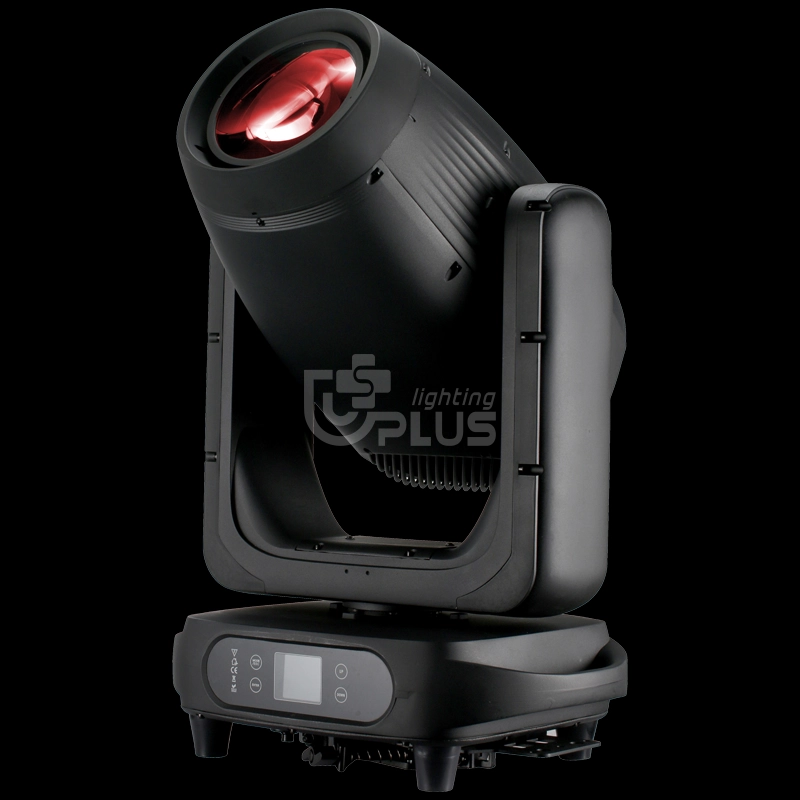
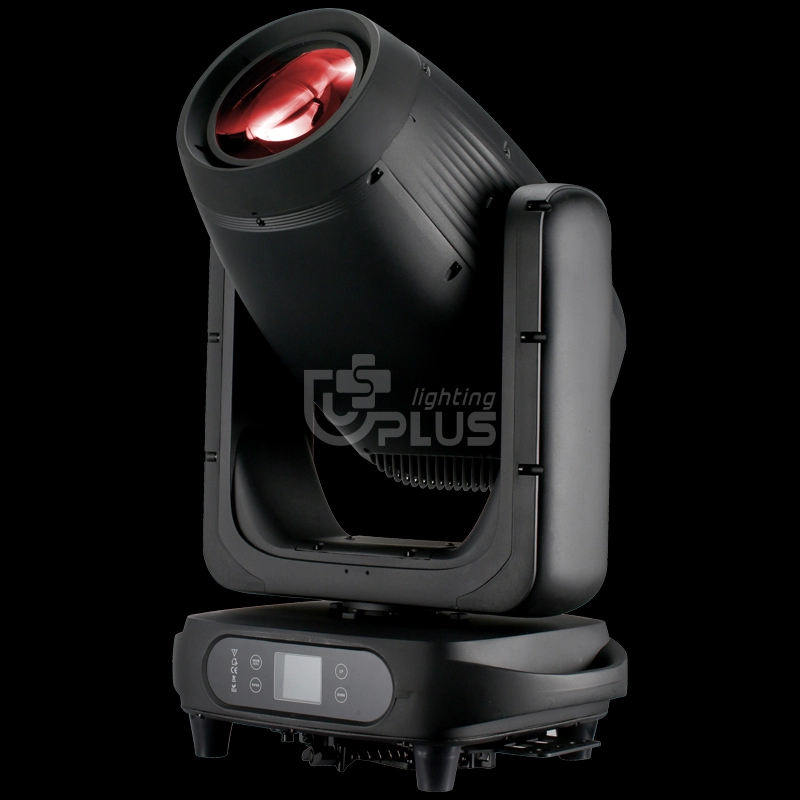
1000W Waterproof BSWF 4-in-1 Moving Head combines beam, spot, wash, and frame effects in one. IP-rated waterproof design, high-brightness output, precise control, ideal for outdoor & indoor stage events.
Stay updated on our latest news
If you have any comments or good suggestions, please leave us a message, later our professional staff will contact you as soon as possible.
Lighting Innovators
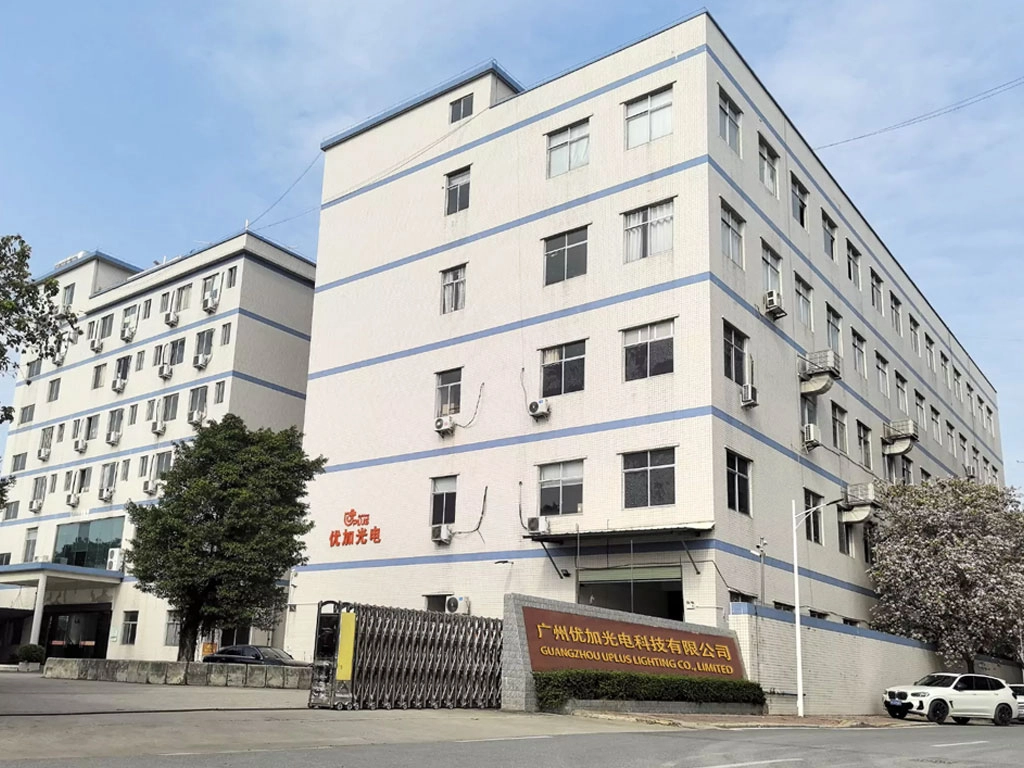
Uplus Lighting is a leading integrated company specializing in R&D, design, production, and sales of stage lighting solutions.
 Scan QR Code
Facebook
Instagram
YouTube
VK