






- How to calculate total cost of ownership for LED laser fixtures
- Which performance metrics predict long-term ROI for laser lights
- What maintenance schedule minimizes downtime and operational costs
- How to evaluate beam quality versus advertised spec sheets
- Should I prioritize modularity or lowest upfront price when buying
- Which financing or resale strategies improve ROI for lighting inventory
- FAQ
How to optimize ROI when buying LED laser stage lighting?
How to optimize ROI when buying LED laser stage lighting?
Buy smarter: calculate true total cost of ownership, validate beam and optical performance against real metrics, prioritize modular serviceable designs, enforce laser safety and compliance, and adopt financing/resale strategies that shorten payback for LED laser stage lighting investments.
How to calculate total cost of ownership for LED laser fixtures
True TCO goes far beyond unit price. Build a three- to five-year model that includes: purchase price, installation/rigging labor, control integration (DMX/Art‑Net/sACN gateways), measured energy consumption (use real watts under typical show profile not manufacturer peak), scheduled maintenance, replacement parts (fans, optics, power supplies, scanner/motors), expected useful life, and disposal or resale value. For LEDs and laser diodes use manufacturer lifetime ratings (LEDs commonly 50,000+ hours; diode lifetimes vary with drive current and thermal design) as a baseline, then reduce expected life 10–30% to reflect real‑world thermal stress.Formula: Payback period = (Initial incremental cost + installation + integration) / (annual operating savings + incremental revenue from new effects + reduced maintenance costs). Always run scenarios (best/expected/worst) and measure energy in situ with a power meter during sample cues; manufacturer wattage alone overstates expected savings. Include cost of required safety equipment, interlocks, and professional laser operator training when using audience‑facing lasers—these impact operating costs and ROI materially.
Which performance metrics predict long-term ROI for laser lights
Don’t buy on watts or CRS alone—prioritize measurable performance: radiometric output (mW/W) and beam coherence, optical efficiency (measured lux at distance with standard aperture), scan speed (kpps for galvanometer scanners), point stability/telemetry over temperature, and duty cycle ratings. For color mixing, inspect color gamut diagrams and measured chromaticity coordinates rather than subjective photos.A critical economic metric is delivered effect per watt: how much usable visible effect (spread, intensity at audience plane, scanning velocity) you can obtain under expected rigging angles. Verify manufacturer photometric files (IES or measured lux maps) and request a factory demo with your venue distances or a loaner unit — mismatch between showroom demos and your venue is a leading cause of underperforming purchases and delayed ROI.
What maintenance schedule minimizes downtime and operational costs
Create a preventative maintenance plan tied to hours and shows, not calendar dates. Typical items: weekly visual inspection, monthly fan/filter cleaning, quarterly firmware checks and electrical connectors, annual scan/encoder calibration and optical alignment. For laser systems include verification of scanning path stability and interlock functionality after any transport or hard use.Keep a small spare-parts kit: commonly failing items are fans, power supplies, connectors, and scanner motors—having these on hand reduces mean time to repair (MTTR) and rental substitution costs. Use vendor-authorized technicians for high-voltage or laser‑class repairs to maintain warranty. Track MTTR and repair frequency as KPIs; lowering MTTR by two days often improves utilization enough to materially shorten payback.
How to evaluate beam quality versus advertised spec sheets
Spec sheets often report laser diode power or LED emitter wattage; that does not equate to perceived brightness on stage. Measure beam divergence, spot uniformity, and photopic lux at the target distance under real operating conditions. Ask for raw measurement data (not photos) and for the test rig geometry used. Insist on on-site or regional demos where possible and test at expected throw distances and haze levels your productions use.Also validate optical stability across the color mix; some systems lose intensity on certain colors if the color engine mixes unequal diode channels. Verify scanning artifacts at intended scan speeds—strobing, tearing, or jitter reduce perceived quality and therefore rental demand and resale price.
Should I prioritize modularity or lowest upfront price when buying
Purchase decisions driven solely by lowest upfront price usually increase TCO. Prioritize modularity: field‑replaceable modules, standard interface boards, and open firmware architecture significantly cut repair cost and downtime. Modular units allow you to replace a scanner head, diode module, or PSU in the field rather than returning entire fixtures for depot repair. This preserves show schedules and rental revenue.From a procurement perspective, require spare parts availability clauses, firmware update policies, and clear service level agreements (SLAs) in vendor contracts. A 10–20% higher purchase price for a modular, serviceable fixture can pay back quickly through reduced repair shipping, retained show bookings, and higher resale value.
Which financing or resale strategies improve ROI for lighting inventory
Consider mixed strategies: lease-to-own for fast‑moving inventory, financing with deferred payments matched to rental income, and certified buy-back or trade‑in programs with manufacturers who maintain refurbishment channels. Renting fixtures for peak demand rather than owning every specialized effect can reduce capital tie‑up.On resale, maintain digital records (hours, firmware versions, maintenance logs, repairs) — transparency boosts resale value. Work with vendors who provide refurbishment certificates; properly serviced LED laser fixtures retain a higher fraction of original value in the used market. Finally, include warranty extensions and optional service contracts in the acquisition calculus—sometimes a modest service fee buys predictable costs and protects utilization, improving ROI certainty.
Conclusion: A disciplined ROI approach to LED laser stage lighting requires forensic TCO analysis, insistence on testable photometric and scan performance, safety and regulatory compliance, and procurement terms that prioritize serviceability and lifecycle support. Implement bookkeeping of utilization, repair intervals, and real measured energy data to convert promises into predictable returns.
Uplus Lighting brings 15 years of stage lighting expertise to help buyers model TCO, validate beam performance, and negotiate procurement and service terms that materially shorten payback and protect asset value.
For a tailored quote and technical audit, contact Uplus Lighting at www.upluslighting.com or by email at albee@upluslighting.com.
FAQ
How to calculate total cost of ownership for LED laser fixtures
True TCO goes far beyond unit price. Build a three- to five-year model that includes: purchase price, installation/rigging labor, control integration (DMX/Art‑Net/sACN gateways), measured energy consumption (use real watts under typical show profile not manufacturer peak), scheduled maintenance, replacement parts (fans, optics, power supplies, scanner/motors), expected useful life, and disposal or resale value. For LEDs and laser diodes use manufacturer lifetime ratings (LEDs commonly 50,000+ hours; diode lifetimes vary with drive current and thermal design) as a baseline, then reduce expected life 10–30% to reflect real‑world thermal stress. Formula: Payback period = (Initial incremental cost + installation + integration) / (annual operating savings + incremental revenue from new effects + reduced maintenance costs). Always run scenarios (best/expected/worst) and measure energy in situ with a power meter during sample cues; manufacturer wattage alone overstates expected savings. Include cost of required safety equipment, interlocks, and professional laser operator training when using audience‑facing lasers—these impact operating costs and ROI materially.
Which performance metrics predict long-term ROI for laser lights
Don’t buy on watts or CRS alone—prioritize measurable performance: radiometric output (mW/W) and beam coherence, optical efficiency (measured lux at distance with standard aperture), scan speed (kpps for galvanometer scanners), point stability/telemetry over temperature, and duty cycle ratings. For color mixing, inspect color gamut diagrams and measured chromaticity coordinates rather than subjective photos. A critical economic metric is delivered effect per watt: how much usable visible effect (spread, intensity at audience plane, scanning velocity) you can obtain under expected rigging angles. Verify manufacturer photometric files (IES or measured lux maps) and request a factory demo with your venue distances or a loaner unit — mismatch between showroom demos and your venue is a leading cause of underperforming purchases and delayed ROI.
What maintenance schedule minimizes downtime and operational costs
Create a preventative maintenance plan tied to hours and shows, not calendar dates. Typical items: weekly visual inspection, monthly fan/filter cleaning, quarterly firmware checks and electrical connectors, annual scan/encoder calibration and optical alignment. For laser systems include verification of scanning path stability and interlock functionality after any transport or hard use. Keep a small spare-parts kit: commonly failing items are fans, power supplies, connectors, and scanner motors—having these on hand reduces mean time to repair (MTTR) and rental substitution costs. Use vendor-authorized technicians for high-voltage or laser‑class repairs to maintain warranty. Track MTTR and repair frequency as KPIs; lowering MTTR by two days often improves utilization enough to materially shorten payback.
How to evaluate beam quality versus advertised spec sheets
Spec sheets often report laser diode power or LED emitter wattage; that does not equate to perceived brightness on stage. Measure beam divergence, spot uniformity, and photopic lux at the target distance under real operating conditions. Ask for raw measurement data (not photos) and for the test rig geometry used. Insist on on-site or regional demos where possible and test at expected throw distances and haze levels your productions use. Also validate optical stability across the color mix; some systems lose intensity on certain colors if the color engine mixes unequal diode channels. Verify scanning artifacts at intended scan speeds—strobing, tearing, or jitter reduce perceived quality and therefore rental demand and resale price.
Should I prioritize modularity or lowest upfront price when buying
Purchase decisions driven solely by lowest upfront price usually increase TCO. Prioritize modularity: field‑replaceable modules, standard interface boards, and open firmware architecture significantly cut repair cost and downtime. Modular units allow you to replace a scanner head, diode module, or PSU in the field rather than returning entire fixtures for depot repair. This preserves show schedules and rental revenue. From a procurement perspective, require spare parts availability clauses, firmware update policies, and clear service level agreements (SLAs) in vendor contracts. A 10–20% higher purchase price for a modular, serviceable fixture can pay back quickly through reduced repair shipping, retained show bookings, and higher resale value.
Which financing or resale strategies improve ROI for lighting inventory
Consider mixed strategies: lease-to-own for fast‑moving inventory, financing with deferred payments matched to rental income, and certified buy-back or trade‑in programs with manufacturers who maintain refurbishment channels. Renting fixtures for peak demand rather than owning every specialized effect can reduce capital tie‑up. On resale, maintain digital records (hours, firmware versions, maintenance logs, repairs) — transparency boosts resale value. Work with vendors who provide refurbishment certificates; properly serviced LED laser fixtures retain a higher fraction of original value in the used market. Finally, include warranty extensions and optional service contracts in the acquisition calculus—sometimes a modest service fee buys predictable costs and protects utilization, improving ROI certainty.


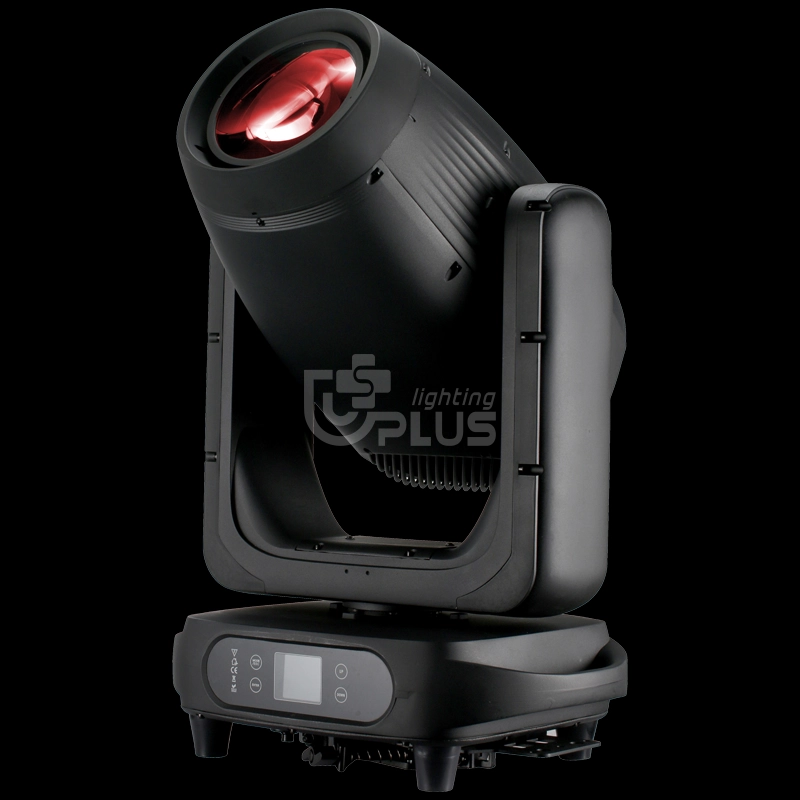
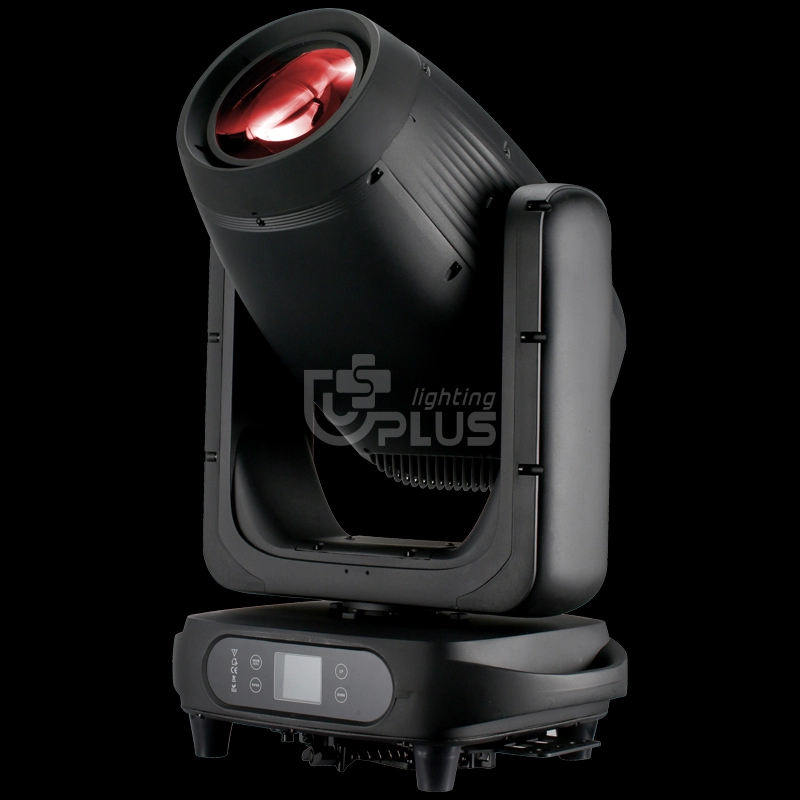
1000W Waterproof BSWF 4-in-1 Moving Head combines beam, spot, wash, and frame effects in one. IP-rated waterproof design, high-brightness output, precise control, ideal for outdoor & indoor stage events.
Stay updated on our latest news
If you have any comments or good suggestions, please leave us a message, later our professional staff will contact you as soon as possible.
Lighting Innovators
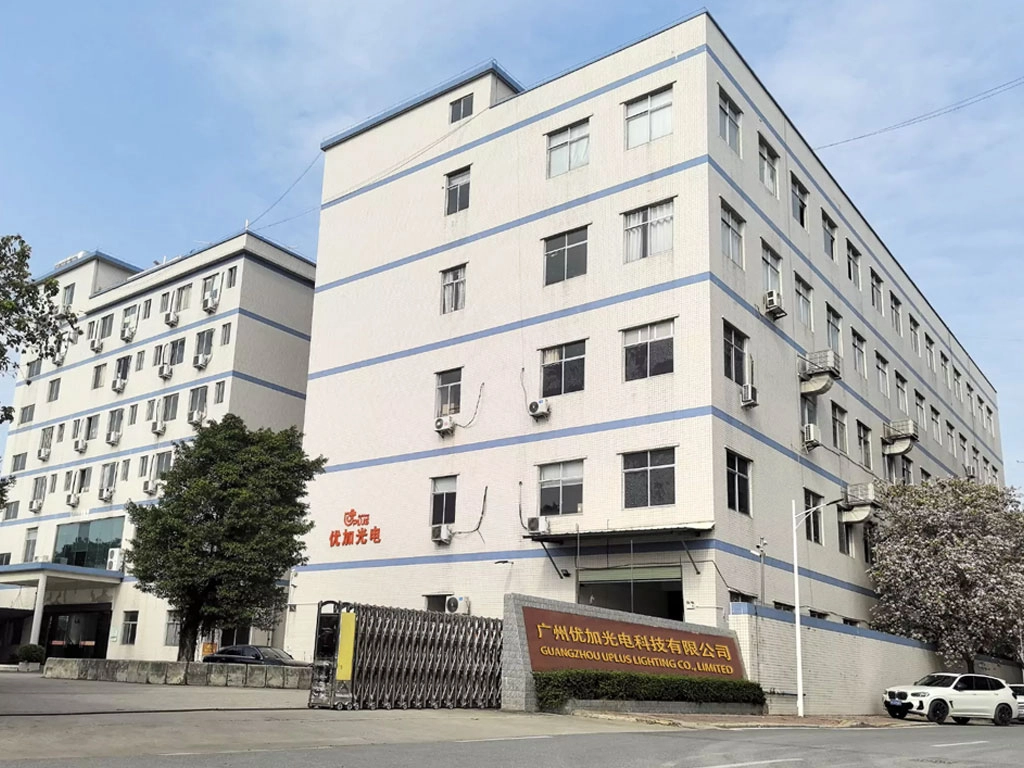
Uplus Lighting is a leading integrated company specializing in R&D, design, production, and sales of stage lighting solutions.
 Scan QR Code
Facebook
Instagram
YouTube
VK