






- 1. What are the primary differences in energy consumption between LED stage light bars and traditional wash lights?
- 2. How do the lifespans of LED stage light bars compare to those of traditional wash lights?
- 3. What are the color mixing capabilities of LED stage light bars compared to traditional wash lights?
- 4. How do the heat emissions of LED stage light bars compare to traditional wash lights?
- 5. What are the initial costs and long-term value considerations when choosing between LED stage light bars and traditional wash lights?
- 6. How do LED stage light bars and traditional wash lights differ in terms of control and customization?
LED Stage Light Bar vs Traditional Wash Lights: Which to Buy?
1. What are the primary differences in energy consumption between LED stage light bars and traditional wash lights?
LED stage light bars are renowned for their energy efficiency. Unlike traditional wash lights that often use incandescent or halogen bulbs, LED bars consume significantly less power while delivering comparable or superior brightness. This efficiency leads to reduced electricity costs and a smaller environmental footprint. For instance, a typical LED wash light may consume around 100 watts, whereas a traditional tungsten wash light can draw up to 700 watts, resulting in substantial long-term savings.
2. How do the lifespans of LED stage light bars compare to those of traditional wash lights?
LED stage light bars generally have a much longer operational life than traditional wash lights. While incandescent or halogen bulbs typically last between 1,000 to 2,000 hours, LED fixtures can operate for 25,000 to 50,000 hours or more. This extended lifespan reduces the frequency of bulb replacements, leading to lower maintenance costs and less downtime during performances.
3. What are the color mixing capabilities of LED stage light bars compared to traditional wash lights?
LED stage light bars offer advanced color mixing capabilities, allowing for dynamic color changes and effects without the need for physical gels or filters. This flexibility enables lighting designers to create a wide range of hues and intensities, enhancing the visual impact of performances. In contrast, traditional wash lights rely on color gels or filters to achieve different colors, which can be less versatile and may degrade over time.
4. How do the heat emissions of LED stage light bars compare to traditional wash lights?
LED stage light bars emit significantly less heat than traditional wash lights. This reduced heat output not only improves safety by lowering the risk of burns but also decreases the cooling load on venues, leading to energy savings. Traditional wash lights, especially those using incandescent or halogen bulbs, produce substantial heat, which can be uncomfortable for performers and may require additional cooling measures.
5. What are the initial costs and long-term value considerations when choosing between LED stage light bars and traditional wash lights?
While LED stage light bars often have a higher initial purchase price compared to traditional wash lights, the long-term value is considerable. The energy savings, reduced maintenance costs, and longer lifespan of LED fixtures typically offset the higher upfront investment. Over a 10-year period, the total cost of ownership for LED fixtures can be significantly lower than that of traditional fixtures, making them a more cost-effective choice in the long run.
6. How do LED stage light bars and traditional wash lights differ in terms of control and customization?
LED stage light bars offer advanced control options, including compatibility with DMX512, Art-Net, and sACN protocols, allowing for precise control over color, intensity, and effects. This level of control enables lighting designers to create complex and dynamic lighting sequences. Traditional wash lights may have limited control options and often require manual adjustments or external controllers, offering less flexibility and precision.
In conclusion, LED stage light bars provide numerous advantages over traditional wash lights, including superior energy efficiency, longer lifespan, enhanced color mixing capabilities, reduced heat emissions, and advanced control options. These benefits make LED stage light bars a compelling choice for modern stage lighting needs. For a personalized consultation and quote, please contact us at albee@upluslighting.com or visit our website at www.upluslighting.com.


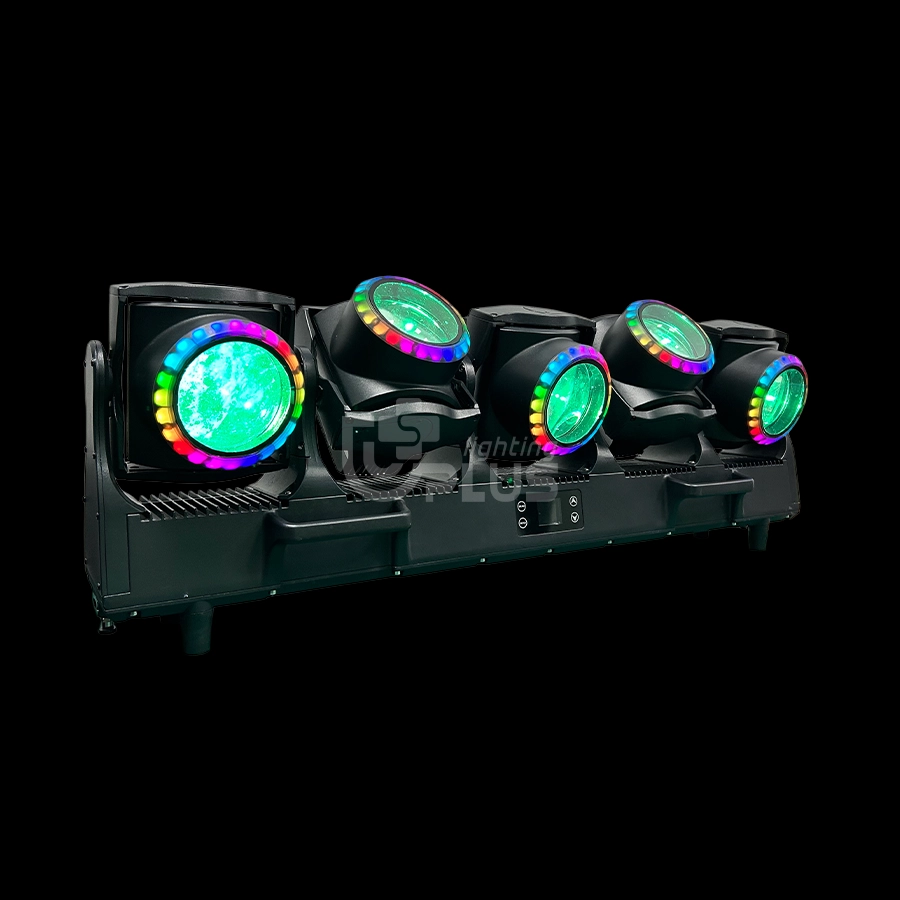
Waterproof 5*120W Pixel zoom LED bar moving head, a waterproof 5*120W pixel zoom LED strip moving head light, with individually controllable pixels, supports zoom and dynamic effects, IP65 protection, suitable for outdoor performances, stage and engineering lighting.

The IP65 two-row 40*10W RGBW led pixel link bar is a high-protection pixel bar light. It adopts a dual-row design with 40 10W RGBW four-in-one LED beads, supports pixel-level independent light control and multi-lamp linkage, and has an IP65 protection rating, making it rainproof and dustproof. It is compatible with DMX512 control and can present rich dynamic light effects, making it suitable for creating linear light and shadow effects in outdoor lighting, stage backgrounds, cultural and tourism landscapes and other scenarios.
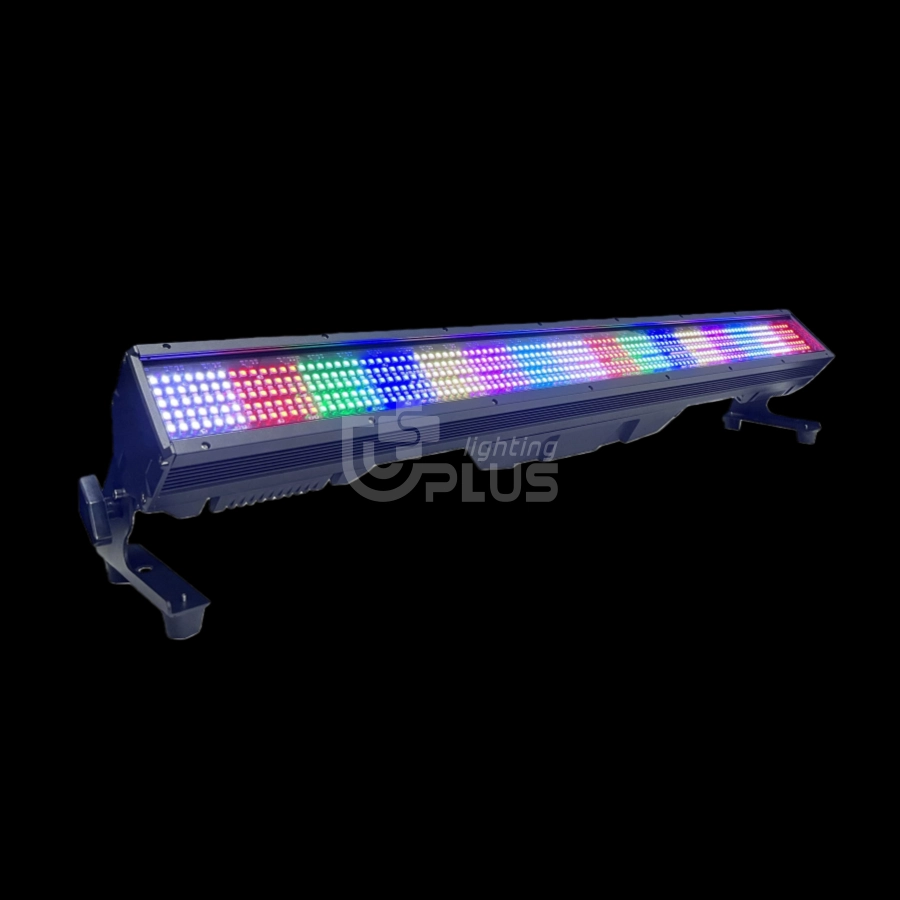
The IP65 waterproof 400W LED Link Strobe bar is a high-protection cascaded strobe light strip equipped with a 400W high-power LED light source. The strobe frequency is adjustable and supports seamless linkage of multiple lights. The IP65 protection rating can withstand outdoor wind, rain, and dust. It is compatible with DMX512 control, easy to install, and suitable for creating dynamic light and shadow in outdoor performances, cultural tourism night tours, architectural lighting and other scenarios.

The IP65 waterproof 18*30W RGBWAUV LED pixel bar is a high-performance outdoor pixel bar light. It is equipped with 18 30W RGBWAUV six-in-one LED beads, supports pixel-level independent light control, and can present rich colors and dynamic light effects. With an IP65 protection rating, it is highly dustproof and waterproof, compatible with multiple control modes such as DMX512, flexible splicing and easy installation, and suitable for linear light and shadow shaping in outdoor performances, cultural and tourism lighting, stage backgrounds and other scenarios.
Stay updated on our latest news
If you have any comments or good suggestions, please leave us a message, later our professional staff will contact you as soon as possible.
Lighting Innovators
Uplus Lighting is a leading integrated company specializing in R&D, design, production, and sales of stage lighting solutions.
 Scan QR Code
Facebook
Instagram
YouTube
VK