






- 1. How do I determine the appropriate lumen output for LED profile stage lights in touring rigs?
- 2. What beam angle should I consider for LED profile stage lights in touring applications?
- 3. How do I assess the color rendering capabilities of LED profile stage lights for touring rigs?
- 4. What control protocols should LED profile stage lights support for seamless integration in touring rigs?
- 5. How do I evaluate the durability and maintenance requirements of LED profile stage lights for touring applications?
- 6. What are the energy efficiency and environmental considerations when selecting LED profile stage lights for touring rigs?
How to choose the right LED profile stage light for touring rigs?
1. How do I determine the appropriate lumen output for LED profile stage lights in touring rigs?
When selecting LED profile stage lights for touring rigs, it's crucial to assess the lumen output to ensure adequate brightness for various venues. Lumen output indicates the total light emitted by the fixture. For large venues or outdoor events, fixtures with higher lumen outputs, such as 23,000 lumens, are recommended to ensure visibility and impact.
2. What beam angle should I consider for LED profile stage lights in touring applications?
The beam angle of an LED profile stage light determines the spread of the light on stage. Narrow beam angles (5–15°) are ideal for creating tight accents and highlighting specific areas, while medium beam angles (20–40°) are suitable for front lighting, and wide beam angles (>50°) are better for soft washes. Selecting the appropriate beam angle ensures that the lighting meets the specific needs of your production.
3. How do I assess the color rendering capabilities of LED profile stage lights for touring rigs?
Color fidelity is essential for accurate color reproduction on stage. The Color Rendering Index (CRI) measures how accurately a light source reveals the colors of various objects in comparison to natural light. For professional applications, a CRI of 90 or above is recommended to ensure natural skin tones and vibrant colors. Additionally, consider the Correlated Color Temperature (CCT) to match the desired mood and ambiance of your production.
4. What control protocols should LED profile stage lights support for seamless integration in touring rigs?
Compatibility with industry-standard control protocols is vital for integrating LED profile stage lights into touring rigs. DMX512 is the most widely used protocol, allowing for precise control of lighting fixtures. Additionally, support for Remote Device Management (RDM) enables remote addressing and monitoring, which is particularly useful for large installations and touring setups. Ensuring that your fixtures support these protocols facilitates smooth operation and flexibility during performances.
5. How do I evaluate the durability and maintenance requirements of LED profile stage lights for touring applications?
Durability and ease of maintenance are critical factors for touring rigs. Look for fixtures with robust construction and high ingress protection (IP) ratings to withstand the rigors of touring. For instance, an IP65 rating indicates resistance to dust and water, making the fixture suitable for outdoor events. Additionally, consider the fixture's cooling system; active cooling (fans) can be noisy, which may be a concern in acoustically sensitive environments. Opting for fixtures with passive cooling systems can mitigate this issue.
6. What are the energy efficiency and environmental considerations when selecting LED profile stage lights for touring rigs?
Energy efficiency is a significant consideration for touring rigs, as it impacts operational costs and environmental sustainability. LED fixtures are known for their low power consumption compared to traditional lighting sources, reducing electricity usage and the associated carbon footprint. Additionally, LEDs have a longer lifespan, decreasing the frequency of replacements and reducing waste. When selecting fixtures, consider those with high energy efficiency ratings and certifications that indicate compliance with environmental standards.
In conclusion, selecting the right LED profile stage light for your touring rig involves careful consideration of lumen output, beam angle, color rendering capabilities, control protocol compatibility, durability, maintenance requirements, and energy efficiency. By addressing these factors, you can ensure that your lighting setup meets the demands of touring productions and delivers high-quality performances.


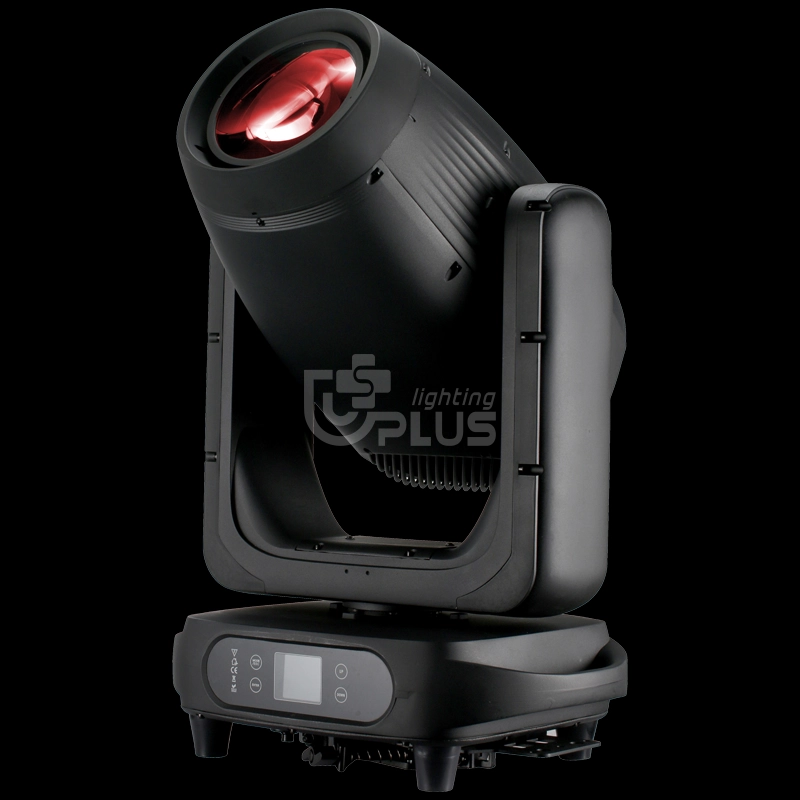
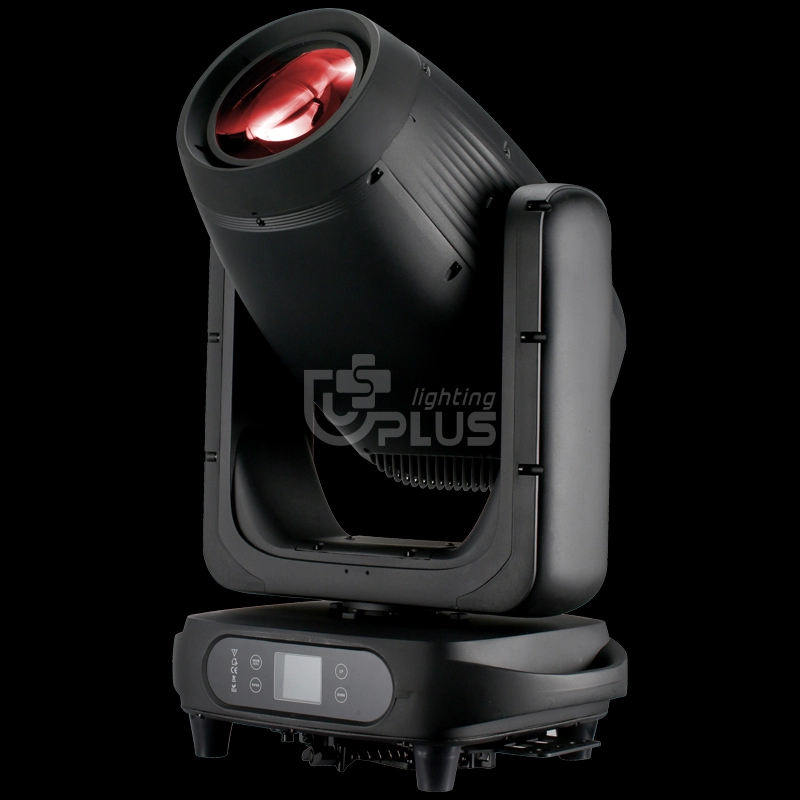
1000W Waterproof BSWF 4-in-1 Moving Head combines beam, spot, wash, and frame effects in one. IP-rated waterproof design, high-brightness output, precise control, ideal for outdoor & indoor stage events.
Stay updated on our latest news
If you have any comments or good suggestions, please leave us a message, later our professional staff will contact you as soon as possible.
Lighting Innovators
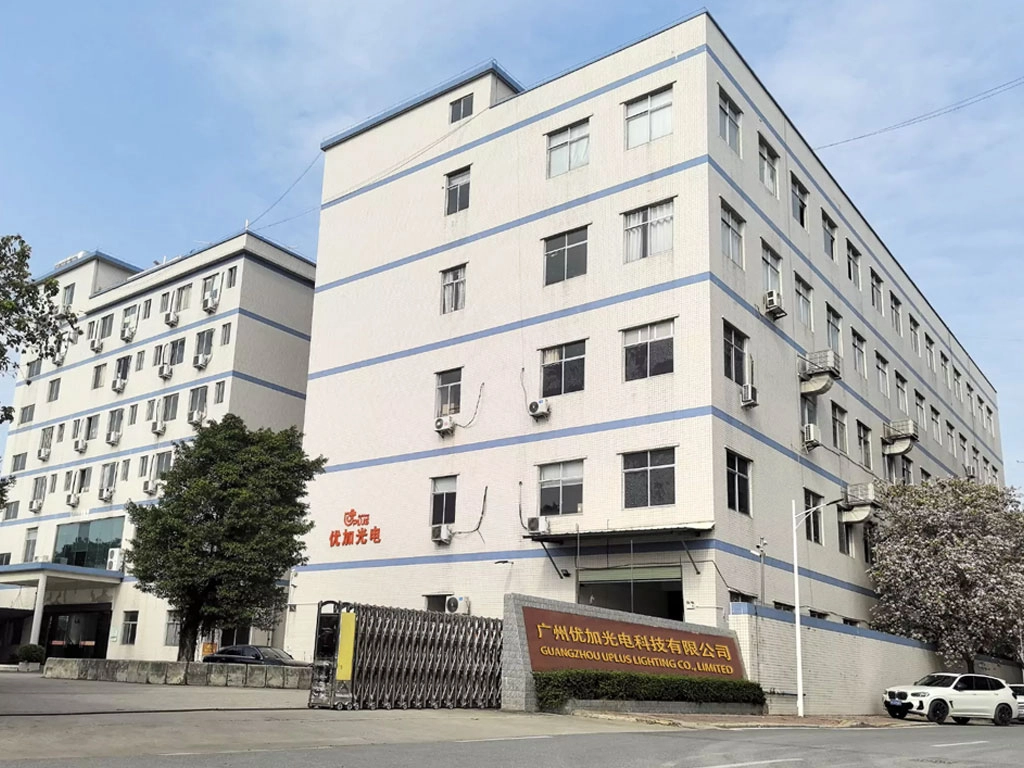
Uplus Lighting is a leading integrated company specializing in R&D, design, production, and sales of stage lighting solutions.
 Scan QR Code
Facebook
Instagram
YouTube
VK